

International Brands We Collaborate With


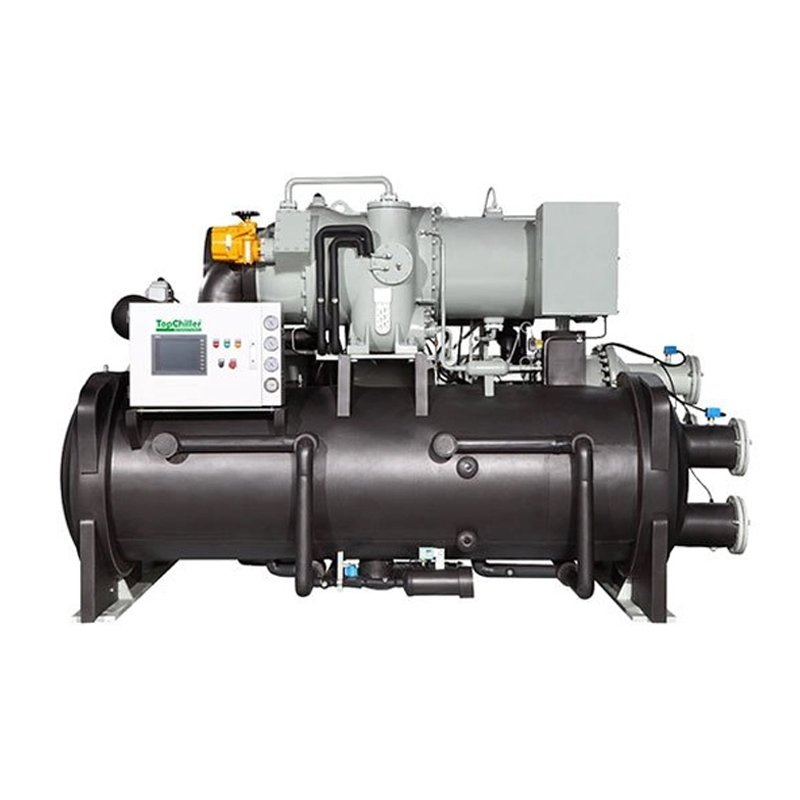
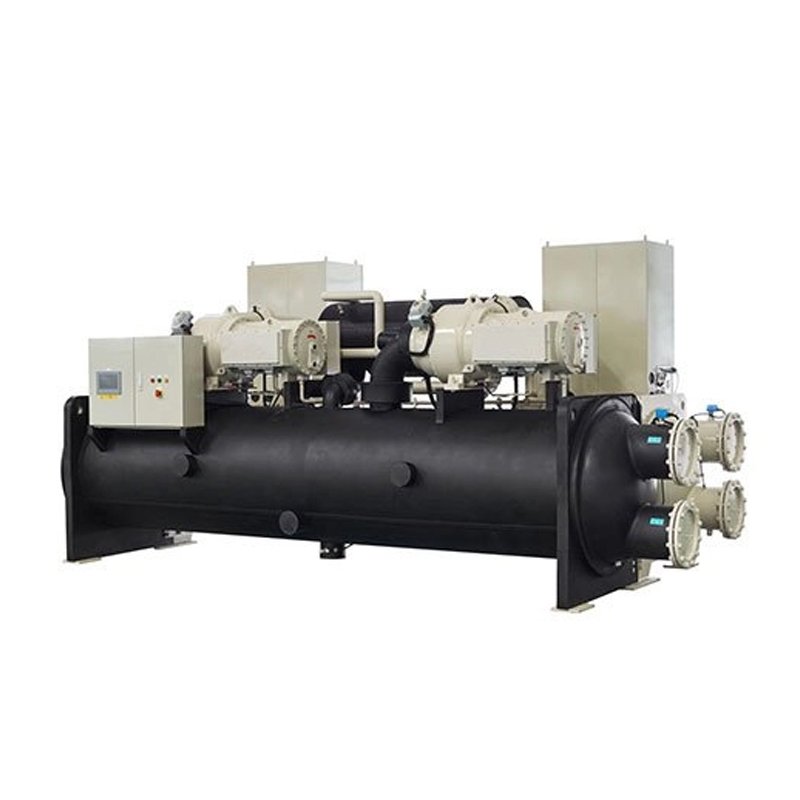
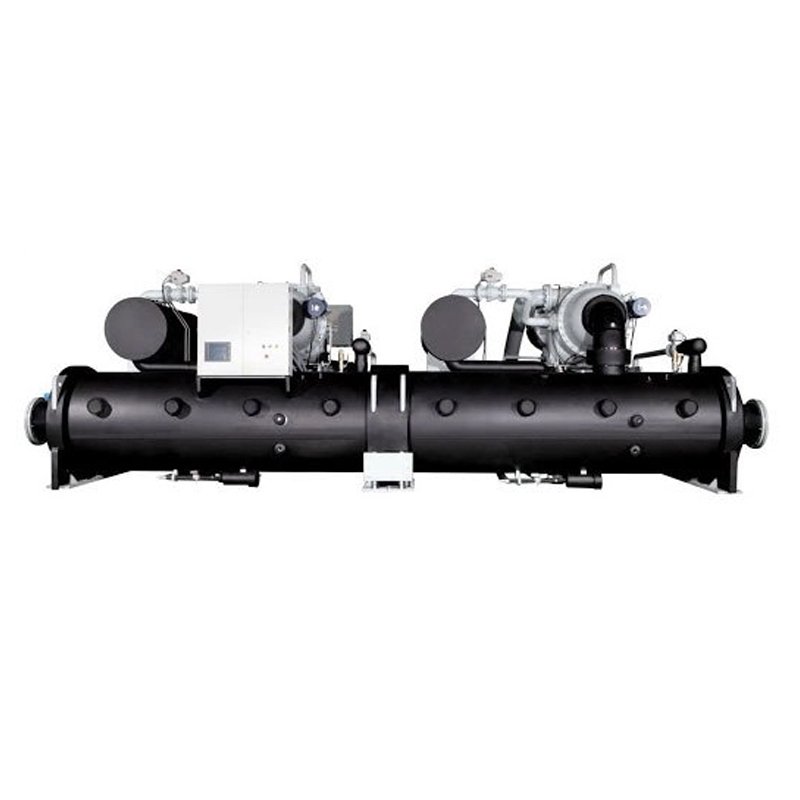
Engineered for Large-scale Cooling
- Highest Coefficient of Performance: 6.0 to 7.0
- High cooling capacity: 150 to 4,500 tons
- Eco-friendly refrigerants: HFO-1233zd (E)
- Compact design, lightweight, and easy to install
Trusted Centrifugal Chiller Manufacturer and Supplier in China
If you are looking for highly efficient chillers for large-scale cooling in industrial plants and commercial buildings, then ChillerOne centrifugal chillers are a system engineered for you. These chillers use centrifugal compressors to circulate refrigerants for efficient cooling in high-load requirements.
Our water-cooled centrifugal chillers are designed for high energy efficiency and reliability. For example, ChillerOne centrifugal chillers feature a two-stage compressor designed for higher efficiency.
Additionally, they have variable speed drives to control compressor output from 25%, 50% to 75%, for on-demand cooling and superior part load performance. These chillers are also equipped with PID control functions to automatically adjust compressor speed to match the workload.
Furthermore, these centrifugal water chillers have an economizer, which further improves cooling efficiency.
More importantly, we have integrated all these to increase energy efficiency and reduce operational costs by over 27%. Therefore, you can achieve a higher cooling capacity at low costs.
At ChillerOne, we strive to ensure your system operates continuously and at optimal capacity. It is for this reason that we have a dual-compressor water-cooled centrifugal chiller for redundancy.
Therefore, when you invest in ChillerOne centrifugal chillers, you are choosing a system that can serve your facility for over 25 years. They operate smoothly without any vibrations, alongside over 12 protective functions for early fault detection, which also guarantees 99.9% system uptime.
Tell us more about your cooling load capacity, and our engineers will size a chiller system for your facility – contact us for free consultations.

This unit is designed for industrial use and runs on 380V power with strong performance from 245.1 kW to 758.2 kW. It is built with a quality core component engine with high-efficiency and energy savings.

This chiller runs on 380V-3N-50Hz power and has a strong cooling capacity of 1407-3616 kW, with working temperature range of 5°C-12°C and a chilled water outlet of 7°C, providing stable cooling for large facilities.
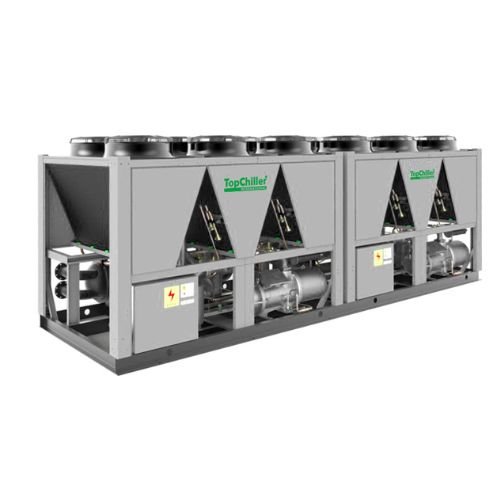
This chiller operates on 380V 3P 50/60Hz that is also compatible with 200V / 400V / 415V and uses an enclosed rolling piston compressor with R404A refrigerant and a shell-and-tube evaporator and an air-cooled condenser.

It operates with a wide power supply range of 3.3/6.6/11 kV or 380-415V with an ice capacity of 300-3000 RT and a heat pump capacity of 427-1990 RT. It runs on a R134A refrigerant and works within -25°C to +50°C.
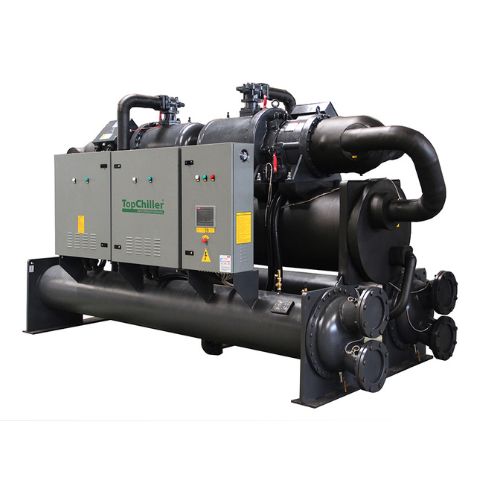
Delivers a cooling capacity of 170RT, built with advanced magnetic bearing technology and key components. It operates on a 400V power supply with a wide working temperature range.
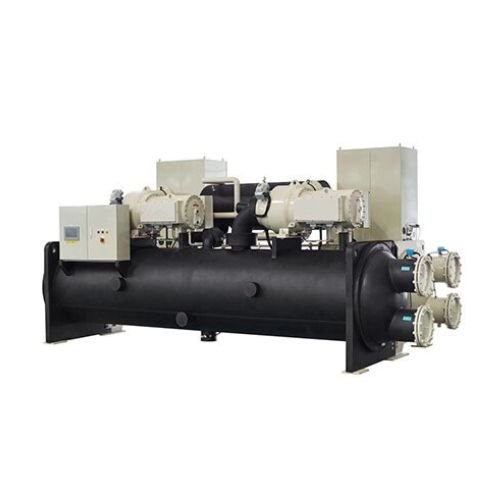
Offers a strong 150RT cooling capacity, designed for flexible installation with customizable dimensions and multiple voltage options.
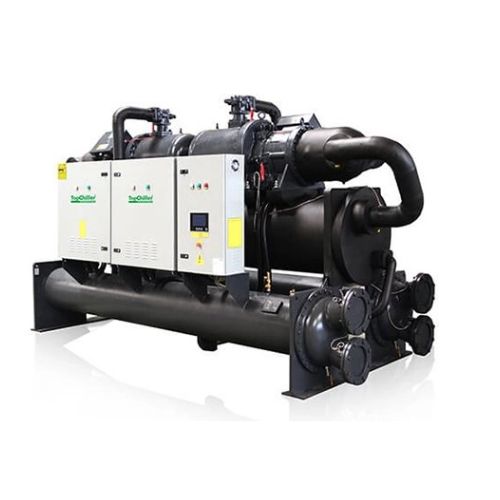
Features an inverter-driven dual-stage compressor and magnetic bearing technology. It delivers powerful cooling from 264 to 3095 kW.
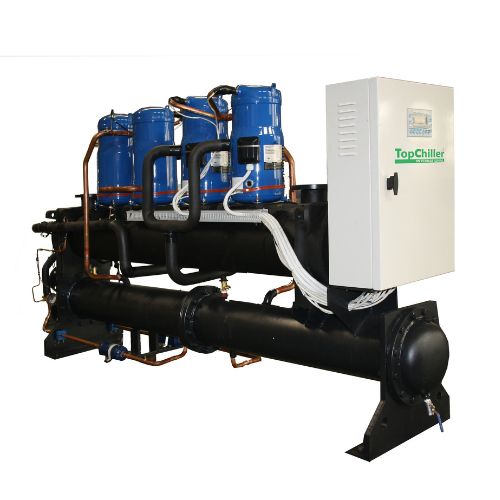
Built with reliable core components with a cooling capacity from 18kW up to 4000kW, it operates efficiently within 0-40°C and supports multiple refrigerants.
Reliable Certification
With complete global certifications, the centrifugal chillers follow worldwide regulations to maintain stable and efficient cooling performance.


Applications of Centrifugal Chillers

Various important equipment in the data centre store a large amount of important data. They generate a large amount of heat during operation, and heat build-up can lead to performance degradation or even damage. The large capacity and high load of centrifugal chillers make it possible to dissipate heat efficiently and provide long-lasting and stable operation, thus guaranteeing the stable operation of your data centre and the safety of your equipment, and preventing serious losses due to equipment damage.

Centrifugal chillers can provide optimal working stability for a wide range of precision medical equipment, ensuring stable operation and working accuracy. You can also install centrifugal chillers for various spaces such as operating theatres for precise temperature control. In addition, they can be installed in storage rooms for instruments and medicines to ensure the reliability of medicines and instruments.

You can apply centrifugal chillers in various locations such as shopping centres and offices. They can be integrated into the air conditioning system to provide stable temperature control in your building, bringing about a satisfactory ambient temperature. This improves the comfort of your employees and customers, which in turn improves work and operational efficiency.
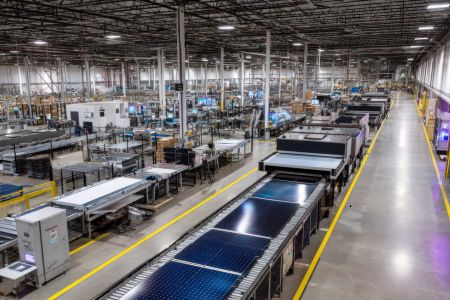
If you’re looking for the right cooling solution for a variety of industrial manufacturing such as plastic moulding, machine tool processing and more, a centrifugal chiller is a great fit. Not only does it provide precise temperature control for the process, it ensures excellent and consistent quality. It can also dissipate heat efficiently from the equipment in the machining process to ensure operational stability. You can also use it for finished product cooling to speed up cooling and solidification efficiency and reduce waiting times, thus increasing productivity.
- Specification
- Successful Application Examples
Centrifugal Chiller Technical Specifications
| Items\Model | 500 | 550 | 600 | 650 | 700 | 800 | 900 | 1000 | 1100 | 1200 | 1300 | 1400 | 1500 | ||
| Cooling Capacity | kW | 1760 | 1965 | 2130 | 2324 | 2497 | 2858 | 3224 | 3575 | 3953 | 4323 | 4665 | 4925 | 5350 | |
| Input Power | kW | 288 | 320 | 348 | 381 | 406 | 467 | 526 | 586 | 647 | 704 | 761 | 805 | 874 | |
| COP | kW/kW | 6.11 | 6.14 | 6.12 | 6.1 | 6.15 | 6.12 | 6.13 | 6.1 | 6.11 | 6.14 | 6.13 | 6.12 | 6.12 | |
| kW/RT | 0.58 | 0.57 | 0.57 | 0.58 | 0.57 | 0.57 | 0.57 | 0.58 | 0.58 | 0.57 | 0.57 | 0.57 | 0.57 | ||
| Condenser | Water Flow Rate | m³/h | 352 | 393 | 426 | 465 | 499 | 572 | 645 | 716 | 791 | 865 | 933 | 986 | 1071 |
| Water Pressure Drop | kPa | 72 | 86 | 86 | 86 | 86 | 95 | 95 | 120 | 120 | 120 | 120 | 120 | 85 | |
| Inlet/outlet Pipe | DN | 200 | 200 | 250 | 250 | 250 | 250 | 300 | 300 | 300 | 300 | 300 | 300 | 350 | |
| Evaporator | Water Flow Rate | m³/h | 303 | 338 | 366 | 400 | 429 | 492 | 555 | 615 | 680 | 744 | 802 | 847 | 920 |
| Water Pressure Drop | kPa | 70 | 80 | 80 | 80 | 80 | 91 | 91 | 116 | 116 | 116 | 116 | 116 | 76 | |
| Inlet/outlet Pipe | DN | 200 | 200 | 250 | 250 | 250 | 250 | 300 | 300 | 300 | 300 | 300 | 300 | 350 | |
| Dimension | Lengeth | mm | 3920 | 4120 | 4120 | 4120 | 4120 | 4480 | 4570 | 4870 | 4950 | 4950 | 5000 | 5000 | 5700 |
| Width | mm | 2320 | 2320 | 2480 | 2480 | 2580 | 2650 | 2650 | 2650 | 2850 | 2850 | 2900 | 3000 | 5300 | |
| Height | mm | 2450 | 2450 | 2500 | 2500 | 2500 | 2740 | 2800 | 2800 | 2850 | 2850 | 2900 | 2900 | 2740 | |
| Installation Dimension | mm | 2944 | 3144 | 3144 | 3144 | 3144 | 3384 | 3384 | 3684 | 3684 | 3684 | 3684 | 3684 | 3384 | |
| mm | 1800 | 1800 | 1800 | 1800 | 2000 | 2000 | 2000 | 2050 | 2300 | 2300 | 2300 | 2400 | 4450 | ||
| Net Weight | kg | 9100 | 9600 | 10100 | 10600 | 11200 | 11800 | 12500 | 13200 | 14500 | 15500 | 16500 | 18000 | 23200 | |
| Running Weight | kg | 9100 | 10550 | 11100 | 11700 | 12350 | 13100 | 14000 | 14800 | 16350 | 17500 | 18600 | 20000 | 25700 | |
| Refrigerant | kg | 450 | 495 | 540 | 585 | 630 | 720 | 810 | 900 | 990 | 1080 | 1170 | 1260 | 1350 | |
Centrifugal Chiller Technical Specifications
| Items\Model | 1600 | 1700 | 1800 | 1900 | 2000 | 2100 | 2200 | 2300 | 2400 | 2500 | 2600 | 2700 | 2800 | ||
| Cooling Capacity | kW | 5716 | 6082 | 6448 | 6799 | 7150 | 7528 | 7905 | 8276 | 8645 | 8988 | 9330 | 9590 | 9850 | |
| Input Power | kW | 932 | 992 | 1054 | 1110 | 1168 | 1230 | 1292 | 1350 | 1410 | 1467 | 1525 | 1567 | 1610 | |
| COP | kW/kW | 6.13 | 6.13 | 6.12 | 6.13 | 6.12 | 6.12 | 6.12 | 6.13 | 6.13 | 6.13 | 6.12 | 6.12 | 6.12 | |
| kW/RT | 0.57 | 0.57 | 0.57 | 0.57 | 0.57 | 0.57 | 0.57 | 0.57 | 0.57 | 0.57 | 0.57 | 0.57 | 0.57 | ||
| Condenser | Water Flow Rate | m³/h | 1143 | 1217 | 1290 | 1360 | 1431 | 1506 | 1582 | 1656 | 1729 | 1798 | 1867 | 1919 | 1971 |
| Water Pressure Drop | kPa | 85 | 85 | 85 | 85 | 105 | 105 | 105 | 105 | 105 | 105 | 105 | 105 | 105 | |
| Inlet/outlet Pipe | DN | 350 | 350 | 350 | 350 | 400 | 400 | 400 | 400 | 450 | 450 | 450 | 450 | 450 | |
| Evaporator | Water Flow Rate | m³/h | 983 | 1046 | 1109 | 1169 | 1230 | 1295 | 1360 | 1423 | 1487 | 1546 | 1605 | 1649 | 1694 |
| Water Pressure Drop | kPa | 76 | 76 | 76 | 76 | 95 | 95 | 95 | 95 | 95 | 95 | 95 | 95 | 95 | |
| Inlet/outlet Pipe | DN | 350 | 350 | 350 | 350 | 400 | 400 | 400 | 400 | 450 | 450 | 450 | 450 | 450 | |
| Dimension | Lengeth | mm | 5700 | 5700 | 5700 | 5700 | 6000 | 6000 | 6000 | 6000 | 6000 | 6000 | 6000 | 6000 | 6000 |
| Width | mm | 5300 | 5300 | 5300 | 5300 | 5750 | 5750 | 5750 | 5750 | 5850 | 5850 | 5850 | 6000 | 6000 | |
| Height | mm | 2740 | 2800 | 2800 | 2800 | 2800 | 2850 | 2850 | 2850 | 2850 | 2900 | 2900 | 2900 | 2900 | |
| Installation Dimension | mm | 3384 | 3384 | 3384 | 3384 | 3684 | 3684 | 3684 | 3684 | 3684 | 3684 | 3684 | 3684 | 3684 | |
| mm | 4450 | 4450 | 4450 | 4450 | 5000 | 5000 | 5000 | 5000 | 5000 | 5000 | 5000 | 5200 | 5200 | ||
| Net Weight | kg | 23600 | 24300 | 25000 | 25700 | 26400 | 27700 | 29000 | 30000 | 31000 | 32000 | 33000 | 34500 | 36000 | |
| Running Weight | kg | 26500 | 27100 | 28000 | 28800 | 29600 | 31150 | 32700 | 33850 | 35000 | 36100 | 37200 | 38600 | 40000 | |
| Refrigerant | kg | 1440 | 1530 | 1620 | 1710 | 1800 | 1890 | 1980 | 2070 | 2160 | 2250 | 2340 | 2430 | 2520 | |
Cooling of Underground Gold Mines in Canada
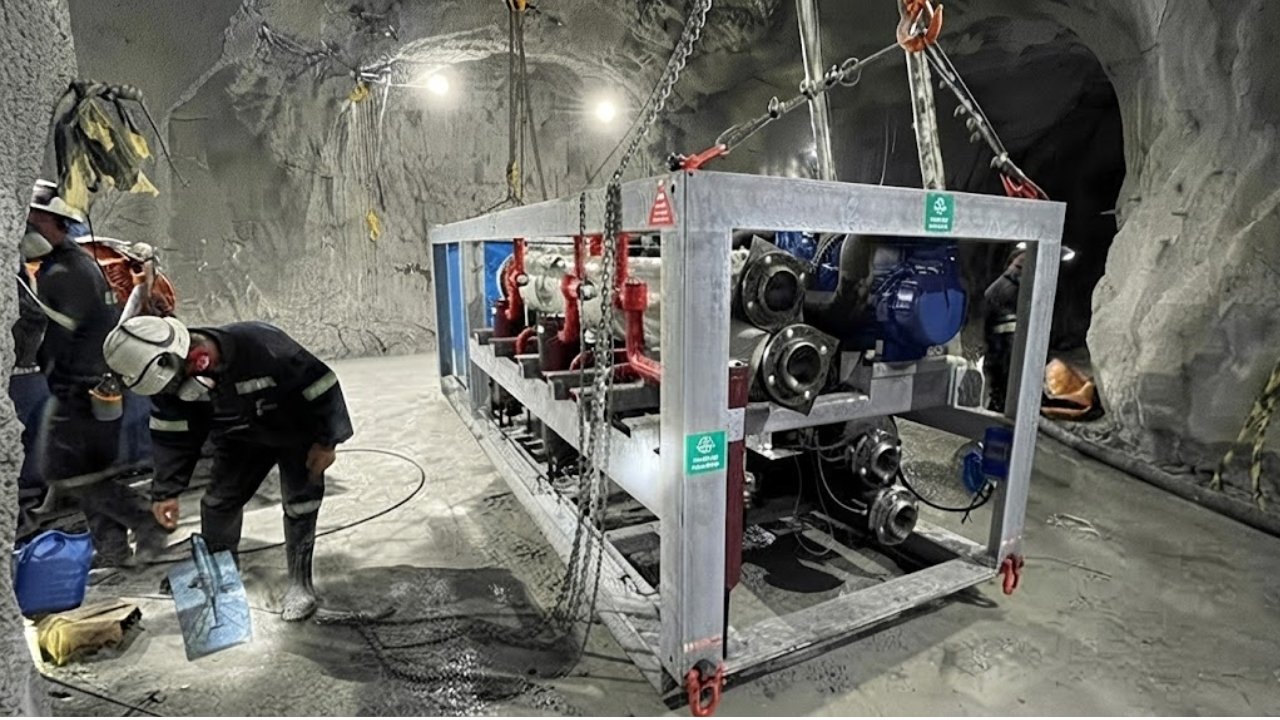
The deep operation environment of a certain underground gold mine in Canada is hot and humid, requiring a large cooling source to ensure continuous production. The project uses a 1200-ton centrifugal chiller, and its centrifugal chiller compressor still operates stably under harsh conditions. The customer once asked how a centrifugal chiller works, and the technical team explained it based on the on-site conditions. After the unit was put into use, it provided reliable cooling for the underground operation area, meeting the cooling requirements for long-term mining.
Expansion of an Electronic Factory in Israel
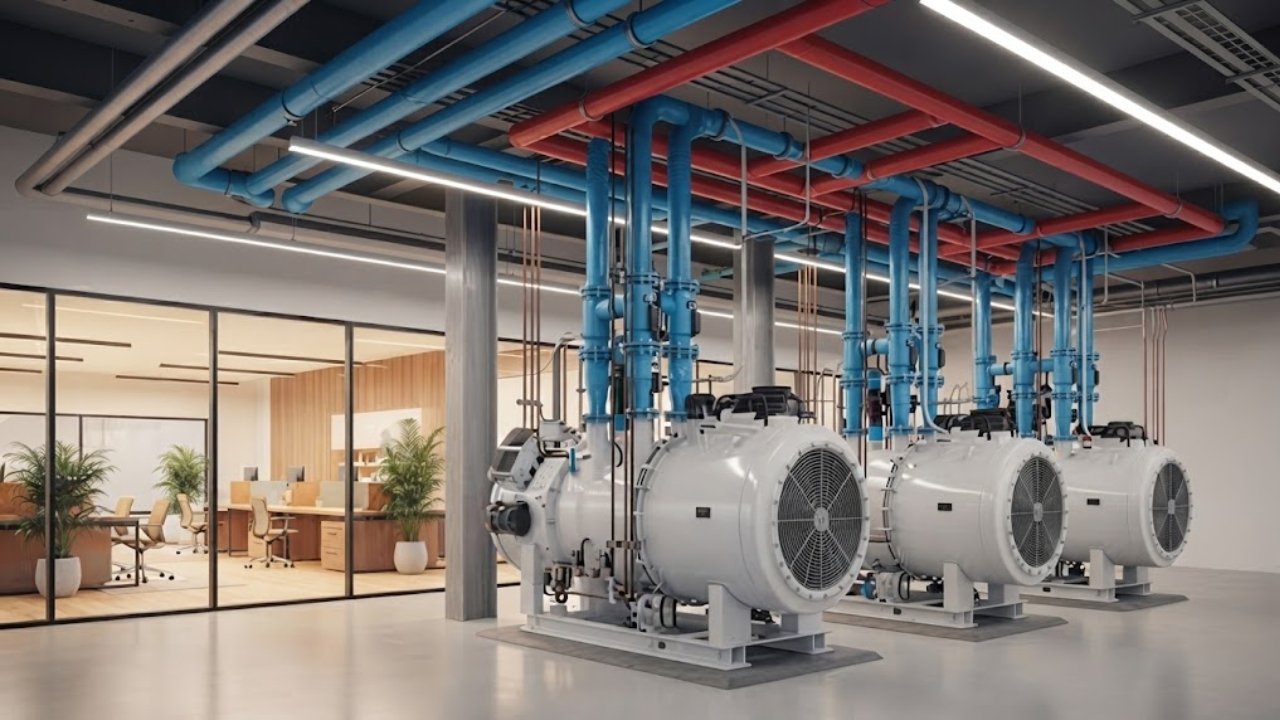
An electronic manufacturing factory in Israel expanded a new production area, and the original cooling station capacity was insufficient. The project added a 1000-ton centrifugal water-cooled chiller and integrated it into the original centrifugal chiller system. This solution uses a single large centrifugal machine to handle the new cooling load, avoiding the need for scattered installation and operation of multiple small units. After the system was put into use, the new production area received sufficient chilled water, and it reserved capacity for subsequent expansion. The customer recognized the overall upgrade effect of the cooling station.
Upgrade of a Hospital Cooling Station in Australia
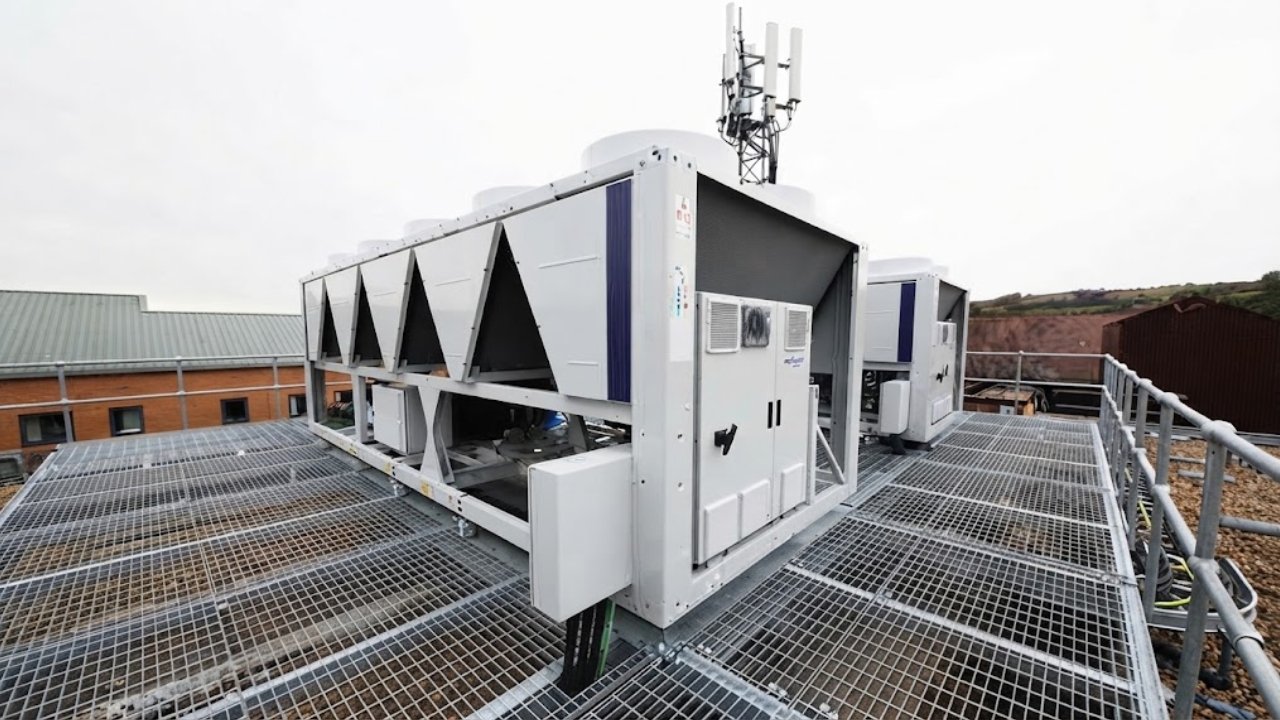
A large hospital in Australia had an aging and unreliable original cooling station, but the medical area could not be shut down. The project selected a 750-ton centrifugal chiller for phased replacement. The construction team arranged the installation and commissioning during low-load periods according to the requirements of centrifugal chiller operation. The new units were put into use, and the hospital’s cooling reliability improved, while the key medical areas were not affected. The customer recognized that this solution balanced the centrifugal chiller working principle with actual operational safety.
Japanese Regional Cooling Project
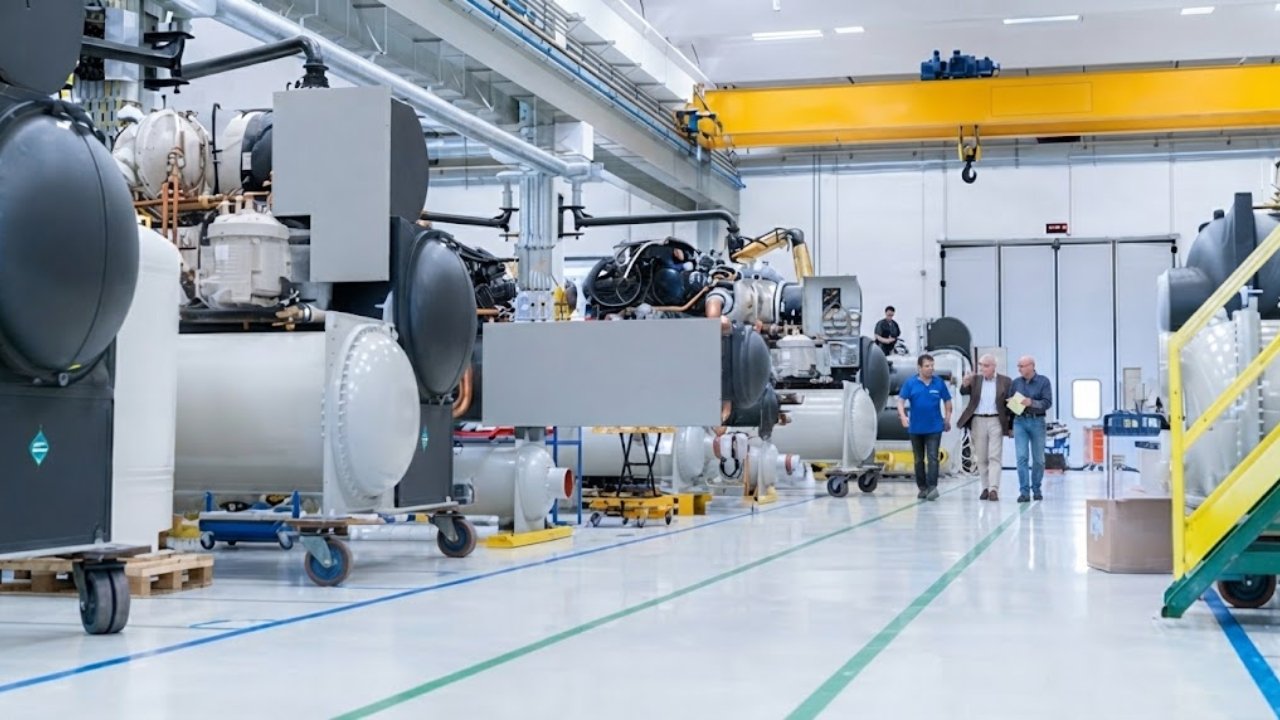
A regional cooling station in Japan serves multiple buildings, and the original cooling capacity was becoming tight. The project configured two 1000-ton centrifugal water chillers, with a total cooling capacity of 2000 tons, as the core units of the central cooling station. Compared with the decentralized solution, centralized cooling by large centrifugal machines is more convenient for unified management. After the system was put into use, the regional cooling capacity was significantly improved, meeting the cooling needs of multiple buildings simultaneously, and the customer was satisfied with the long-term operation performance of the centralized cooling station.


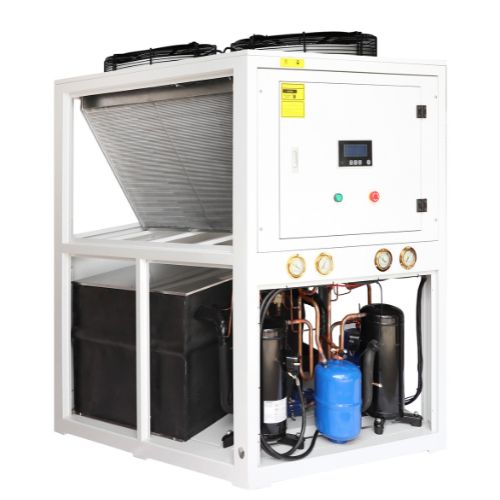

See the Centrifugal Chiller in Action
Watch how the Centrifugal Chiller delivers stable temperature control, fast cooling response, and reliable performance in real industrial working conditions.
What is the Centrifugal Chiller?
Centrifugal chillers are refrigeration equipment that use centrifugal compressors in the refrigerant cooling cycle. The centrifugal compressor serves as the heart of the vapor compression refrigeration system, driving the refrigerant cycle and ensuring continuous and stable cooling. Thanks to the high efficiency and capacity of centrifugal compressors, you can use centrifugal chillers for cooling medium to large commercial and industrial projects.
How the Centrifugal Chiller Works?
Two cycles exist in centrifugal chillers, including the heat exchange between the water and the heat-generating equipment/area and the cooling cycle of the refrigerant.
Heat Absorption
When you run a centrifugal chiller, you can adjust the cooling programme you need via the control panel. The pump will immediately deliver water to the area that needs to be cooled, then exchange heat with the heat source and subsequently carry the heat to the evaporator. The water transfers the heat to the refrigerant in the evaporator and the re-cooled water is then transferred to the heat source again to absorb the heat.
Evaporation
When water enters the evaporator with heat drawn in from the outside, the refrigerant inside the evaporator rapidly absorbs the heat from the water, lowering the temperature of the water. The re-cooled water is returned to continue the cycle of heat exchange to achieve rapid cooling of equipment or the environment, while the refrigerant is rapidly converted from a liquid to a gaseous state after absorbing heat.
Compression
The centrifugal compressor serves as the heart of the cooling cycle and provides the power to circulate the refrigerant. The refrigerant is converted into a gaseous state at low pressure. The centrifugal compressor generates centrifugal force with its high-speed rotating impellers, which rapidly draw in the gaseous refrigerant and transform it into a high-pressure state, helping it to enter the condenser smoothly.
Condensation
The refrigerant entering the condenser exchanges heat with air or water to dissipate heat quickly. Air-cooled centrifugal chillers exchange heat with ambient air, while water-cooled centrifugal chillers exchange heat with chilled water in a cooling tower. The cooled refrigerant will recondense to a liquid state.
Expansion
Refrigerant that has been recondensed to a liquid state is under high pressure and it is difficult to absorb heat again. The expansion valve further transforms the refrigerant into a low-temperature, low-pressure state so that it can effectively absorb heat again and quickly transform into a gaseous state. The refrigerant enters the evaporator again for the next cycle.
Main Types of Centrifugal Chillers
Maglev Centrifugal Chillers
The Magnetic Levitation Centrifugal Chiller is an advanced centrifugal chiller that utilises magnetic levitation technology. It achieves oil-free, friction-free, and mechanical contact-free operation, resulting in higher energy efficiency. This also allows the magnetic levitation centrifugal chiller to have a longer service life than ordinary centrifugal chillers, while greatly reducing the noise and vibration generated by the operation. In addition, its lighter weight and tighter construction allow you to use it in scenarios with tight space constraints.
Water-Cooled Centrifugal Chiller and Air-Cooled Centrifugal Chiller
Centrifugal chillers can be divided into water-cooled centrifugal chillers and air-cooled centrifugal chillers according to the different methods of heat dissipation of refrigerant in centrifugal chillers.
- Air-Cooled centrifugal chiller: The refrigerant in an air-cooled centrifugal chiller transfers heat to the ambient air in the condenser to dissipate heat. It requires a fan to blow ambient air onto the exposed condenser for efficient heat transfer during operation. It is a relatively simple structure with low initial and maintenance costs. However, it does not perform well in high-temperature environments because it relies on ambient air for its cooling efficiency. And the fan makes it more noisy.
- Water-cooled centrifugal chiller: The refrigerant in a water-cooled centrifugal chiller transfers heat to water in a condenser to dissipate the heat. Therefore, it does not require a fan but a cooling tower to provide water. The superior heat transfer efficiency of water makes it a more efficient cooler and unaffected by ambient air. However, it has a higher initial cost and is more complex to maintain. And you’re better off using it in an environment where water is plentiful.
Closed, Semi-hermetic and Open Centrifugal Chiller
To achieve a wider range of applicability, centrifugal compressors are also available in open, hermetic and semi-hermetic centrifugal chillers to meet different installation requirements. These differences lie in the way the centrifugal compressor and motor are mounted, with the most common being the semi-hermetic type, which mounts the compressor and motor closed. Whereas the open type installs them separately, the closed type installs them sealed from the entire unit.
Advantages of Centrifugal Chillers
Superior Performance
Centrifugal compressors have more efficient operating speeds, allowing them to compress more refrigerant in less time, resulting in improved cooling efficiency and greater capacity. This allows it to withstand the cooling demands of larger loads, meeting the needs of heavy-duty and large-scale projects. In addition, it allows for longer runs, less downtime and better reliability.
High Energy Efficiency
Centrifugal compressors provide better cooling in terms of capacity and cooling efficiency with the same amount of energy. Low energy costs make it a cost-effective choice for large and long-term projects. You can also choose centrifugal chillers with variable speed drives to reduce unnecessary energy losses and further reduce energy costs.
Low Maintenance Costs
On the one hand, centrifugal compressors are more compact than other types of compressors and therefore take up less space. On the other hand, their low operating friction and high durability reduce component damage and do not require regular lubrication. This not only extends their service life but also reduces maintenance costs.
Quiet Operation
Centrifugal compressors create less friction during operation, which reduces noise and vibration, resulting in smoother operation. This provides a more comfortable environment for customers and employees in a variety of commercial and industrial applications, resulting in improved operations and productivity.
The compressors of the two types of chillers are different. Centrifugal chillers use the centrifugal force produced by the high-speed rotating impeller to provide power to the refrigerant, while screw chillers use two rotors to complete the suction and discharge. In contrast, centrifugal chillers can withstand higher cooling loads and have higher efficiency, while screw chillers are more compact and run more quietly.
Centrifugal chillers have high energy efficiency, especially magnetic levitation centrifugal chillers, which have even better energy efficiency and reduce energy loss. This saves on energy costs while reducing the impact on the environment. You can equip your centrifugal chiller with environmentally friendly refrigerants to achieve fewer emissions.
A surge of a centrifugal chiller is a failure that centrifugal compressors are prone to under high pressure differences. When the outlet pressure of the centrifugal compressor is too high, the refrigerant gas can not be discharged smoothly, resulting in the refrigerant gas backflow to the compressor, which generates large vibration and noise. A surge will cause damage to the centrifugal chiller, and the current centrifugal chiller can effectively reduce the occurrence of a surge through the backflow vane control, frequency drive technology.
Centrifugal chillers are commonly used in medium to large projects where they are more cost-effective. Therefore, it is not suitable for small-capacity projects. Secondly, as it is prone to surge in scenarios where the load fluctuates greatly, it is more appropriate for you to use it in projects where the load is stable. Additionally, centrifugal chillers require a power source, which makes them unsuitable for use in projects where the power supply is difficult.


