

Without a clear understanding of the role of each chiller component in the cooling process, it’s hard for you to optimize your industrial cooling system and ensure reliable operation. This article explains how each component works, guiding you to achieve more effective chiller configuration and investment decisions.
Core Chiller Components and Their Roles

What you need to know first is the four core chiller components: the evaporator, compressor, condenser, and expansion valve.
Evaporator
The evaporator is a specialized heat exchanger in your chiller system. It is the place where the real cooling happens.
Inside the evaporator, warm water (the process fluid) exchanges heat with the low-temperature and low-pressure liquid refrigerant, transferring heat to the heat exchange surface and evaporating into a gas.
The evaporator approach temperature (the difference between the temperature of the chilled water and that of the refrigerant) is an important performance indicator, because a high approach may indicate scaling inside the tubes, and you need to clean them in time.
Types
You can quickly know the main types of chiller evaporators from the following chart.
| Shell and Tube | The most common type. With the water flowing through tubes and the refrigerant filling the surrounding space. |
| Brazed Plate | Use a series of stacked stainless steel plates to form a large heat exchange area. It has a compact structure and high efficiency. |
| Finned Tube | The heat is directly exchanged between the air and the refrigerant. Mainly used in air cooling applications. |
| Immersed Evaporator | The tubes are fully immersed in the refrigerant to ensure maximum heat absorption. |
Compressor
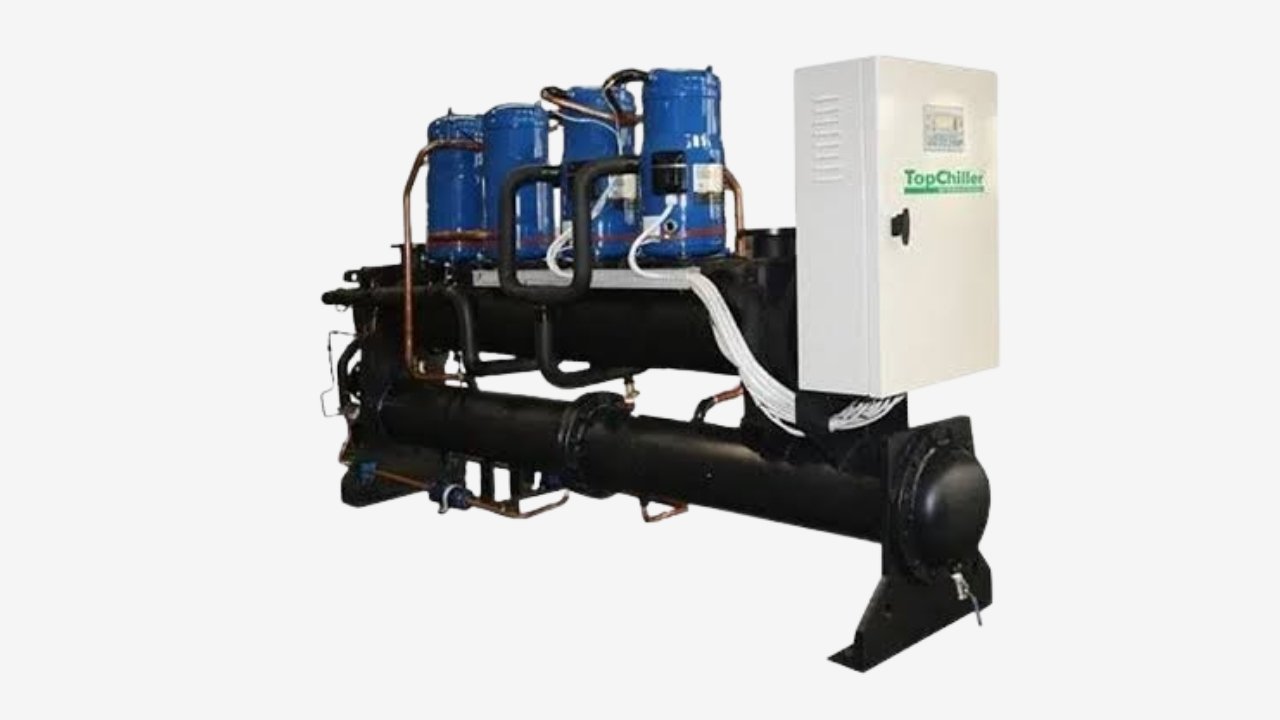
The compressor is the “heart” of a chiller. It increases the pressure and temperature of the refrigerant to push the circulation.
The compressor can act as a pump to move the refrigerant. Its main function is to absorb the low-pressure refrigerant vapor from the evaporator and compress it into a high-pressure gas. Through this process, the compressor greatly raises the refrigerant temperature, allowing it to release heat.
The compressor is always the chiller component that consumes the most electricity. You can choose one with Variable Frequency Drives (VFDs) to adjust speed and reduce energy costs.
Types
| Scroll | Small to medium (up to approximately 60 tons) | Quiet, few moving parts, and very reliable. |
| Screw | Medium to large (approximately 30 to 800+ tons) | Robust and handles variable loads efficiently. |
| Centrifugal | Large to massive (approximately 150 to 6,000+ tons) | Extremely efficient at high capacities for large plants. |
| Reciprocating | Smaller/Specialized applications | Uses pistons; durable and easy to maintain, but less efficient. |
Condenser
The condenser is the heat-rejection component of a chiller. It absorbs heat from the refrigerant and rejects heat to the ambient medium.
It is between the compressor and the expansion valve, operating on the high-pressure side of your chiller system. When the refrigerant comes into the condenser, a cooling medium (usually air or water) will flow through the tubes and absorb the heat of the refrigerant, causing the refrigerant to change from a high-temperature gas state to a high-pressure liquid state.
You need to be aware that in water-cooled equipment, minerals in the water will accumulate inside the pipes. In air-cooled chillers, dust and debris will clog the heat sinks. Those can impede heat dissipation, so regular cleaning and maintenance are necessary.
Types
| Operation Principle | Suitable Application | |
| Air-Cooled Condenser | Uses large fans to blow ambient air across copper tubes with aluminum fins. | Smaller installations, areas with water scarcity, or where low maintenance is a priority. |
| Water-Cooled Condenser | Uses a shell and tube heat exchanger where water flows through tubes to absorb heat. This water is then sent to a cooling tower. | Large-scale buildings or industrial plants where high energy efficiency is critical. |
Expansion Valve
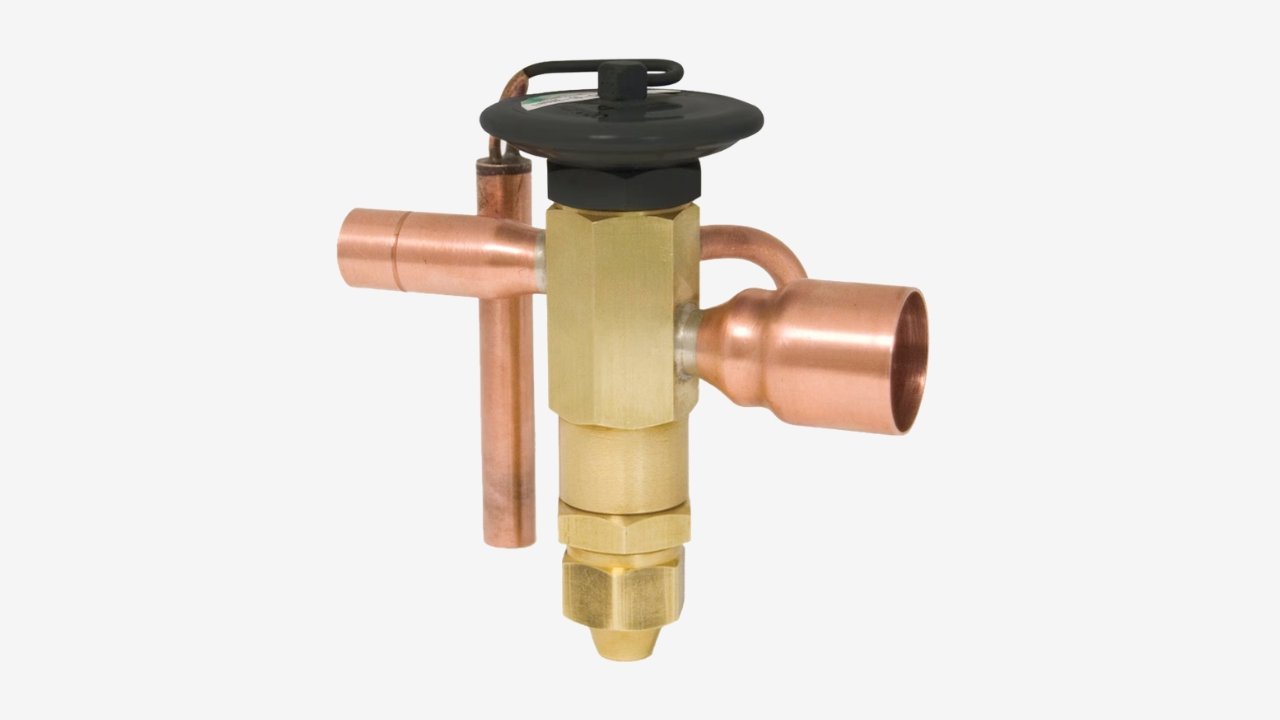
The expansion valve is also known as the metering device. It controls the flow and state of the refrigerant.
It is set up between the condenser and the evaporator. In there, it takes the refrigerant out of the condenser and forces it through a small hole into the low-pressure area. This greatly decreases the refrigerant’s temperature and reduces its pressure, causing flash evaporation. At the same time, the expansion valve can precisely regulate the amount of refrigerant entering the evaporator and ensure that all the liquid refrigerant has completely transformed into gas, well protecting the compressor.
Here are three conditions that may be signs of a failing expansion valve. You should be careful with them:
- Frost on the evaporator or the valve.
- Low cooling capacity.
- Compressor slugging.
Types
| Thermostatic Expansion Valve (TXV/TEV) | Use a sensor bulb filled with refrigerant to monitor the temperature at the outlet of the evaporator. Can adjust the flow rate mechanically in response to temperature changes. |
| Electronic Expansion Valve (EEV) | Uses a motor and an electronic controller to make micro-adjustments to the flow, leading to much higher energy efficiency. |
| Fixed Orifice / Capillary Tube | A simple, non-adjustable tube or opening used in very small, basic cooling units. |
Other Chiller Supporting Components You Need to Know

Except for the four core components, there are also many other parts that are essential to a chiller in the cooling process.
Refrigerant
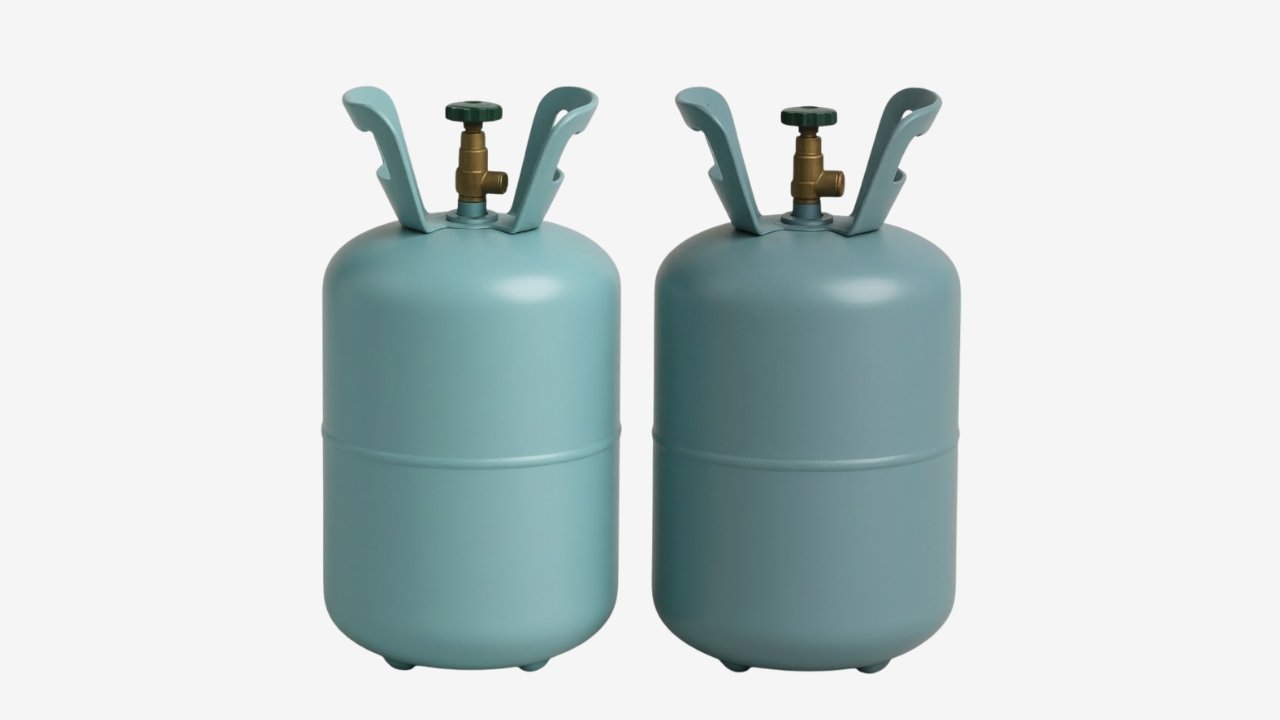
The refrigerant is the “blood” of the chiller system. It is a special chemical substance. In the evaporator, it absorbs the heat from the chilled water and evaporates into a gas from a low-temperature liquid. In the condenser, it releases the heat to the external air or water and condenses back into a liquid.
Usually, insufficient refrigerant will lead to poor cooling efficiency, and excessive refrigerant will cause excessively high system pressure.
Common types of refrigerant include HFCs (such as R-134a and R-410A), HFOs (such as R-1234ze), and natural refrigerants (such as Ammonia, R-717). All the refrigerants must comply with Environmental Regulations and the requirements related to GWP (Global Warming Potential).
Water Pump
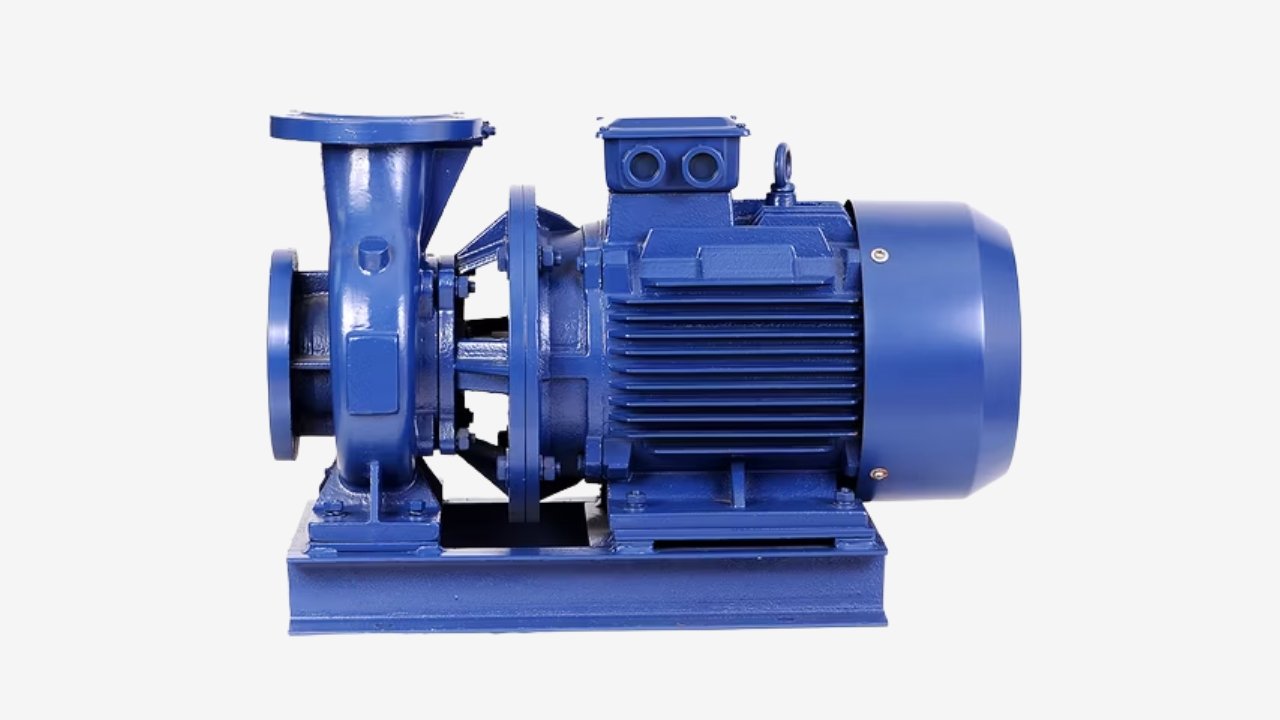
You can view the water pump as the “muscle” of the chiller system. It can be generally divided into two types: Chilled Water Pump (CHWP) and Condenser Water Pump (CWP).
The chilled water pump is always used in a closed-loop system. It connects the evaporator to the terminal equipment. It pushes the water from the evaporator to the areas that need cooling and then pumps it back to the evaporator to re-cool it.
The condenser water pump is only applied in water-cooled chillers, connecting the condenser and the cooling tower. It pumps the water absorbed by the condenser to the cooling tower and sends it back to the condenser after the water is cooled. This is usually an open-loop system.
Controller / PLC
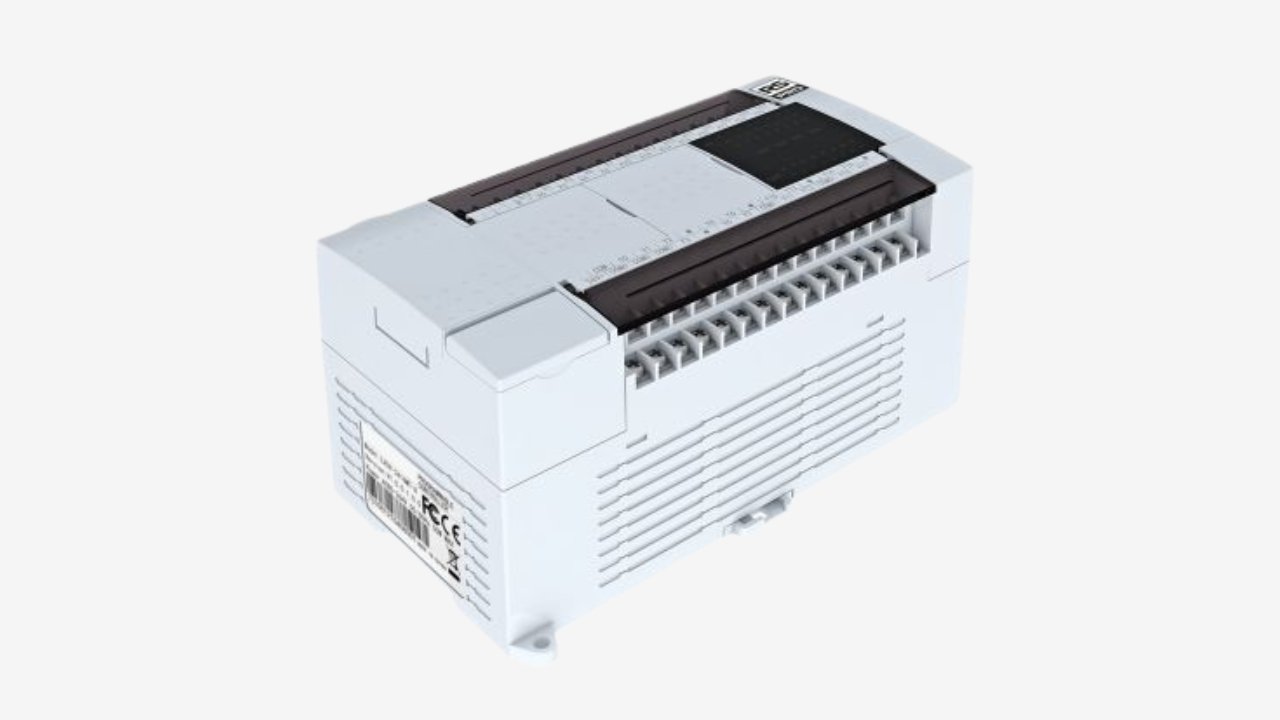
The Controller or PLC (Programmable Logic Controller) is the “brain” of the chiller that collects data from sensors and sends precise instructions to industrial chiller components. It has lots of functions, including:
- Calculates the required cooling capacity and adjusts the compressor speed.
- Acts as a safety monitor to shut down the compressor when it detects no water flow.
- Monitors abnormal conditions, such as high refrigerant pressure or low oil level, and displays error codes on the screen.
- Realize remote monitoring and centralized control.
Sensors
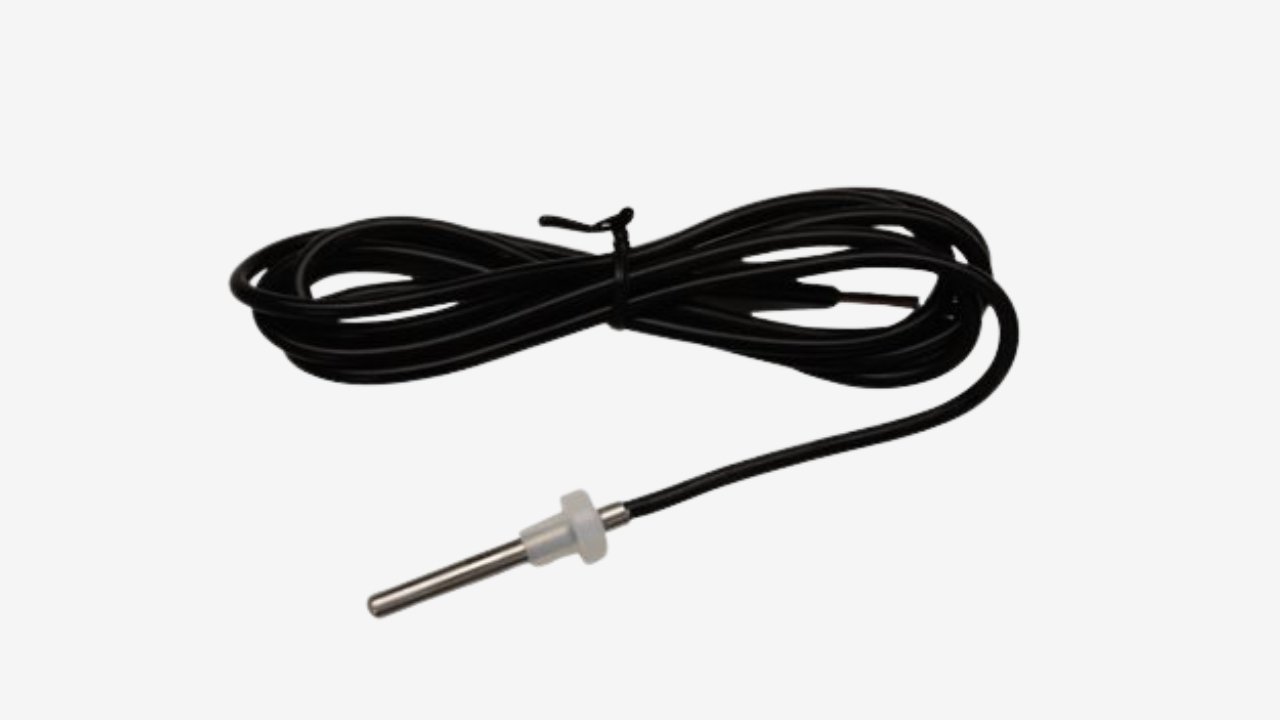
The sensors are the “senses” of the chiller system. They monitor key parameters inside and outside the chiller unit in real time, convert them into electrical signals, and then send them to the controller.
Various kinds of sensors play different roles in the chiller cooling process:
- Temperature Sensors: Monitors the temperature of cold water sent to buildings, the refrigerant gas entering and leaving the compressor, the return water from the cooling tower (for the water-cooled chiller), and the outdoor air temperature.
- Pressure Transducers: There are three pressure transducer types. High-pressure sensor monitors the pressure at the condenser end. The low-pressure sensor monitors the pressure at the evaporator end. The oil pressure sensor monitors the pressure of the compressor lubricating oil.
- Current Sensors / CTs: They are attached to the power line of the compressor to monitor the current consumed by the motor, preventing motor overload.
- Level Sensors: Monitor the liquid level in the storage tank and the water level in the cooling tower refill.
Filter Drier
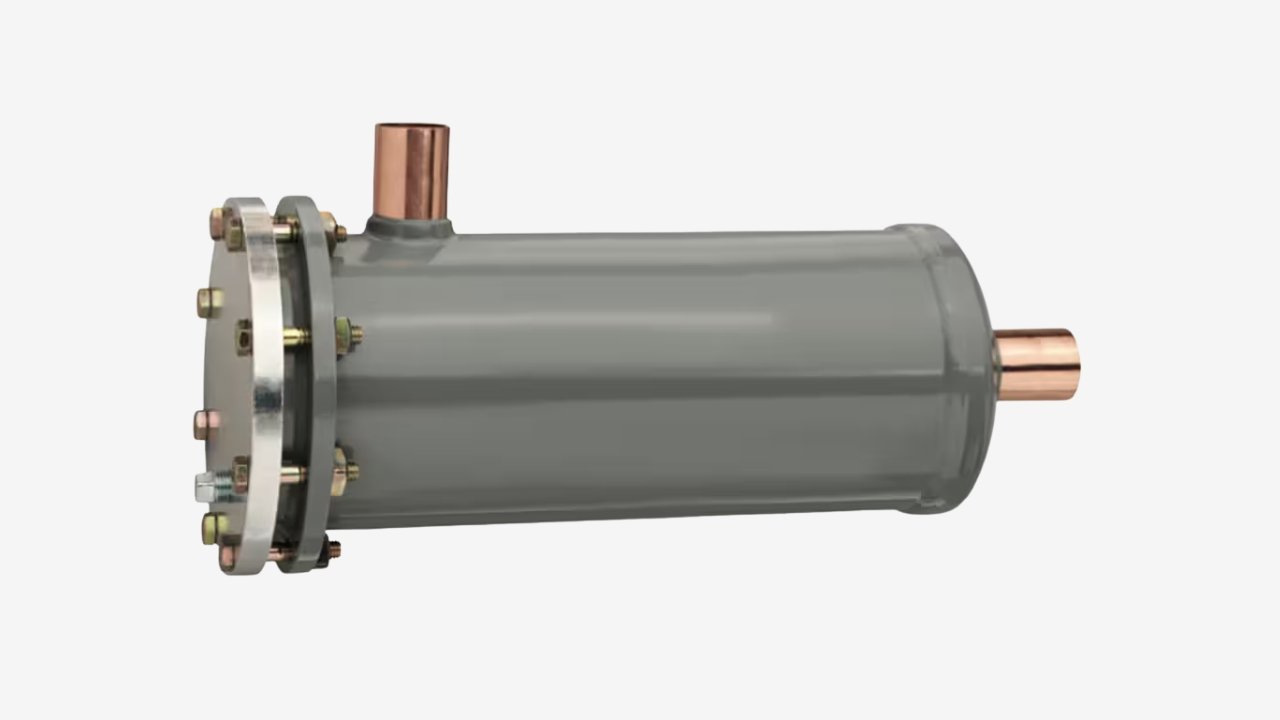
The filter drier is usually installed on the liquid line between the condenser and the expansion valve. It has two main functions: 1. Filter impurities to prevent clogging of the expansion valve or to scratch the bearings of the compressor. 2. Use desiccant to dry the moisture in the refrigerant.
Flow Switch
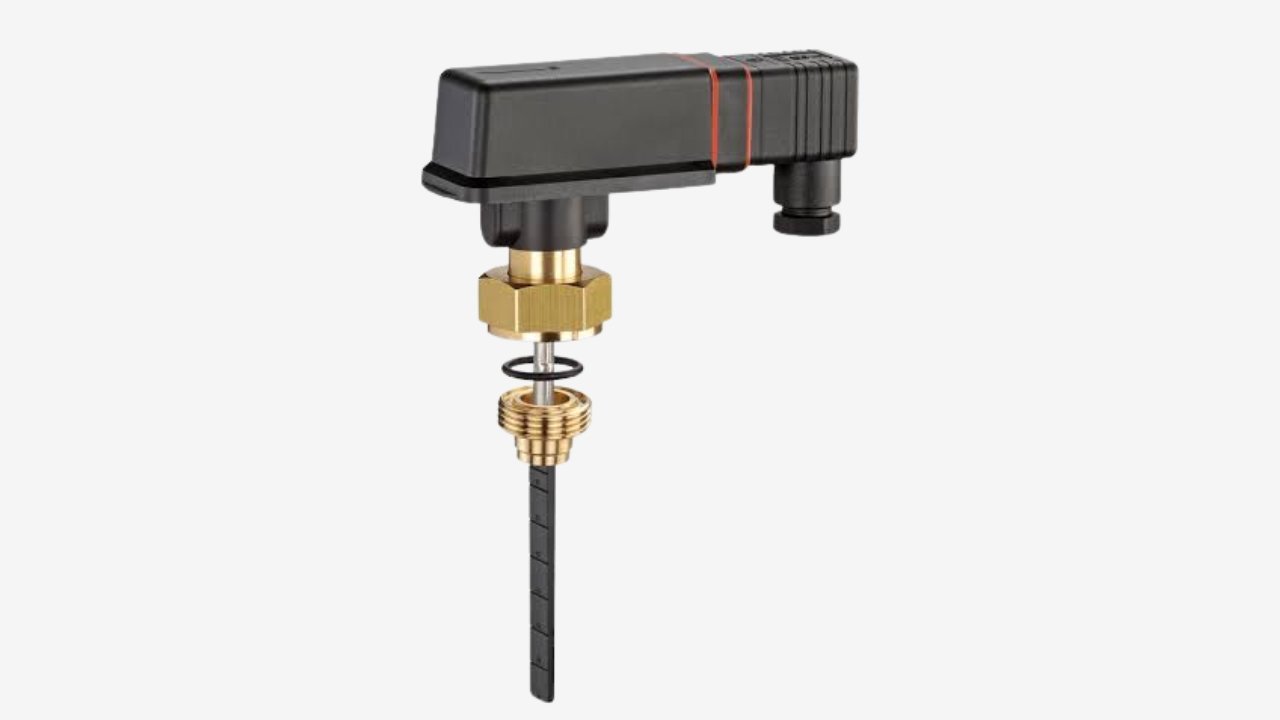
The flow switch is a very important safety protection device in the chiller system. It monitors whether there is sufficient water flowing in the pipeline and shuts down the compressor in time when the water flow stops.
Expansion Tank
The expansion tank is used to solve the expansion and contraction caused by changes in water temperature. When the water expands in volume when heated, the expansion tank can buffer the expansion capacity. When the water contracts during cooling, the expansion tank will replenish water in the system to avoid the pipeline sucking air.
Oil Separator
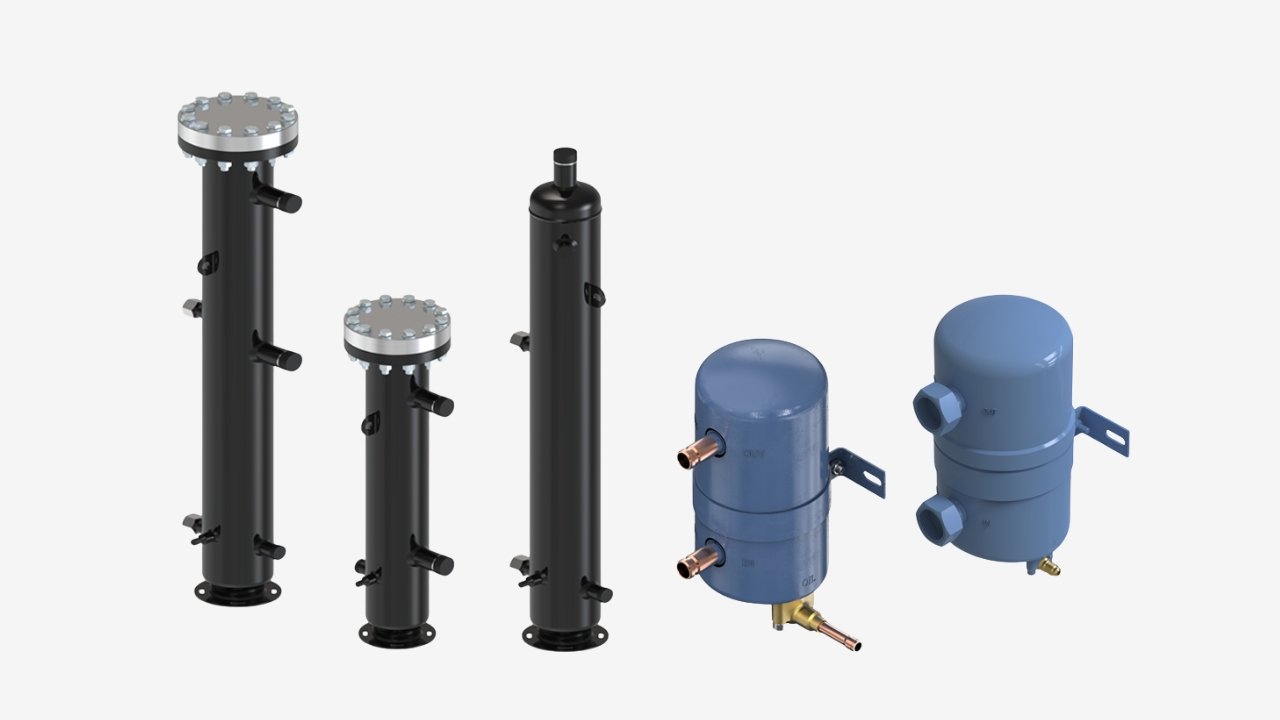
The oil separator is used to send the oil back to the crankcase of the compressor, preventing oil from flowing into the condenser or evaporator and reducing the heat exchange efficiency.
How Chiller Components Work Together in the Cooling Process

Generally, the cooling process of a chiller is a refrigeration cycle. You can view the process as four steps.
Step 1. Heat Absorption
The warm water enters the evaporator from the building. At the same time, the water pump transfers the water, and sensors monitor the incoming water temperature.
The low-temperature refrigerant absorbs the heat from the water, and then the cooled water is sent back into your building. The refrigerant becomes a low-pressure gas.
Step 2. Pressurization
The low-pressure refrigerant gas is sucked by the compressor and is forcefully compressed into a hot and high-pressure gas.
In this section, the controller (PLC) adjusts the compressor’s power based on the temperature requirements. The oil separator separates the lubricating oil and sends it back to the compressor.
Step 3. Heat Dissipation
The hot and high-pressure gas enters the condenser. Here, cooler external air or water flows over the condenser and absorbs the heat from the refrigerant, turning it back into a high-pressure liquid.
Step 4. Expansion / Throttling Process
The filter drier removes impurities and moisture from the liquid. The sensor monitors the temperature difference so that the high-pressure liquid refrigerant can be precisely sent into the expansion valve and then forced through a small hole into the low-pressure area. Therefore, the liquid returns to a low-temperature and low-pressure liquid and re-enters the evaporator to begin the next cycle.
FAQ

How to Identify Which Chiller Component Has Failed?
To troubleshoot chiller problems, you can check the control panel first because it will give the alarm signal directly.
You can also check the sensor data to examine the temperature difference between the component’s inlet and outlet. If the outlet is cooler, maybe the drying filter is clogged. If the temperature difference is almost zero, the expansion valve may be broken, or the compressor may not be working. You also need to take care of abnormal voices or phenomena like frosting or dirt.
How to Choose the Right Chiller Components for My Application?
Choosing appropriate components depends on your cooling requirements, operating environment, and budget. The compressor is the most expensive component. You can choose the type according to your industry scale. Air-cooled condensers are more suitable for water-deficient areas.
Except for the main components, you can also add some auxiliary parts to improve your chiller performance, like a VFD or EEV.
Can I Use an Air-Cooled Condenser to Replace a Water-Cooled Condenser?
Yes, but this is not a simple replacement, and you need to carefully consider the efficiency, capacity, electric charge, space, and installation. If you plan to replace a water-cooled condenser with an air-cooled one, it is recommended that you consult a professional refrigeration engineer for system re-matching calculations.
Why Do Some Chillers Use Glycol Instead of Pure Water?
Using a mixture of glycol and water instead of pure water can lower the freezing point of the coolant and protect system components from corrosion. Therefore, it is very necessary for outdoor chillers or chillers in cold climates. The chemical additives in the glycol can protect pipes, pumps, and heat exchangers from corrosion, scaling, and biofouling.
What are the Most Common Causes of High-Pressure Alarms?
Usually, the most common reasons for a high-pressure alarm are a dirty condenser cooling surface, excessive refrigerant filling, and non-condensable gas entering the system.
For air-cooled chillers, fan failure, excessive environmental temperature, poor ventilation, and closed-loop circulation can also cause high pressure. For water-cooled chillers, Insufficient cooling water flow, Cooling tower failure, or Excessive inlet water temperature can obstruct effective heat dissipation.
How Often Should I Clean the Chiller Tubes and Coils?
For air-cooled coils, we recommend that you clean them every 3-6 months. For water-cooled tubes, we recommend that you clean them once a year. For evaporator tubes, we recommend that you clean them every 2-3 years.
How Do I Detect A Refrigerant Leak?
To detect a refrigerant leak, you can take a visual check, including looking for possible oil stains, vaporizer bubbles, and frosting. To be more precise, you can use detection tools, such as electronic leak detectors or UV Dye, or apply a soap water test.
Final Thoughts
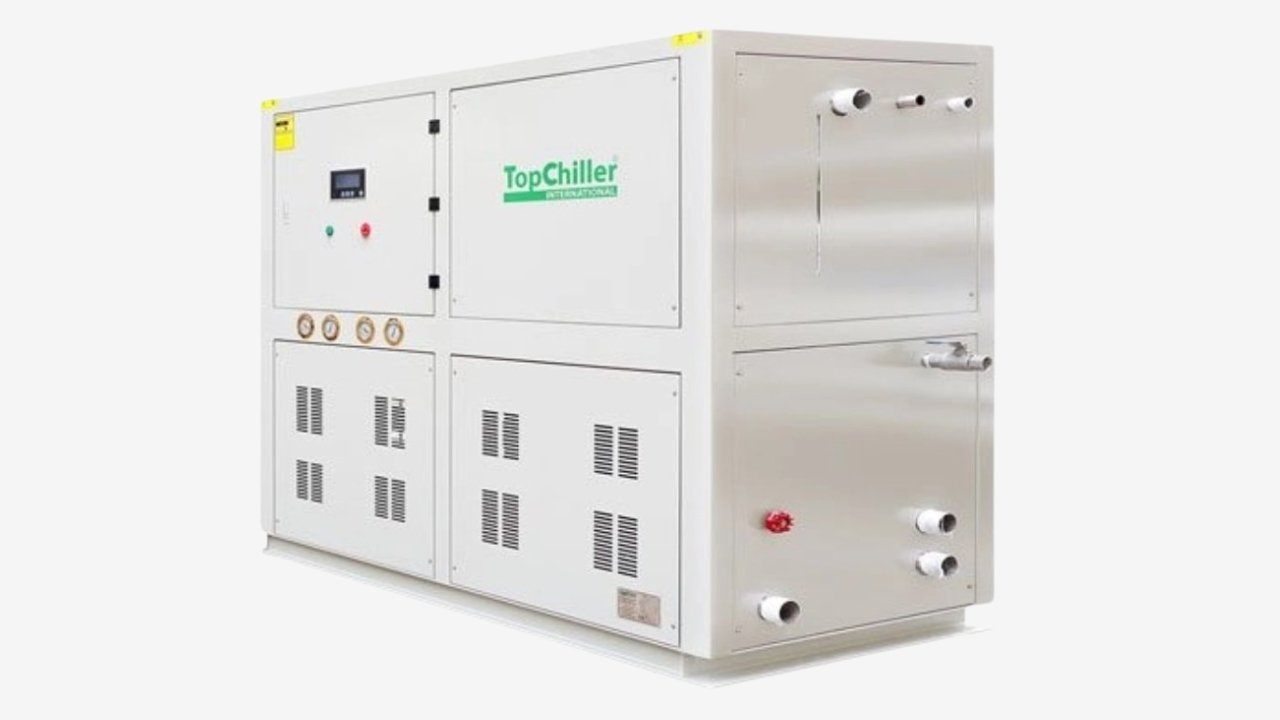
Understanding the role of each cooling component in the cooling process is crucial for achieving stable performance and long-term efficiency. For designing, Chillerone keeps optimizing our chiller components to ensure reliability and energy-saving effects. Contact us to especially customize the right configuration for your application.


 English
 Spanish
 Arabic
 Vietnamese

