


Chiller Solution to Match Laboratory Brand











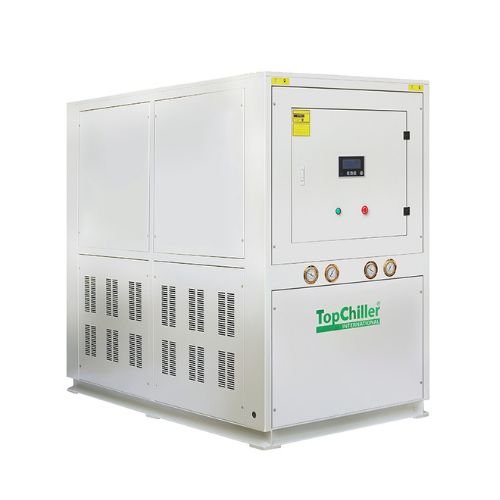
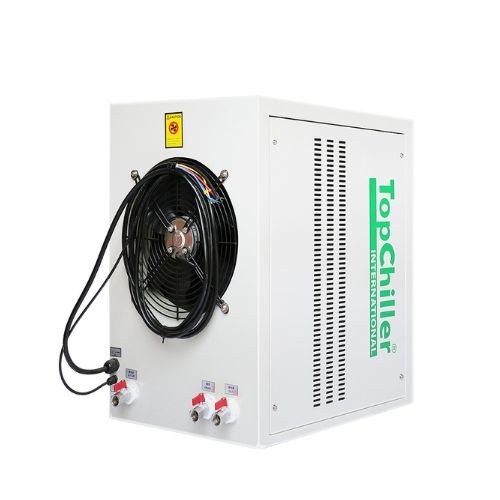
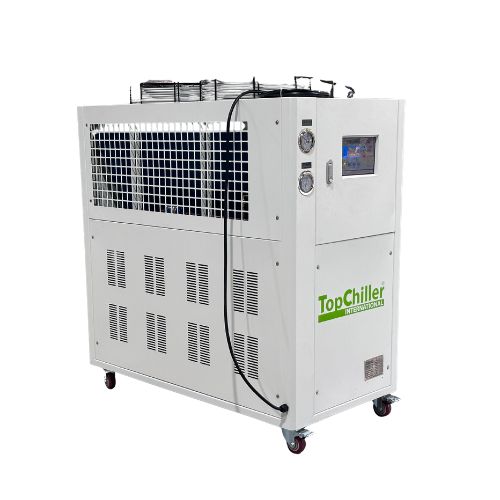
Professional Chiller for Laboratory: Purpose-Built to Solve Your Real Laboratory Cooling Challenges
- Temperature stability up to ±0.05°C to ±0.1°C.
- Support long-term, nonstop laboratory use.
- Industrial-grade components for high reliability and long service life.
- Automated alarms for over-temperature, low fluid levels, and high/low pressure.
- Digital interfaces for real-time monitoring.
What is a Chiller for Laboratory?
A laboratory water chiller, also called a laboratory recirculating chiller, is a cooling system specially used to remove heat from scientific equipment and samples. It provides precise temperature control and stability of the laboratory to ensure the stability of experimental results and prevent thermal drift in sensitive analytical instruments. Our laboratory chiller systems are professional cooling equipment that can dissipate the large amount of heat generated by high-power equipment, preventing the equipment from overheating and extending the lifespan of expensive equipment.
Laboratory Water Chiller Types—Easy Selection for Your Lab
Based on typical laboratory usage scenarios, we offer a variety of types of laboratory chillers to ensure the provision of the best cooling performance for different laboratory equipment.
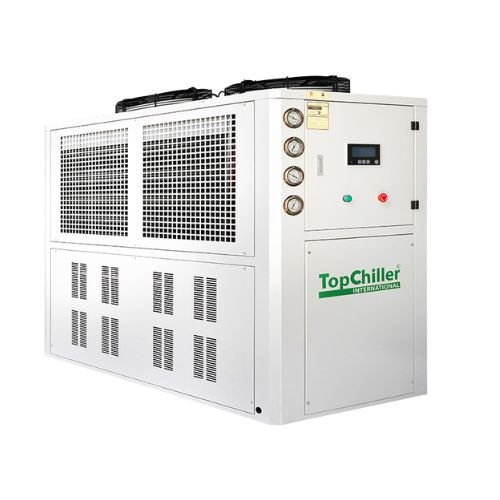
Uses fans to blow the surrounding air over the condenser coils to release heat. Only require a power connection and do not require additional piping facilities.
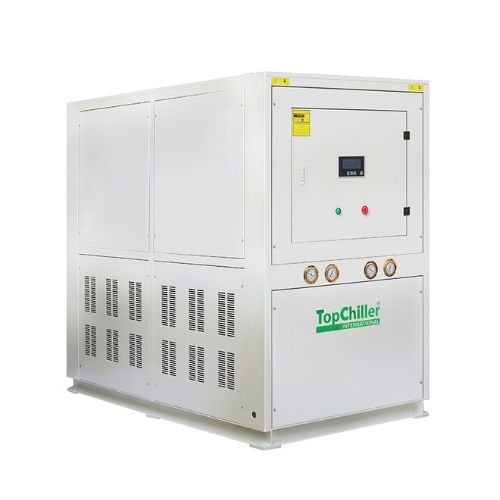
Transfers heat to the water supply pipes or cooling towers of the facility. More energy-efficient and quieter.
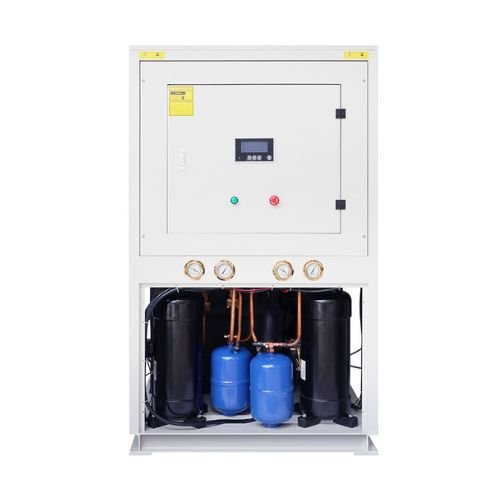
Provide continuous temperature-controlled liquid in a closed-loop system. Prevents contamination of the liquid.
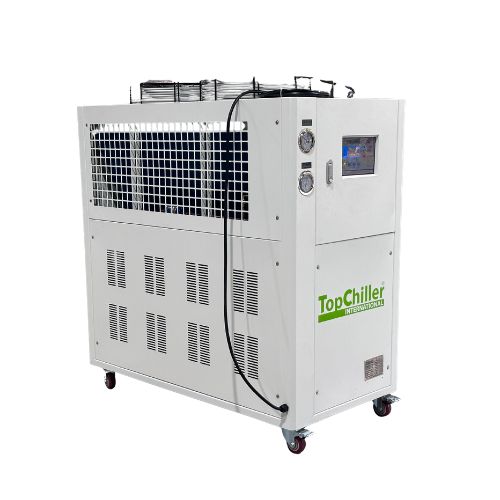
Composed of a cooling probe inserted directly into an existing liquid bath or container.
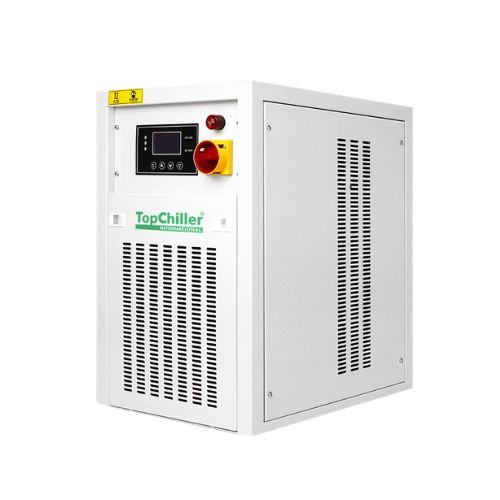
Specifically designed for applications requiring sub-zero temperatures, sometimes down to -90°C or lower, using liquids such as ethanol.
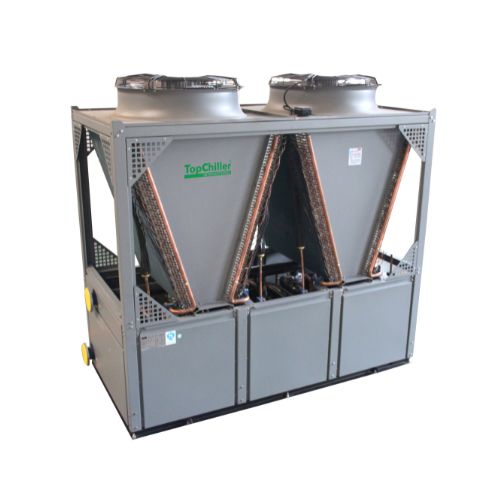
Use metallic beads to control temperature, eliminating the risk of waterborne contamination in sensitive biological samples.
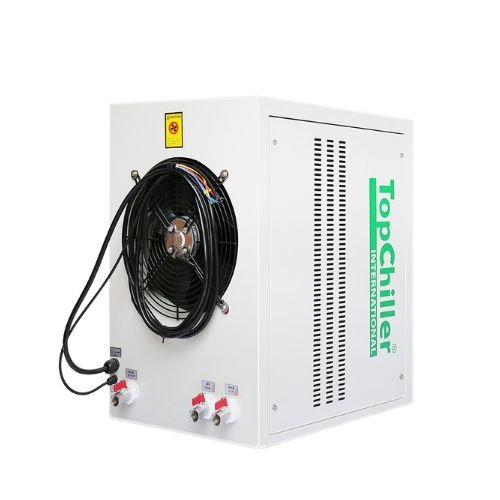
A compact device that can be directly installed on the laboratory workbench, suitable for small equipment.
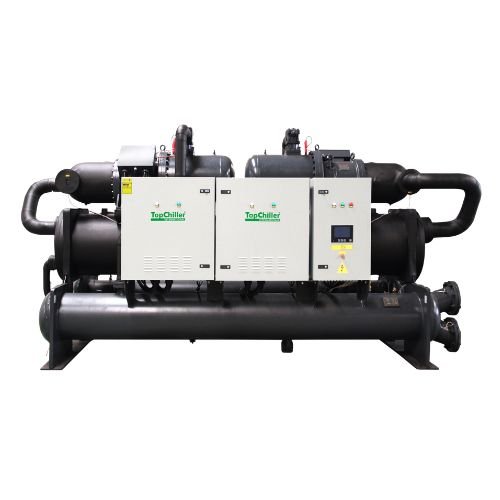
A larger and more capacity-laden device that is installed on the floor and is used to handle applications with higher cooling requirements.
Key Features of Our Chillers for Laboratory
Each function of our laboratory chillers is dedicated to achieving precise temperature control, long-term stability, and compatibility with precision laboratory equipment.

From small benchtop units (approx. 850W) to heavy-duty industrial systems exceeding 50kW. We customize the cooling capacity to meet your actuarial needs.

Maintain stable flow and pressure, ensuring consistent cooling performance for sensitive devices.

Has the functions of automatic fault shutdown, short-circuit protection, and leakage detection to protect the expensive laboratory equipment.

Employ a clean water circuit design, reducing contamination risk in sensitive laboratory systems

Apply environmentally friendly refrigerant and energy-saving components, minimize the impact on the environment, and reduce operating costs.

Display the temperature, alarms, and system status clearly. Easy for operators to understand.

Apply a space-saving footprint design to adapt to benches or lab rooms, solving the problem of tight laboratory space.

Specially designed for low-noise operation to avoid affecting the long-term working environment of the experiment personnel.
Stable Cooling Under Variable Heat Load
To avoid the frequent turning on and off problem, we adopt advanced control technologies, which can dynamically match the cooling capacity of the chiller for laboratory with the constantly changing heat output of the connected equipment. For example, the application of the variable frequency drive enables the scroll compressor to accelerate or decelerate according to real-time demands. The Proportional-Integral-Derivative controllers can monitor temperature sensors and precisely calculate the cooling capacity required to maintain the setpoint. The electronic expansion valve can precisely regulate the refrigerant flow to manage different loads. We can customize the function according to your laboratory conditions.
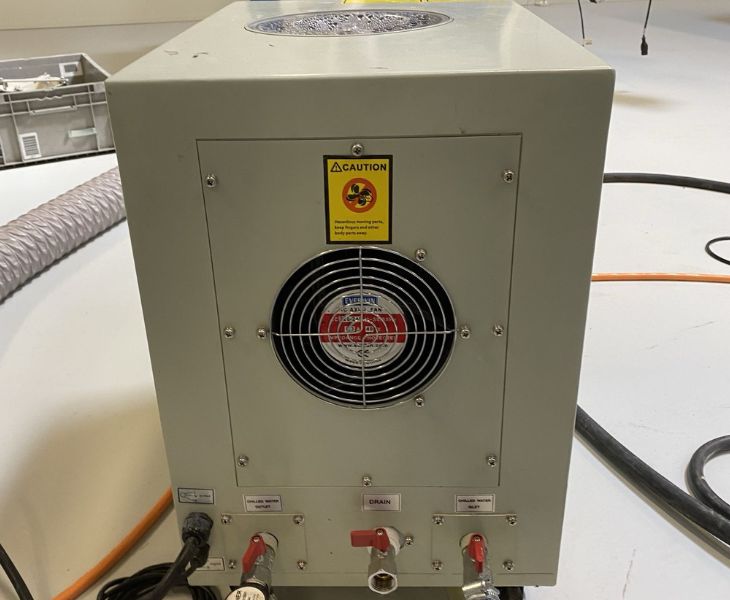
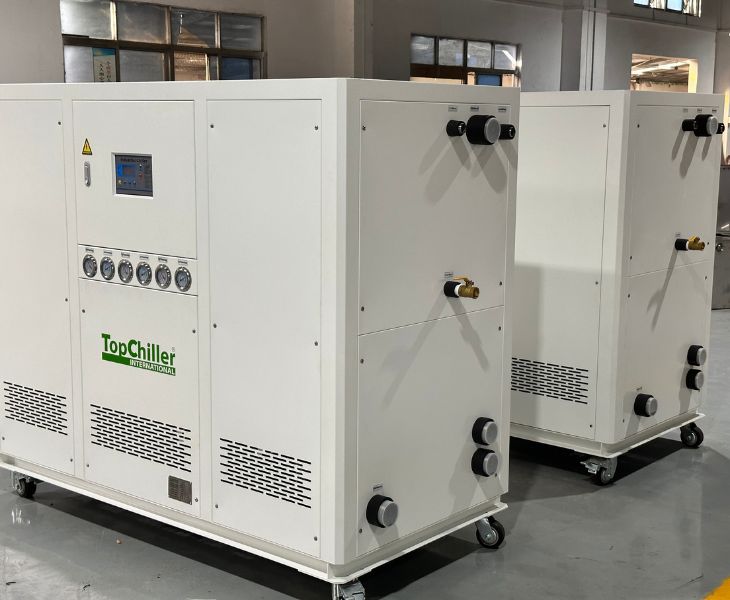
Compatible with a Wide Range of Laboratory Equipment
Our high-precision laboratory water chiller can adapt to most laboratories. Through flexible physical connections (such as modular fittings and bypass valves), adjustable hydraulic parameters (variable speed pumps and multi-fluid compatibility), and intelligent communication protocols (digital interfacing, software integration, and Laboratory Information Management System), our chillers for laboratory can support a wide range of equipment, from small rotary evaporators to large nuclear magnetic resonance spectrometers.
Reliable Performance for Long-Term Equipment Operation
Given that many laboratory operations (such as chemical synthesis or stability testing) are carried out continuously for weeks or months without interruption, Chillerone chillers for laboratory always focus on adopting heavy-duty component engineering design, active protection systems, and structures that are easy to maintain.
We employ vortex compressors to reduce mechanical wear and vibration over the long term. To prevent internal blockages or leaks, critical paths are made of stainless steel, copper, or advanced polymers. Besides, to ensure easy maintenance, we apply easy-access filters and self-diagnostics.
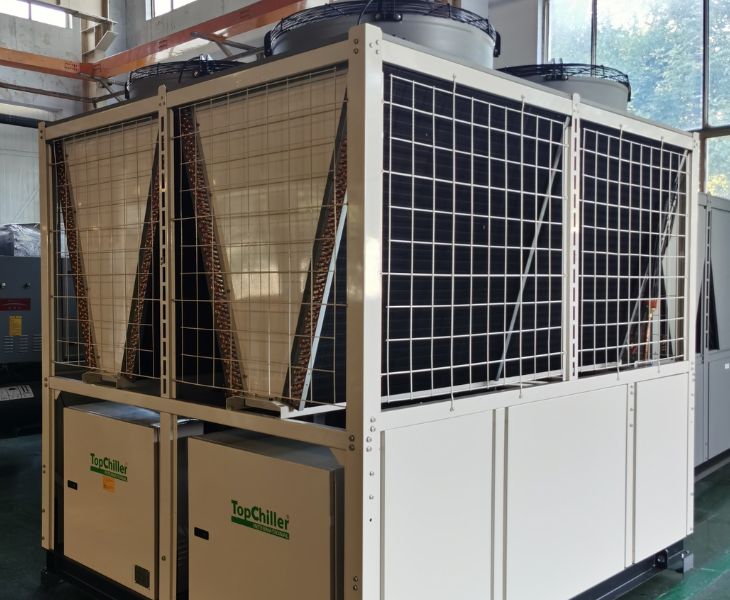
Chillerone—Reliable Laboratory Cooling Solutions Supplier for Global Producers
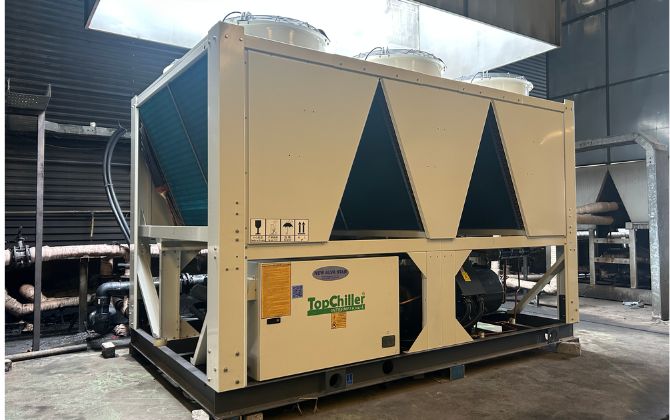
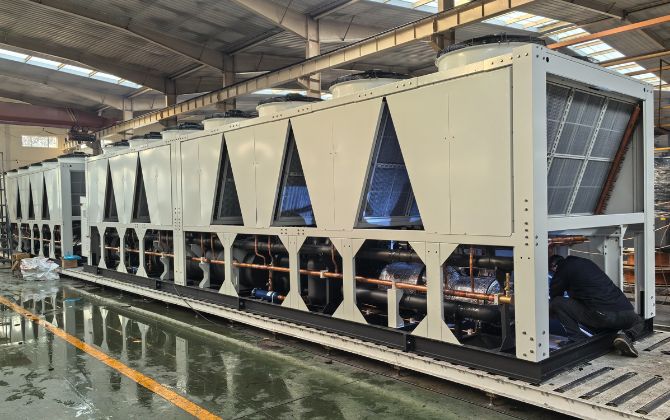
For the past two decades, Chillerone has been dedicated to providing reliable chillers for laboratory to global users. Our business covers more than 75 countries around the world, and our international market share exceeds 80%. The chillers we offer are not confined to standard forms. We adhere to customizing designs and providing support based on the actual experimental environment of our clients, helping them achieve higher efficiency and safety levels in high-load laboratory applications.
Reliable Certification
Certified to global safety and quality norms, the laboratory chillers ensure fully compliant and high-precision operation for scientific research use.


Laboratory Water Chiller Applications Across Research and Testing
Different laboratory instruments and research procedures have different requirements for cooling stability and operating conditions. Our chillers for laboratory support various laboratory applications, providing stable cooling performance for different laboratory research configurations.
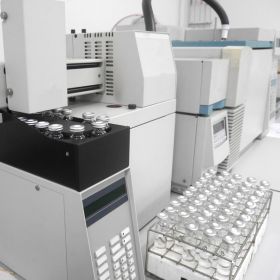
The internal electronic components and light sources of high-precision instruments generate a large amount of heat. A chiller for sensitive laboratory instruments can prevent thermal deviations, ensuring the accuracy of the measurement results.
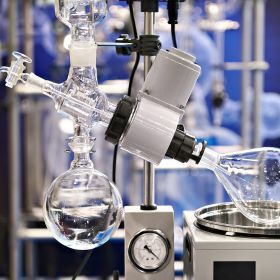
In evaporation and distillation, the laboratory water chiller replaces the wasteful method of using tap water for cooling. A chiller for a rotary evaporator can efficiently condense solvent vapor, provide continuous cooling for long-term fat and lipid extraction, and help separate chemical substances according to their boiling points.
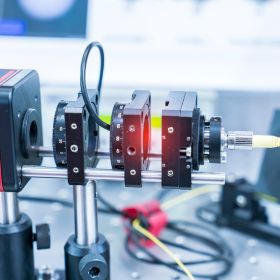
The laboratory chiller for the laser system is sensitive to temperature control. The laboratory water chiller helps maintain stable output and protect sensitive optical components, which is ideal for the precise cooling of laboratory lasers and optical systems.
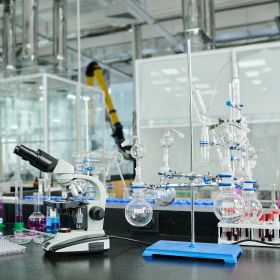
Our laboratory water chillers are specifically designed for long-term and continuous laboratory operations, suitable for academic research and experimental platforms that need long-term, stable cooling solutions.

In biotechnology and life science laboratories, our specially designed chillers can ensure stable operating conditions for sensitive experiments. The specially designed laboratory chiller for biotech applications is ideal for temperature control of laboratory instruments used in biotechnology research.
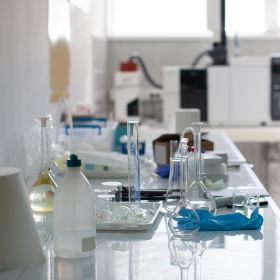
Our heavy-duty laboratory water chillers are commonly employed in industries such as electronics, chemistry, and materials. They are industrial-grade lab chillers that can provide cooling technology for testing and verifying industrial products in laboratory settings

If the laboratory chiller is not reaching set temperature, you can check these three aspects:
- If the filter is blocked by dirt
- If the laboratory temperature is too high (above 30°C/86°F)
- If the heat dissipation capacity of the equipment exceeds the power output of the chiller.
All of these can cause a failure. You can contact us and get remote or on-site help to solve these problems.
For daily lab chiller troubleshooting, we recommend that you check the fluid levels and clean air filters every month. Check hoses for leaks and algae quarterly. Check the pump seals and discharge and replace the coolant annually.
Yes, this depends on the overall cooling load and flow requirements. We can assist in evaluating whether a single laboratory chiller can meet the usage needs of multiple devices or recommend an appropriate configuration plan if you have such a requirement.
Yes. We especially design laboratory water chillers that are suitable for an indoor environment, which have compact structures and low-noise operation.
The installation requirements are very simple and are similar to those of standard laboratory equipment. Basic ventilation, power supply, and water supply facilities are necessary. Each device comes with detailed installation instructions, and our professional engineers will also provide overall guidance.
Generally, the installation steps of a laboratory chiller include site preparation, placing the chiller, connecting the cooling fluid pipelines, electrical connection, and initial setup and calibration.
See the Laboratory Chiller in Action
Watch how the laboratory chiller delivers stable temperature control, fast cooling response, and reliable performance in real industrial working conditions.
What is the Operation Principle of a Chiller for Laboratory?
The working principle of the laboratory chiller is based on a vapor-compression refrigeration cycle. Through this cycle, the heat from the equipment is continuously transferred to the external environment.
To begin, a water pump circulates a low-temperature liquid (usually a mixture of water and glycerol) through your instrument and absorbs the heat. These warmed liquids then return to the evaporator of the chiller and transfer the heat to a chemical refrigerant. The refrigerant evaporates into a gas and is pressurized by the scroll or screw compressor to further increase its temperature. The pressurized gas passes through the condenser, where the heat is ultimately released into the air or the water supply pipeline of the facility. After releasing all the heat, the refrigerant cools back to a liquid state, passes through the expansion valve to reduce pressure, and returns to the evaporator to start a new cycle.
Why Do You Need a Chiller for Laboratory?
Laboratory cooling equipment is not merely an auxiliary device, but also a crucial component for maintaining the integrity of experiments and protecting precision instruments. However, many laboratories often overlook the issue of cooling, leading to various unexpected equipment failures.
Unstable Experimental Results
Without a temperature control chiller for laboratory, fluctuations in temperature would directly affect the reaction rate, measurement results, and instrument performance. This would lead to inconsistent experimental data and poor reproducibility of the experimental results.
Overheating of Sensitive Laboratory Equipment
Laboratory instruments generate continuous heat during operation. Without the proper cooling of a laboratory chiller, the internal components may overheat, resulting in reduced performance or unexpected shutdowns.
Higher Maintenance Costs
The components will be quicker worn if the laboratory equipment operates at an unrecommended temperature range. This will result in increased maintenance frequency and higher replacement costs in the long term.
Temperature Drift Under Variable Heat Loads
In laboratory applications, the heat load usually changes during the experiment.
Without a cooler specifically designed for the laboratory, temperature drift is inevitable. This may lead to the overlooking of distorted data.
Limited Scalability for Future Experiments
As laboratory equipment continues to improve, the cooling requirements also increase. Without a flexible laboratory cooling chiller solution, it would be very difficult to adapt to the new equipment.
How to Choose a Chiller for Laboratory?
To select the appropriate laboratory chiller, you first need to determine the cooling capacity of the laboratory chiller. Calculate the heat load of the equipment and choose a unit with a safety factor of 20% to 50% to ensure it can handle peak demands. Next, you need to match the temperature range and stability based on the sensitivity of the experiment while ensuring that the pump flow and pressure (PSI) are compatible with the instrument’s piping system to avoid damaging the internal seals. Finally, selecting the heat dissipation method is also important. This depends on the laboratory’s infrastructure conditions. Consider whether to choose an independent air-cooled type of equipment for easy installation or a water-cooled type of equipment to achieve quieter and higher-capacity operation within a limited space.
Except for the above factors, the footprint, noise, and various additional function options should also be included. If you are not sure how to make a choice, contact us to get a tailored lab chiller selection guide for you.
How to Determine the Laboratory Chiller Sizing
Laboratory chiller cooling capacity calculation needs you to calculate the heat generated by the equipment and then select a chiller that can remove this heat and leave a safety margin.
If you know the flow rate and the temperature change of the water entering and leaving your equipment, you can calculate with the standard heat transfer formula: 𝑄=𝑚̇⋅𝐶𝑝⋅Δ𝑇.
You can use your equipment using a temporary water source and measure the temperature of the incoming water as well as the outgoing water, and use a graduated cylinder and a stopwatch to measure the volume of liquid your equipment can pass through per minute.
Finally, don’t forget to add a safety factor to ensure your lab’s electrical outlet can support the compressor’s power draw and future extension.
Considering the complexity and the strict standard of food safety, the best and easiest way is to communicate with our engineering experts, who use professional software and profound experience to precisely calculate the load, ensuring that the final cooling system complies with all operational and regulatory standards.
Custom Options of Our Chiller for Laboratory
Control System
- PLC or BMS Integration
- Communication Interfaces
- MCS microcontroller upgrade option
- Remote monitoring/alerts
- Programmable ramp settings
- Digital flowmeters
- Dynamic variable humidity control
- Data logging
- Optical fluid levels
- Display Options
Safety Function
- Safety switches
- Low-ambient protection
- Fused disconnect
- Circuit breakers
- Condenser Type
- Outdoor Installation Packages
- Automatic shutdown
- Leak detection
- Anti-Backflow/Anti-Siphon
- Hot Gas Bypass
- Filtration
- Fluid Compatibility
- Non-marring casters
Pump Types
- Centrifugal pump
- Turbine pump
- Positive Displacement
- Magnetic Drive (Mag-Drive)
Energy Efficiency
- EC condenser fan motors
- Electronic Expansion Valves (EEVs)
- Glycol/Antifreeze systems
- Floating head pressure
- Heat recovery systems
- Heater Integration
- Pump Variable Frequency Drives (VFDs)
Various Components
- Vortex compressors
- Digital flow meters
- Microchannel heat exchangers
- Plate-type heat exchanger
- Stainless steel reservoirs
- External Pressure Relief Valves
- Phase monitor
- Acoustic enclosures


 English
 Spanish
 Arabic
 Vietnamese

