

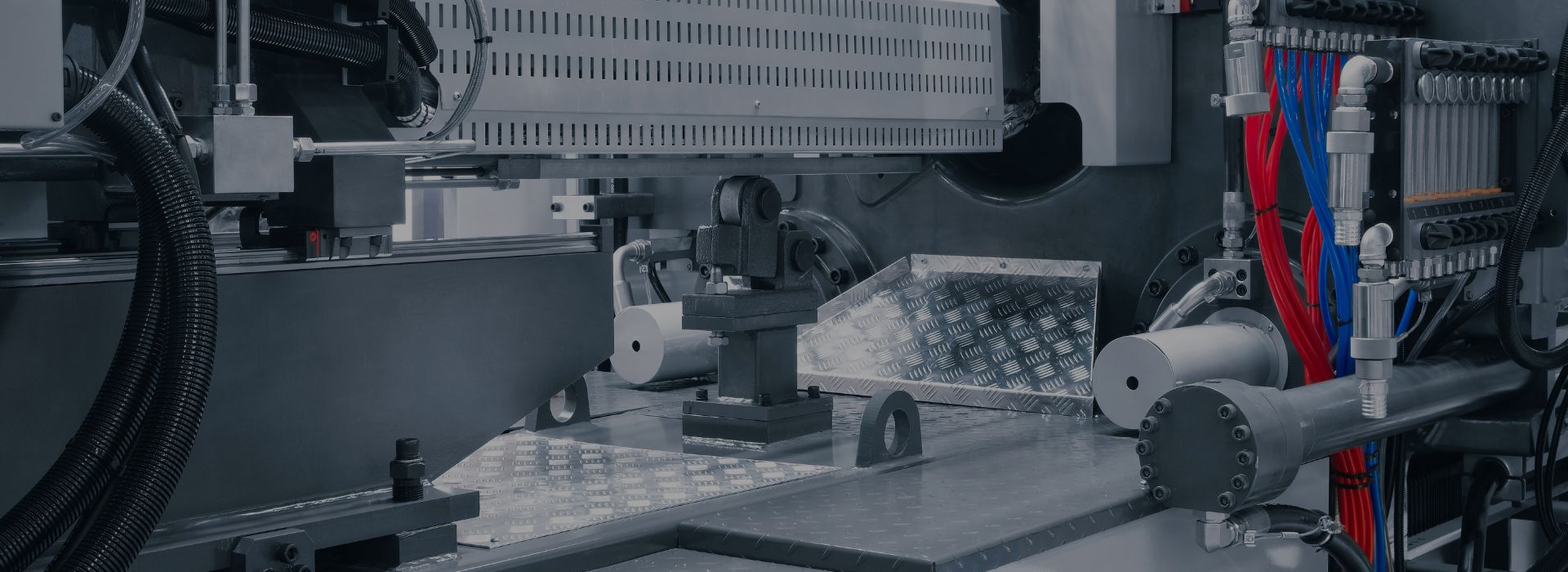
Chiller Solution to Match Machine Cooling Brand









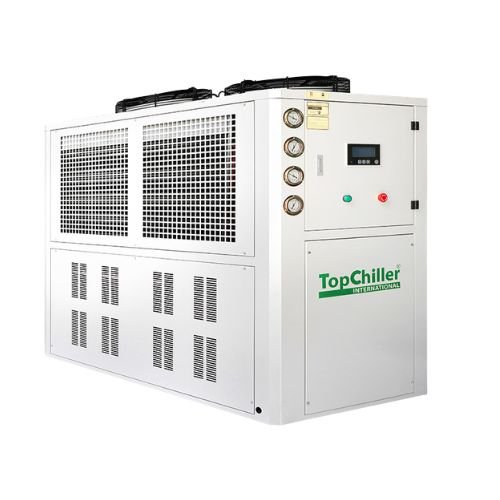
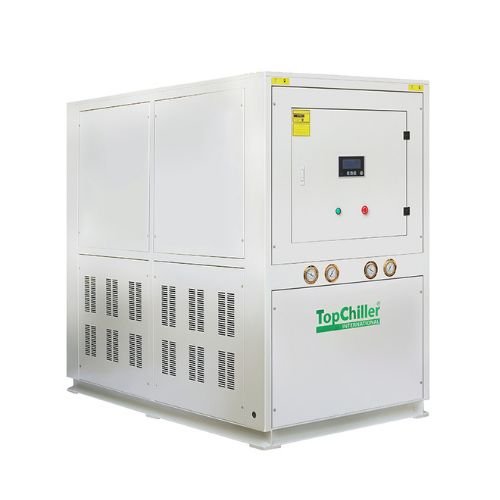
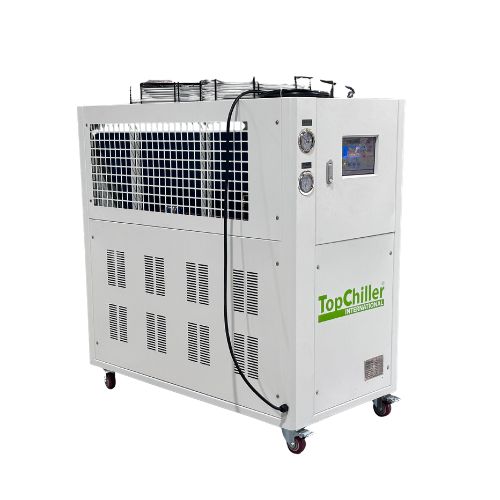
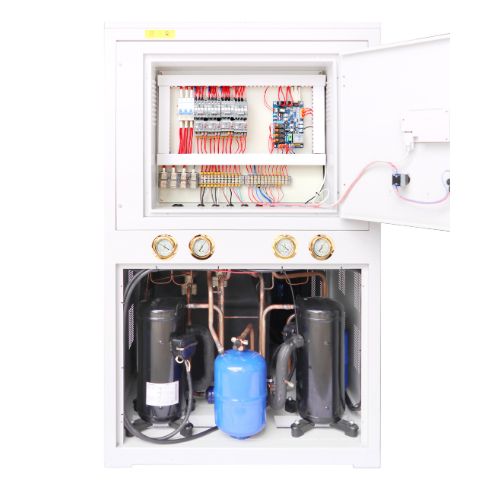
Energy-Efficient Chiller for Machine Cooling: Ensure Stable Cooling for Continuous Machine Operation
- Reliable operation in harsh industrial environments.
- Stable outlet water temperature for consistent machine performance.
- Prevents thermal stress and overheating failures.
- Easily integrate with existing machine systems.
- Reliable compressors and heat exchangers for long service life
- Cooling capacity, voltage, refrigerant, and pump pressure tailored to your machine
What is a Chiller for Machine Cooling?
A chiller for machine cooling is an industrial equipment heat removal system that can be used in high localized heat applications. It is a closed-loop industrial system whose function is to remove the excessive heat generated by industrial machinery to maintain a stable operating temperature. Unlike the standard building HVAC systems that focus on human comfort, our specialized machine cooling chillers can provide precise temperature control to protect sensitive components inside and ensure the stability of production quality, ideal for handling the high localized heat generated through friction, electrical processes, or lasers.
Tailored Chiller for Machine Cooling Types for Industrial Machine Cooling
Depending on the type of machine, the amount of heat generated, and the operating conditions, we offer a variety of types of machine cooling chillers and can customize them according to the requirements to ensure reliable cooling performance and long-term protection of the equipment.
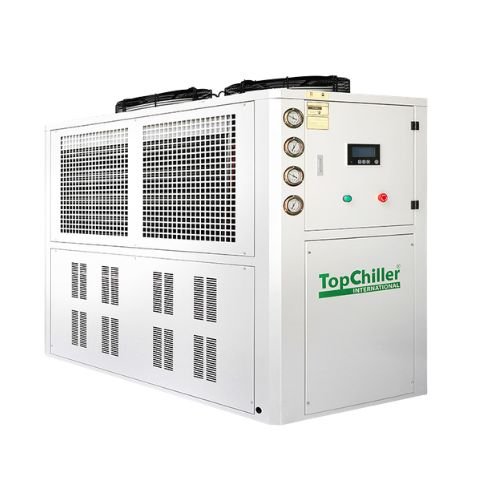
Uses ambient air to dissipate heat from industrial equipment. Use mechanical fans and condenser coils to reject heat.
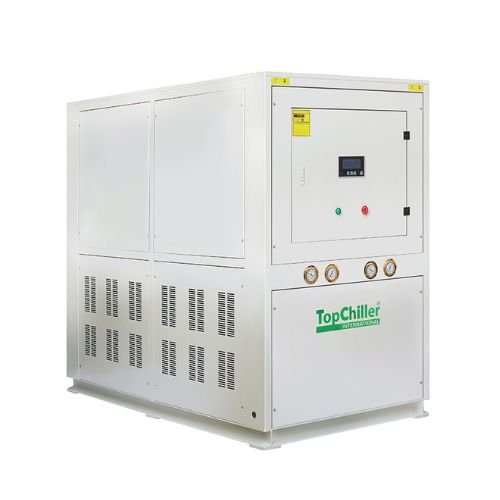
Uses water to dissipate heat from your machine. Transfer that heat into a separate water loop, which is typically connected to a cooling tower.
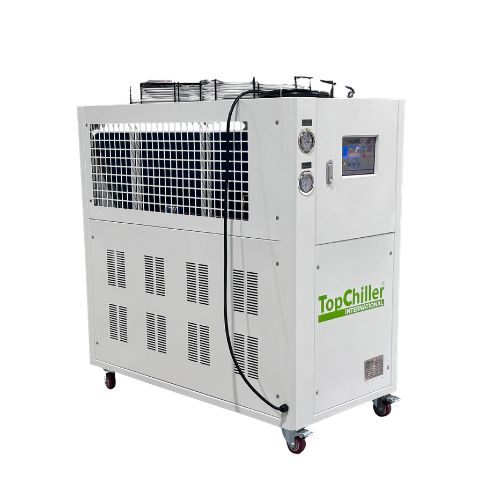
Self-contained and compact. Plug-and-play design that houses all necessary components within a single footprint.
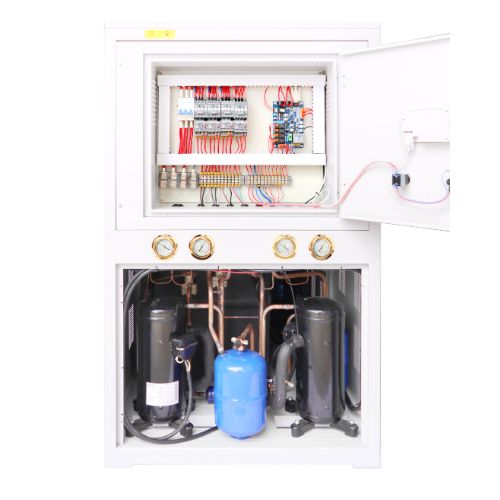
Circulate a mixture of water and glycol to cool industrial machinery at temperatures that would freeze plain water. Ideal for sub-zero conditions.
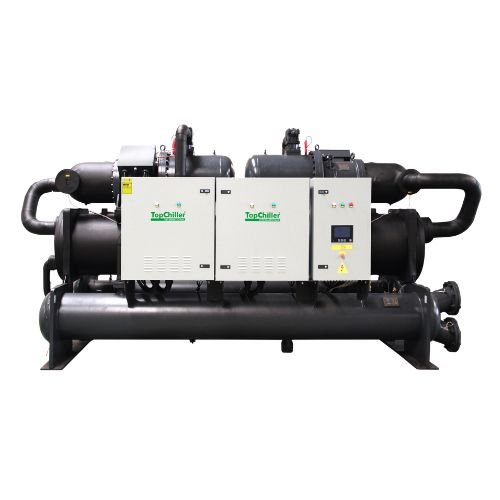
Match real-time machine heat generation, ideal for continuous process heat removal, such as plastics, packaging, and automated production lines.
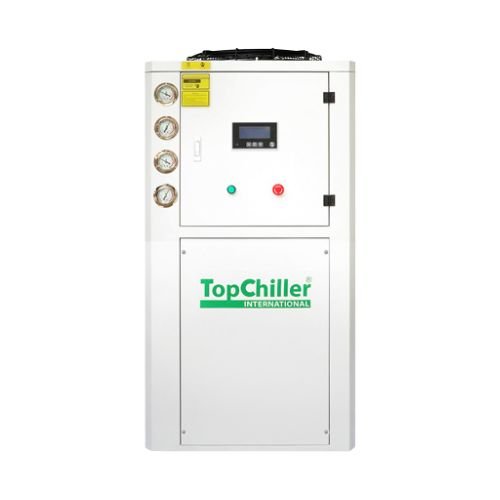
Have especially high precision, ideal for sensitive processes, such as CNC, laser cutting, and high-precision equipment.
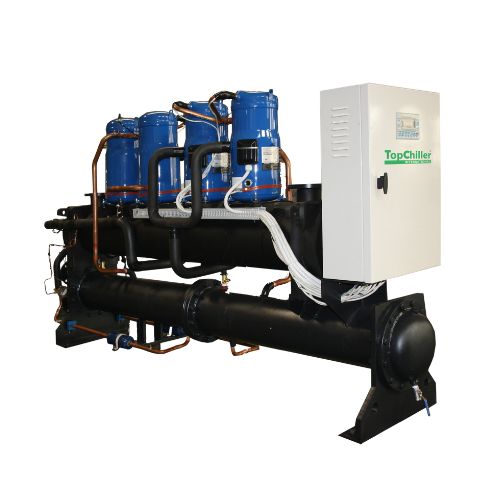
A large-scale, plant-level system designed to provide consistent cooling for multiple machines or entire production lines.
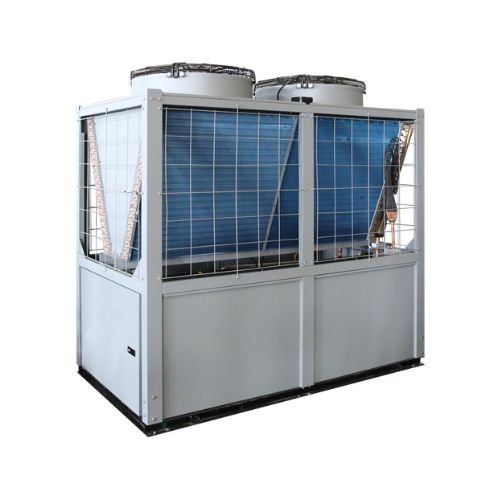
Use a heat source, such as waste heat, steam, or hot water, instead of an electric compressor to drive the cooling process.
Key Features of Chiller for Machine Cooling That Keep Your Facilities Running
Our chillers feature stable cooling performance, precise control, and robust components, which ensure that the related equipment can operate stably and reliably.

Ensure a stable cooling under variable load conditions. Prevents overheating and unexpected shutdowns.

IoT-enabled industrial chiller monitoring. Built-in microprocessor and sensors monitor pressure, flow and vibration conditions. Real-time alerts.

Dual-circuit redundant chiller system, equipped with dual refrigeration circuits or auto-changeover pumps. Continuous operation if a certain component fails.

Glycol and oil-compatible industrial chiller. Able to handle glycol for below-freezing cooling (down to -40°F) or oil for machine tool cooling to prevent premature failure.

High-efficiency scroll or screw compressors, water pumps, and heat exchangers from famous brands. Extended service life and reduced failure rate.

Stable operation in challenging industrial settings, such as dusty, high-temperature, or factory-floor conditions.

Simple structure and easy access for routine maintenance, reducing downtime and service costs.

PLC and BMS compatible cooling system. Modular chiller that supports flexible pipe and system connection methods, easy to extend and upgrade.
Engineered to Match Real Machine Cooling Requirements
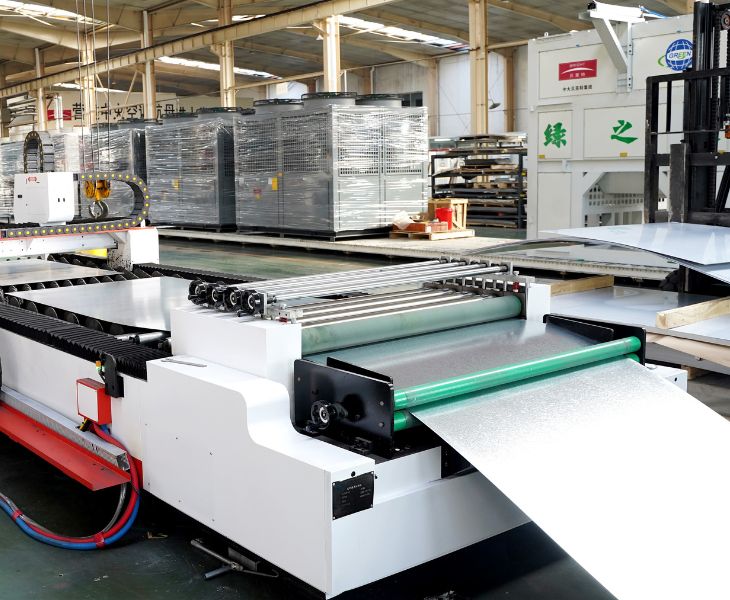
Instead of standard chillers, our chiller for machine cooling is specifically designed to meet the actual cooling requirements of the machinery. Our engineers first conduct an accurate heat load calculation to avoid improper industrial cooling load sizing. Then we match capacity to your exact operating conditions. Besides, we customize the hardware according to your specific needs. For example, for machines that use deionized water or corrosive liquids, we apply internal components made of stainless steel, plastic, or special metals to prevent corrosion. The integration with machine-to-machine (M2M) communication protocols is also available for remote monitoring.
Industrial-Grade Reliability with Low Maintenance
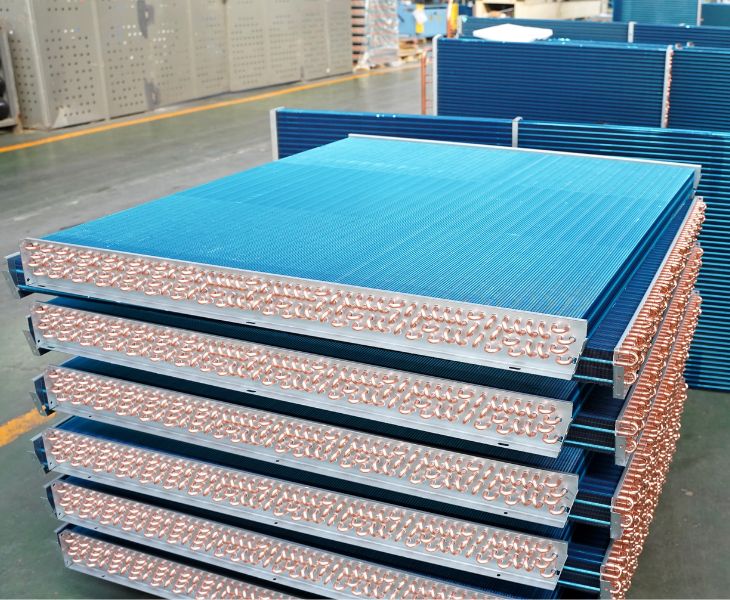
Our modern chiller for machine cooling employs sealed compressors and refrigerant circulation systems to prevent leaks and eliminate the need for regular refrigerant replenishment. To minimize maintenance issues caused by scaling or rusting, key components such as evaporators and heat exchangers are typically made of stainless steel or special non-ferrous metals. Technologies such as screw compressors or magnetic bearings have fewer mechanical components, which fundamentally reduces friction, wear, and the frequency of required lubricant replacements. The intelligent controllers and IoT sensors can monitor pressure, temperature, and vibration conditions in real time, preventing equipment downtime.
Flexible Configuration for Different Machines and Systems
Chillerone chiller for machine cooling achieves flexible configuration through a modular chiller design, customizable internal components, and flexible system layout, enabling them to seamlessly integrate with various industrial applications. As your facility expands or the seasonal cooling demands change, you can add or remove modules. Efficient modular equipment typically requires only one power supply and pipeline connection, simplifying large-capacity installations. Based on the unique operating environment, we offer customizable corresponding hardware. Some flexible configurations also include the communication methods of the chiller and the adjustment methods for the system.
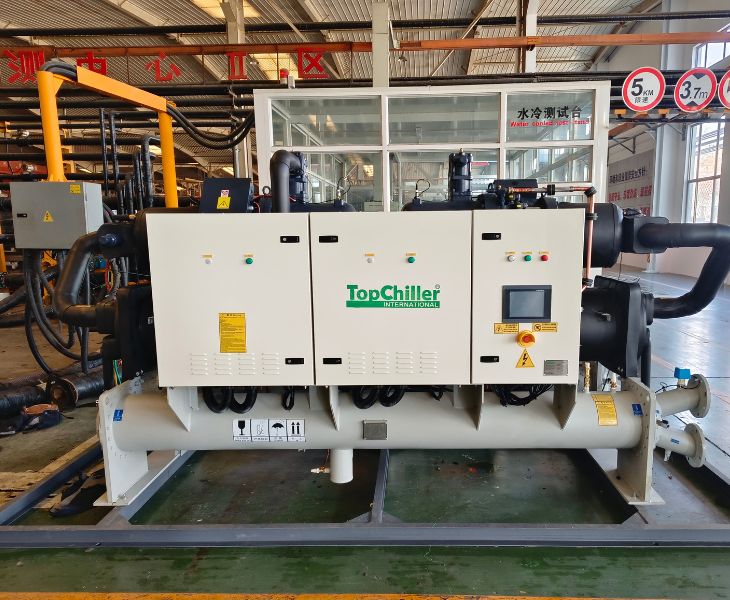
Chillerone—Your Global Partner in Industrial Process Cooling Systems
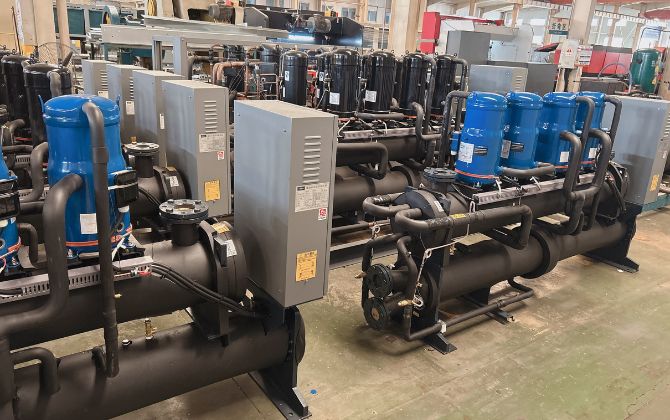
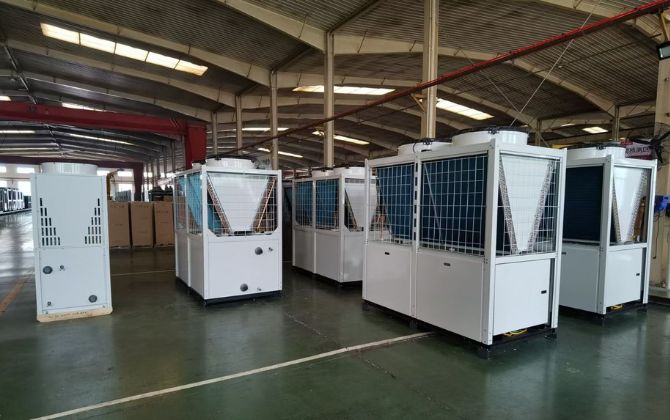
With 20 years of professional experience, Chilenor Company designs and manufactures industrial chillers suitable for cooling equipment in various industries. We provide precision cooling systems to over 75 countries, and more than 80% of our product output serves the international market. Our approach goes beyond conventional configurations; by integrating advanced cooling technologies into your production line, we can help you enhance thermal management efficiency and ensure the stability of continuous high-yield production operations.
Reliable Certification
Our chillers for machine cooling are ISO and CE certified, complying with global standards to ensure safe and steady heat dissipation for industrial machinery.


Industrial Applications Requiring a Reliable Chiller for Machine Cooling
Our chillers are widely used as key components and system cooling elements in industrial machines. They help manufacturers maintain equipment performance, alleviate thermal stress, and ensure that production can continue in various machine cooling scenarios.
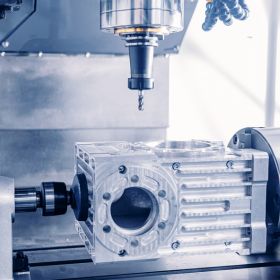
As a CNC spindle cooling system, a chiller for machine cooling can provide a machine tool thermal stability solution. It regulates the temperatures of the high-speed spindle, motor and cutting tools, preventing dimensional deviations caused by thermal expansion and premature wear of the tools.
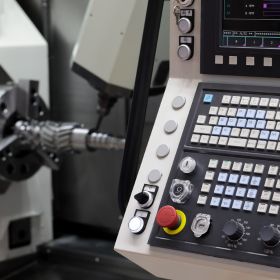
Chiller for machine cooling isideal for cooling spindles, cutting tools, and hydraulic systems, ensuring machining accuracy during long production cycles.
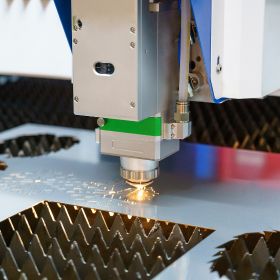
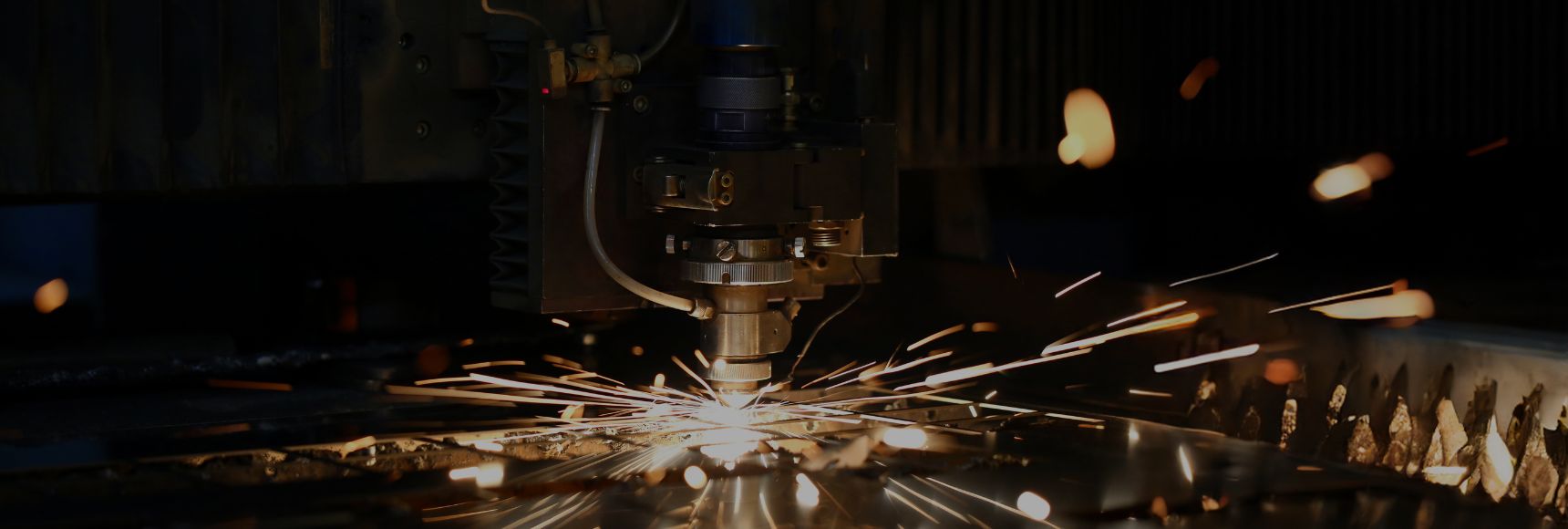
Laser cutting and welding will generate intense localized heat, which may damage the power supply and optical components. Our fiber laser cooling chillers are laser source water cooling systems that provide stable cooling to ensure clean and consistent results during cutting and welding.
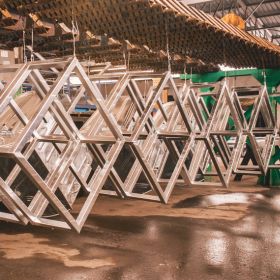
Machine cooling chillers can be used for electroplating solution temperature control to remove excess heat from the chemical solution, thus ensuring high-quality surface treatment and proper bonding of the metal layer.
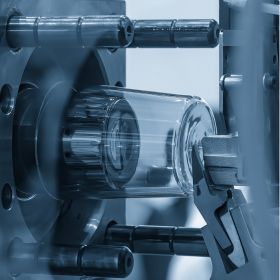
Our machine cooling chiller is an injection molding mold cooling system that can manage plastic processing temperature control, shortening the production cycle and avoiding product defects such as warping or internal stress.
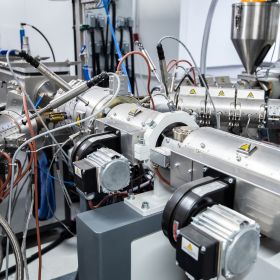
As an extrusion line cooling bath system, the Chillerone machine cooling chiller provides a constant-temperature cooling bath for the extruded plastic or rubber profiles, ensuring that they solidify into the correct shape and maintain structural integrity.
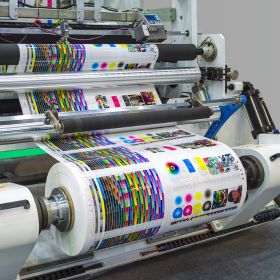
Chillers can help regulate the temperature of ink rollers and the temperature of paper discharged from dryers to improve printing quality and prevent paper deformation.
Usually, standard units use water. However, if the system needs to operate below 32°F (0°C) or if there is a risk of freezing during downtime, the glycol is necessary.
For machine cooling chiller maintenance, we recommend conducting two to four preventive maintenance checks each year, the exact number depending on the environmental conditions in your area. The electrical system should have two maintenance sessions every year, such as cooler cleaning and oil quality analysis.
When these conditions occur, they may be signs of something wrong that you need to take care of: unusual noises (creaking or humming), frequent temperature fluctuations, obvious leaks, or a sudden and significant increase in energy bills.
Usually, if your chiller can’t start, there may be a blown fuse, a tripped circuit breaker, or loose wiring. In three-phase equipment, incorrect phase connection can also cause a safety shutdown. Our chiller for machine cooling is equipped with relevant safety functions to prevent such problems.
Most industrial chillers are designed to have a lifespan of 15 to 20 years and require regular maintenance. Over time, the accumulation of scale and the aging of the control system are the main reasons for replacing the chiller.
See the chiller for machine cooling in Action
Watch how the chiller for machine cooling delivers stable temperature control, fast cooling response, and reliable performance in real industrial working conditions.
How Does a Chiller for Machine Cooling Work?
A machine cooling chiller works by transferring the heat from the equipment through a continuous refrigeration cycle using a circulating cooling fluid. To begin, the hot cooling fluid from the machine transfers its heat to the low-temperature refrigerant at the evaporator, causing the refrigerant to evaporate into a low-pressure gas. Then, this gas is absorbed into the compressor, increasing its pressure and temperature. Then it is pressurized and sent into the condenser. Here, the heat absorbed from the machine is discharged into the environment, causing the refrigerant to re-condense into a high-pressure liquid. Finally, the refrigerant passes through the expansion valve, rapidly reducing its pressure and temperature, preparing to return to the evaporator and start the cooling cycle again.
Why You Need a Chiller for Machine Cooling?
In many industrial applications, the performance of machines is largely dependent on stable temperature control. Without proper cooling, even small temperature changes can result in performance loss, equipment damage, and production delays.
Overheat and Shut Down
During the operation of the machine, the temperature may rise uncontrollably without a chiller to prevent the machine overheating. If the temperature gets too high, it will trigger an alarm, force the machine to stop or cause an emergency stop operation.
Unstable Machine Performance
Without a chiller to stabilize the temperature and improve production stability, there will be a fluctuation with changes in environmental conditions and machine load. Sensitive components will also be affected by thermal stress.
Fast Wear of Components
Bearings, spindles, lasers, and electronic components will accelerate their material fatigue and component degradation when operating at higher temperatures.
Extra Operating Cost
The absence of the automatic monitoring of the chiller can lead to more complex maintenance and a longer troubleshooting time, causing higher labor costs, missed delivery schedules, and financial losses. Inefficient cooling also wastes energy.
Higher Safety Risks
Without a chiller, the risk of overheating-related failures will rise, and thermal issues may damage both machines and surrounding systems. This also leads to a higher risk of equipment damage and workplace safety incidents.
How to Choose a Chiller for Machine Cooling?
Selecting a chiller suitable for machine cooling requires an accurate assessment of the heat load of the application. This must be accurately calculated through the flow rate of the process fluid and the temperature difference to avoid inefficiency due to oversized design or risks due to undersized design. You need to make a choice between the air cooling and the water cooling method. Additionally, technical factors need to be considered, confirming that the device can withstand the highest expected ambient temperature in your specific installation environment. Finally, features such as variable frequency drives (VFD) to improve energy efficiency during partial loads and intelligent controllers for remote monitoring should be prioritized to ensure long-term reliability and lower total cost of ownership.
If you are not sure how to make a choice, contact us to get a tailored machine cooling chiller selection guide for you.
How to Determine the Cooling Capacity of a Chiller for Machine Cooling?
To calculate the cooling capacity for a CNC machine, you must calculate the total heat load the system needs to remove with the formula: 𝑄 (the heat load)=𝐶𝑝 (heat capacity of the fluid) × Δ𝑇 (the temperature difference between the warm fluid entering the chiller and the chilled fluid exiting it).
It’s necessary to add a safety factor of 10% to 20% to the final result to account for environmental fluctuations and potential process changes. Furthermore, if a non-aqueous coolant is used, you must adjust the calculation results accordingly based on its specific gravity and reduce the heat transfer efficiency.
Considering the complexity and the strict standard of food safety, the best and easiest way is to communicate with our engineering experts, who use professional software and profound experience to precisely calculate the load, ensuring that the final cooling system complies with all operational and regulatory standards.
Our Custom Options of Chiller for Machine Cooling
Redundancy & Reliability
- Dual pumps
- Two-to-four compressor setups
- Full capacity redundancy
- Full electrical isolation
- Backup compressor configuration
- Dual-circuit or multi-circuit design
- Auto-changeover redundant pumps
Control System
- Explosion-Proofing
- PLC or BMS Integration
- MCS microcontroller
- Remote touchscreen options
- Custom programming
- Digital flowmeters
- Digital logs
- Wall-mounted touchscreens
- Split Systems
- IoT-enabled diagnostics
- Auto-Changeover Pumps
Safety Function
- Power Protection
- City Water Bypass
- Safety switches
- Low-ambient protection
- Fused disconnect
- Circuit breakers
- Low-ambient packages
- Accessible air filters
- Alarm and fault protection
- Seismic and Fire Protection
- Outdoor packages
Energy Efficiency
- EC condenser fan motors
- Electronic Expansion Valves (EEVs)
- Glycol/Antifreeze systems
- Floating head pressure
- Heat recovery systems
- Pump Variable Frequency Drives (VFDs)
- Variable speed screw compressors
Various Components
- Scroll compressors
- Rubber casters
- Mounting clips
- Lifting hooks
- Fluid customization
- Digital flow meters
- Microchannel heat exchangers
- Plate-type heat exchanger
- Stainless steel reservoirs
- Fiberglass reservoirs
- Phase monitor
- Acoustic enclosures


 English
 Spanish
 Arabic
 Vietnamese

