

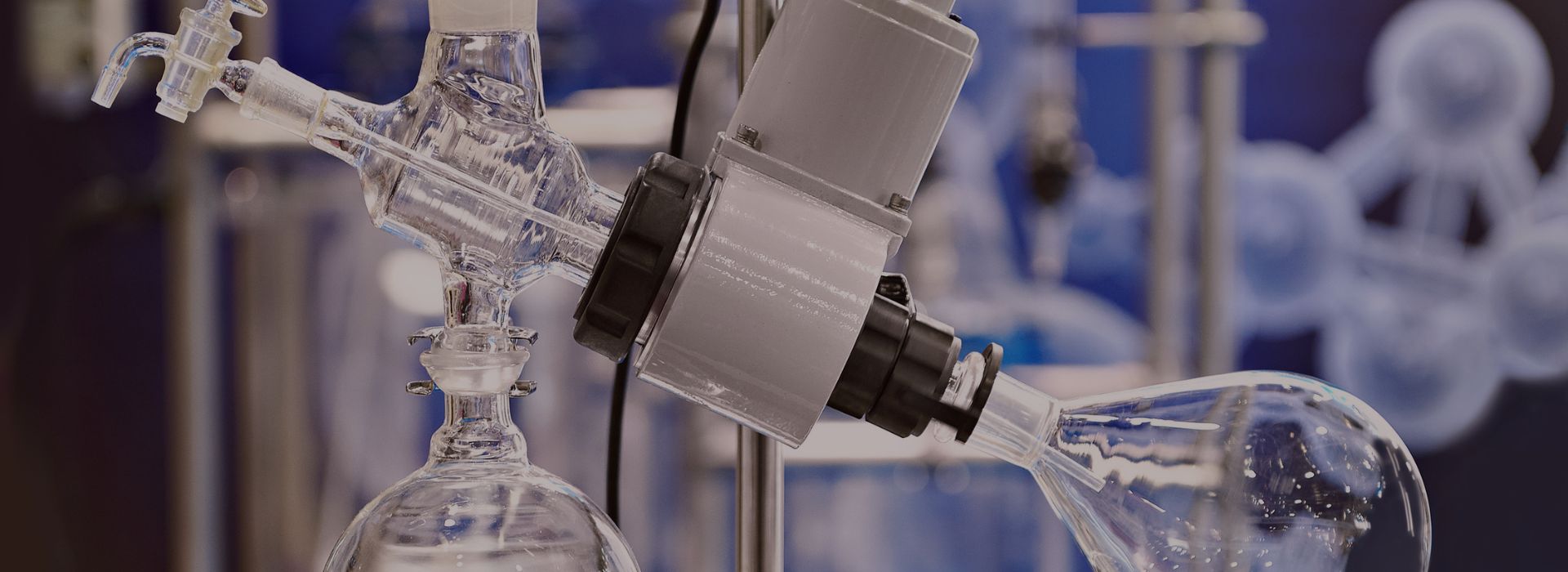
Chiller Solution to Match Rotary Evaporator Brand










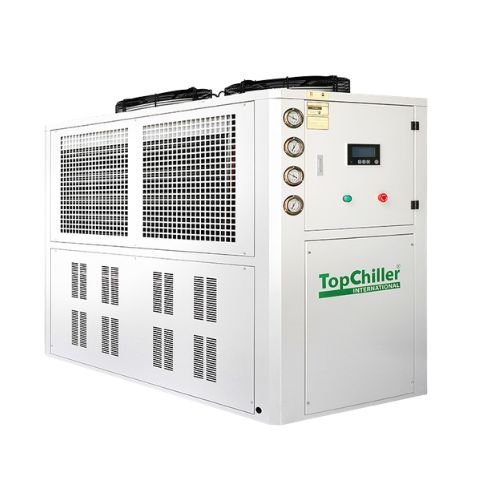
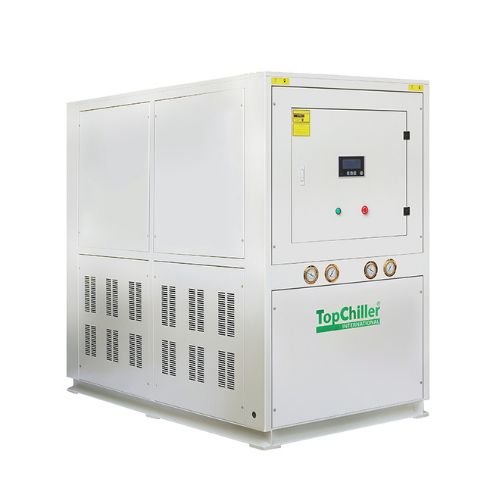
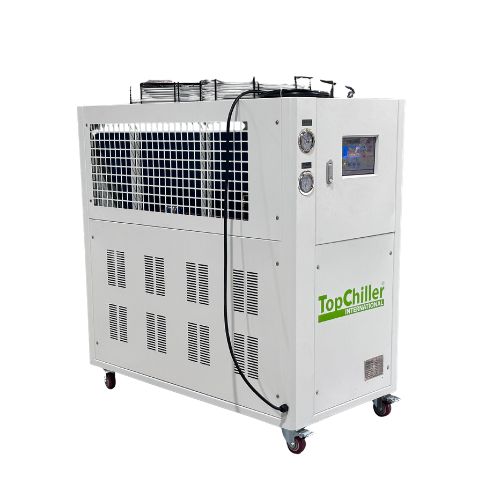
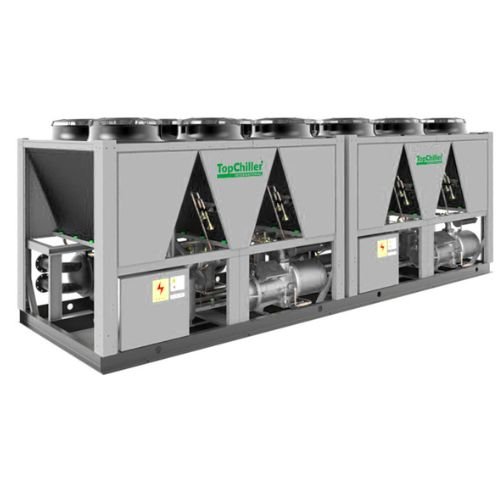
Reliable Chiller for Rotary Evaporator: Ensure Excellent Cooling Performance You Can Rely On
- Precise temperature stability
- Provide strong cooling capacity for large-scale rotavap
- Supports evaporation systems of various sizes
- Low-noise design for Laboratory Environment
- Compatible with ethanol, methanol, and glycol mixtures
- Equipped with intelligent protection systems
What is a Chiller for Rotary Evaporator?
A chiller for rotary evaporator is a kind of recirculating chiller, which is used to regulate temperature. It continuously supplies cold liquid to the condenser of the system. The main function of the rotovap condenser cooling is to remove the heat from the vapor of the solvent, allowing the vapor to recondense into a liquid state for collection. Chillerone rotary evaporator cooling system achieves the purposes of vapor condensation, solvent recovery, equipment protection, and process stability.
Various Types of Chiller for Rotary Evaporators We Provide
Our recirculating chillers are available in multiple configurations to match laboratory-scale, pilot-scale, and industrial solvent recovery processes.
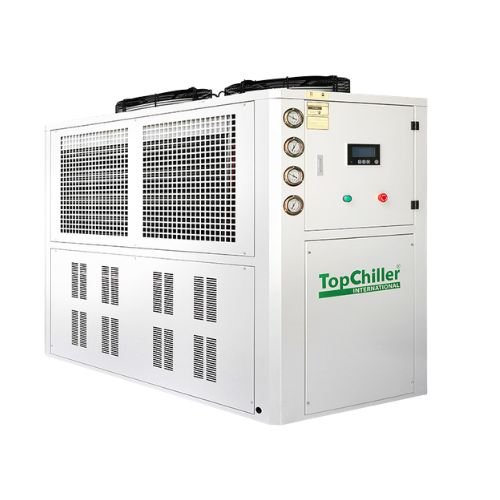
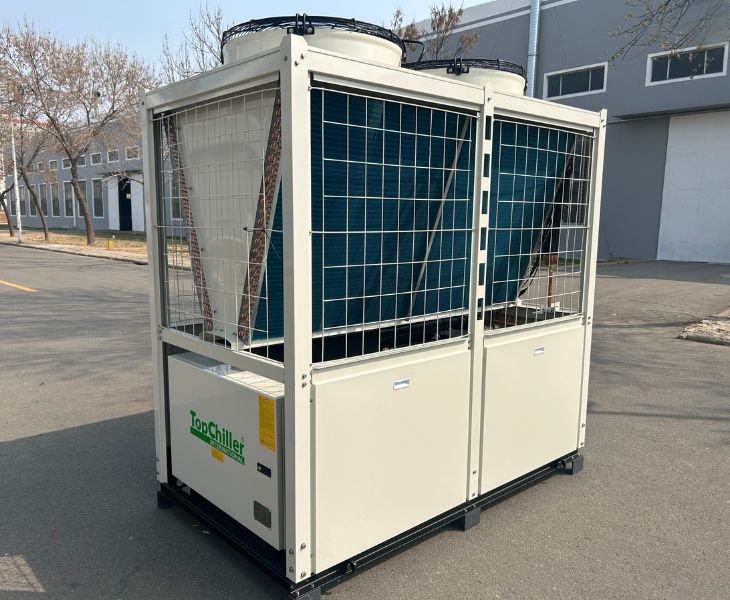
“Plug-and-play” devices. Use internal fans to blow the surrounding air over the condenser coils to dissipate heat.
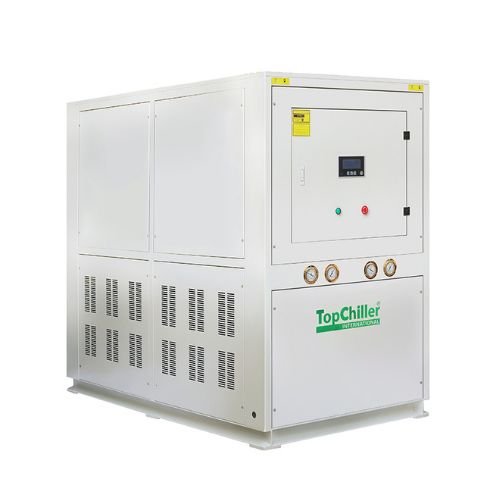
Use a secondary water source, like a cooling tower or building water loop, to remove heat. More energy-efficient and quieter.
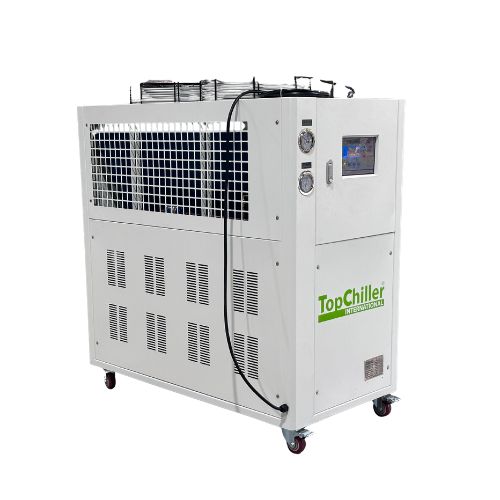
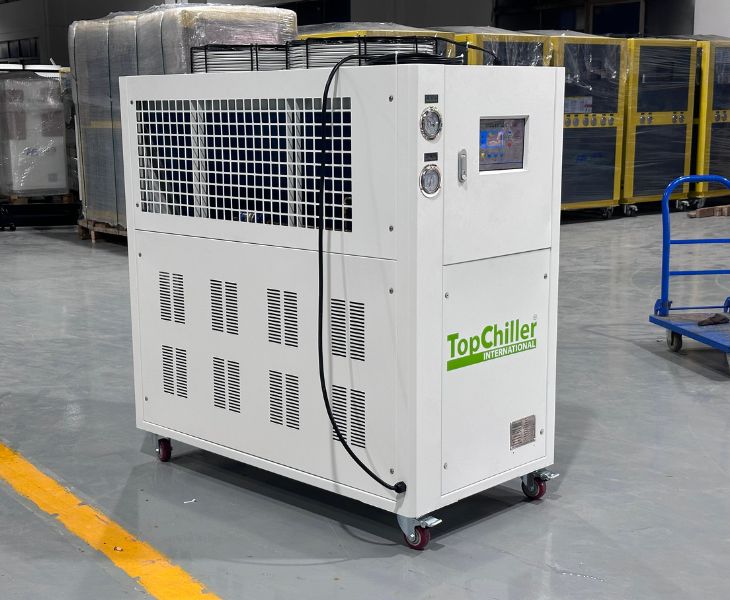
Equipped with caster wheels for mobility. Compact units designed to sit next to or under a single rotary evaporator.
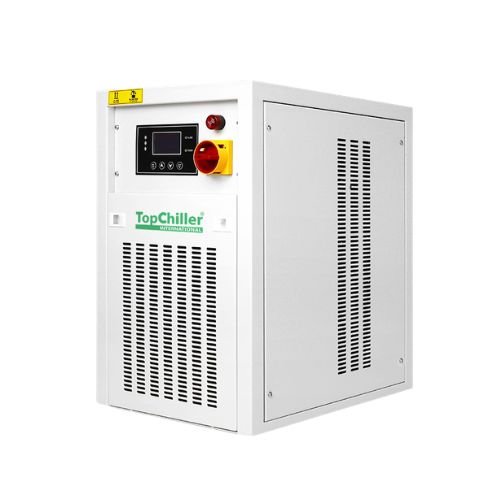
Use thermoelectric cooling rather than a traditional compressor. Extremely quiet and vibration-free, but with limited cooling capacities.
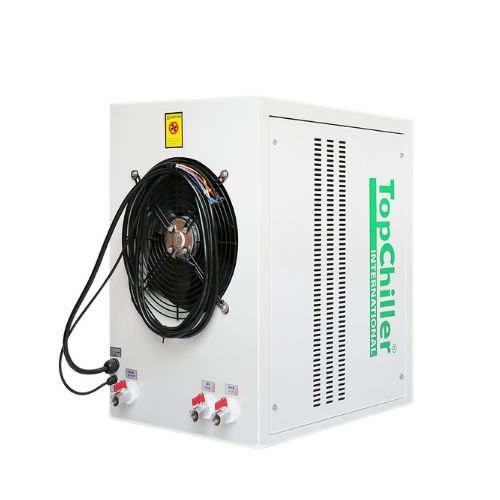
“Add-on” cooling devices. Work by dropping the probe into a static bath of fluid to keep it cold, converting old rotovaps into automated, mechanically refrigerated systems.
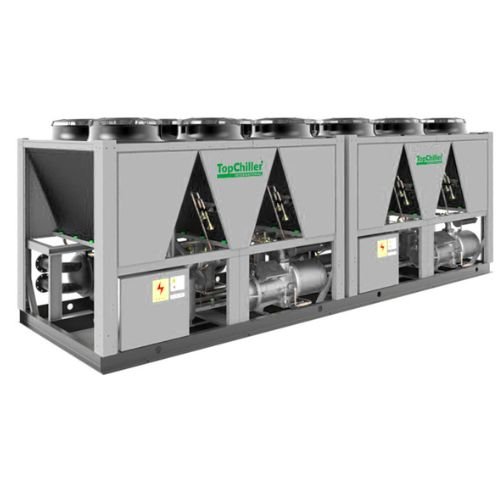
Large-capacity centralized solvent recovery cooling system designed to provide cooling to multiple rotary evaporators or entire laboratory floors simultaneously.
Chillerone Chiller for Rotary Evaporators Features
To ensure maximum condensation efficiency and stable evaporation performance, the core features of our chillers are all designed to directly improve solvent recovery and protect your system.

Microprocessor-based controllers can achieve temperature stability within ±0.1 K to ±1 K, which helps maintain a stable condenser temperature for rotovap.

A proper flow rate for rotovap condenser prevents overheating of the coolant when passing through the condenser, maintaining a high heat transfer efficiency.

Adjust cooling power based on actual heat load. Optimize energy use during solvent recovery and reduce noise.

Equipped with over-temperature, low liquid level, and compressor overload protection to prevent equipment damage.

Able to be placed under the laboratory bench or beside the rotary evaporator, saving space.

Replace tap water cooling for rotary evaporator, saving thousands of gallons of water each year and providing stable cooling throughout the year.

Uses a water-ethylene glycol mixture to prevent pipes from freezing when operating below zero degrees.

Apply an industrial-grade compressor and overload protection, ensuring continuous operation. Suitable for production-oriented customers.
High Cooling Capacity for Large-Scale Rotavap Systems
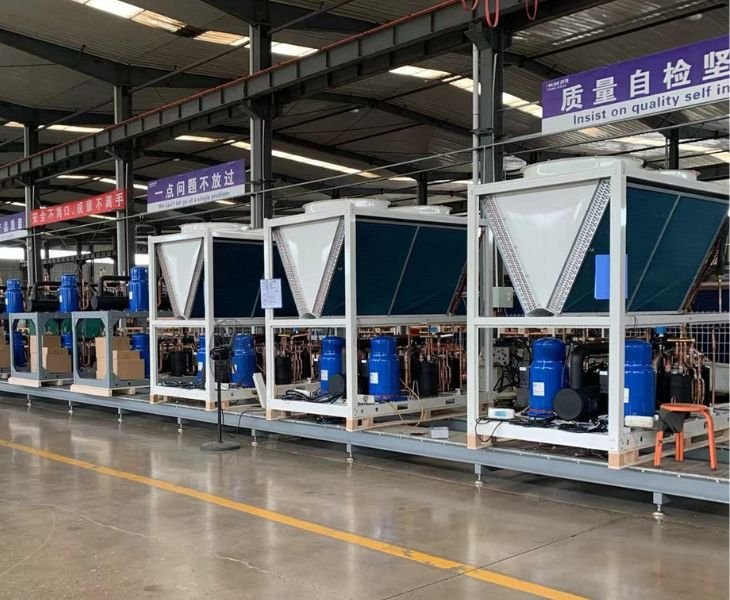
To manage massive thermal loads, Chillerone chiller for rotary evaporators employs specialized industrial-grade components and advanced refrigeration cycles. Our cooling capacity calculation for rotovaps employs scroll or screw compressors and proportional cooling or variable speed drives. Our large rotary evaporator cooling system moves away from simple coil-in-tank designs toward plate heat exchangers and applies materials like copper or stainless steel due to their superior thermal conductivity. Besides, our industrial-scale chillers use multiple independent refrigeration circuits, allowing the system to engage additional cooling stages as the evaporation rate increases.
Closed-Loop Circulation for Clean & Controlled Cooling
We always pay attention to clean and controlled cooling. Our recirculating chiller for rotary evaporators achieves closed-loop circulation by utilizing an integrated pump to move a fixed volume of coolant through a sealed internal circuit. Such a design ensures a clean cooling effect because it separates the liquid from environmental pollutants and prevents the common mineral deposits or algae growth phenomena found in water supply systems. Our closed system allows for continuous temperature monitoring and PID-based regulation, enabling the maintenance of a stable, user-defined setpoint.
Quiet & Compact Design for Laboratory Environments
To achieve low noise and save space, we employ high-efficiency brushless DC motors and vibration-dampening mounts for the compressor when manufacturing the chiller for rotary evaporator, often keeping operational levels below 55 dB for a distraction-free workspace. This compact design is achieved through a vertical stacking architecture and high-density plate heat exchangers. It helps provide a huge surface area with only a fraction of the space required by traditional coils. Besides, many models are equipped with intelligent fan speed control functions, which reduce the speed during low-load periods.
Chillerone—Global Supplier of Tailored Chiller for Rotary Evaporators
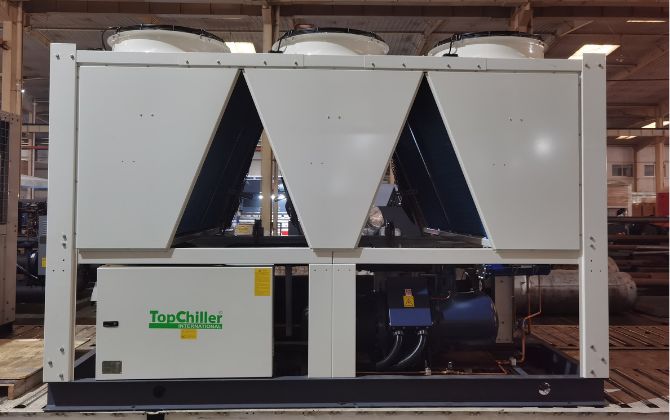
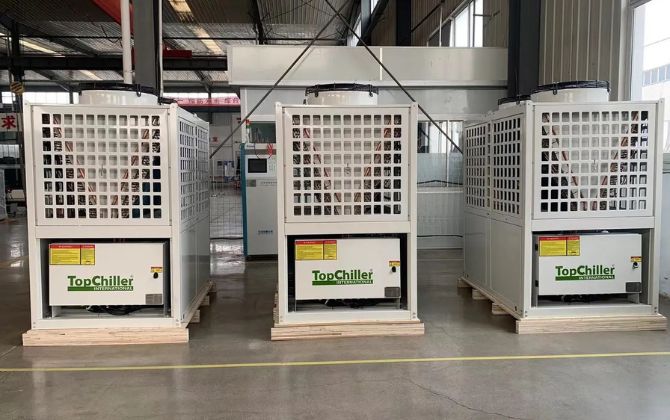
Chillerone has been dedicated to the research and manufacturing of industrial refrigeration technology for over two decades. Our solutions have served numerous customers in 75 countries around the world, with international business accounting for more than 80%. We are well aware that a stable cold source is the core for ensuring the efficient operation of rotary evaporators. We strive to tailor rotary evaporator-specific chillers that perfectly match your actual process parameters. Through precise temperature control and strong refrigeration capacity, our equipment can significantly improve solvent recovery efficiency, protect vacuum pumps, and ensure that heat-sensitive samples can be properly handled under harsh distillation conditions.
Reliable Certification
Every chiller designed for rotary evaporators has obtained authoritative ISO and CE certifications, complying with global quality and safety specifications for scientific research scenarios.


Industry Applications of the Chiller for Rotary Evaporator
From pharmaceutical laboratories to industrial-scale plant extraction facilities, stable low-temperature cooling provided by our chillers is an essential condition for efficient condensation and reliable operation.

Solvent recovery is the most common application of a chiller for rotary evaporator. Our chillers are also industrial solvent recovery systems that provide a stable low temperature for the condenser to allow the evaporated solvent to re-liquefy. By precisely controlling the temperature, the solvent condenses under constant conditions, reducing the introduction of impurities.
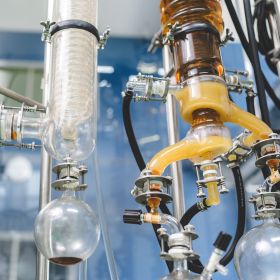
A chiller for rotary evaporator can handle heat-sensitive substances safely. Many active pharmaceutical ingredients will decompose at high temperatures. With the combination of the chiller and high vacuum, evaporation can be carried out at extremely low temperatures, effectively protecting the activity of the samples.

When extracting essential oils or spices from plants, the efficient condensation of our ethanol recovery chiller can maximize the retention of volatile aromatic components. During the extraction process of cannabinoids, a large amount of ethanol needs to be recovered. The cannabis extraction cooling system is the core supporting equipment that ensures production efficiency and explosion-proof safety.
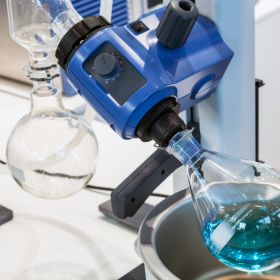
The chiller for rotary evaporator can protect rotovap vacuum pump by effectively intercepting the solvent vapor and preventing it from entering the vacuum pump. Through this, it extends the service life of the vacuum pump and reduces maintenance costs.
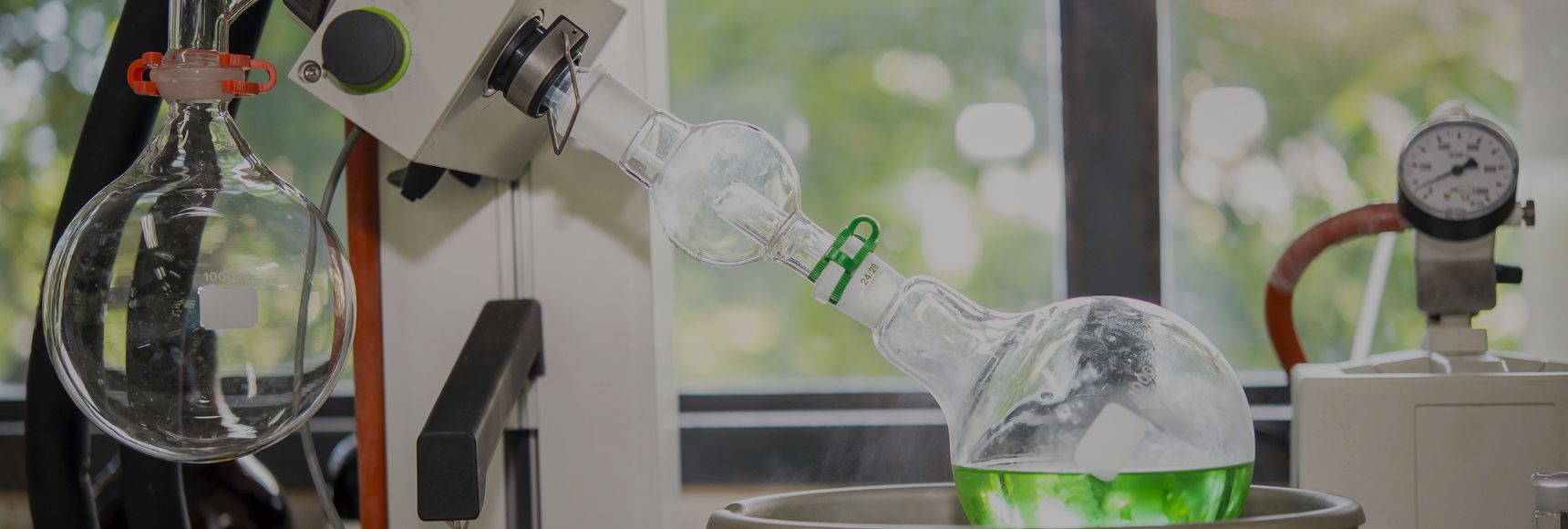
Technically, a rotovap can work without a chiller, but many problems would appear if there is no proper cooling from a chiller for rotary evaporator. For example, solvent recovery rates drop significantly, vapors may reach and damage the vacuum pump, and the process becomes much slower.
The best condenser temperature for ethanol recovery is generally -10°C to 0°C. Although the coolant temperature should be 20 degrees Celsius lower than the solvent vapor for normal operation, lower temperatures within the sub-zero range are preferred to compensate for the environmental heat gain in the pipes.
Not necessarily. Although a lower condenser temperature can increase the cooling capacity, the cooling ability of the cooler will decrease as the set temperature drops. If it is set too low, the chiller may not have enough power to counteract the heat generated by the steam, resulting in an increase in temperature during operation.
Yes. Our chiller for rotary evaporator can definitely be applied in multiple rotary evaporators, as long as the size has sufficient cooling capacity and flow rate to handle the total heat load of all the equipment. If you have such requirements, contact us, and we can help you choose a suitable one.
Usually, a routine check should be conducted every 3 to 6 months. We recommend that you check the liquid level and air filter monthly and thoroughly clean the condenser’s fins once a year to maintain the heat transfer efficiency.
If the chiller can’t reach the set temperature, this usually indicates that at this temperature, the capacity of the cooler is unable to handle the excessive heat load. Other possible reasons include severe fouling of the condenser tubes, low refrigerant level, or blocked airflow around the equipment. If you are not sure how to solve it, we are always welcoming your consultation.
With proper maintenance, a high-quality recirculating chiller for rotary evaporator can last between 8 and 12 years.
See the chiller for rotary evaporator in Action
Watch how the chiller for rotary evaporator delivers stable temperature control, fast cooling response, and reliable performance in real industrial working conditions.
Why Do You Need Our Chiller for Rotary Evaporator?
Solvent Loss
When the evaporation load increases, the temperature of the coolant is prone to fluctuate without a stable chiller. This will reduce the condensation efficiency, cause the solvent vapor to escape, and thereby lower the overall recovery rate.
Overloads the Vacuum Pump
If the condensation process is incomplete, the excess steam will enter the vacuum pump. Over time, this will cause the pump’s temperature to rise, leading to contamination and significantly shortening its service life.
Unreliable Experimental Results
Using tap water or ice water for cooling can result in inconsistent coolant temperatures. For laboratory and research purposes, this may lead to unstable evaporation rates and poor reproducibility of results.
Low Efficiency
When the condenser fails to maintain a sufficiently low temperature, the condensation efficiency of the steam will decrease. This will slow down the entire evaporation process and reduce the production efficiency in pilot-scale or industrial production.
Increases Scaling
The open-loop water system can lead to excessive water consumption and the formation of mineral deposits inside the condenser. Over time, these deposits will reduce the efficiency of heat exchange and increase the maintenance frequency.
How Does a Chiller for Rotary Evaporator Work?
The operation principle of a chiller for rotary evaporator is a dual-cycle heat exchange process. The internal refrigeration cycle generates a low temperature, while the external closed-loop cycle transfers this low temperature to the evaporator. Inside the chiller, the compressor and expansion valve control the refrigerant to cool the internal heat exchanger. The water pump draws the cooling liquid from the reservoir, allowing it to flow through the glass condenser coils of the rotary evaporator and return to the reservoir for circulation. When the hot solvent vapor in the distillation flask comes into contact with these cooled coils, it transfers heat to the cooling liquid, causing the vapor to condense into liquid for collection. The heated cooling liquid then returns to the cooler for recooling.
How to Choose the Right Chiller for Rotary Evaporator?
When choosing a chiller for rotary evaporator, there are three key points you must pay attention to:
- Cooling Capacity: The cooling capacity is the first and most important factor you need to consider. It must be sufficiently high to counteract the heat load generated by the heating bath of the rotary evaporator.
- Temperature Range: Whether the chiller can satisfy your temperature needs is of great importance. The chiller must be able to reach a temperature at least 20°C lower than the boiling point of the evaporated solvent to ensure effective condensation.
- Pump Performance: The pump must be able to provide sufficient flow for heat transfer while remaining within the pressure range (typically below 15 pounds per square inch) to avoid damaging the glass condenser.
Should you have any uncertainty regarding your choice, contact us to receive a personalized chiller selection guide. We will provide a detailed chiller size guide for solvent recovery and give the answer to what the best chiller for 20L rotary evaporator is or what the best chiller for 50L rotavap is.
How to Calculate the Cooling Capacity of a Chiller for Rotary Evaporator?
To determine the required cooling capacity, you must calculate the total heat load by considering the energy provided by the heating bath of the rotary evaporator and the specific heat capacity of the vaporization of the solvents being processed. The cooling capacity of the condenser should be at least 20% higher than or equal to the power of the heating bath to ensure it can handle peak steam loads. The condenser must maintain the temperature at least 20°C below the temperature of the solvent vapor. Besides, you must verify the performance curve of the equipment to ensure that it can provide sufficient wattage at the specific zero-degree or low-temperature target temperature.
To ensure your cooling system is perfectly suited to the stringent demands of your rotary evaporator, speak with our engineering experts. They leverage specialized software and years of hands-on experience to precisely determine the load, ensuring the final design aligns perfectly with your specific operational and regulatory standards.
Our Chiller for Rotary Evaporator Customizing Options
Control System
- Explosion-Proofing
- PLC or BMS Integration
- MCS microcontroller
- Remote touchscreen
- Feedforward control
- Digital flowmeters
- Digital logs
- Resistance temperature detectors (RTD)
- Split Systems
- Proportional-Integral-Derivative (PID)
- Digital Communication Interfaces
Safety Function
- Explosion-Proof (XP) Ratings
- Power Protection
- External Temperature Probes
- Safety switches
- Low-ambient protection
- Fused disconnect
- Circuit breakers
- Low-ambient packages
- Accessible air filters
- Alarm and fault protection
- Seismic and Fire Protection
- Remote Condensers
- Outdoor packages
Various Components
- Scroll Compressors
- High-Viscosity Pump
- Bypass Valves
- Heating/Cooling Hybrid
- Adaptive Calibration
- Remote Condensers
- Digital Flow Meters
- Microchannel Heat Exchangers
- Plate-type Heat Exchanger
- Stainless Steel Reservoirs
- Fiberglass Reservoirs
- Phase Monitor
- Noise Reduction Package
- Multi-Channel Manifolds
- L-Shaped Frame


 English
 Spanish
 Arabic
 Vietnamese

