


Chiller Solution to Match Concrete Cooling Brand









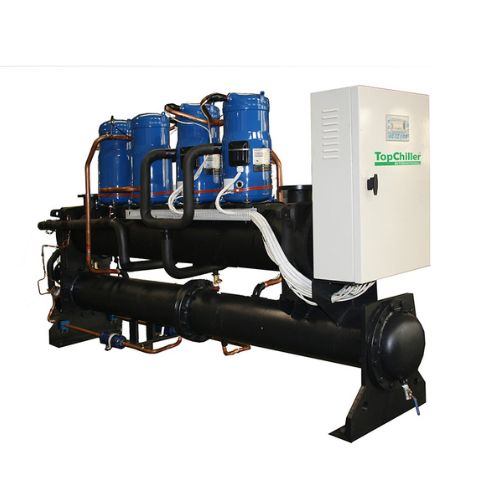
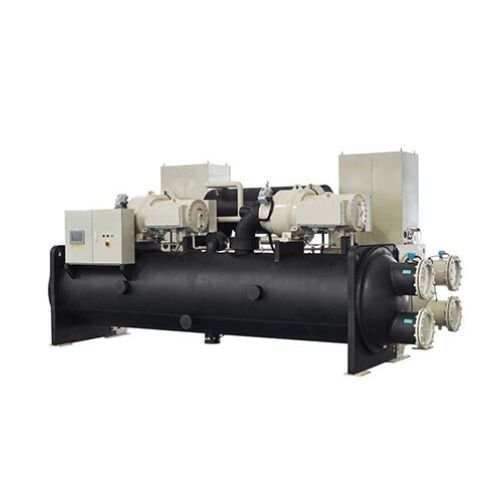
Features of ChillerOne Concrete Chiller
- Precisely control the temperature through a PLC-based controller
- Robust and corrosion-resistant, made of stainless steel with polyurethane coating
- Chilled water temperature can reach -5 °C
- Easy for installation, operate and maintenance
- Water pump, water tank, all in one packaged waterproof design
ChillerOne— Your Reliable Concrete Chiller Supplier in China
ChillerOne’s concrete chillers provide stable control over the temperature of mixing water and aggregates, enhancing concrete strength. They operate reliably with high efficiency, even on big jobs that go on for months. Plus, you can choose from different cooling capacities to match whatever your project needs.
Contact us to get more details.
Types of Chillers Used in Concrete Cooling

Screw chillers, equipped with screw compressors, offer strong cooling capacity and stable operation. And it is ideal for continuous 24-hour cooling of concrete. Due to their wide single-unit cooling capacity range, a single unit can meet the needs of large-volume concrete projects. Even in hot climates, they maintain a stable outlet water temperature, effectively controlling the concrete’s pour temperature and avoiding cracking.
However, initial investment is higher, and they require certain levels of electrical infrastructure and skilled maintenance personnel. If your batching plant has a high daily output, choosing a screw chiller can significantly reduce rework and customer complaints, resulting in longer-term cost savings.

Scroll chillers use a scroll compressor and work best for small to medium jobs. They deliver steady cold water to keep your concrete at the right temperature when you’re pouring and while it’s setting.
This type of chiller has fewer parts and a lower starting current, making it suitable for frequent start-stop operations. They are energy-saving, so you’re not wasting money on electricity. Plus, they run quietly and don’t shake the place apart — perfect for city projects. With low noise and vibration, it can be placed on urban construction sites. Compared to screw chillers, the scroll chiller has a lower purchase price and is easier to maintain.
But there’s a limit. A scroll chiller can’t keep up with massive, nonstop pours. If you’ve got a huge job, you’ll need something bigger.

A centralized chiller is not a single device but a centralized cooling system. It can simultaneously supply cooling to multiple production processes through the cold water pipeline network, enhancing production continuity and cutting your repetitive investment in multiple sets of equipment. It is suitable for large-scale production bases or comprehensive concrete parks and is convenient for unified management.
However, in the early design stage, it is rather complicated, requiring a large investment and having high demands on site planning and the construction period. Moreover, once the system shuts down, the impact will be quite extensive.
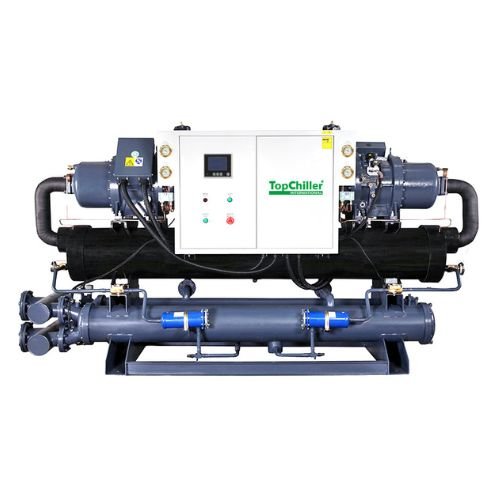
Modular chillers consist of multiple standard modules. It has become increasingly popular in the field of concrete cooling in recent years. Need more cooling later on? Just add another module. If one module needs repairs, the others keep running, so your project doesn’t grind to a halt.
However, the cooling capacity of a single module is relatively small. If you’ve got a big task, you need to plan out the pipes and make sure there’s room for expansion.
In short, for newly built batching plants, modular chillers are a better option. Start with three modules and expand as orders increase. This is more reliable than purchasing a large-capacity chiller all at once.
Reliable Certification
Our chillers are ISO and CE certified, delivering powerful cooling performance and complying with international standards for concrete construction projects.


Areas of Use of Chillers in Concrete Production

When you’re dealing with big projects—dams, pile foundations, thick slabs—you run into a real problem: all that concrete heats up as it hydrates, and if you don’t handle that heat, cracks start popping up everywhere. Installing a concrete chiller can help you stably and precisely control the temperature upon pouring the concrete into the formwork, reducing the temperature difference between the inside and outside. You get fewer cracks, less headache with repairs, and inspectors are a lot happier.
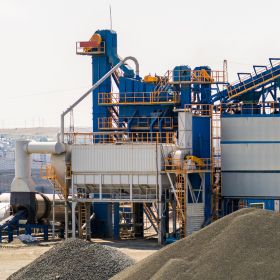
Ready-mixed concrete has high requirements for its temperature and consistency upon leaving the plant. However, in the hot summer, concrete is prone to premature setting, causing an increase in customer complaints and returns. A concrete chiller can continuously provide a stable supply of low-temperature cooling water to the batching plant, precisely controlling the quality of each batch of concrete. At the same time, it also enhances your product competitiveness.
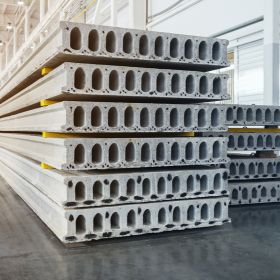
Precast concrete production prioritizes efficiency, dimensional accuracy, and surface quality. Concrete chillers can more precisely control the solidification process of concrete, reducing air bubbles, cracks, and dimensional deviations. Furthermore, their high degree of automation helps shorten production cycles and increase mold turnover, providing support for standardized, large-scale production.
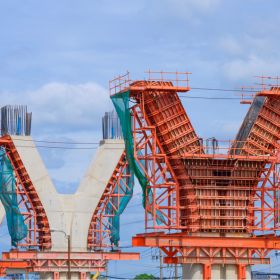
Big projects like bridges, tunnels, or high-speed railways take a long time, and they are not careless about quality and temperature control. Chillers are built to handle tough conditions and keep running without a break. With reliable cooling, you always hit your quality targets. No more unexpected shutdowns or arguments about whether the concrete meets the standards. You stay on schedule and avoid expensive headaches.
See the Concrete Cooling Chiller in Action
Watch how the concrete cooling chiller delivers stable temperature control, fast cooling response, and reliable performance in real industrial working conditions.
Why Does the Concrete Plant Need Chillers
In concrete production, the hydration reaction generates a large amount of heat, making the internal temperature of the concrete rapidly rise. Excessive temperature will impact construction quality. The concrete might start to set too early, making your job a lot harder. Even worse, if the inside is much hotter than the outside, you end up with uneven curing. That means weaker concrete, more cracks, and a real headache down the road. Missed deadlines, costly repairs — nobody wants that.
This is where our concrete chiller comes in handy. It can precisely cool the concrete, ensuring the hydration reaction occurs at the ideal temperatures. You get better pours, fewer cracks from heat, and, in the end, stronger, more durable concrete.
Advantages of Chillers for Concrete Batch Plants
Robust and Durable Structure
Our concrete chiller features a stainless steel water tank and a galvanized steel frame, coated with a polyurethane coating for effective rust and corrosion prevention. It is suitable for the dusty and humid conditions of a concrete mixing plant. Its durability also reduces your maintenance costs.
High-Efficiency Heat Exchange
The chiller’s heat exchange system is highly efficient and can stably cool a large amount of concrete even in the hot summer months, ensuring no delays in your production schedule. Instead of waiting until night for construction, using a chiller can significantly improve productivity and delivery efficiency, avoiding work stoppages due to excessively high temperatures.
Improved Concrete Strength
Chillers can deliver precise temperature, preventing concrete from cracking due to excessively rapid hydration at high temperatures and guaranteeing the hydration reaction remains optimal. As a result, the concrete becomes stronger and more durable. This type of concrete is easier to transport, pour, and finish, improving the quality of your construction.
Ensure Consistent Batch Quality
With a PLC system running the show, the chiller keeps your concrete at a steady temperature, within a degree. It guarantees consistent temperature for every batch of concrete, regardless of whether the weather is extremely hot or extremely cold, reducing fluctuations caused by manual adjustments and improving the consistency of concrete quality.
Reduced Material Consumption and Rework
Most engineering specifications require that the temperature of the mixing water be controlled below 25℃. A concrete chiller can help you meet this requirement, avoiding material rejection and rework due to excessive temperature. In the long run, this also reduces your raw material waste and pushes project progress.
Energy-Saving and Quiet Operation
Our concrete chillers can be equipped with a variable frequency system, decreasing energy consumption by 30%-50%. Furthermore, the high-efficiency compressor operates smoothly, the chilled water circulates efficiently, and the low noise level doesn’t disrupt your working environment. This is significantly superior to temporary chilled water systems or outdated refrigeration equipment.
Cost-Effective
Using this concrete chiller eliminates the need for frequent purchasing and storage like with ice or liquid nitrogen. The system operates automatically, resulting in lower long-term operating costs. It offers a one-time investment with long-term benefits, helping you effectively control overall operating costs.
Environmental-Friendly and User-Friendly
The chiller uses R134a refrigerant — it’s ozone-friendly and matches international green standards. Furthermore, the PLC control system is intuitive to operate, enabling automatic start/stop and parameter setting, reducing O&M intervention. The system starts and stops automatically, with a little manual tweak. It’s good for the environment, easy for your team, and just makes sense for any modern concrete plant.
The concrete chiller cools water through a refrigeration system and then pumps the low-temperature cooling water to the water tank or aggregate pre-cooling system of the mixing plant. During the mixing process, the low-temperature liquid mixes with cement and aggregates, directly absorbing heat, thereby rapidly reducing the outlet temperature of the fresh concrete.
Air-cooled chillers are easy to install, but they consume more energy, and their cooling effect is affected by temperature. They are suitable for construction sites with scarce water resources.
Water-cooled chillers, however, cool better and use less energy. They’re perfect for big, fixed mixing plants—but you’ll need a clean, steady water supply and some extra infrastructure, which means a bigger upfront cost.
The calculation of cooling capacity needs to take into account factors such as concrete volume, target temperature drop, raw material temperature, ambient temperature, and pouring speed.
A formula can be used as a reference: Required cooling capacity (kW) ≈ Volume of concrete per hour × Target temperature drop (°C) × 0.33. It is better to consult a supplier for an accurate result.
Most engineering projects recommend controlling the concrete pouring temperature between 10 and 25°C, with larger volumes typically requiring even lower temperatures to minimize the temperature difference between the inside and outside. Specific standards should be determined based on the ambient temperature and concrete mix design requirements.
Check water quality, clean out filters and pipes so nothing clogs up or scales over. Watch the system pressure and refrigerant, and make sure the electrical bits are in good shape. Keep the condenser clear and the area well-ventilated.
To keep things running smooth, set up daily and weekly inspection checklists. Give the job to someone specific. It can dramatically reduce malfunctions and extend equipment life.


 English
 Spanish
 Arabic
 Vietnamese

