

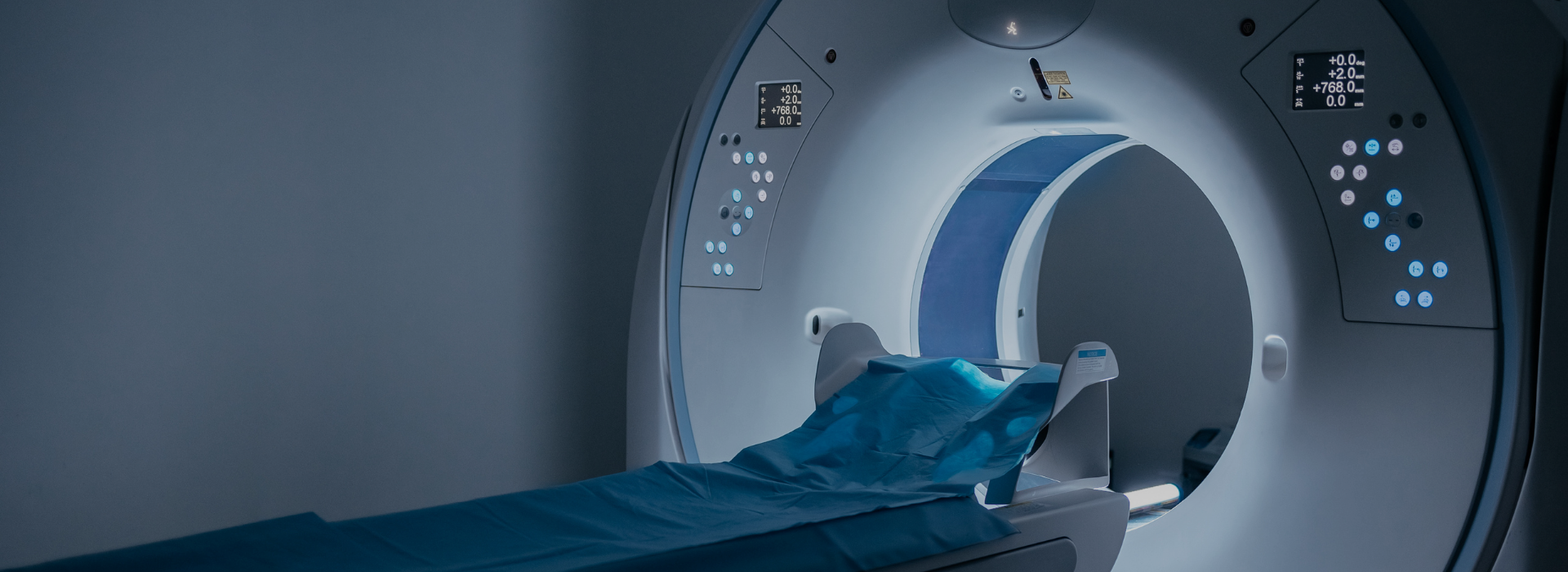
Chiller Solution to Match Medical Equipment Brand








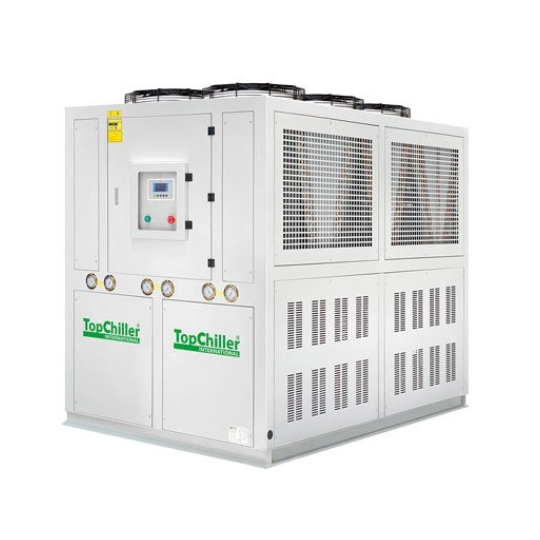
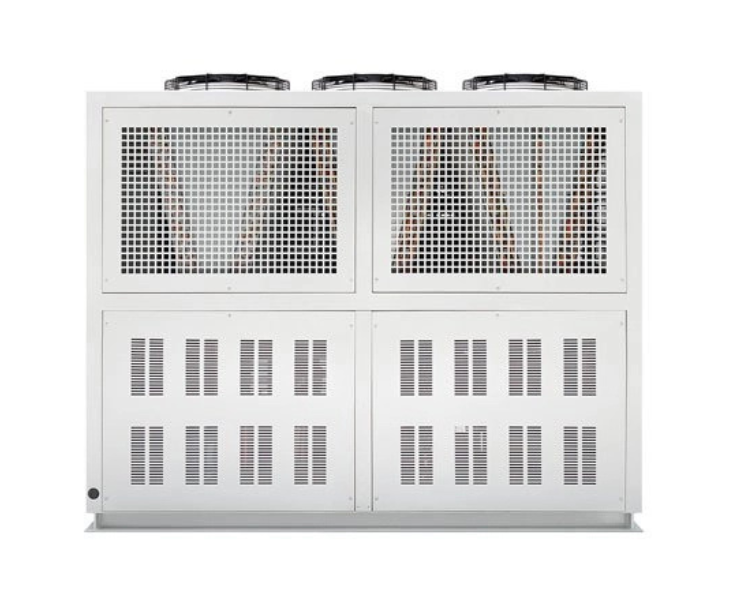
Why Medical Industry Need Chillers
In medical industry, many medical and laboratory equipment such as MRI scanners, linear accelerators and electron microscopes require a reliable cooling system at all times. The reason is that the equipment generates a lot of heat when it is running and it relies on a cooling system to maintain a constant temperature, ensuring imaging quality, treatment accuracy, and equipment stability. The laboratory equipment also needs low temperature to ensure the accuracy of test results. Therefore, a chiller is necessary to maintain the reliable operation of medical devices. ChillerOne’s chillers can efficiently meet this need.
Medical Chiller System We Provide
Whether you need the industry medical chiller equipment for your own hospital, or for the lab, etc., Chillerone will always give you the right cooling units.

It is small in size and light in weight, with a relatively low cooling capacity, typically a few tons of refrigeration, making it suitable for small laboratory equipment or temporary cooling.

This is the most common standard model, with a wide cooling range, suitable for cooling large individual imaging equipment and multiple laboratory devices simultaneously.
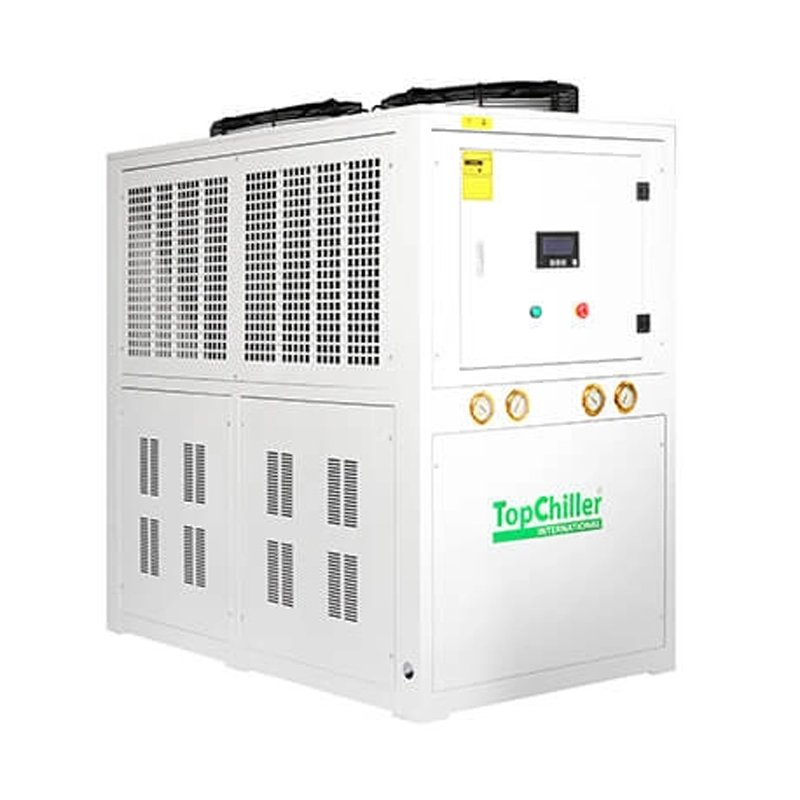
Utilizing a scroll compressor, this system offers a small to medium cooling capacity with simple structure and low noise levels, making it suitable for medium-sized imaging and treatment equipment, as well as precision laboratory instruments.
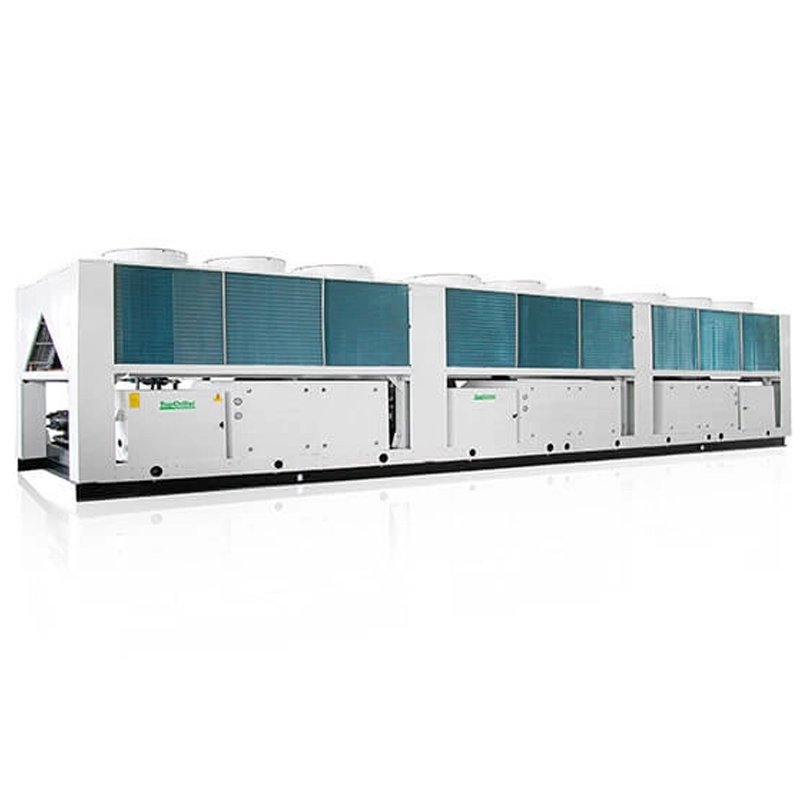
Utilizing screw compressors, this system offers medium to large cooling capacities, suitable for extra-large power equipment and centralized cooling systems for large areas.

The entire system is composed of multiple independent modular units, allowing for flexible combination of the modules. This makes it suitable for hospitals or laboratories that initially have limited equipment but plan to add more in the future.
Advantages of Chiller for Medical Industry
Unlike ordinary industrial chillers, chillers specially designed for medical industry to maintain equipment cool enough to normal operation.

The chiller supports continuous operation, ensuring that medical equipment can run for extended periods without shutting down due to overheating.

The evaporator is made of corrosion-resistant materials such as stainless steel, effectively preventing scale and corrosion, thus meeting long-term cooling needs.

Compared to traditional chiller, the chiller for medical industry is more energy-efficient while stable operation, thereby reducing the operation costs of hospital or laboratories.

Whether you need a small or large device, or require a low or high cooling capacity, there’s a suitable chiller available for you to choose from.

This chiller operates at a noise level of less than 60 decibels and is designed for quiet hospital and laboratory environments.

The cooling system can be ensured to remain stable even in extremely cold or freezing weather conditions.

The chiller’s stable temperature control of ±0.5℃ ensures clear images and accurate experimental test results.

No additional cooling towers are needed, and no water cooling is required, reducing daily maintenance costs.
Reliable Certification
Certified in Chillers for the Medical Industry – delivering precise, hygienic cooling for diagnostic and therapeutic equipment. Compliant with strict healthcare regulations to ensure patient safety and operational reliability.


Chillers for All Equipment in Medical Industry
ChillerOne meets the cooling needs of various medical and laboratory equipment, ensuring the stable operation of each device.
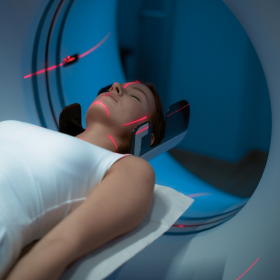
The magnet in MRI machine requires extremely low temperatures to maintain a strong and stable magnetic field. Chillers maintain the low temperatures to ensure the stability of the magnetic field to form a clear image.
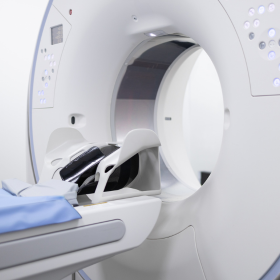
The X-ray tubes in CT scanners generate a large amount of heat during continuous exposure. Chillers provide continuous and efficient cooling for the tubes, ensuring continuous operation and preventing overheating shutdowns.
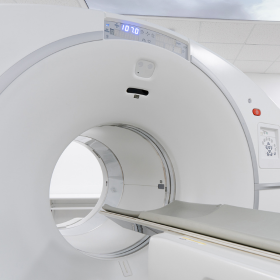
Some core elements of PET detectors are highly sensitive to temperature changes. Chillers provide a constant temperature environment for the detectors, ensuring their detection sensitivity and the accuracy of quantitative analysis.
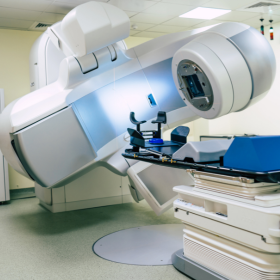
Linear accelerators generate high thermal loads on their core components when producing high-energy radiation. Chiller systems ensure accurate and stable radiation output energy through precise temperature control.
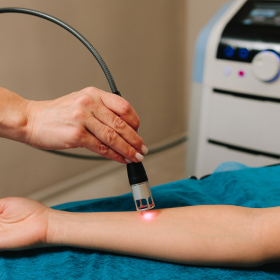
The output power, wavelength, and beam quality of lasers are all affected by temperature. Chillers stabilize the internal temperature of the laser, ensuring consistent output power and beam quality to meet surgical precision requirements.

The electromagnetic lens system of electron microscopes requires a stable current to form a precise magnetic field to control the electron beam. Chillers eliminate thermal drift caused by coil heating which is crucial to obtain clear images.

Some precision analytical instruments including sequencers and mass spectrometers, require effective heat dissipation for their internal sensors or reaction modules during operation. Dedicated Chillers can protecting them from damage and ensuring data reliability.
Successful Application Examples
 MRI Dedicated Chiller
Radiology department of a grade A tertiary hospitals requires the water temperature to be maintained at 22±0.2℃ and that the system be equipped with a power failure protection device to prevent the magnets from losing their superparamagnetic properties. ChillerOne provides a 24ton high-precision water-cooled chiller unit with built-in dual compressors. It has been operating reliably for 3 years, maintaining temperature fluctuations within ±0.1℃ and providing stable operation 24/7.
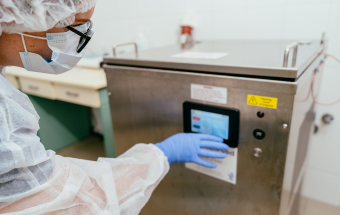 Cooling of Medical Laboratory Instruments
Multiple mass spectrometers in a leading independent medical laboratory have a large heat dissipation capacity and are sensitive to ambient temperature. The experimental space is limited, and the equipment requires low noise. ChillerOne provides a compact air-cooled chiller with a low-noise fan and a scroll compressor, and place it between special equipment to ensure that the noise in the laboratory is less than 50 decibels.
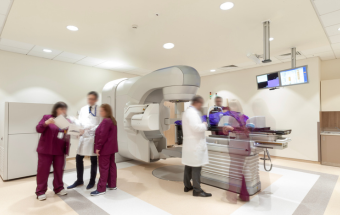 Linear Accelerator Chiller Upgrade
A city’s tumor treatment center needs to replace the old cooling system to provide more stable and corrosion-resistant cooling for linear accelerators to ensure the accuracy of radiotherapy dose output. ChillerOne provides a 25ton stainless steel waterway water chiller and is equipped with a double-loop standby pump. It can reduce the fluctuation of the cooling water temperature of the accelerator by 70%, and the equipment will no longer alarm due to overheating.
 CT Chiller In Southeast Asia
A newly built hospital in a tropical region of Southeast Asia needed a chiller for its CT equipment. The local equipment room lacked air conditioning, with ambient temperatures consistently above 35°C and high humidity. ChillerOne provides screw chiller features a corrosion-resistant coated condenser, ensuring rated cooling capacity even under high-temperature conditions and offering excellent corrosion resistance.
See the Medical Industry Chiller in Action
Watch how the medical industry chiller delivers stable temperature control, fast cooling response, and reliable performance in real industrial working conditions.
Medical chiller is a cooling system that provides stable and accurate temperature control for medical industry equipment. Its core function is to circulate low-temperature refrigerant to remove the heat generated during the operation of the medical equipment, keeping the equipment running within its optimal temperature range.
The superconducting coils of an MRI machine need to be maintained at -270°C to ensure proper operation, and they generate a large amount of heat during operation. The cooling water provided by the chiller is typically between +18°C and +22°C.
Every medical institution or laboratory has unique needs, making the selection of a suitable chiller is important. Regardless of your specific requirements, we will offer a chiller solution based on your size, heat load, operating conditions, portability requirements and other needs.
Chillers can be classified from two perspectives. Based on medical equipment, they can be divided into MRI chillers, CT chillers, linear accelerator chillers, medical laser chillers, laboratory chillers, etc. Based on structure, they can be divided into air-cooled medical chillers, water-cooled medical chillers, and low-temperature medical chillers.
When selecting chiller for medical or laboratory equipment, the following factors need to be considered:
- Temperature: Some equipment like MRI machines, requires a constant temperature, while other equipment undergoes heating and cooling cycles. The correct temperature is essential for stable operation. Tell us the temperature you need and the acceptable temperature range, and we will help you choose the most suitable model.
- Heat Load: The total heat generated by the equipment determines the required cooling capacity of the chiller. Provide the equipment’s heat load data (in kW or kcal/h) or rated power, and we will calculate and recommend a model to ensure sufficient and efficient cooling capacity.
- Flow Rate: Sufficient pressure and flow rate are required to ensure that the liquid flows through the system during equipment operation.
- Size: It is necessary to choose a size that is suitable for the equipment’s operating space. The size of chiller also refers to its cooling capacity. The common chiller size used in medical industry is 5 ton to 25 ton.
- Installation Environment: Factors to consider include the ambient environment’s temperature and the acceptable level of noise in decibels.
- Budget: Finally, you need to consider the budget of chiller for medical treatment or laboratory. We will recommend the best and most suitable products for you based on your budget.
Yes, we offer compact chillers. Our standard product line features an efficient and compact design, occupying 15-20% less space on average than comparable products. We provide detailed dimension drawings to help you plan the space in advance.
It is necessary to choose a suitable size of medical chiller. Undersized chillers prevent the system from providing adequate cooling, leading to insufficient airflow and low efficiency. Oversized chillers will limit low load operation, increasing energy consumption and operating costs.
The temperature range of cooling affects the selection of refrigerants. Chillers mainly use HFC、HFO and Natural three refrigerants. In HFC, R-134A and R-410A are most common used in chiller. But because of high GWP, they are not good choice in today. HFOs are new refrigerants with low GWP. And Ammonia, CO₂ and propane are natural refrigerants. They have various potential due to low GWP and high efficient.
Air-cooled chillers relying on air to transfer heat. They are easy to install and maintain, and suitable for small to medium-sized facilities such as small imaging centers.
Water-cooled chiller needs to install an additional cooling tower to bring heat to the outside for heat dissipation through water circulation. They are better suited for large facilities.
In the medical industry, the most common type of chiller is the air-cooled chiller. However, some large pieces of equipment, such as MRI, PET, and CT scanners, require water-cooled chillers to maintain stable low temperatures, ensuring the continuous and stable operation of the equipment.
In terms of temperature control, medical chillers offer more precise temperature control than ordinary chillers, which minimizes compressor cycling and extends the lifespan of components. This is crucial for the proper functioning of the equipment. Secondly, ordinary chillers experience a decrease in performance during cold seasons, affecting the equipment’s normal operating time. However, medical chillers can operate year-round in ambient temperatures ranging from 120˚F to -40˚F, eliminating concerns about chiller downtime due to climate conditions.
The main maintenance involves regularly cleaning the filter and checking water quality and system pressure. We recommend preventative maintenance every 6 months.
We collaborate with several brands. For example, the brands we use for our scroll compressors include Danfoss, Panasonic, and Copeland. For screw compressors, we use brands such as Hanbell, Fusheng, and Bitzer.


