


International Brands We Collaborate With


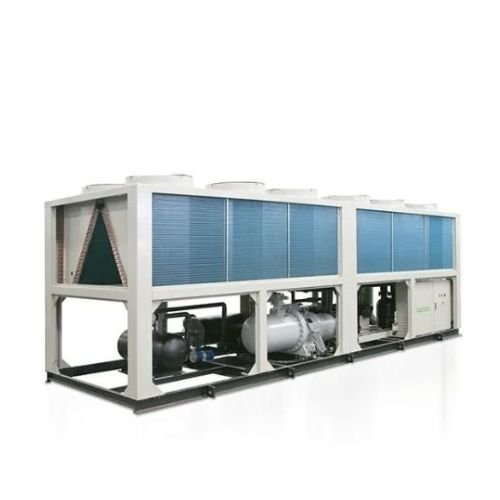

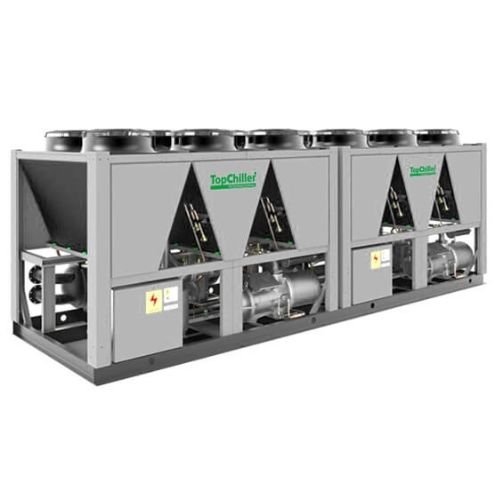
Features of Extraction Chiller
- High cooling capacity. Quickly remove the large amount of heat generated by the extraction equipment or chemical reactions.
- Equipped with advanced PLC (Programmable Logic Controller) or digital interfaces for precise temperature control.
- Multiple safety protection functions, with environmentally friendly and non-toxic refrigerant and heat transfer fluid.
- Stainless steel fluid paths, corrosion-resistant coils, and durable seals.
- Remote monitoring capabilities and an automatic shutdown function.
Chillerone—Your Reliable Extraction Chiller Supplier
Chillerone adheres to the core principles of precision, stability and corrosion resistance. We employ PID precise temperature control technology and efficient variable frequency systems to ensure that your thermally sensitive substances are extracted at the optimal temperature, from plant active ingredients to high-purity chemicals. For complex conditions such as ethanol and acidic and alkaline solvents, we offer corrosion-resistant options of all-stainless steel or titanium evaporators to ensure the long-term stability of the equipment core. Our design is based on 24/7 continuous and stable operation and incorporates multiple intelligent protection systems. Choose Chillerone, and let us safeguard the value of each extraction.
Types of Extraction Chillers By Cooling Method

An independent refrigeration system. It can absorb heat from the liquid (usually a mixture of water and ethylene glycol) during the extraction process and then disperse this heat to the surrounding environment through fans. Unlike water-cooling systems, they do not require a separate cooling tower or continuous water supply, which makes installation simpler and reduces maintenance requirements.

An industrial refrigeration system that uses water as the main medium to absorb and discharge the heat generated during the extraction process. It transfers the heat to an independent water circulation system, and this circulation system usually circulates to an external cooling tower for heat dissipation.
Types of Extraction Chillers By Refrigeration Cycle

The most common and energy-efficient industrial cooling system type used in the extraction process. It operates by driving a closed refrigeration cycle through a mechanical compressor, allowing for precise temperature control.

An industrial cooling system that utilizes a heat source (such as waste heat or heat energy generated by steam or natural gas combustion) instead of an electrically driven mechanical compressor to achieve cooling effects.
Types of Extraction Chillers By Temperature Range
A cooling device that operates within a temperature range typically above the freezing point. This type of cooler is designed for general cooling operations as well as for cooling specific stages during the extraction process.

A specially designed high-performance cooling equipment, which is commonly used in industrial extraction processes to achieve and maintain extremely low temperatures, ranging from -40 °C to -80 °C, or even lower.
Types of Extraction Chillers By Mobility and Capacity

A cooling system that integrates all the necessary components (refrigeration circuit, pump, accumulator, and control device) into a compact, independent unit. This unit is small in size and usually comes with wheels for easy movement and repositioning.

A large and high-capacity cooling apparatus designed to provide stable temperature control for multiple production processes or the entire production facility, which is the primary refrigeration source for the entire extraction process.
Reliable Certification
ISO & CE approved, this extraction chiller meets global hygiene standards, ensuring stable low-temperature control for solvent recovery & dewaxing.


Extraction Chillers Uses

Extraction chillers can provide low-temperature cooling water for equipment such as reaction vessels and rotary evaporators to prevent the inactivation of heat-sensitive components (such as alkaloids and flavonoids).
- Botanical and Cannabis Extraction
This is an important application, which is crucial for the separation of compounds such as cannabidiol (CBD), tetrahydrocannabinol (THC), terpenes, and essential oils.

In chemical and petrochemical extraction, the extraction chiller removes a large amount of reaction heat for exothermic reactions (such as polymerization reactions) to ensure safety and product stability. In lubricant production, extraction chillers can be used in equipment such as tubular crystallizers to cool the raw materials and cause wax to crystallize and separate.

The extraction chiller can be used in scraper-type heat exchangers to control the cooling crystallization rate and crystal type of products such as margarine and shortening, influencing the product taste, and it ensures the extraction of natural products such as flavorings and pigments at low temperatures to maintain flavor and activity. It also helps precisely control fermentation temperature.

In processes such as injection molding, the extraction chiller will rapidly cool the molten plastic in the mold, ensuring the stability of product quality and shortening the production cycle.

In laboratories, extraction chillers can provide low temperatures for analytical equipment to improve extraction efficiency and accuracy and for large analytical equipment such as nuclear magnetic resonance spectrometers and mass spectrometers to ensure stable operation.
See the Extraction Chiller in Action
Watch how the extraction chiller delivers stable temperature control, fast cooling response, and reliable performance in real industrial working conditions.
Why Does the Extraction Process Need Chillers?
The extraction chiller is of vital importance during the extraction process, whose core function is to remove heat, control reaction or crystallization temperature, and condense and recover the solvent, thereby ensuring product quality and production efficiency. Its precise temperature control is extremely crucial for enhancing efficiency, ensuring product quality and purity and the safety of handling flammable materials.
Low-temperature extraction can maximize the protection of the chemical structure of substances from being damaged by high temperatures, ensuring their efficacy and yield. By controlling the temperature, it is possible to selectively make the target substance more soluble while inhibiting the dissolution of impurities, thus achieving high-purity and well-structured final products.
Extraction Chillers Operating Principles
The operation principle of the extraction chiller is a closed loop, mainly accomplished through the coordinated efforts of four core components: evaporator, compressor, condenser and expansion valve.
The high-temperature circulating water from the extraction equipment flows through the evaporator pipes and undergoes heat exchange with the low-temperature and low-pressure liquid refrigerant inside the pipes. The heat is absorbed by the refrigerant, reducing the water temperature to the set value and then it is sent back to the extraction equipment. After absorbing heat, the refrigerant evaporates into a low-temperature and low-pressure gas, which is drawn in and undergoes adiabatic compression in the compressor, causing the gas pressure and temperature to increase sharply. The condenser cools the refrigerant into a medium-temperature and high-pressure liquid. Finally, the high-pressure liquid refrigerant flows through the small holes of the expansion valve and undergoes throttling and expansion, causing the pressure to drop instantly. This process significantly reduces the temperature and pressure of the refrigerant, converting it back into a low-temperature and low-pressure liquid.
Extraction Chillers Advantages
Precise temperature control
Extraction chillers provide precise and stable temperature control, allowing operators to adjust extraction parameters according to specific needs, which ensures high process repeatability and product consistency.
Improve product purity
Extraction chillers maintain the optimal low temperature, preventing the degradation of sensitive active compounds such as cannabinoids, terpenes, and essential oils. This ensures the efficacy, flavor, and natural characteristics of the final extract and minimizes the co-extraction of unwanted plant substances like waxes and chlorophyll.
Improve efficiency
By providing rapid and stable cooling, the extraction chiller significantly shortens processing time, increases production output, and enables the completion of more batches within a given period.
Sustainability
Extraction chillers enable the rapid liquefaction and recovery of gaseous solvents (such as ethanol, butane, and propane), significantly reducing the need to purchase new solvents, lowering disposal costs, and avoiding environmental pollution and safety risks caused by evaporation.
Safety
Some extraction processes (such as acidolysis and alkaline dissolution) are accompanied by exothermic chemical reactions. Extraction chillers can promptly remove the reaction heat, preventing the system temperature from getting out of control, which not only ensures that the reaction proceeds as expected but also eliminates the risk of equipment damage or even explosion caused by a sudden temperature rise.
Flexibility
In Chillerone, there are various options of extraction chiller models for you to choose from, ranging from small to large industrial equipment. Many are designed to be easily integrated into existing extraction systems, enabling enterprises to expand their business scale in response to growing production demands.
How to Choose a Reliable Extraction Chiller Supplier?
To choose a reliable extraction chiller supplier, first you need to assess your specific requirements, including the cooling capacity, application, and space. Then evaluate the supplier’s expertise and reputation, product quality and certifications, pre-sale and post-sale service, and total cost of ownership (TCO).
Why Choose Chillerone?
- Precise temperature control capability: We adopt advanced PID intelligent control systems and variable frequency technology. The temperature control accuracy can reach ±0.5℃ or even higher.
- Intelligent services: Some high-end models support IoT remote monitoring and early warning, which lets you keep track of the equipment’s operating status anytime and anywhere and achieve preventive maintenance.
- Sturdy material: The core components (such as the evaporator) can be made of either all stainless steel or titanium, specifically designed to withstand corrosive extraction solvents like ethanol, acids, and bases.
- Customized deep-seated service: We can provide tailor-made cooling solutions based on your specific processes, heat load, and spatial layout.
- Quick quotation: You can get the quotation from us in just a few hours.
- Professional pre-sale technical support: We offer free technical consultation covering everything from heat load calculation and scheme selection to pipeline layout to ensure that the equipment is perfectly matched with your process.
- Outstanding after-sales service: We offer 7*24*365 online consultation service. Respond within 2 hours and arrive at the scene within 6 hours.
- Expert Service: Our technicians have over 10 years of experience, and we have experts who are deeply specialized in the cooling process of extraction technology, having a better understanding of your process pain points and being able to offer more targeted suggestions.
- Compliance: All of our chillers have professional certifications, reliability certifications, and test reports. Our expert engineers also follow the international standard industry norms, significantly enhancing the efficiency of the engine.
This depends on the total resistance of your on-site piping and the required cooling water flow rate. You can provide your equipment’s water pressure requirements and the piping layout, and we will match the best pump set for you. And if you want, our professional teams can go to the site for inspection.
Yes. Our water chillers offer standard inlet and outlet interfaces, and we can provide customized pipe connection kits according to the interface specifications of your equipment. We also offer detailed installation diagrams and technical guidance to ensure a quick connection.
The installation environment should have good ventilation and be free from dust and smoke, and leaving a sufficient space for dissipation and maintenance is necessary.
We offer 24/7 technical hotline support. Our engineers will remotely guide you through the process of quick troubleshooting and restoration. For issues that cannot be resolved remotely, we will immediately dispatch service engineers to handle them on-site.
Except for the price of the chiller itself, you also need to consider the operating energy consumption cost, maintenance cost, failure downtime cost and water treatment cost (If you need to use open cooling towers, water scale and microorganisms need to be continuously treated).
Yes, but the cooling capacity of the extraction chiller should meet the maximum total heat load of all equipment operating simultaneously, with a reasonable margin left, and the flow allocated to each branch must be stable. We can offer you a complete system integration solution, so you don’t need to worry about this.


 English
 Spanish
 Arabic
 Vietnamese

