

Glycol chillers are important cooling systems that are useful in industries such as pharmaceuticals, winemaking, and brewing. It circulates glycol-water mixtures to ensure precise temperatures when manufacturing. This article explains the way glycol chillers work, types, main components, benefits, and tips for choosing the best system to suit your needs.
What is a Glycol Chiller?
Glycol chillers are refrigeration systems that utilize a mixture of glycol and water for cooling processes. It spreads the chilled fluid via heat exchangers, ensuring that low temperatures are maintained consistently in applications such as food processing, distillation, brewing, and HVAC systems where temperature control is very important.
Working Mechanism & Main Parts

Glycol chillers function by circulating chilled glycol water mixture through the closed loop system to help absorb and get rid of heat during industrial processes.
Parts of the Glycol Chiller
The main components of a glycol chiller include
- A condenser: For releasing absorbed heat)
- A compressor: For compressing the refrigerant)
- An evaporator: This is where the cooling process takes place)
- An expansion valve: For reducing the pressure in the refrigerant).
- Glycol reservoirs: Help in storing the coolant mixture
- Circulation pumps: Transports it through the system to ensure steady temperature and flow.
How the Chiller Works
The process starts when the evaporator’s refrigerant takes out heat from the glycol mixture, thereby reducing its temperature. This cooled glycol is now pumped into the process line or equipment to extract heat. Now, warm glycol comes back to the chiller, and then the cycle repeats itself.
This continuous loop makes sure that there is accurate temperature control, enhances the quality of products in temperature-sensitive applications such as pharmaceuticals, dairy processing, and brewing.
Advantages of Glycol Chillers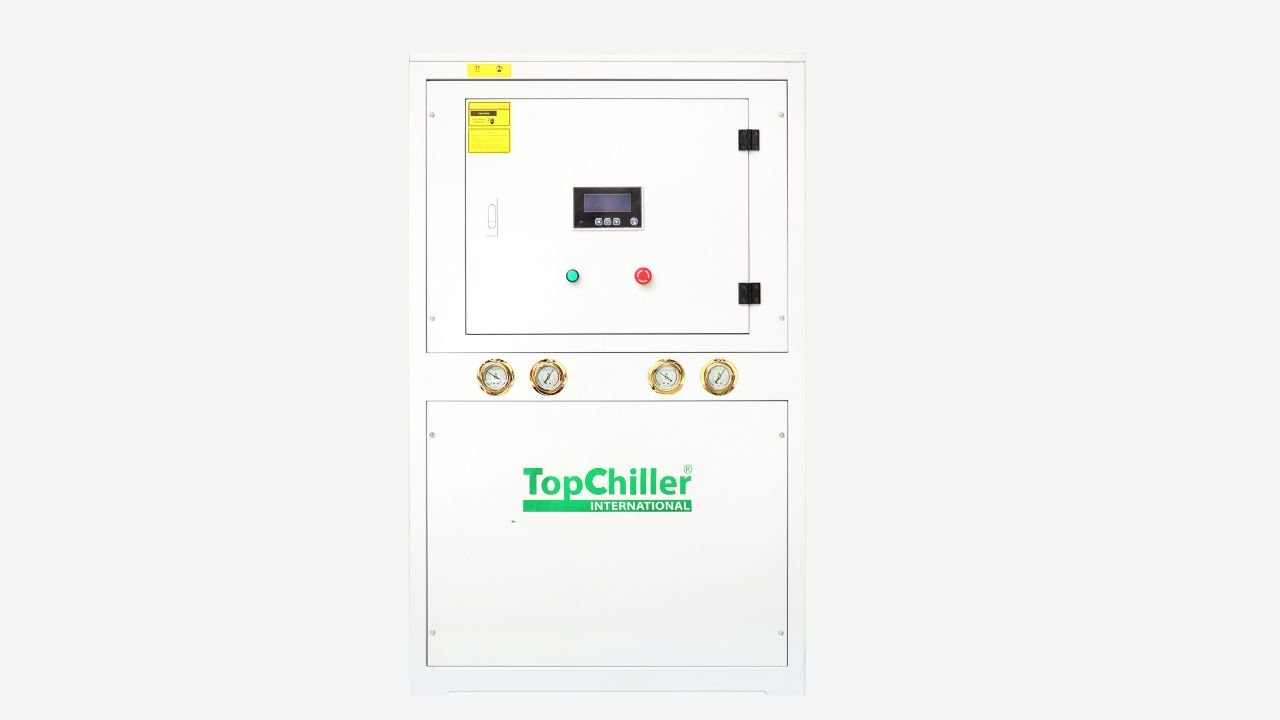
Glycol chillers provide several benefits which make them useful in industries where reliability and temperature accuracy are important. Their performance and design offer both product protection and operational efficiency across different applications.
Provides accurate and consistent temperature control
Glycol chillers help to maintain stable temperatures, this makes sure that processes such as fermentation, brewing, or chemical manufacturing stay within the limit to achieve the best results.
Suitable for different industries
Glycol chillers are useful in different cooling needs and offer some form of reliability. These include their use in HVAC systems, pharmaceuticals, food and beverage, etc.
Long system lifespan
With durable components and glycol solutions that are corrosion resistant, you can achieve extended durability with less maintenance.
Energy Efficiency
Glycol chillers of today make use of advanced controls and compressors that help reduce consumption of power.
Flexible installation options
You can customize these systems for outdoor and indoor setups and adapt them to several print layouts.
Types of Glycol Chillers
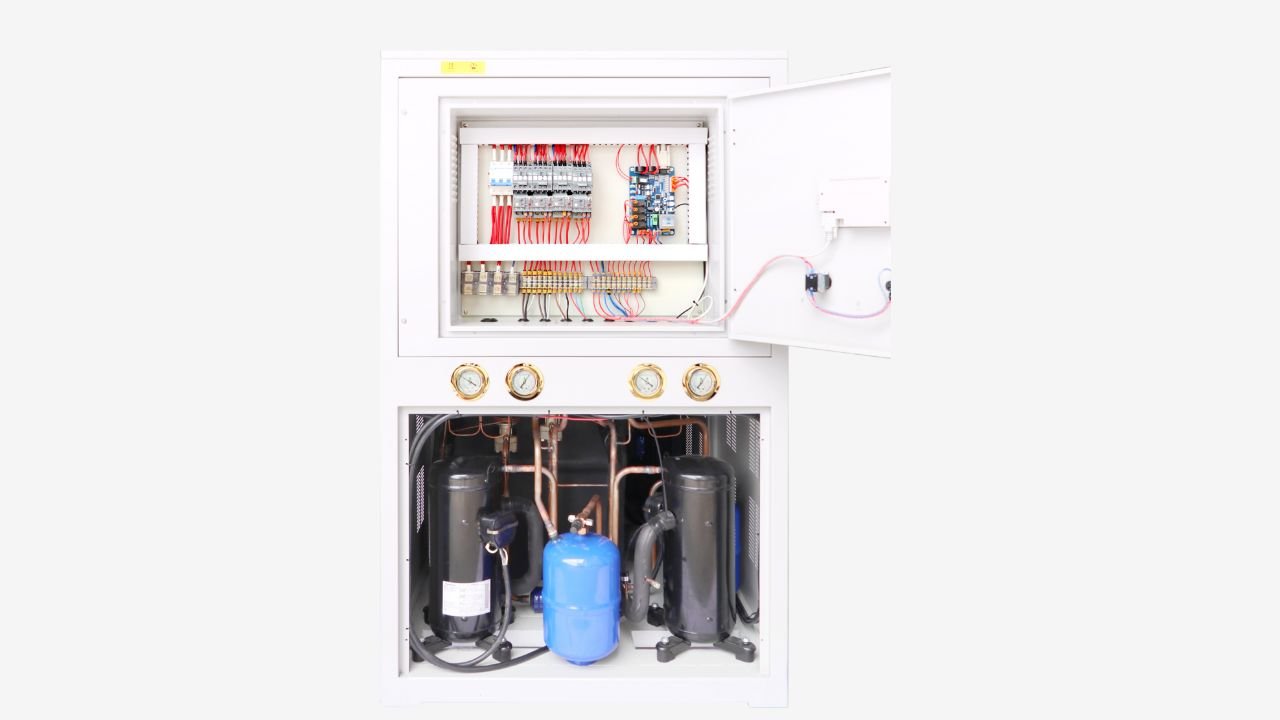
You can categorize these chillers the way they dissipate heat from refrigerants. They are individually designed for unique environmental conditions, operational needs, as well as installation needs.
Air-Cooled Glycol Chillers
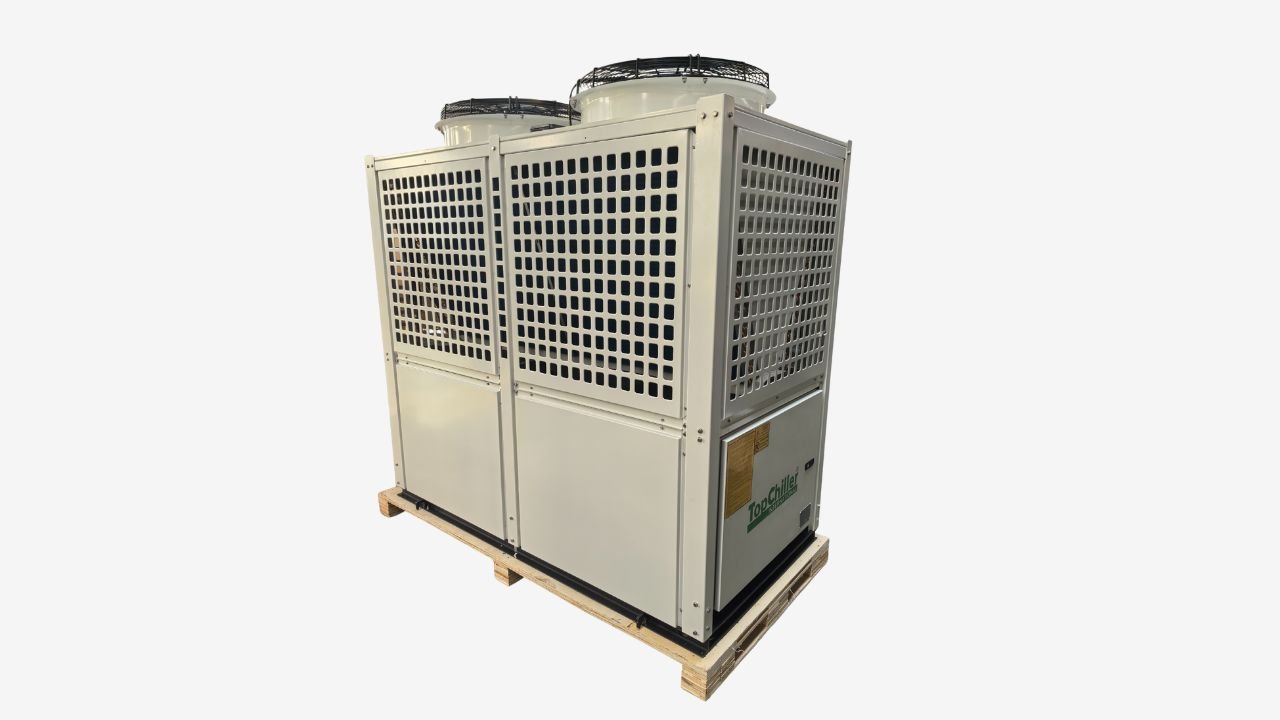
These chillers utilize ambient air for getting rid of heat from refrigerants through a fan system and condenser coil. Installation is easy and they require little maintenance. They are also suitable for facilities where there’s expensive or limited water. However, they don’t perform effectively in extremely hot environments.
Evaporative Glycol Chillers
These chillers combine water and air cooling methods. They make use of evaporation to ensure heat removal, ensuring they are very energy efficient. These systems are applicable for huge industrial plants requiring the best cooling performance with less environmental effect and operational costs.
Water-Cooled Glycol Chillers
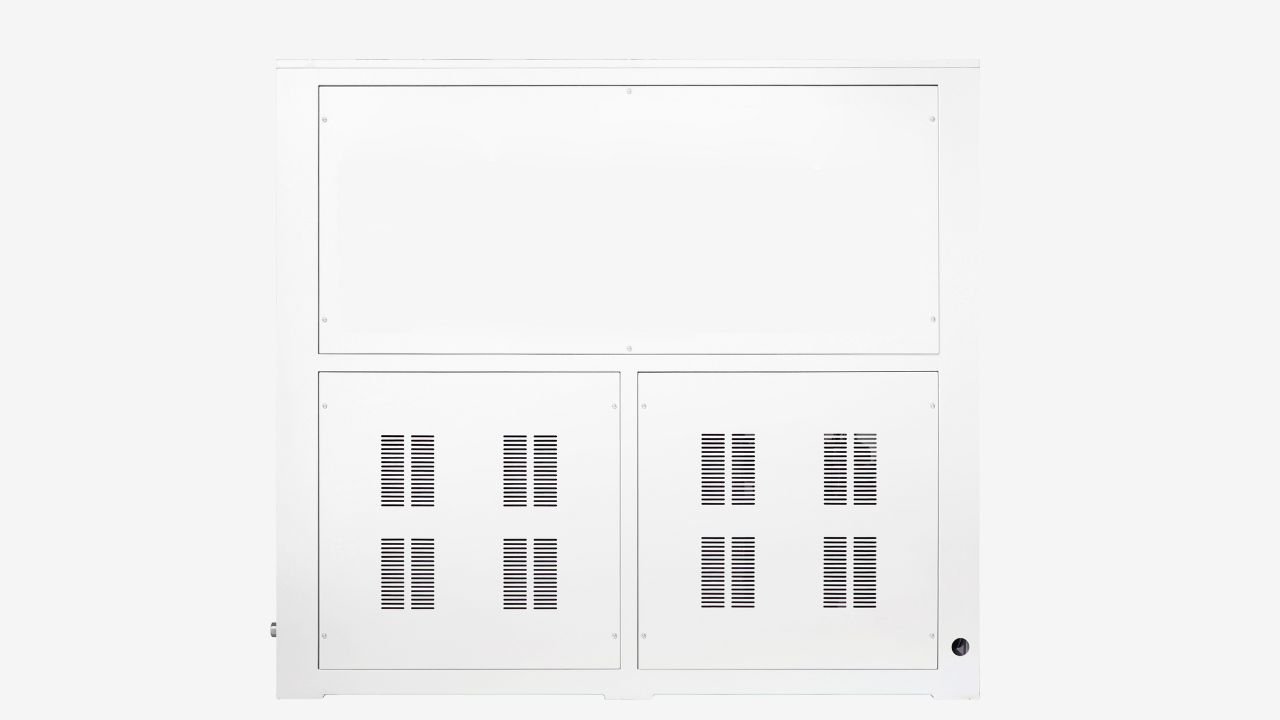
The water-cooled types utilize external water sources or a cooling tower to dissipate heat. They provide greater cooling efficiency and are mostly required for high-demand and large-scale industrial processes. Though they need more water management and installation space, they provide stable performance regardless of the weather condition.
Comparing Other Chiller Types to Glycol Chiller
| Chiller Parameters to Compare | Air-Cooled Glycol Chiller | Evaporative Glycol Chiller | Water-Cooled Glycol Chiller |
| Method of cooling | Utilizes fans and ambient air to remove heat | Combines water and air making use of evaporation for better cooling | Uses a cooling tower and water to reject heat |
| Installation and Maintenance | Installation is easy, requires low maintenance | Moderate efforts required for installation, require water management | Requires more plumbing and cooling tower |
| Best Application | Small and medium facilities | Industrial setups that require performance and energy savings | Large plants requiring consistent cooling |
| Cost | Less infrastructure and low upfront cost | Fair cost, less long-term energy use | Installation is higher. Water costs are also high |
| Energy Efficiency | Moderate efficiency, air temperature dependent | Extremely high efficiency because of the evaporative effect | High efficiency, stable for all climates |
Limitations of Glycol Chillers

Glycol chillers are very efficient and suitable for controlling temperature. However, they have come drawbacks, which users must take note of before they install. These limitations could affect the system performance, maintenance, and cost. They include:
- Large installation space
- Possibility for glycol leakage
- Requires frequent monitoring and maintenance
- Reduces efficiency in very hot climates
- Higher initial cost for the set up
- Environmental and disposal considerations for the glycol mixture
Applications of Glycol Chillers

Glycol chillers are very useful in different industries where accurate regulation of temperature is important. Here are the applications:
Food Processing: This ensures the product remains fresh and bacterial growth all through the manufacturing, cooling, as well as storage.
Beverage and Brewery Industry: It is useful for maintaining the ideal temperatures for fermentation and storage for wine, beer, as well as other beverages.
Pharmaceutical Industry: Helps in maintaining stable temperatures during the formulation, testing, as well as storage of drugs.
Diary Industry: They are useful for quick cooling and storage of milk to extend the shelf life and maintain the quality.
Cold Storage Facilities: This ensures that the surface remains frozen and ensures that they maintain consistent and low temperatures for proper preservation.
Plastic and Chemical manufacturing: Here, glycol chillers prevent overheating, control the reaction temperature, and support continuous functioning.
HVAC Systems: Glycol chillers ensure enough temperature control for laboratories, data centers, and commercial buildings.
How to Size a Glycol Chiller

Sizing the glycol chiller properly is important for effective energy saving and cooling performance. This process starts by determining the heat load, which indicates the heat that must be removed by the system. It is dependent on factors like process duration, temperature difference, and product volume.
Next, check the cooling capacity, making sure that the chiller has what it takes to handle high demands without facing overloads. Also, the surrounding humidity and temperature, and the glycol concentration influences the size of the chiller as they affect the freezing protection and system efficiency.
In addition, consider the pipe length and flow rate requirements, which determines the circulation efficiency and pump power. It is advisable to add a safety margin between 10 and 20 percent to sudden load increases.
Consulting an HVAC professional and checking manufacturer charts will help achieve optimal operation, proper sizing, and prolonged performance for glycol chiller systems.
How to Maintain Your Glycol Chiller
It is important to maintain your glycol chiller properly to ensure lasting performance, great temperature control, and reliable energy efficiency. Regular checks starts with checking the concentration of glycol, which normally should fall between 30% and 50%. This prevents corrosion and freezing.
Furthermore, check the glycol solution for debris, discoloration, and contamination, and replace it occasionally to ensure fluid quality is maintained. Also, clean the air filter and condenser coils regularly to ensure better heat transfer and airflow.
Monitor the pressure gauges, refrigerant levels, and pump operation to check signs of mechanical problems or leaks early. Also, it is important to flush the system and refill it every year to prevent bacterial growth and scale.
Also, check all the temperature sensors and electrical connections and ensure they are functioning properly. When you keep a maintenance log, it helps in tracking service intervals and inspections. Consistent maintenance helps to reduce energy costs, downtime, as well as extend the glycol chiller’s lifespan. This ensures a reliable cooling performance all through.
Conclusion
Glycol chillers form an important system for industries that require accurate temperature control as well as great cooling performance. By maintaining, installing, and sizing properly, it ensures equipment longevity, product quality, as well as consistent efficiency. Gaining knowledge about the components, applications and types ensures that users can choose and use the best chillers.
FAQs
What differentiates a glycol chiller from regular water chillers?
Glycol chillers make use of glycol-water mixtures for cooling, which prevents corrosion and freezing. For regular water chillers, they rely mainly on water, which limits their performance in applications that require low temperatures.
What is the most suitable glycol-to-water ratio for the best chiller performance?
The usual ratio of 30 to 50% glycol to water offers efficient freeze protection, better heat transfer, and corrosion resistance. This ratio depends on the conditions of the environment and the operating temperature.
How can you size glycol chillers for a specific application?
Determine the product volume, preferred range of temperature, total heat load, and the duration of the process, then select a chiller that has enough cooling capacity as well as a safety margin to accommodate high demand conditions.
Can you use glycol chillers for both cooling and heating processes?
Yes you can. Working with the appropriate control and configuration system, you can use glycol chillers for both cooling and heating by circulating glycol (temperature regulated) through storage systems or process equipment.
How often should you maintain or replace glycol in chiller systems?
Inspect the quality of glycol every 6 months and then within 1-2 years, try to replace it. Failure to do this leads to discolored, contaminated or signs that show less effectiveness.


 English
 Spanish
 Arabic
 Vietnamese

