

Buying air-cooled chillers isn’t about choosing the lowest-priced system. It’s about balancing long-term operating costs, cooling efficiency and your process cooling requirements.
An undersized chiller may reduce upfront investment, but it can struggle to meet the cooling demands, while an oversized system will waste energy alongside higher initial capital investment.
In this guide, we will break down the chiller prices beyond the estimated initial investment to other cost drivers to help you make an informed decision.
What Is the Average Cost of an Air-Cooled Chiller?
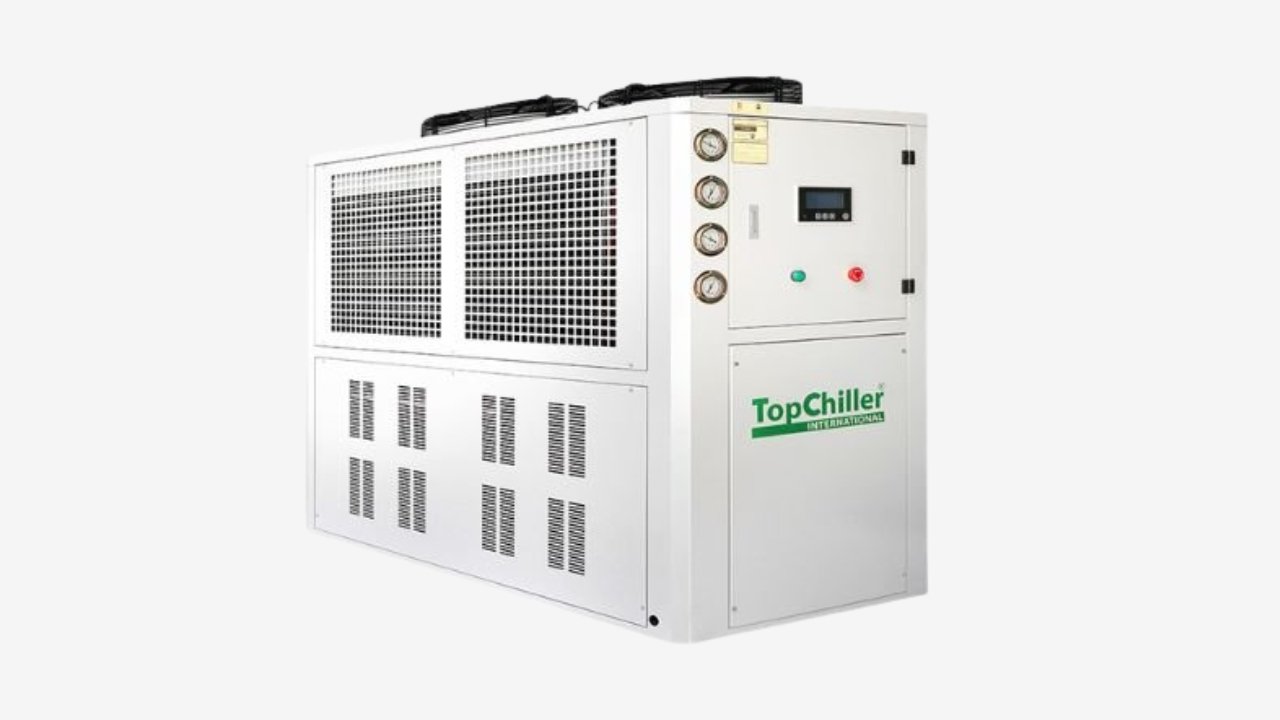
The price of air-cooled chillers depends on the cooling capacity and size required for the application. Small systems can cost as low as $3,000 to $10,000 and for medium-sized models, costs range from $10,000 to $30,000. Large industrial systems can cost $30,000 to $100,000 or more.
The cost of air-cooled chillers is largely driven by the system’s cooling capacity. Larger systems come with larger components, such as larger and more powerful compressors. Better energy efficiency, advanced control systems, and quality materials affect the unit price too.
For an accurate quotation, send us your cooling requirements and project for our experts to recommend the right chiller size.
Main Factors That Affect Air-Cooled Chiller Cost
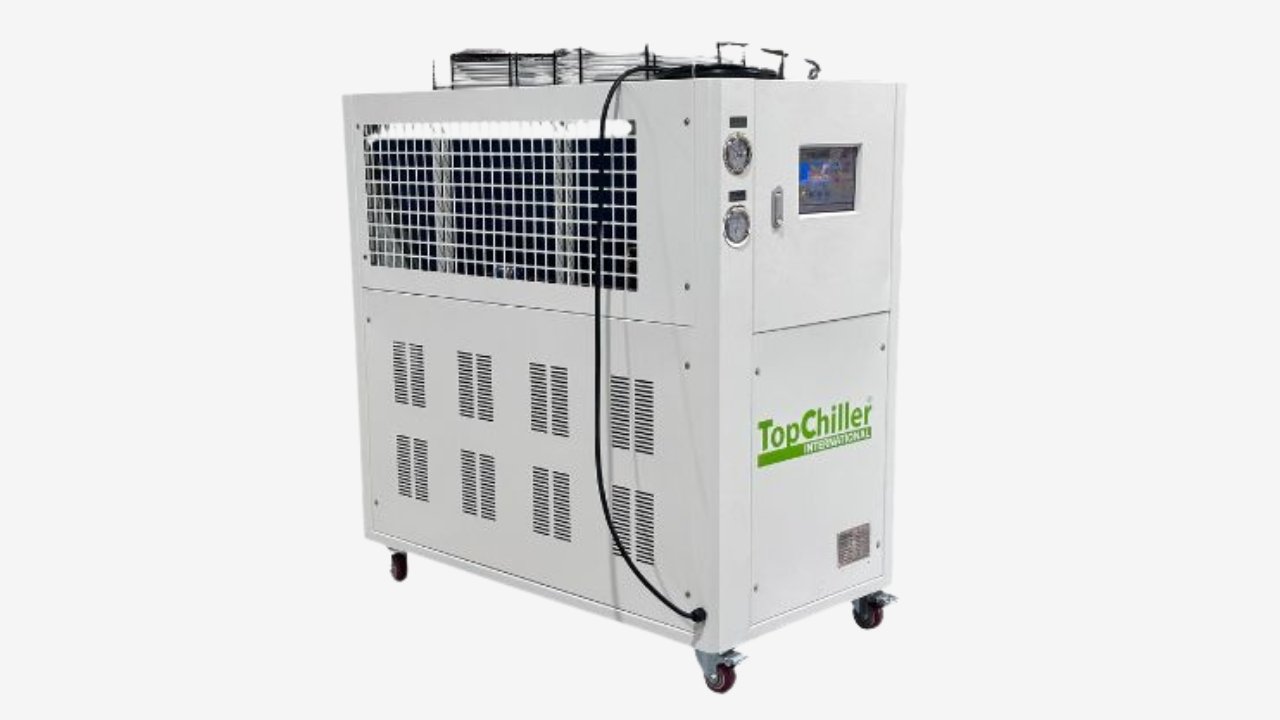
· Chiller Components and Build Quality
The use of high-grade components increases the strength and life span of equipment. High-grade components also safeguard key components against corrosion, vibration, and other damaging factors of the work environment. While high-quality construction increases the cost of purchase, it minimizes the need for maintenance and provides consistent performance.
· Operating Temperature Requirements
Low operating temperature needs higher cooling capacity and advanced chiller systems. Effective temperature regulation also needs reliable compressors, good sensors, and effective control systems. Such equipment features are expensive but ensure stable performance.
· Cooling Capacity
The cooling capacity determines the size of the system, compressor capacity, and the system’s configuration. Increased cooling requirements mean more robust components that automatically increase the cost of the equipment. Correctly sized components improve equipment efficiency while reducing energy and operational costs.
· Energy Efficiency
Energy efficient chillers utilize less power during their normal operations, thus ensuring reduced operating costs. The efficiency can be increased using efficient compressors, heat exchangers, and control systems. Increased costs for buying are usually compensated by reduced bills and reliable performance.
· Compressor Type
The compressor powers the entire system and influences its cooling capacity. The scroll compressors are suitable for smaller systems, and screw compressors are used for large-scale cooling systems. Selecting an appropriate compressor increases efficiency and lowers operating costs.
· Brand and Manufacturer
Well-known brands always spend more money on engineering and product testing prior to production, which makes their products of higher quality. Also, good technical support and availability of replacement parts make famous brands worth choosing. Sometimes cheaper options work better initially, but the quality of products may vary.
· Customization Requirements
Off-the-shelf air-cooled chillers generally have lower prices due to their conformity to typical production standards. Any additional customization such as custom controls, voltage or weather resistance may require higher engineering which results to higher manufacturing costs. It is always a good idea to choose only necessary customizations to save on expenses.
Additional Costs Beyond the Initial Purchase
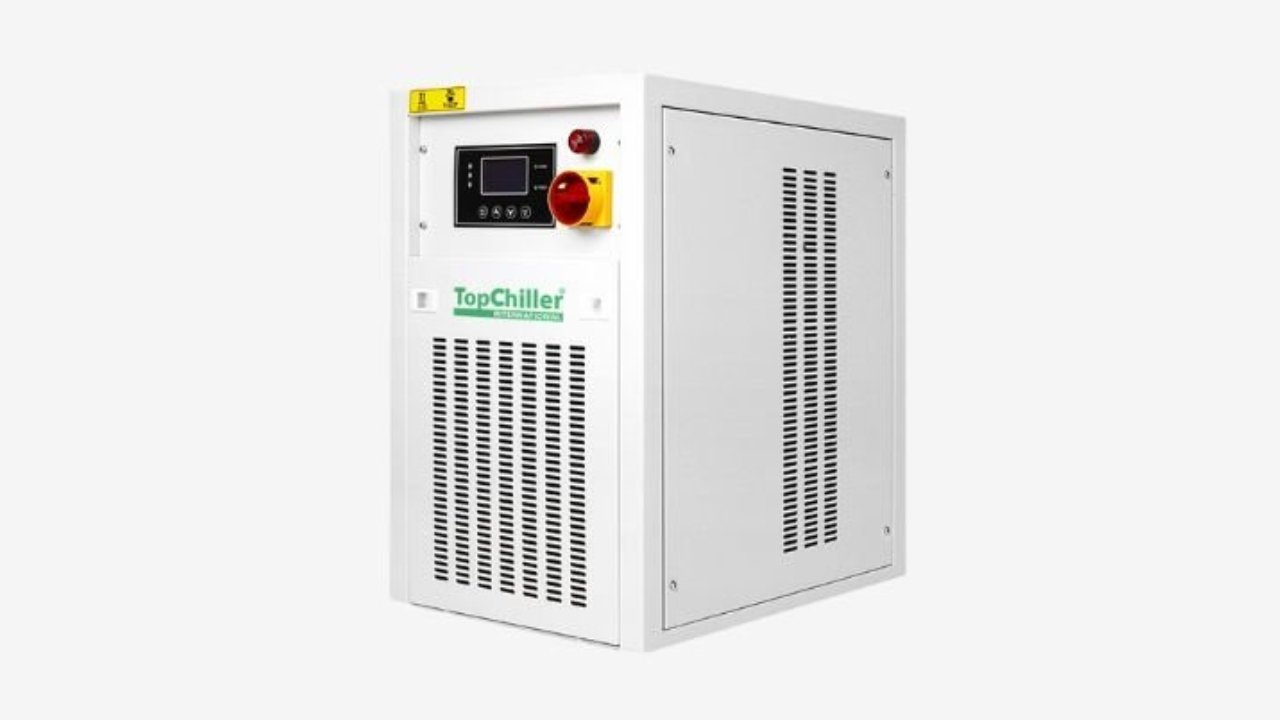
· Installation Costs
Chillers must be installed by professionals to ensure safe and effective operations. The costs of installation depend on the size of the equipment and the site, the amount of labor required, and project complexity. Correct installation also helps to avoid future operational problems and supports effective long-term performance.
· Shipping and Transportation
Due to their size and weight, large air-cooled chillers require special transportation. Costs of shipping increase depending on the distance for delivery, special handling, and protective packaging. Safe shipping helps ensure that no damage to the equipment is done prior to the installation.
· Replacement Parts and Repairs
All air-cooled chillers normally experience wear of parts in the course of normal operation. The cost of replacement parts is determined by the quality of the equipment, the way it is used, and the maintenance performed. When spare parts are easy to obtain, repairs are done quickly.
· Water Treatment (When Required)
There are certain cooling units that are fitted with water circuits to cool connected equipment. Good water quality is necessary to minimize scaling, corrosion, and heat transfer inefficiency. Water treatment ensures good performance for the equipment and reduces maintenance costs.
· Electrical and Piping Work
Electric and plumbing work constitutes an important part of the total installation cost. The cost depends on the wiring needs, pipe design, distance of connections, and other factors. Proper installation ensures safety and increases the cooling efficiency.
· Routine Maintenance Expenses
The routine maintenance ensures that air cooled chiller works efficiently throughout its lifetime. It involves constant inspections and component checks. This help in identification of small problems before they develop into major repairs which can be costly.
Air-Cooled Chiller Price Comparison by Industry
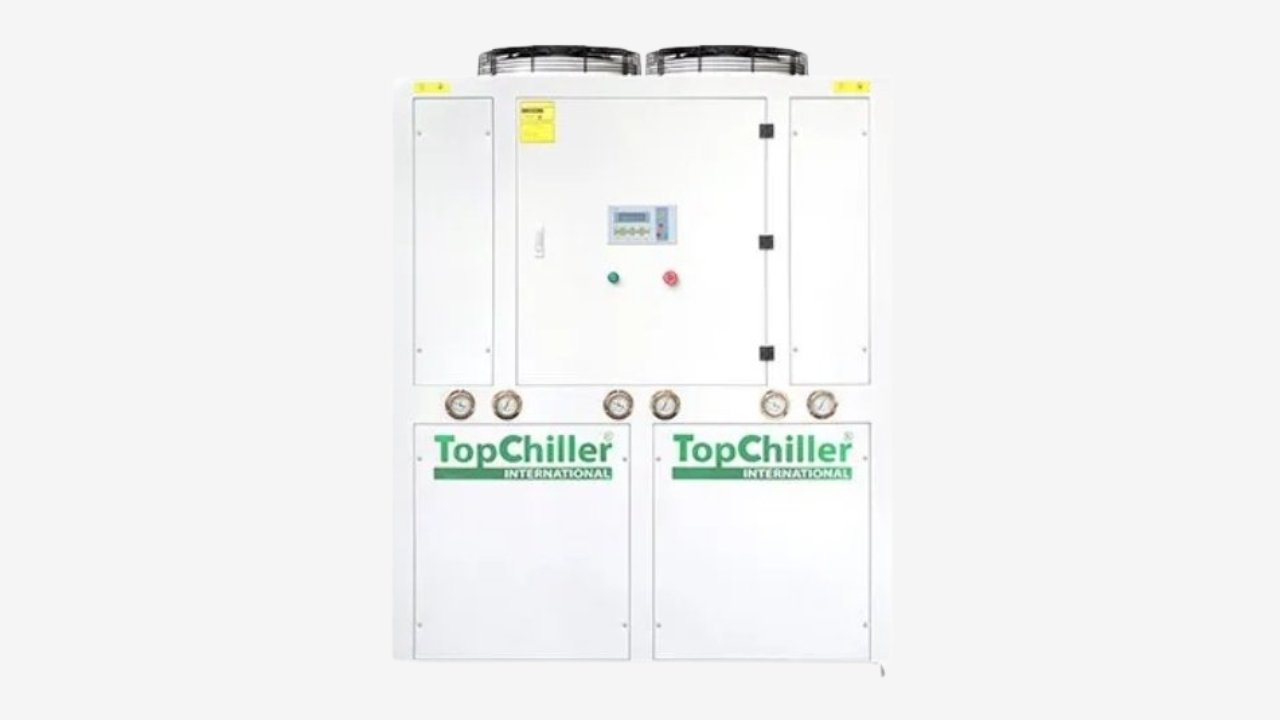
| Industry/Application | Typical Cooling Capacity | Estimated Price Range | Common Features |
| Food & Beverage | 5 to 100 tons | $5,000 to $60,000 | Available in stainless steel, advanced energy control systems, |
| Laboratory | 1 to 20 tons | $3,000 to $20,000 | Compact design, easy to install, operate with less noise, good temperature control systems |
| Chemical Processing | 20 to 200 Tons | $20,000 to $120,000 | Made of materials resistant to corrosion, durable and has heavy-duty compressors |
| Pharmaceutical | 5 to 100 tons | $8,000 to $80,000 | Reliable operation, advanced control systems and good temperature control systems |
| HVAC & Commercial Buildings | 20 to 300 tons | $15,000 to $150,000 | Good cooling capacity, weather-resistant construction, and has good energy-saving controls. |
| Plastic Processing | 5 to 150 tons | $6,000 to $90,000 | Fast cooling, durable, and dependable temperature control |
Tips for Reducing Air-Cooled Chiller Costs
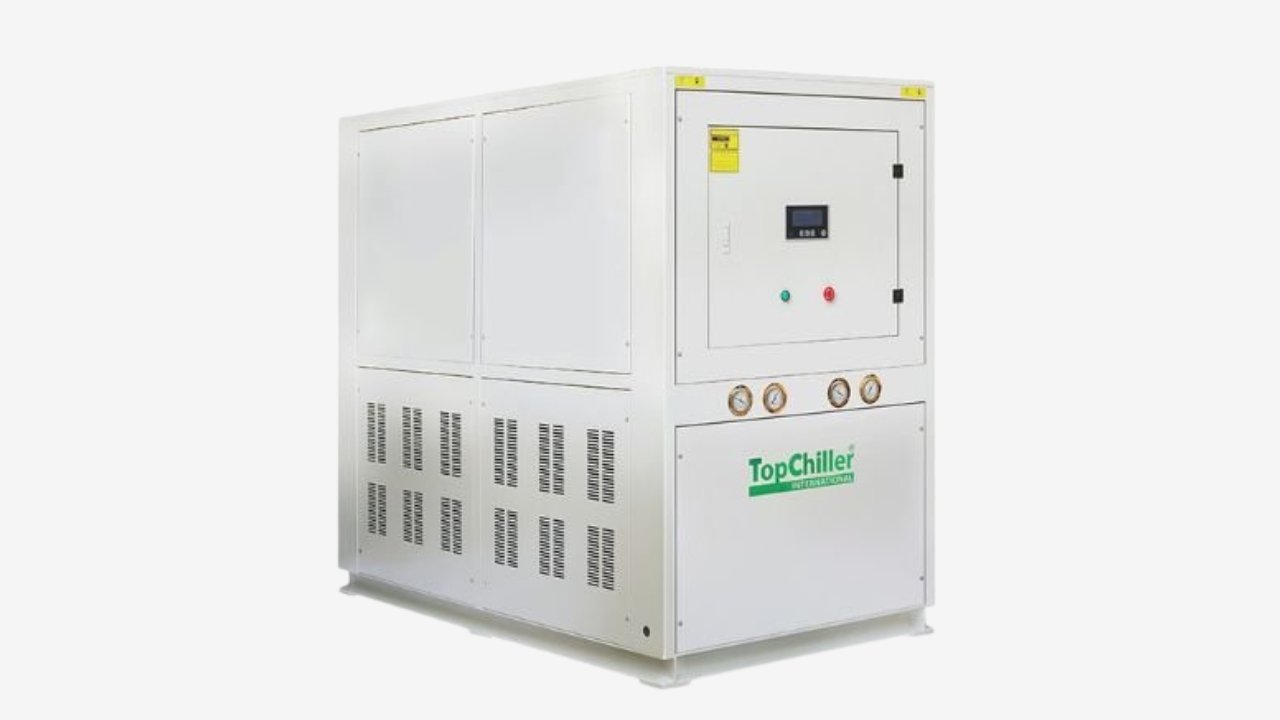
Minimization of air-cooled chiller cost is only possible through making informed purchases and maintenance decisions. Here are what you should do to minimize both initial and future cost.
- Pick the right size cooling capacity. Properly sized chiller uses less energy and saves you money on operating expenses.
- The efficiency of a chiller directly affects the operating cost. Always compare efficiency ratings of various chillers before buying.
- Carry out periodic maintenance to prevent expensive repairs in the future.
- Avoid unnecessary customization since standard model chiller can also adequately serve your cooling needs and be more cost effective.
- Request and compare offers to obtain the best price, warranty, and service and support for the air-cooled chillers being offered.
- For optimal operational performance and cost efficiency, air-cooled chillers should be installed as per the manufacturer’s specifications.
FAQs
How long does an air-cooled chiller typically last?
Air-cooled chillers generally have a lifespan of 15 to 20 years if maintained properly.
Is a More Expensive Air-Cooled Chiller Worth the Investment?
Yes. Generally, costlier models are known to cut down on energy bills, as well as repair and maintenance expenses.
Can an air-cooled chiller be expanded if cooling demand increases?
There are some that can be expanded, but it all depends on the design of the air-cooled chiller.
How often should an air-cooled chiller be serviced to maintain performance?
For most of the systems, it is recommended to get them serviced every 6 to 12 months.
Get Competitive Air-cooled Chiller Prices from ChillerOne
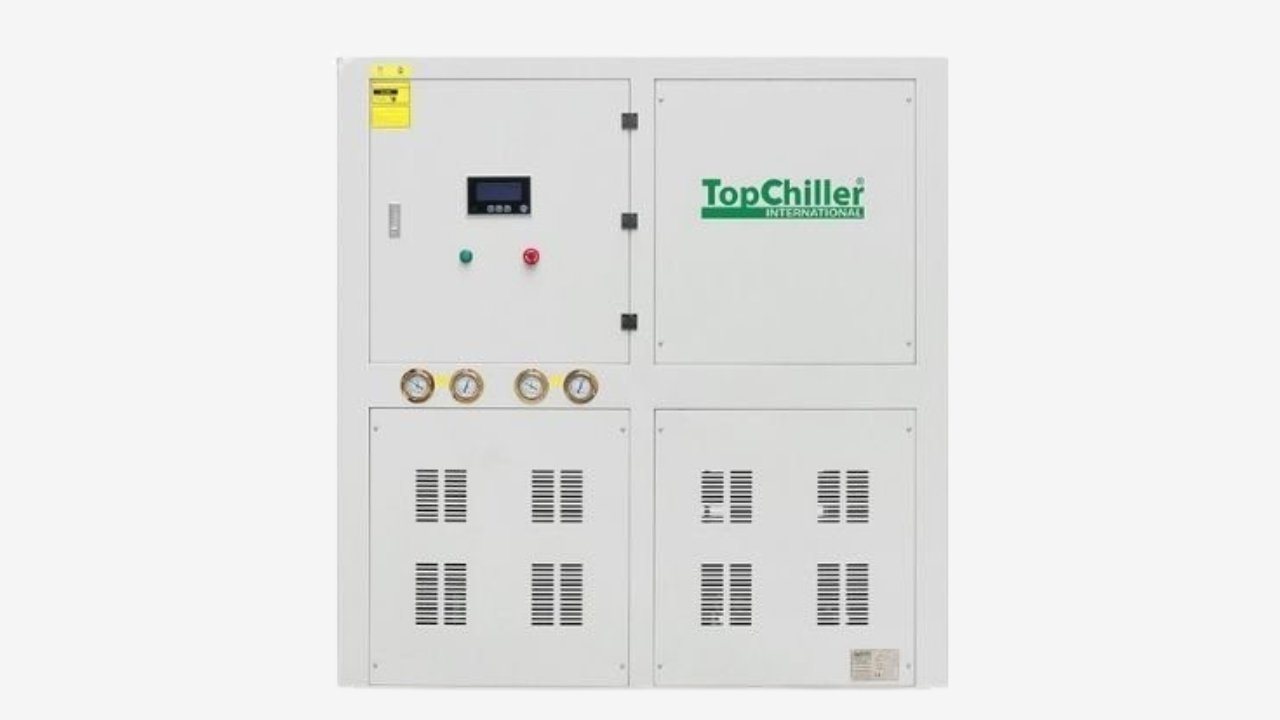
With over 20 years of experience in the industry, ChillerOne is a leading chiller systems manufacturer in China. In every purchase, we work with your team and recommend the right chiller design based on your cooling needs, environmental conditions, applications, and operating temperature.
Contact us today and let ChillerOne engineers size your chillers.


 English
 Spanish
 Arabic
 Vietnamese

