

International Brands We Collaborate With


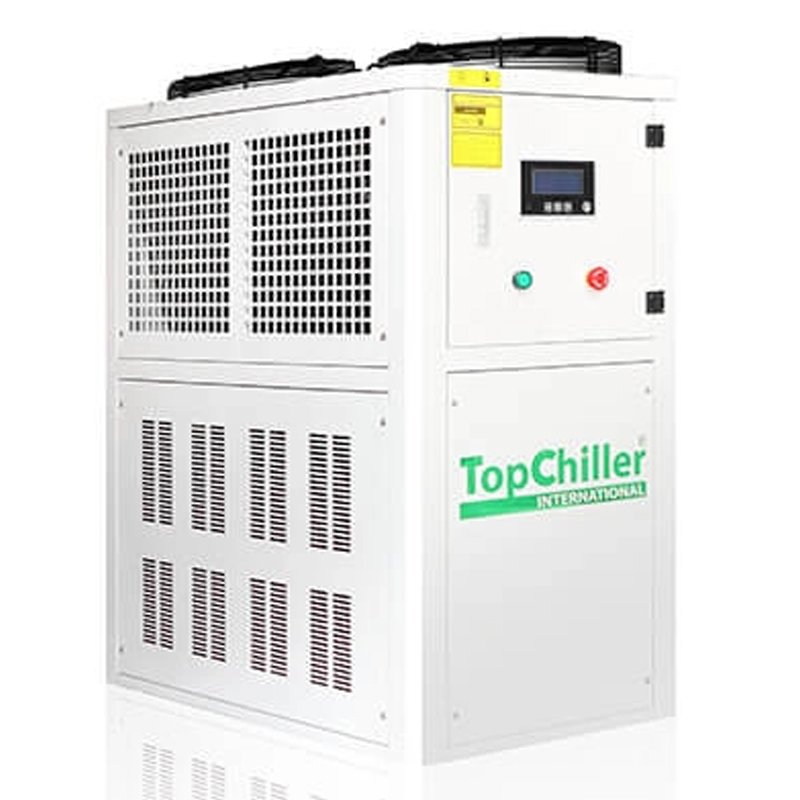
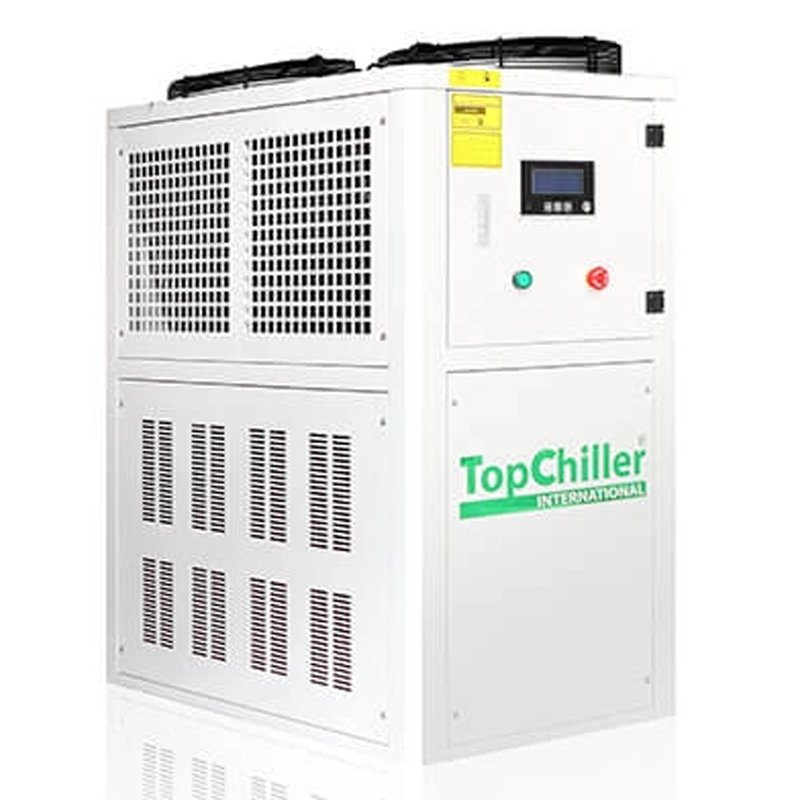
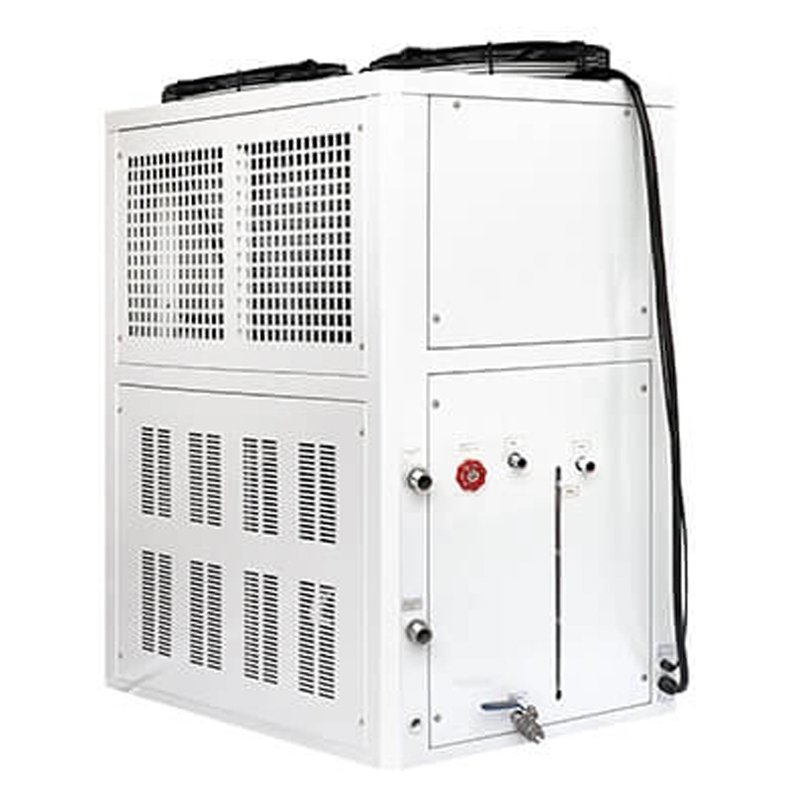
Hydraulic Oil Chiller Manufacturer and Supplier China
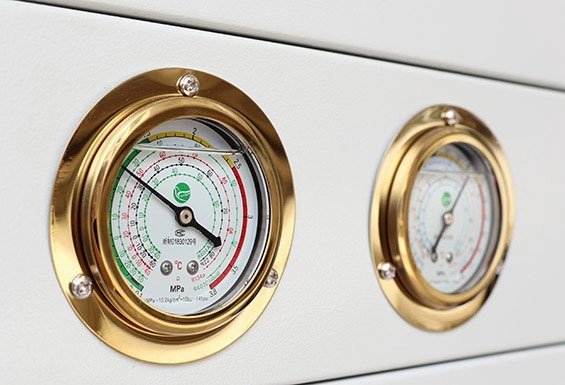
- Cooling capacity ranges from 1.75kW to 35kW
- Temperature control ranges 10°C to 50°C
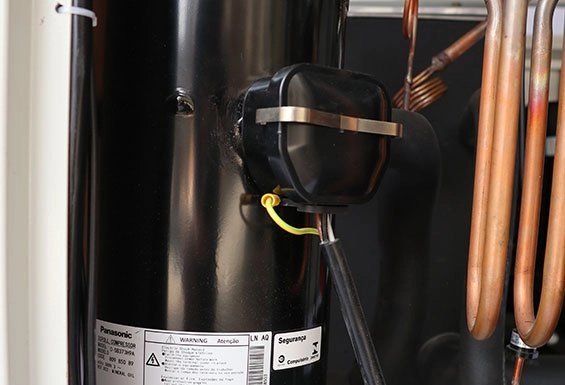
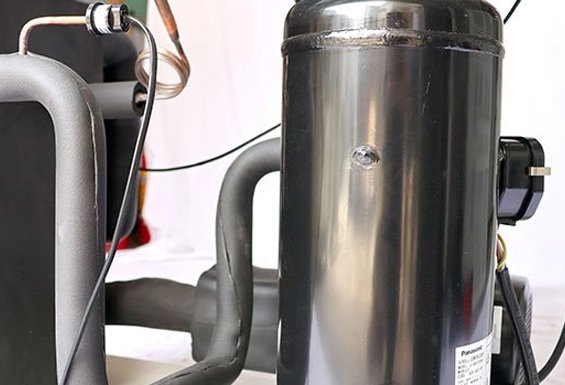
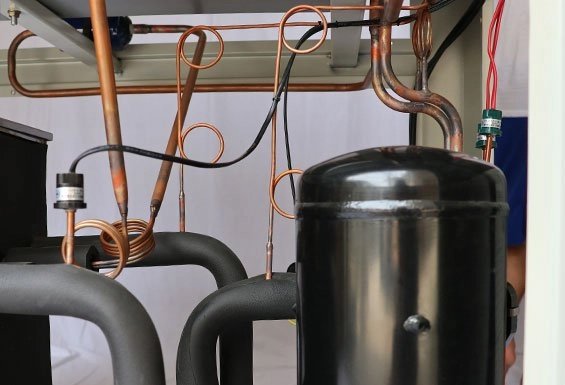
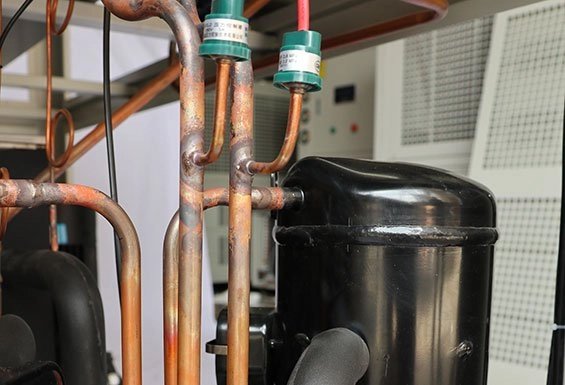
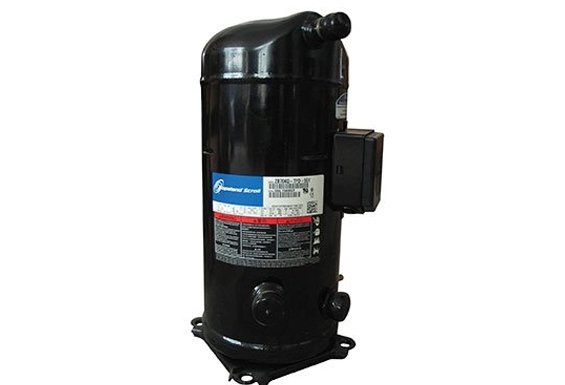
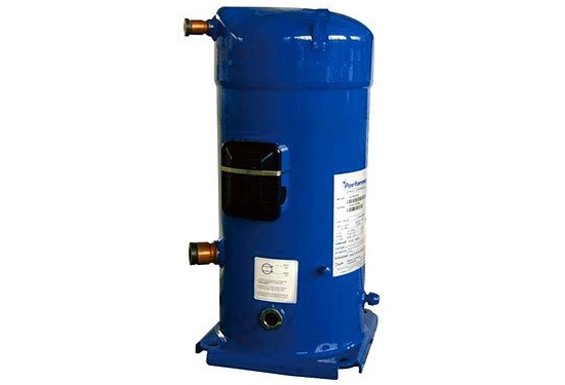
- Energy-efficient top branded compressor
- Air-Cooled, fin & tube type branded condenser
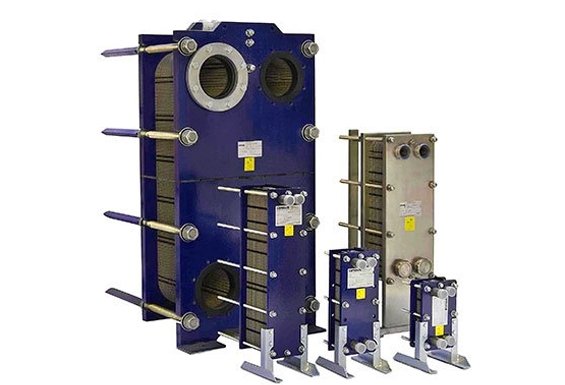
- Brazed Plate energy efficient Heat Exchanger
- High-pressure pump for oil & glycol solution
- Open-loop with media tank & low noise level
- Indoor and outdoor installation with protection
Your Leading Hydraulic Oil Chiller Manufacturer in China
ChillerOne hydraulic oil chiller is a continuous and high-load capacity cooling system specially designed to protect your hydraulic system. By maintaining the optimal working temperature of hydraulic oil, these chillers will protect your hydraulic systems from leaking, friction, or overheating due to changes in viscosity.
Unlike other chiller systems, these hydraulic oil chillers are integrated into the hydraulic system unit. Their oil-to-refrigerant heat exchanger removes unwanted heat from hydraulic oil to maintain the desired oil viscosity.
For higher heat transfer efficiency, we use shell and tube or braze plate heat exchangers. These heat exchangers have a larger surface area for fast and efficient heat transfer, and this reduces the operational costs.
Additionally, the closed-loop and targeted cooling process removes excess heat from oil, directly guaranteeing efficiency and precise cooling.
Protect your hydraulic system today by investing in a compact and robust chiller system. Our hydraulic oil chillers can be sized to match the cooling requirements in various hydraulic systems in injection molding, heavy machinery, metal stamping, or any other industry – Download our product catalogue now.
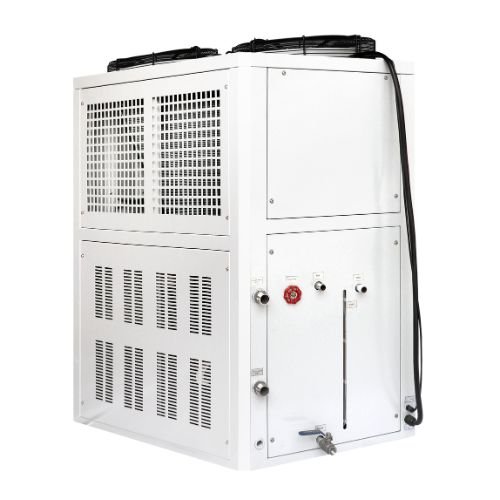
Our industrial unit keeps machinery running smoothly by maintaining stable oil temperatures during continuous operation.
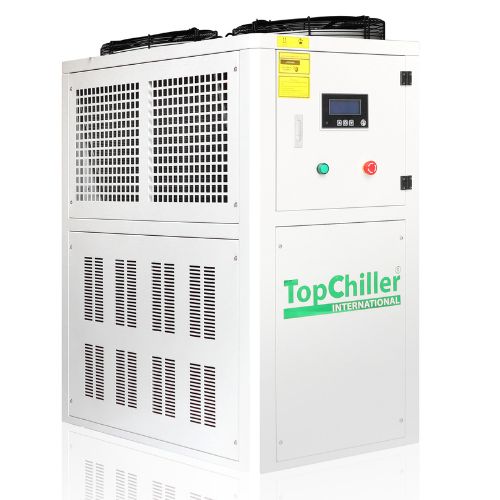
This air-cooled model offers reliable cooling without needing a water supply, perfect for workshops and factories.
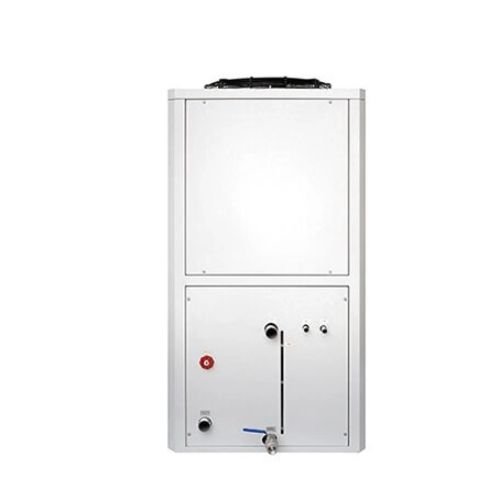
Our CNC oil chiller protects machine accuracy by preventing oil overheating during high-speed cutting and machining.
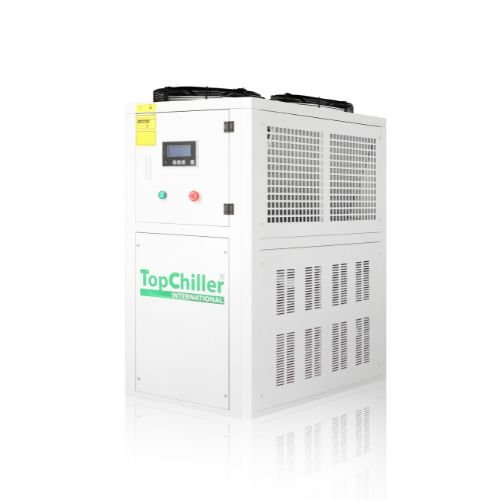
Designed for precision systems, this model delivers colder oil temperatures for sensitive or high-heat environments.
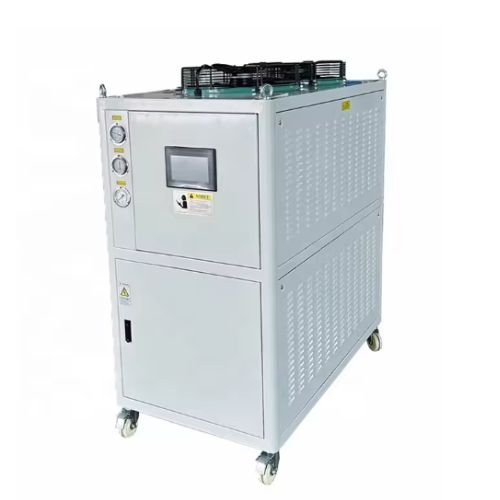
This system cools the entire oil tank, ensuring uniform temperature control and longer equipment life.
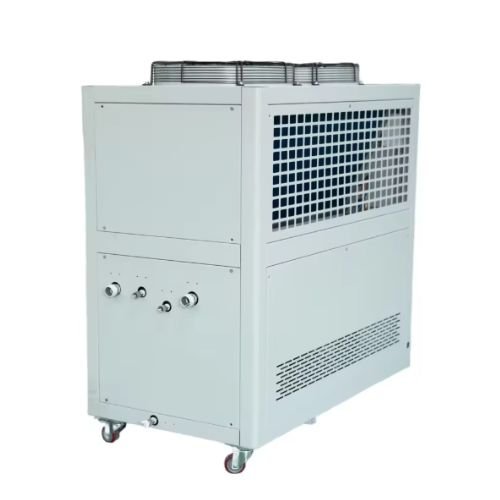
Built for everyday use, this chiller keeps hydraulic systems stable and prevents heat-related downtime.
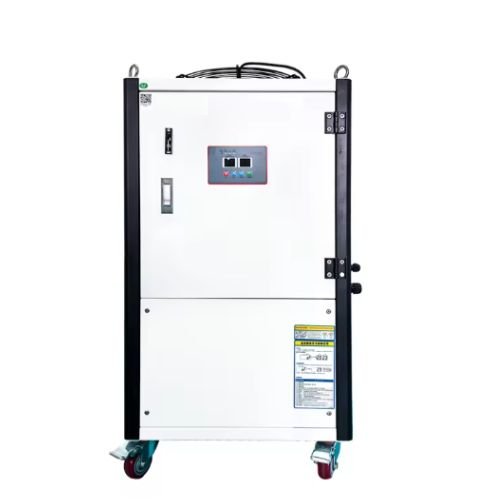
Perfect for spindle motors, this unit maintains consistent oil temperature to protect bearings and reduce vibration.
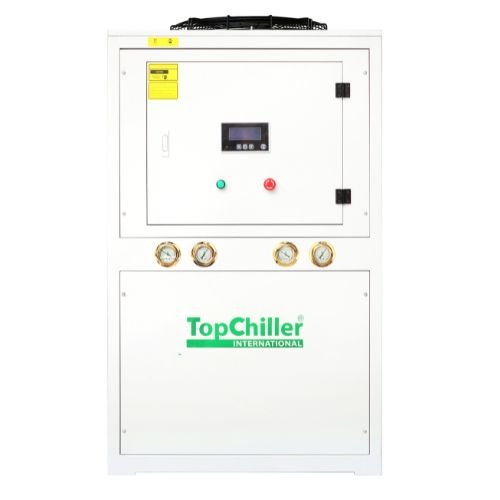
Equipped with dual pumps, this design supports two circuits or higher demand systems for reliable cooling.
Reliable Certification
With complete ISO & CE credentials, our hydraulic oil chiller features reliable heat exchange and extends the service life of whole hydraulic drive assemblies..


- Specification
- Video
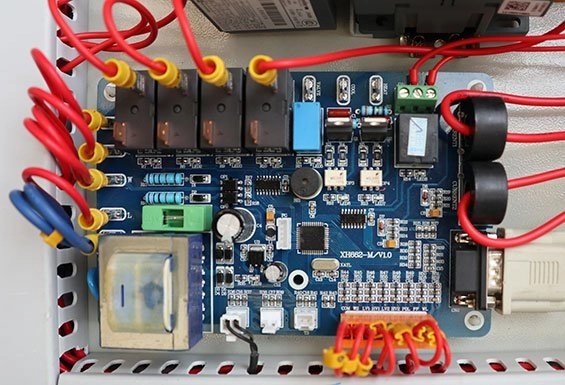
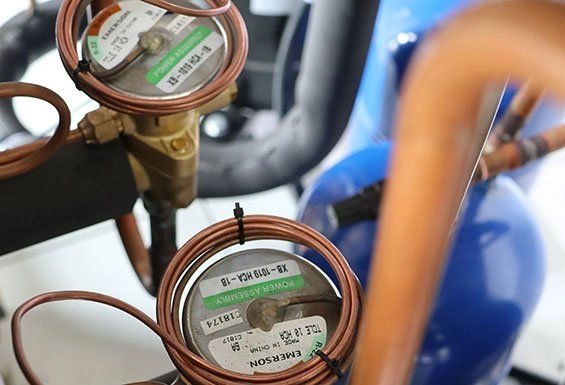
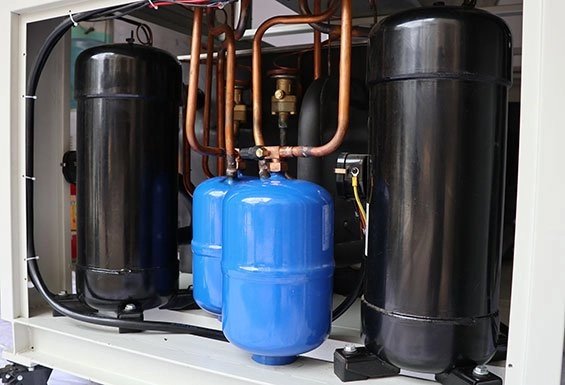
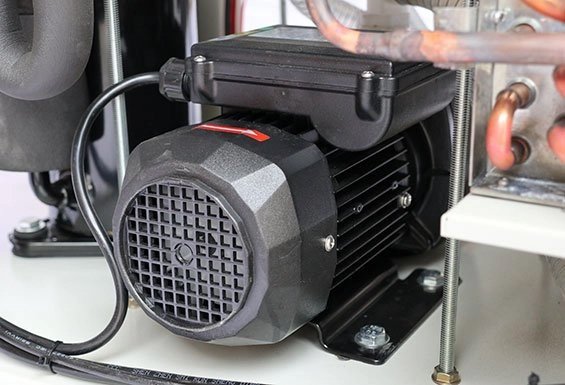
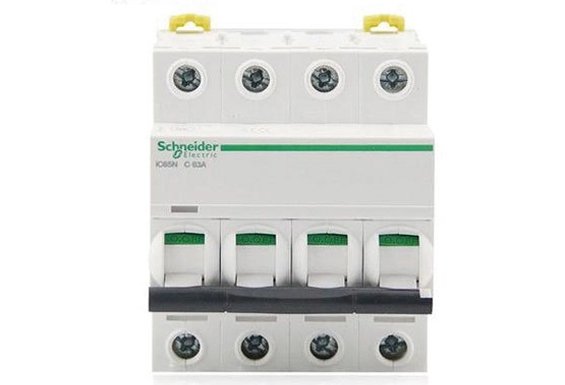
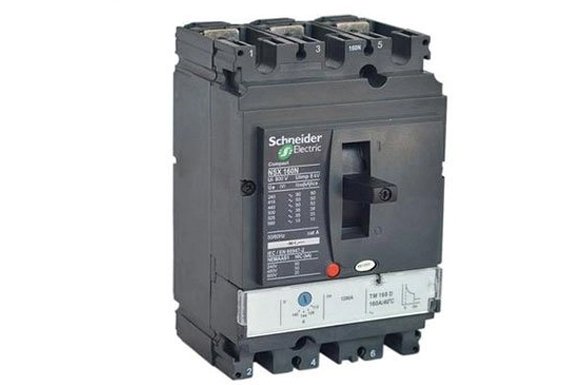
- VideoSpare Parts
- Successful Application Examples
Hydraulic Oil Chiller Technical Specifications
| Item\Model | AC-0.5A | AC-1A | AC-1.5A | AC-2A | AC-2.5A | AC-3A | AC-4A | AC-5A | AC-6A | AC-8AD | AC-10AD | AC-12AD | AC-15AD | AC-20AD | AC-25AD | AC-30AT | |
| Cooling capacity | Kcal/h 50HZ/60HZ | 1419 | 2451 | 3182 | 4833 | 5848 | 7181 | 9288 | 11988 | 14534 | 18576 | 23994 | 29068 | 38270 | 49966 | 58480 | 74922 |
| 1703 | 2941 | 3784 | 5800 | 7018 | 8617 | 11146 | 14386 | 17441 | 22291 | 28793 | 34882 | 45924 | 59959 | 70176 | 89990 | ||
| KW 50HZ/60HZ | 1.65 | 2.85 | 3.7 | 5.62 | 6.8 | 8.35 | 10.8 | 13.94 | 16.9 | 21.6 | 27.9 | 33.8 | 44.5 | 58.1 | 68 | 87.2 | |
| 1.98 | 3.42 | 4.4 | 6.74 | 8.2 | 10.02 | 12.96 | 16.73 | 20.28 | 25.92 | 33.48 | 40.56 | 53.4 | 69.72 | 81.6 | 104.64 | ||
| Input power | KW | 0.88 | 1.35 | 2 | 2.25 | 2.66 | 3.27 | 4.07 | 5.75 | 6.45 | 8.25 | 11.5 | 12.9 | 17.45 | 21.73 | 25.4 | 33.1 |
| Max Current | A | 5.4 | 8.2 | 12 | 13.6 | 6.6 | 8.2 | 10.1 | 13.8 | 15.5 | 20 | 27.9 | 31.3 | 42.4 | 52.7 | 63.7 | 80.2 |
| Power source | 1PH~220V/3PH~220V/380V 50HZ/60HZ | 3PH~380V/415V/480V~50HZ/60HZ(3PH~200V/220V 50HZ/60HZ) | |||||||||||||||
| Refrigerant | Type | R22/R407C/134a/404A/410A | |||||||||||||||
| Control | Capillary / thermostatic expansion valve | ||||||||||||||||
| Compressor | Type | Hermetic Rotary | Hermetic scroll ( piston ) | ||||||||||||||
| Power(KW) | 0.45 | 0.89 | 1.3 | 1.73 | 2.1 | 2.7 | 3.5 | 4.55 | 5.25 | 3.5×2 | 4.55×2 | 5.25×2 | 7×2 | 8.96×2 | 10.8×2 | 8.96×3 | |
| Condenser | Type | Efficient finned copper tube with aluminum+low noise external rotor fan | |||||||||||||||
| Air flow (m³/h) | 750 | 1000 | 1500 | 2000 | 2500 | 3000 | 4000 | 5000 | 6000 | 8000 | 10000 | 12000 | 15000 | 20000 | 25000 | 30000 | |
| Air blower(KW) | 0.06 | 0.09 | 0.15 | 0.15 | 0.19 | 0.14×2 | 0.14×2 | 0.19×2 | 0.19×2 | 0.25×2 | 0.45×2 | 0.45×2 | 0.6×2 | 0.78×2 | 0.78×2 | 0.42×6 | |
| Evaporator | Type | SS Tank coil / shell and tube type / Plate type heat exchanger | |||||||||||||||
| Chilled water (m³/h) | 0.28 | 0.49 | 0.64 | 0.97 | 1.12 | 1.44 | 1.86 | 2.4 | 2.91 | 3.71 | 4.8 | 5.81 | 7.65 | 10 | 11.69 | 15 | |
| 0.34 | 0.59 | 0.76 | 1.16 | 1.4 | 1.72 | 2.23 | 2.88 | 3.49 | 4.46 | 5.76 | 7 | 9.18 | 11.99 | 14.03 | 18 | ||
| Water tank(L) | 10.6 | 18.3 | 27 | 27 | 50 | 50 | 60 | 60 | 110 | 120 | 200 | 200 | 270 | 350 | 350 | 420 | |
| Inlet/outlet pipe (inch) | 1/2″ | 1/2″ | 1/2″ | 1/2″ | 1″ | 1″ | 1″ | 1″ | 1″ | 1-1/2″ | 2″ | 2″ | 2″ | 2″ | 2-1/2″ | 2-1/2″ | |
| Oil pump | Power (kw) | 0.37 | 0.37 | 0.37 | 0.37 | 0.37 | 0.37 | 0.37 | 0.75 | 0.75 | 0.75 | 1.5 | 1.5 | 2.2 | 2.2 | 2.2 | 4 |
| Max lift(m) | 22 | 22 | 22 | 22 | 22 | 22 | 22 | 30 | 30 | 25 | 25 | 25 | 28 | 28 | 28 | 30 | |
| Max flow (m3) | 5.4 | 5.4 | 5.4 | 5.4 | 5.4 | 5.4 | 5.4 | 8.1 | 8.1 | 8.1 | 13.5 | 13.5 | 25.2 | 25.2 | 25.2 | 36 | |
| Safety protection | Compressor inner protection, over current protection, high/low pressure protection, over temperature protection, flow rate protection, phase sequence/phase missing protection, low level coolant protection, anti freezing protection, exhaust overheat protection | ||||||||||||||||
| Dimension | L(mm) | 500 | 560 | 600 | 600 | 720 | 850 | 980 | 1100 | 1180 | 1450 | 1530 | 1530 | 1650 | 1850 | 1900 | 2250 |
| W(mm) | 350 | 420 | 420 | 480 | 550 | 580 | 520 | 580 | 620 | 750 | 750 | 750 | 910 | 1000 | 1050 | 1400 | |
| H(mm) | 600 | 720 | 770 | 910 | 1350 | 1030 | 1170 | 1350 | 1350 | 1500 | 1630 | 1630 | 1740 | 1850 | 1970 | 1950 | |
| Net weight(KG) | 45 | 70 | 85 | 95 | 125 | 150 | 175 | 195 | 220 | 285 | 350 | 370 | 510 | 630 | 820 | 950 | |
| Note: The above specifications are according to the following design conditions: 1, 20℃/15℃.inlet/outlet coolant oil temperature 20℃/15℃. 2, 33℃/38℃.Cooling air inlet/outlet temperature 33℃/38℃. We reserve the right to modify the specification without further notice. | |||||||||||||||||
Italian Aluminum Die Casting Factory
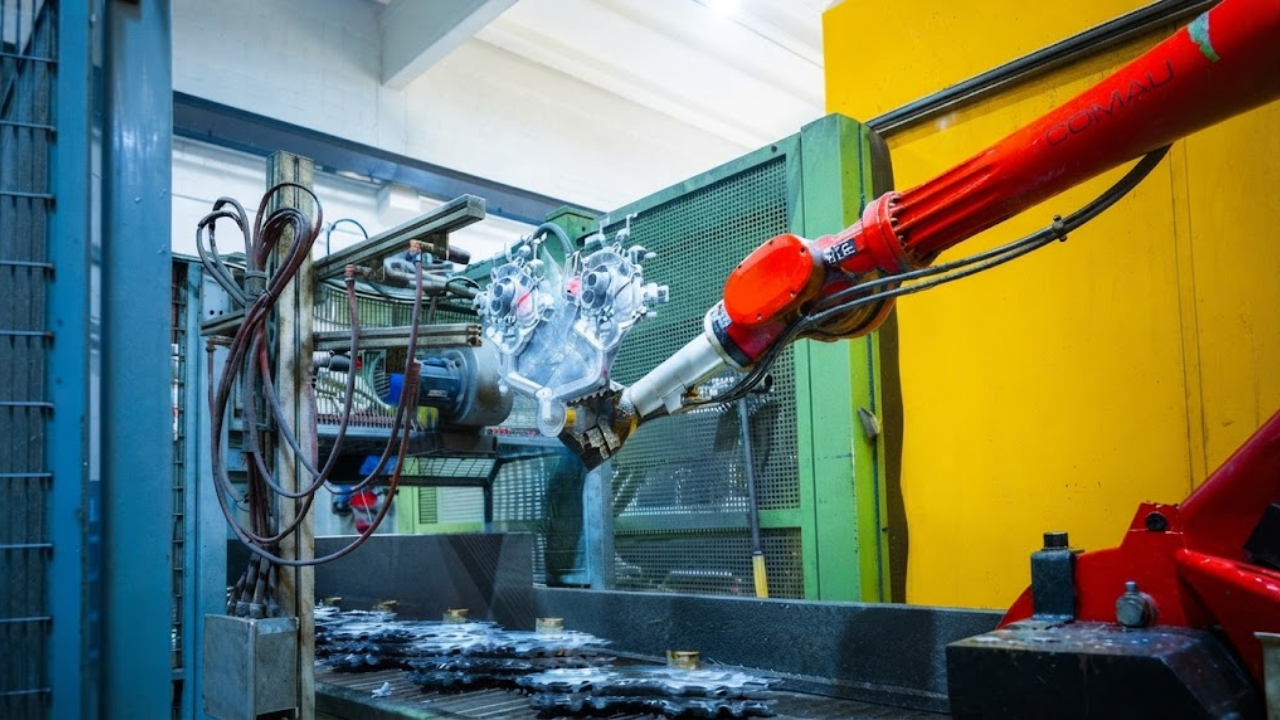
The hydraulic oil temperature of an 800-ton die casting machine in an Italian factory fluctuated greatly, resulting in unstable pressure and frequent adjustments. Chillerone provided a 10 kW (approximately 2.8 refrigeration tons) hydraulic oil chiller to control the oil temperature within 35–38℃. The frequency of pressure adjustments decreased, and the scrap rate dropped from 3.8% to 2.1%, saving approximately 11,500 euros in scrap costs annually. The customer stated that after achieving stable oil temperature, the consistency of die casting improved significantly.
Brazilian Rubber Pressing Machine Factory
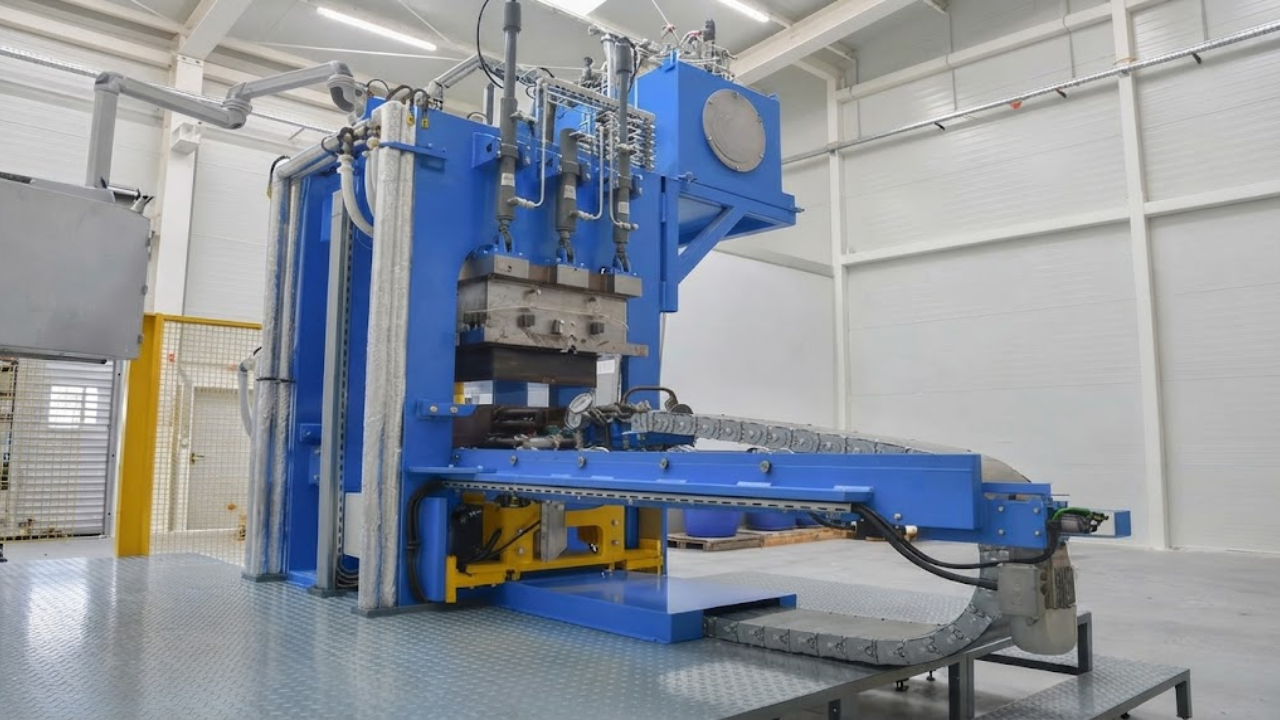
A rubber factory in Brazil frequently experienced overheating shutdowns of its 1200-ton press hydraulic system. Chillerone designed a 15 kW (approximately 4.3 refrigeration tons) hydraulic oil cooling system to independently cool the hydraulic oil circuit. The annual overheating shutdowns decreased from 52 hours to 12 hours, reducing maintenance calls and avoiding production losses of approximately 16,000 US dollars annually. The customer reported an increase in equipment utilization and better control of production plans.
Polish Metal Shearing Factory
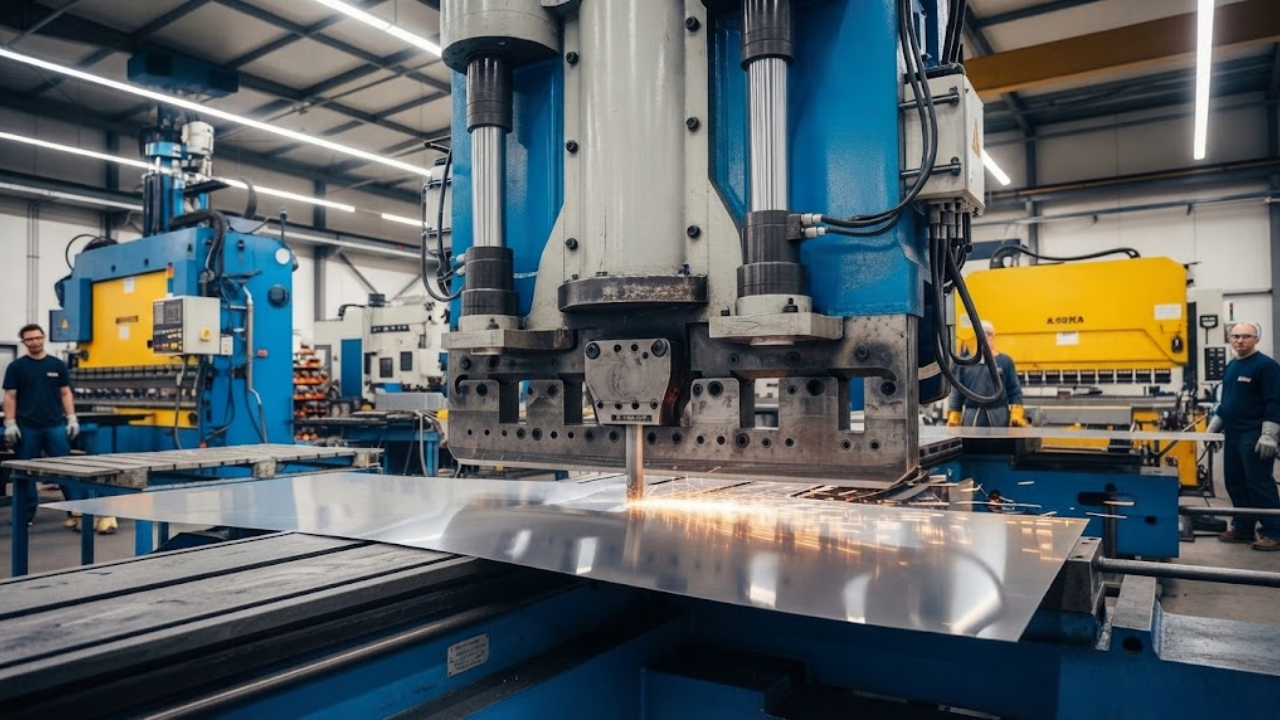
Four hydraulic shearing machines in a Polish metal processing factory frequently required oil replacement and had high fuel consumption. Chillerone installed a 6 kW (approximately 1.7 refrigeration tons) hydraulic oil chiller unit to stabilize the oil temperature. The oil replacement cycle was extended from 5 months to 9 months, and the annual fuel consumption decreased from 1728 liters to 960 liters, saving approximately 4,600 US dollars in maintenance costs. The customer stated that the oil life was extended, and the maintenance pressure was significantly reduced.
United Arab Emirates Hydraulic Power Unit
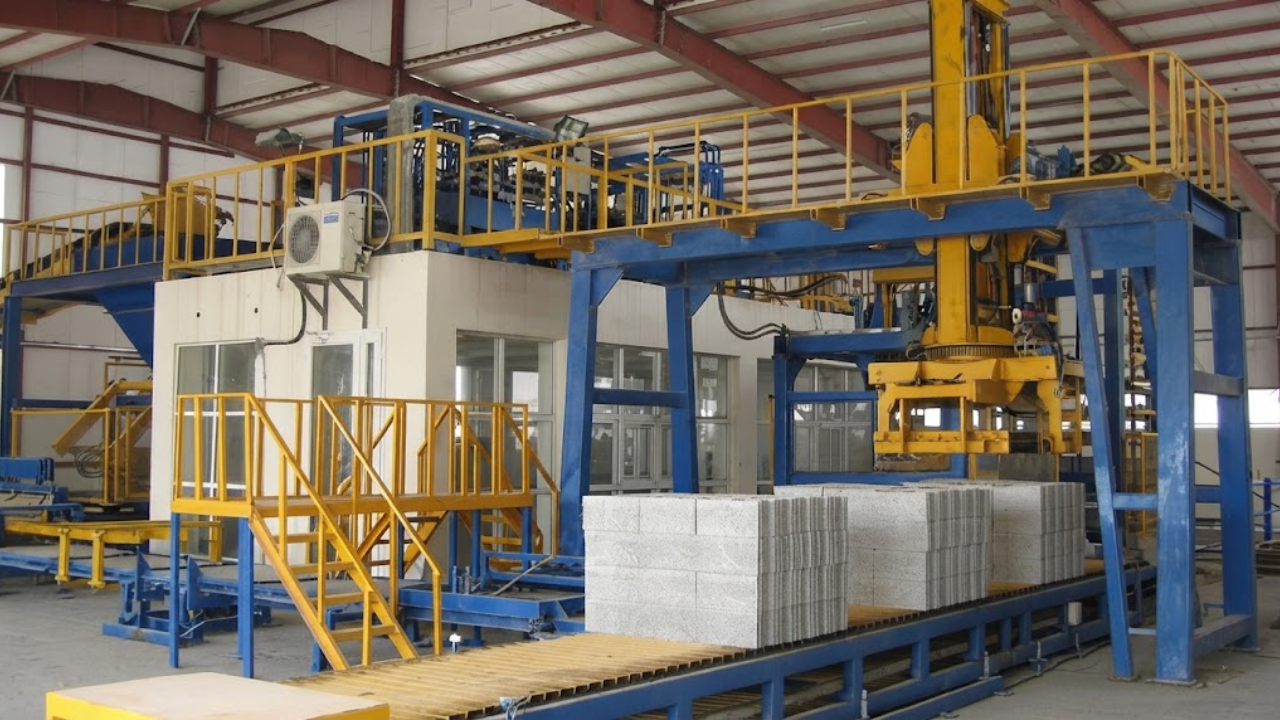
A 160 kW hydraulic power unit in the United Arab Emirates experienced excessively high oil temperatures at 48℃, forcing the equipment to operate at reduced load. Chillerone provided an 18 kW (approximately 5.1 refrigeration tons) hydraulic fluid chiller to control the hydraulic oil operating temperature. The machine’s load increased from 80% to 95%, resulting in an increase in effective production of approximately 900 hours per year, worth approximately 28,000 US dollars. The customer was very satisfied with the stable operation under high-temperature conditions.
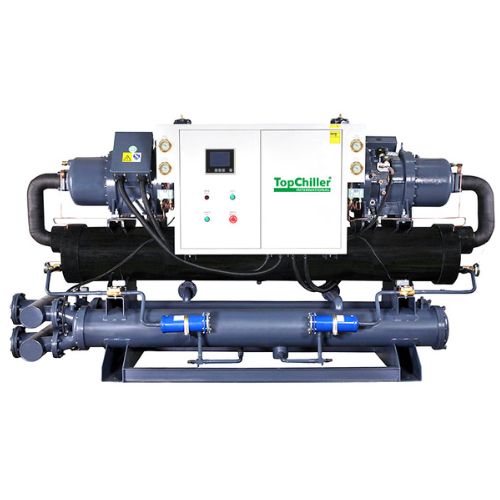
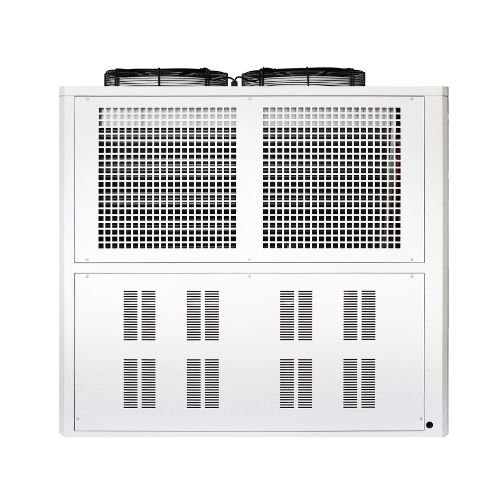


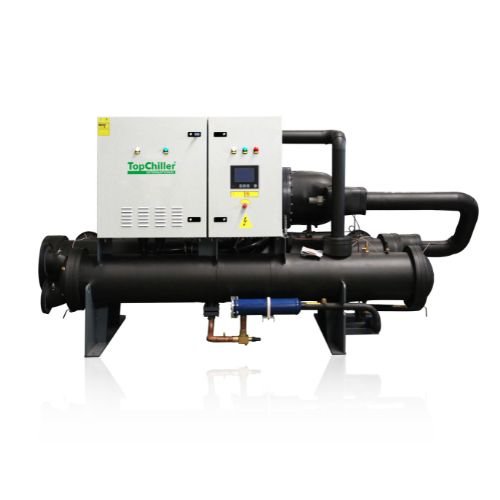
See the Hydraulic Oil Chiller in Action
Watch how the hydraulic oil chiller delivers stable temperature control, fast cooling response, and reliable performance in real industrial working conditions.
What Is A Hydraulic Oil Chiller?
ChillerOne hydraulic oil chiller is a special refrigeration device. It removes the heat of the working hydraulic oil through forced air cooling or water circulation heat exchange methods, which effectively prevents problems such as decreased viscosity, deteriorated lubrication performance, aging of seals and reduced system efficiency of the oil due to high temperature. This ensures the stable and reliable operation of your hydraulic equipment and extends its service life.
Working Principles of the Hydraulic Oil Chiller
- Step 1: The high-temperature hydraulic oil within the system transfers its heat to the coolant (water or ethylene glycol), which raises the temperature of the coolant while the hydraulic oil is initially cooled.
- Step 2: The coolant that has absorbed heat flows through the evaporator and undergoes efficient heat exchange with the low-temperature refrigerant. The refrigerant absorbs the heat of the coolant and evaporates into a gaseous state, while the coolant is cooled and recirculated to cool the hydraulic oil.
- Step 3: The gaseous refrigerant at low temperature and low pressure is extracted and compressed by the compressor, and then transformed into a high-temperature and high-pressure state.
- Step 4: The high-temperature and high-pressure refrigerant enters the condenser, where it is forcibly cooled by air or water to release the heat it carries into the external environment. At the same time, the refrigerant itself condenses into a high-pressure liquid.
- Step 5: The high-pressure liquid refrigerant flows through the expansion valve, where its pressure and temperature are sharply reduced, reverts to a low-temperature and low-pressure state that is prone to heat absorption, and then enters the evaporator to start a new cycle, thereby continuously providing cooling capacity for the system.
Types of Hydraulic Oil Chillers
Air Cooled Hydraulic Oil chiller
ChillerOne air cooled hydraulic oil chiller works by driving air through the finned heat dissipation core with a fan, forcing convection heat exchange with the hot hydraulic oil inside, and dissipating the oil temperature into the air.
- Advantages: It does not need to be connected to an external water source and can work simply by driving the fan with electricity, which is very easy to install and highly adaptable. In addition, its structure is relatively simple. For daily maintenance, you usually only need to clean the heat dissipation fins, and the long-term operation and maintenance costs are relatively low.
- Disadvantages: Its heat dissipation effect directly depends on the temperature and quality of the ambient air. At high temperatures, its cooling capacity will significantly decline. In addition, to achieve a heat dissipation effect comparable to that of water cooling, it usually requires a larger heat dissipation area, resulting in a larger volume. At the same time, the operation of the fan will generate considerable noise, which will have a certain impact on your working environment.
Water Cooled Hydraulic Oil Chiller
ChillerOne water cooled hydraulic oil chiller reduces the oil temperature by circulating cooling water flowing through the internal pipes of the heat exchanger and exchanging heat with the hot hydraulic oil flowing on the other side through the coil pipes.
- Advantages: Due to the fact that the specific heat capacity of water is much greater than that of air, its heat exchange efficiency is extremely high, capable of quickly removing a large amount of heat, and its cooling effect is almost unaffected by the ambient temperature. In addition, under the same heat dissipation capacity, water cooled chillers are usually much smaller in volume than air cooled chillers, and they operate very quietly during operation.
- Disadvantages: It usually requires the installation of facilities such as cooling towers and water pipes, resulting in relatively high initial investment and system complexity. In addition, scale is prone to form in the cooling water, which will reduce its efficiency and even clog the flow channels in the long term.
Features and Advantages of Hydraulic Oil Chillers
High-Efficiency Heat Exchange
Our hydraulic oil chiller features a compact structure design, typically adopting plate, shell and tube or finned tube designs. It has an extremely large heat exchange area and can achieve rapid heat transfer between the hydraulic oil and the cooling medium.
Sturdy and Durable
Our core components are made of materials with good thermal conductivity such as copper, stainless steel or aluminum. They can also withstand the working pressure of the hydraulic system, ensuring the reliability and durability of your hydraulic oil chillers.
Stable System
Our hydraulic oil chiller maintains the stability of the hydraulic oil viscosity by precisely controlling the temperature of the hydraulic oil, which ensures the accuracy and consistency of the working pressure, flow rate and actuator speed of your system, enhancing the overall operational stability and processing accuracy of your equipment.
Long Service Life
By using our hydraulic oil chiller, you can effectively prevent problems such as oxidation of hydraulic oil, decline in lubrication performance and premature aging of seals caused by excessively high oil temperature. It significantly extends the service life of hydraulic pumps, valves, seals and the hydraulic oil itself.
Improve Work Efficiency
Using a hydraulic oil chiller in your project can prevent thermal protection shutdown of the system due to excessively high temperatures and reduce internal leakage caused by improper oil viscosity, thereby increasing the continuous operation time of your equipment.
Reduce Maintenance Costs
Our hydraulic oil chiller significantly reduces the frequency of hydraulic oil replacement and machine maintenance during use by preventing high-temperature deterioration of the oil and abnormal wear of components, which fundamentally lowers the long-term operation and maintenance costs of your equipment.
Applications of Hydraulic Oil Chillers
Industrial Processing
In injection molding machines, die-casting machines and various types of machine tools, our hydraulic oil chillers ensure the stability and processing accuracy of your project’s long-term continuous production through precise temperature control, which effectively prevents the impact of oil temperature fluctuations on your product quality and production efficiency.
Engineering Field
For those mobile devices, our air cooled hydraulic oil chillers enable excavators, cranes and other construction machinery to operate continuously at high intensity under various harsh working conditions, which ensures the continuous and reliable power output of your hydraulic system.
Transportation Field
For hydraulic systems like those of ship deck machinery and heavy trucks, our hydraulic oil chillers provide stable thermal management for their critical hydraulic functions in harsh environments with limited space and frequent vibrations, which directly enhance their operational safety.
Energy Infrastructure
In large-scale equipment such as wind turbines, our hydraulic oil chillers shoulder the responsibility of withstanding extreme working conditions and huge heat loads, which ensures that these core infrastructures can operate continuously for long periods.
When you observe the following problems in your hydraulic system: the oil temperature remains consistently above 60℃, the actuator shows weakness or unstable speed, the hydraulic oil oxidizes and deteriorates prematurely and turns black, the seals frequently leak, or the equipment frequently stops due to high temperatures, you need to install or upgrade a cooler.
If you use our hydraulic oil chiller to cool the heat of the hydraulic oil during the operation of your machine tool, it can roughly keep its temperature between 10℃ and 50℃. It enables your machine tool to withstand high heat loads and discharge the heat from the hydraulic oil through specific temperature control.
Compared with traditional cooling methods that rely on natural heat dissipation from the oil tank surface or simply install fans, our hydraulic oil chiller can quickly transfer the heat from the high-temperature oil to the air or cooling water through a compact heat exchange core design and independently driven fans or water pumps, which achieves precise temperature control. This has completely overcome the drawback of low heat dissipation efficiency in traditional methods, providing a stable and reliable active heat dissipation guarantee for modern hydraulic systems.
When you choose a suitable hydraulic oil chiller, first you need to confirm the total heat generation of the system to match the cooler with the corresponding heat dissipation power. Secondly, you need to ensure that the chiller can withstand the system pressure and the pressure loss when the oil passes through is within the allowable range. The most important thing that cannot be ignored is that you must ensure the size of the cooler can be smoothly installed on your equipment mountain and can be connected to the existing pipelines.
Sure. Our professional engineering team can provide you with customized solutions from design to manufacturing based on your special space dimensions, ambient temperature, corrosive environment requirements or special flow and pressure requirements.


 English
 Spanish
 Arabic
 Vietnamese

