

International Brands We Collaborate With


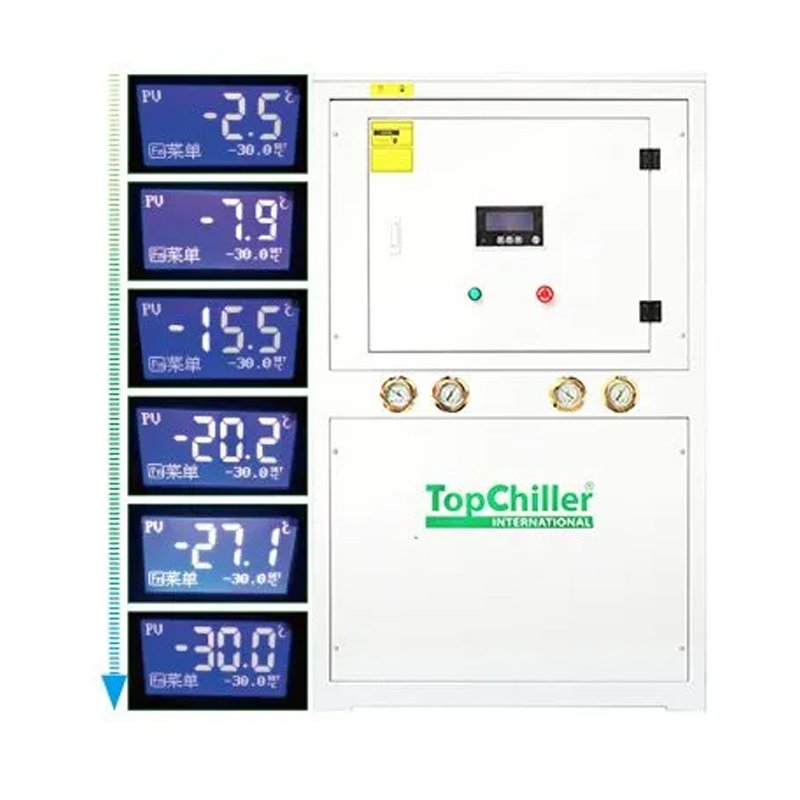

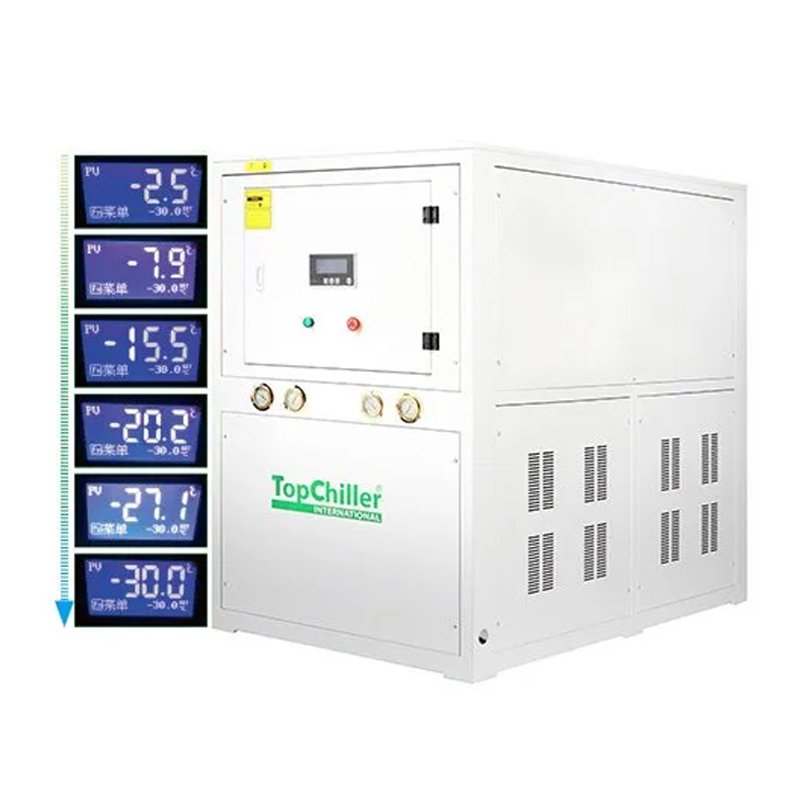
Industrial Glycol Chiller Manufacturer and Supplier in China
- Cooling capacity ranges 2 ton to 150 ton
- Temperature control ranges 40°F to 65°C
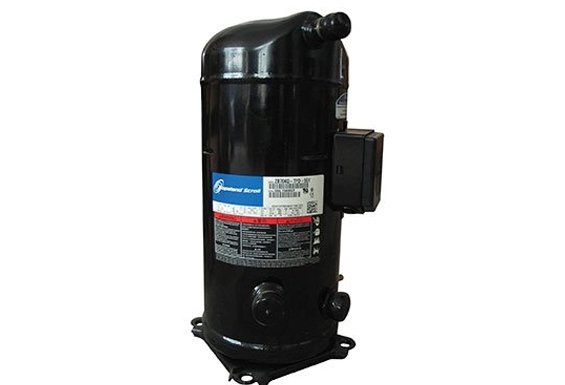
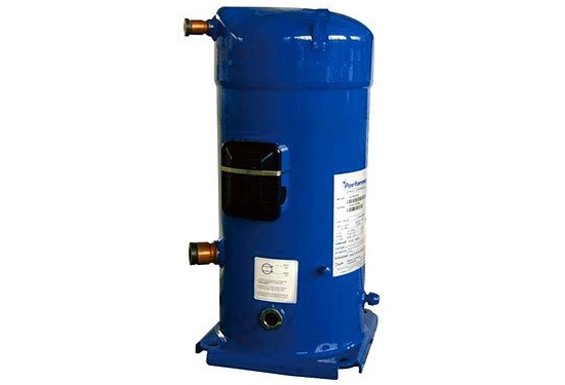
- World-class efficient scroll compressor
- Chilled glycol flow rate up to 680LPM
- Air-cooled & water-cooled condenser
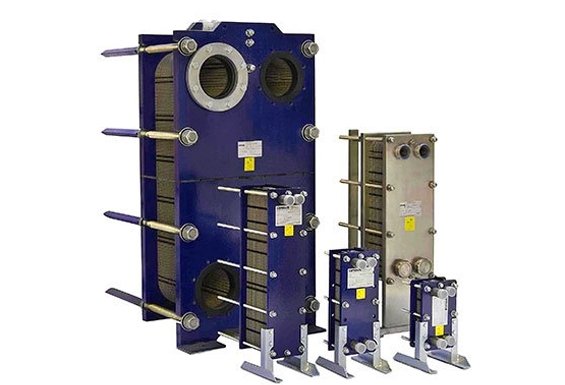
- Stainless steel brazed plate evaporator
- Easy installation, low cost of maintenance
- Warranty up to 24 months after purchase
Reliable Industrial Glycol Chiller Manufacturer and Supplier in China
ChillerOne industrial glycol chillers use a mixture of glycol and water to achieve sub-zero cooling. These chillers are critical in processes that require low temperatures below 0°C.
At the moment, ChillerOne has supplied many industries in the U.S.A., Japan, Australia, and Europe in the brewing, beverage, wineries, chemical process, pharmaceutical, and biotechnology industries.
With glycol as a coolant, you can achieve instant and continuous cooling, while also maintaining a stable temperature below 0°C. For industries like craft brewing, glycol chillers help maintain product quality and offer a fast cooling mechanism for higher productivity.
Apart from acting as anti-freeze in the glycol-water coolant, the additives in this mixture prevent scaling, corrosion, and bacterial growth. This lowers the cost of maintaining our industrial glycol chillers and helps prevent unplanned downtime.
Depending on your cooling requirements, you can choose our air-cooled industrial glycol chillers or water-cooled industrial glycol chillers.
Partner with ChillerOne today and let our engineers size a perfect glycol chiller for your industry – Download our chiller catalogue now.
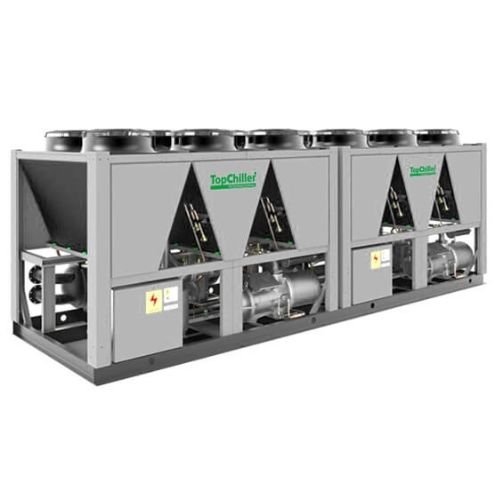
Chillerone’s air-cooled system keeps glycol running at a stable temperature without requiring a water supply, making it simple and efficient for industrial use.

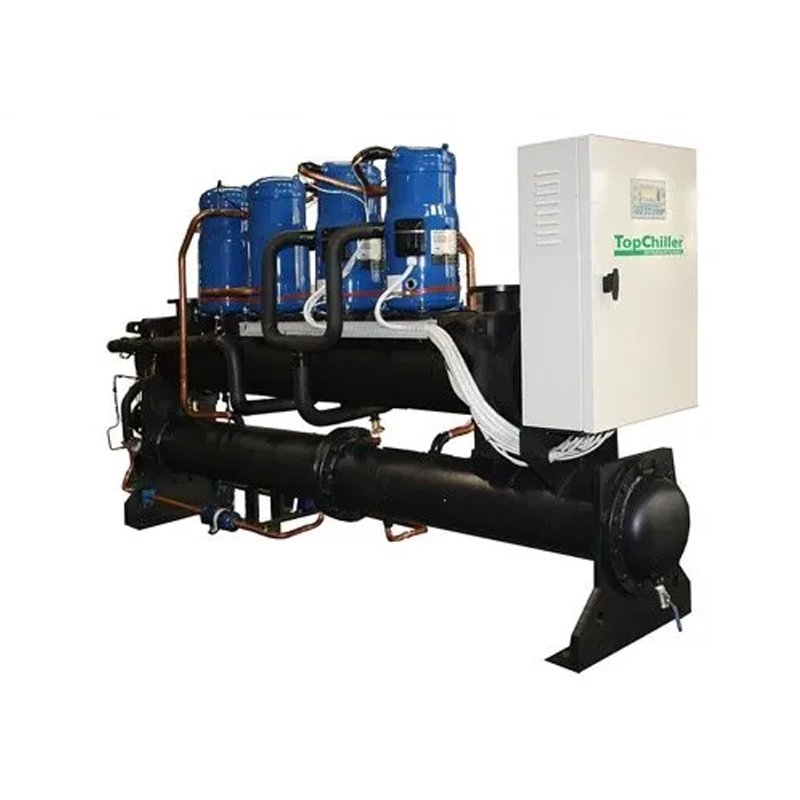
Our water-cooled model delivers strong cooling performance and is ideal for long-term, heavy-duty operations.
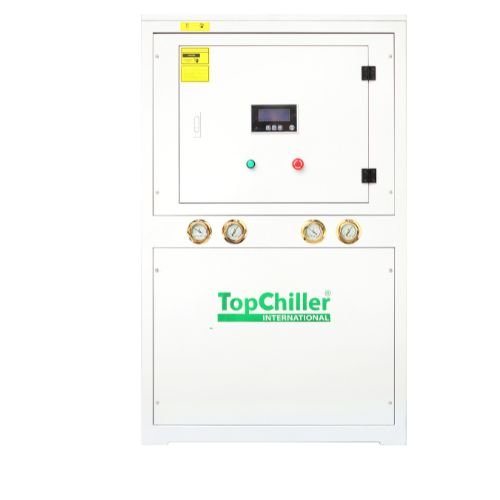
This portable scroll chiller is easy to move and provides smooth, quiet, and energy-efficient glycol cooling wherever it’s needed.
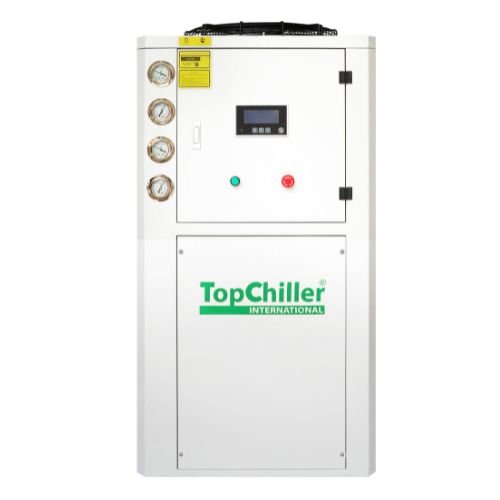
A compact but powerful unit designed for small-scale production, labs, or equipment that needs reliable temperature control.

Chillerone’s modular design makes it easy to expand cooling capacity as your operation grows.

Built with a scroll compressor for quiet, efficient performance and steady cooling under continuous workloads.

Our automatic model handles temperature adjustments on its own, giving consistent cooling with minimal supervision.
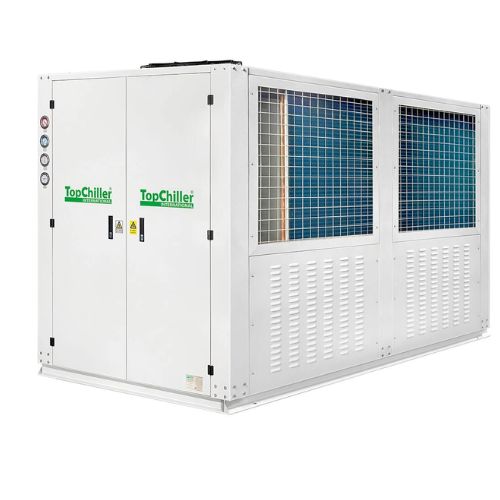
Designed for larger facilities, this three-phase unit provides strong and stable cooling power for demanding applications.
Portable Industry Glycol Chiller
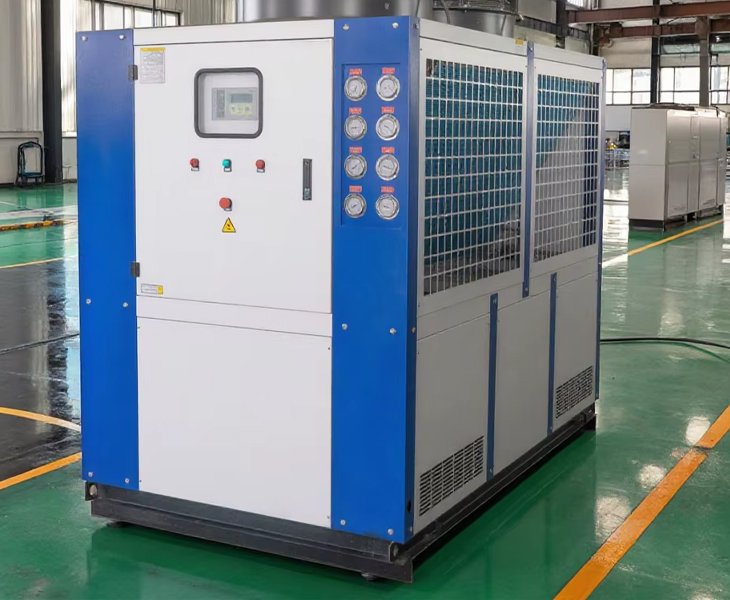
The Portable Industry Glycol Chiller is an industrial cooling system that can be used independently. It is more compact and lighter than a traditional glycol chiller because it integrates all the components of a chiller, including the evaporator, condenser, compressor and expansion valve, into one unit. And, for convenience, it is usually equipped with shelves and wheels that can be readily moved to meet the needs of different processes.
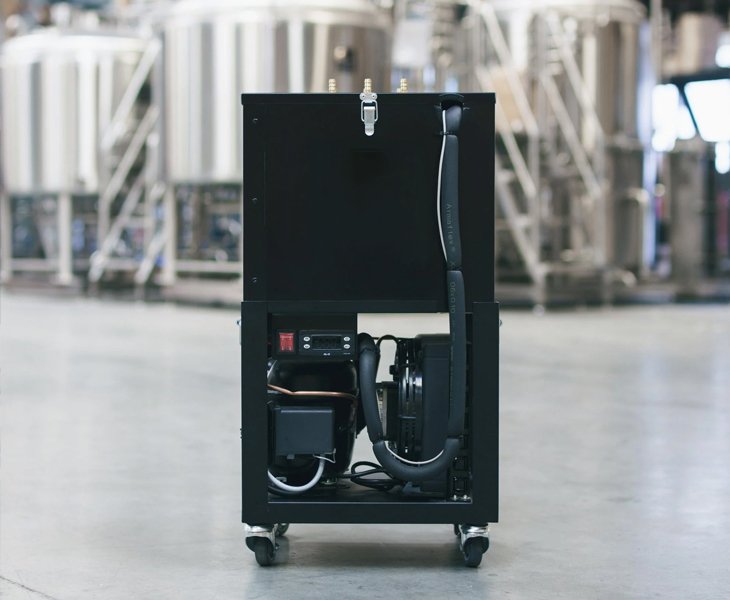
Modular Industrial Glycol Chiller
Modular Industrial Glycol Chillers consist of a number of individual small glycol chillers that work together. Unlike traditional chillers with fixed capacity and cooling capability, modular industrial glycol chillers allow you to expand your system at any time as demand fluctuates without having to replace existing modules and without incurring high initial energy and maintenance costs. Additionally, modular industrial glycol chillers improve operational stability by ensuring that even if one module fails, the others are unaffected.
Reliable Certification
Achieve extreme thermal control with our high-performance industrial glycol chiller series. These certified units are engineered to handle high-concentration glycol mixtures, providing stable fluid temperatures far below freezing for critical chemical reactions and specialized laboratory testing.


- Specification
- Video
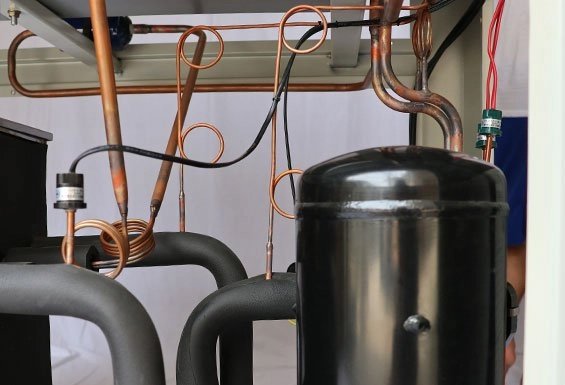
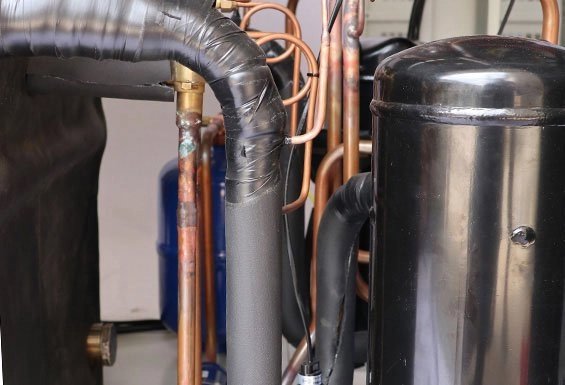
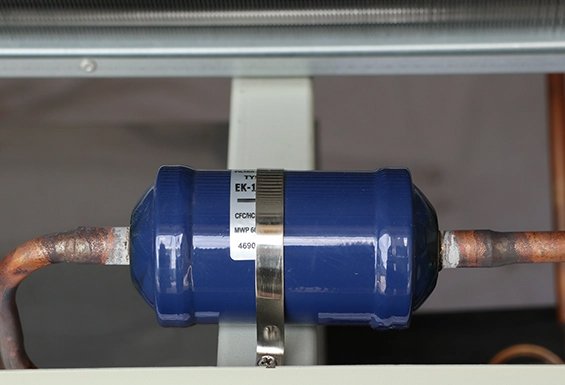
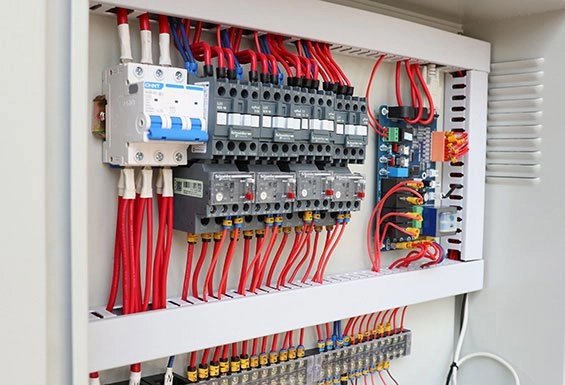
- Spare Parts
- Successful Application Examples
| Model Items | Temp. | TPL-3AL | TPL-5AL | TPL-6AL | TPL-8AL | TPL-10AL | TPL-12AL | TPL-15AL | TPL-20AL | TPL-25AL | TPL-30AL | TPL-40AL | ||
| Cooling Capacity | KW 50HZ/60HZ | -10℃ | 3.80 4.60 | 6.30 7.60 | 7.50 9.00 | 9.10 10.90 | 13.20 15.80 | 16.10 19.30 | 19.50 23.40 | 26.40 31.70 | 32.20 38.60 | 39.00 46.80 | 52.00 62.40 | |
| -20℃ | 1.90 2.30 | 3.00 3.60 | 4.00 4.80 | 6.00 7.20 | 7.10 8.50 | 8.00 9.60 | 13.90 16.70 | 16.90 20.30 | 20.80 25.00 | 24.40 29.30 | 30.80 37.00 | |||
| -30℃ | 1.00 1.20 | 1.60 1.90 | 1.90 2.30 | 2.70 3.20 | 3.20 3.80 | 3.80 4.60 | 6.10 7.30 | 9.50 11.4 | 12.10 14.50 | 14.30 17.10 | 19.00 22.80 | |||
| -35℃ | 0.67 0.80 | 1.04 1.25 | 1.50 1.80 | 2.30 2.80 | 2.80 3.40 | 3.00 3.60 | 4.30 5.20 | 6.35 7.62 | 8.30 10.00 | 10.10 12.10 | 13.35 16.00 | |||
| Evaporator | Chilled Water (m³/h) | -10℃ | 0.65 0.79 | 1.10 1.30 | 1.30 1.50 | 1.60 1.90 | 2.30 2.70 | 2.80 3.30 | 3.40 4.10 | 4.50 5.40 | 5.60 6.70 | 6.70 8.10 | 9.00 10.80 | |
| -20℃ | 0.33 0.40 | 0.52 0.62 | 0.69 0.83 | 1.10 1.30 | 1.23 1.47 | 1.38 1.65 | 2.39 2.87 | 2.85 3.45 | 3.57 4.30 | 4.20 5.04 | 5.30 6.36 | |||
| -30℃ | 0.17 0.21 | 0.28 0.33 | 0.33 0.40 | 0.47 0.55 | 0.55 0.65 | 0.65 0.80 | 1.10 1.30 | 1.60 2.00 | 2.10 2.50 | 2.46 2.90 | 3.30 3.90 | |||
| -35℃ | 0.12 0.14 | 0.18 0.22 | 0.26 0.31 | 0.40 0.48 | 0.48 0.58 | 0.52 0.62 | 0.72 0.89 | 1.10 1.31 | 1.43 1.72 | 1.74 2.09 | 2.30 2.76 | |||
| Type | Shell and tube type/Plate type heat exchanger | |||||||||||||
| Inlet/outlet pipe | lnch | 1″ | 1″ | 1″ | 1″ | 1-1/2″ | 1-1/2″ | 2″ | 2″ | 2″ | 2-1/2″ | 2-1/2″ | ||
| Input power | KW | 3.18 | 4.86 | 5.61 | 7.25 | 9.4 | 10.9 | 13.5 | 18.8 | 22.55 | 28.5 | 37.5 | ||
| Max Current | A | 7.8 | 12 | 13.7 | 18 | 23 | 26.5 | 33 | 46 | 55 | 69 | 91 | ||
| Power Source | 3PH~380V/415V/480V~50HZ/60HZ(3PH~200V/220V 50HZ/60HZ) | |||||||||||||
| Refrigerant | Type | R22(R404A/R507) | ||||||||||||
| Control | z | |||||||||||||
| Compressor | Type | Hermetic scroll ( piston ) | ||||||||||||
| Power | KW | 2.25 | 3.75 | 4.5 | 6 | 7.5 | 9 | 11.3 | 7.5*2 | 9.37*2 | 11.3*2 | 30 | ||
| Condenser | Type | Efficient finned copper tube with aluminum + low noise external rotor fan | ||||||||||||
| Water pump | Power | KW | 0.75 | 0.75 | 0.75 | 0.75 | 1.1 | 1.1 | 1.5 | 2.2 | 2.2 | 4 | 5.5 | |
| Max lift | m | 20 | 20 | 20 | 20 | 20 | 20 | 20 | 20 | 20 | 25 | 20 | ||
| Safety protection | Compressor inner protection, over current protection, high / low pressure protection, over temperature protection, flow rate protection, phase sequence/phase missing protection, low level coolant protection, anti freezing protection | |||||||||||||
| Dimension | Length | mm | 980 | 1150 | 1150 | 1350 | 1500 | 1500 | 1860 | 2020 | 2020 | 2200 | 2350 | |
| Width | mm | 520 | 560 | 560 | 680 | 760 | 760 | 850 | 950 | 950 | 1150 | 1350 | ||
| Height | mm | 1170 | 1215 | 1215 | 1530 | 1660 | 1660 | 1900 | 2000 | 2000 | 1980 | 2000 | ||
| Net weight(KG) | Kg | 135 | 165 | 210 | 310 | 450 | 530 | 750 | 835 | 920 | 1080 | 1125 | ||
| Note: The above specifications are according to the following design conditions: 1, Chilled water inlet/outlet temperature difference 3℃/8℃. 2, Cooling air inlet/outlet temperature 30℃/38℃ | ||||||||||||||
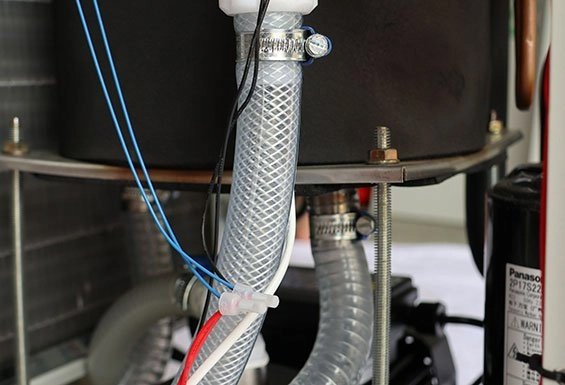
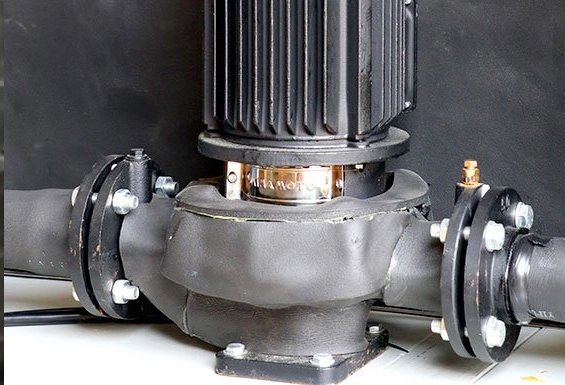
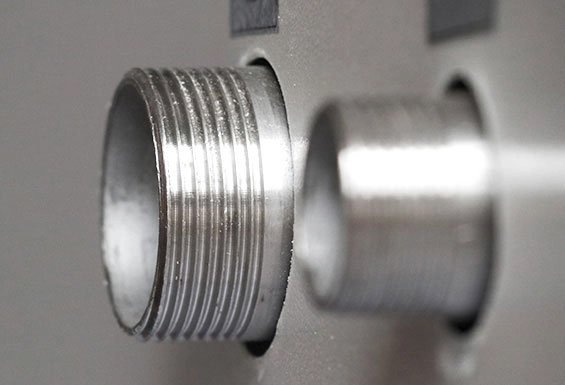
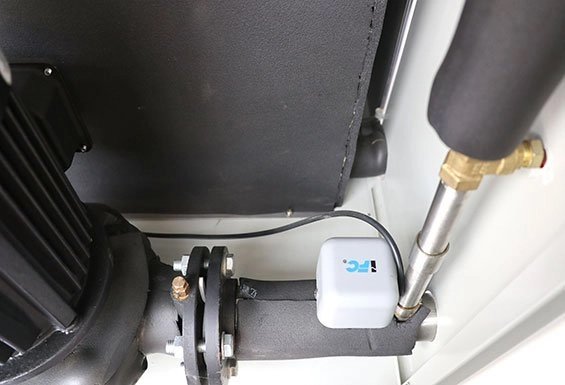
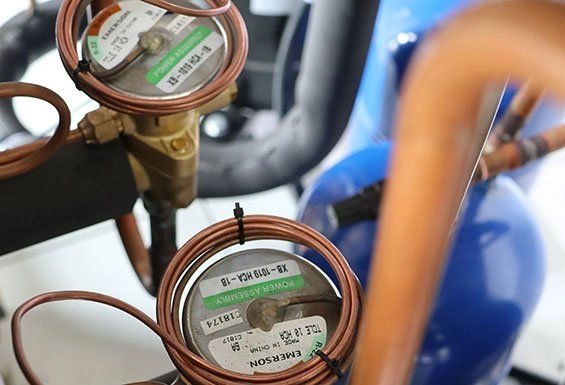
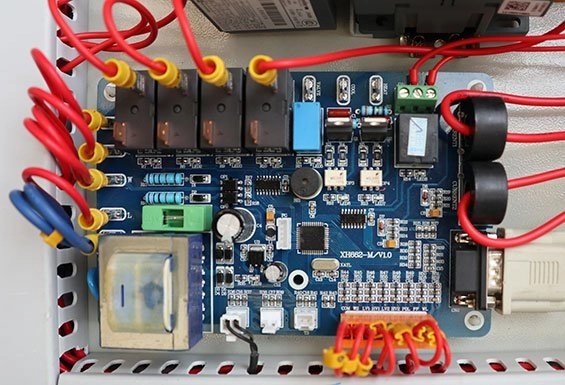
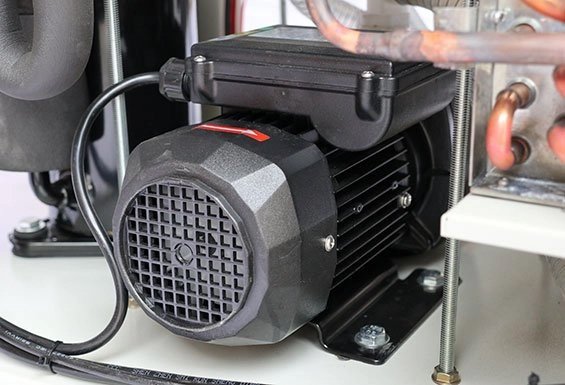
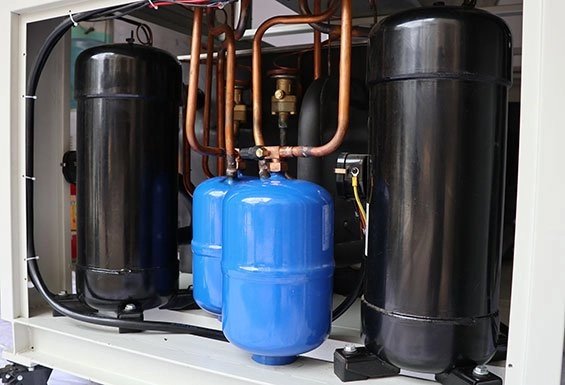
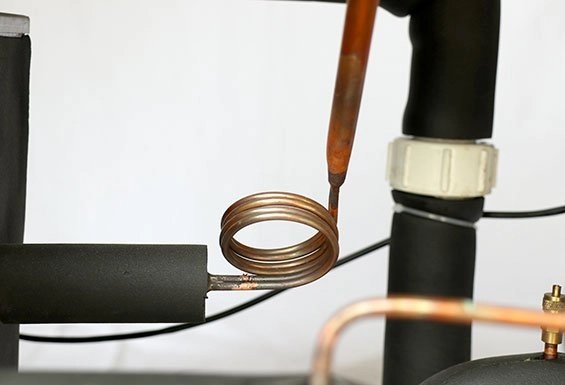
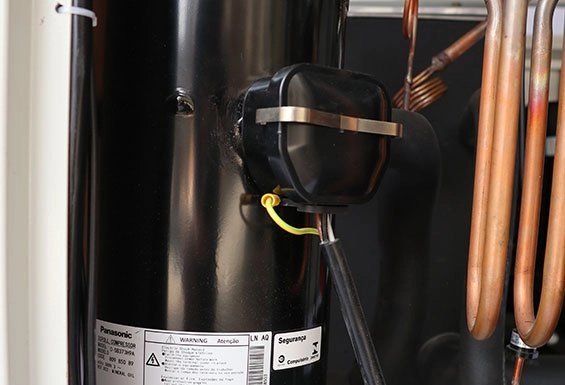
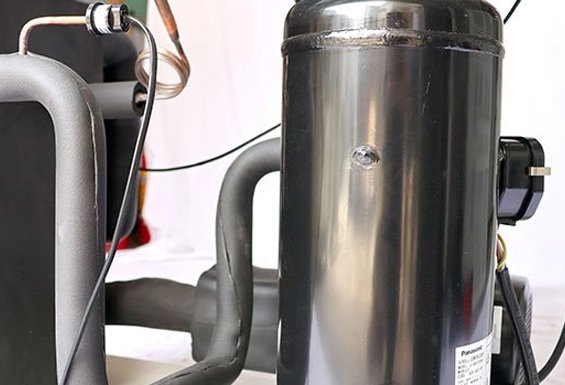
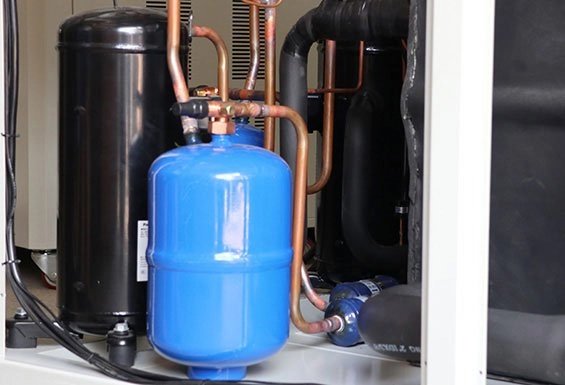
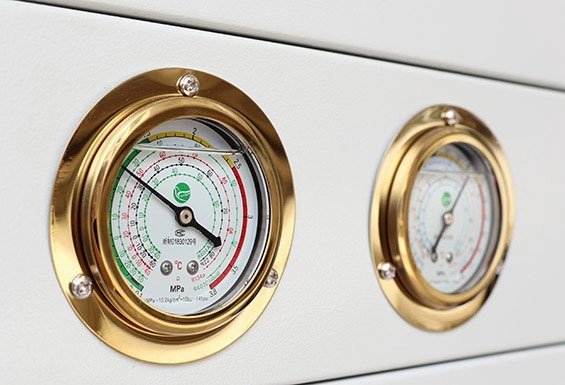
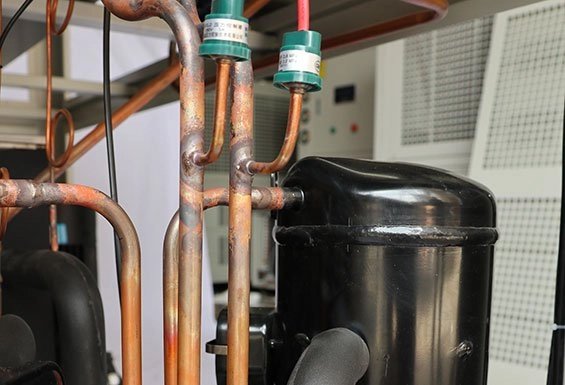
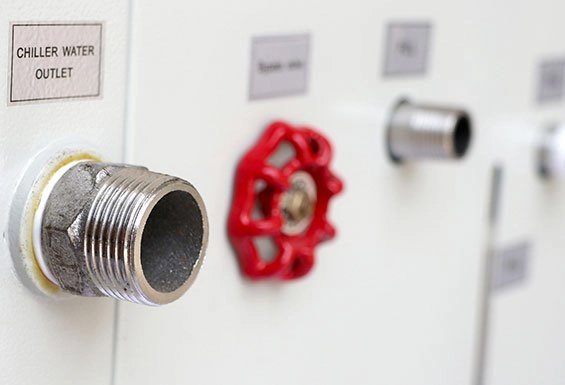
Industrial Glycol Chiller
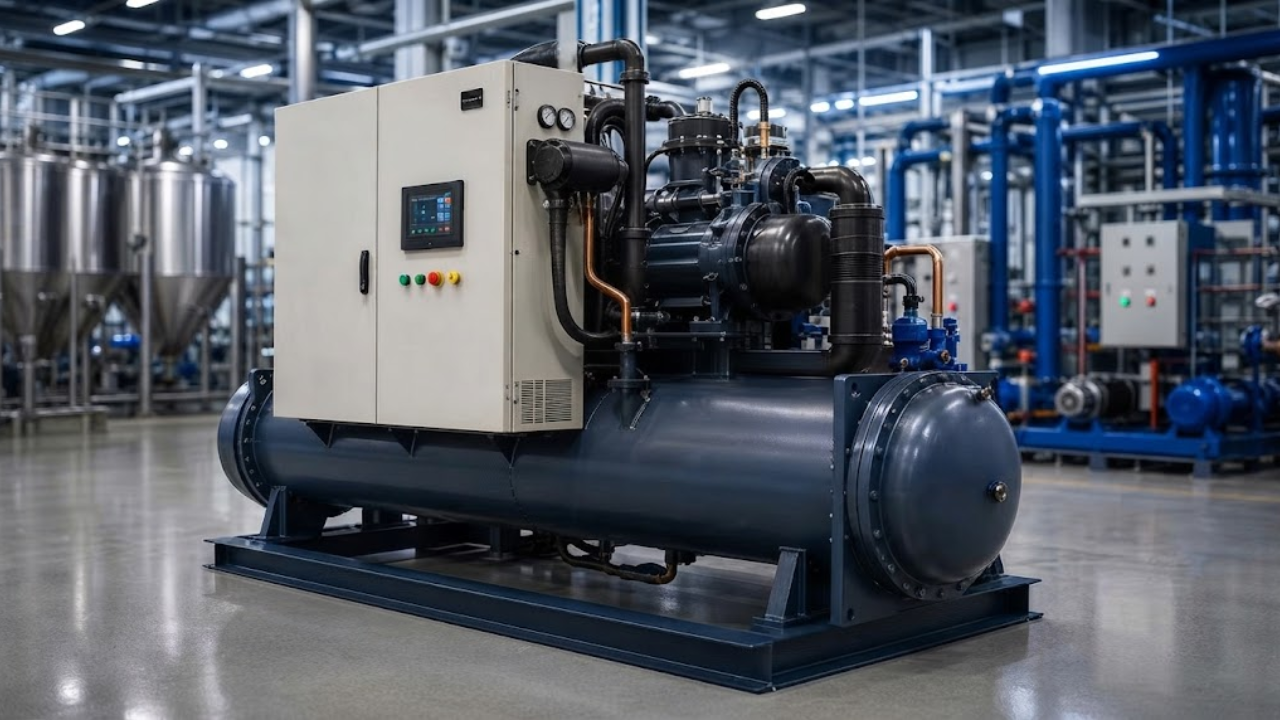
A German food factory added two new production lines, but the original cooling system was insufficient. Chillerone provided a 100 kW (approximately 28 tons) industrial glycol chiller system, which was connected to the existing glycol refrigeration system. After the expansion, it could support 6 production lines, reducing the peak cooling time from 42 minutes to 18 minutes, and increasing the annual production capacity by approximately 17%, without the need to separately install cooling units for the new lines.
Multi-process Load of an American Pharmaceutical Factory
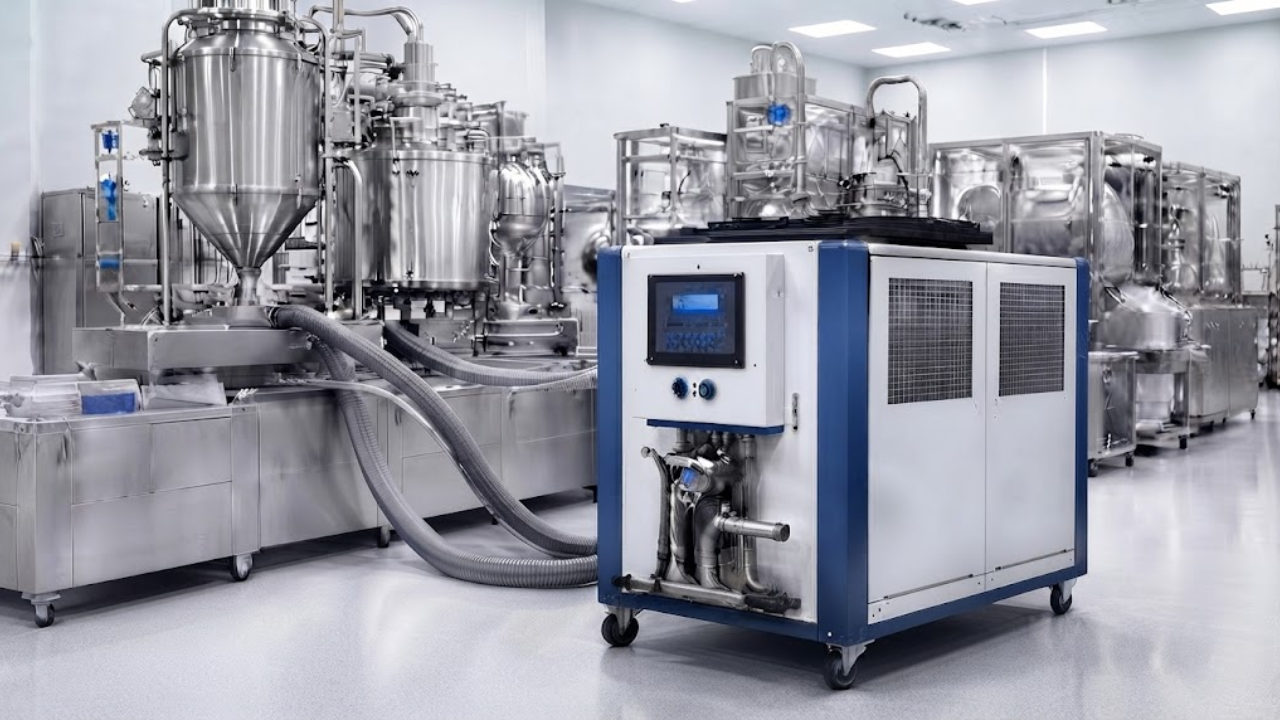
An American pharmaceutical factory had nine pieces of process equipment that needed centralized cooling, and they were originally independent. Chillerone configured a 60 kW (approximately 17 tons) glycol chiller system, which provided cooling through plate heat exchangers. The customer once asked why glycol was used in the chiller. This closed loop precisely isolated the refrigerant from the process side. The independent cooling units were reduced from nine to one, and the maintenance points were significantly reduced.
Long-distance Cooling at an Australian Food Distribution Center
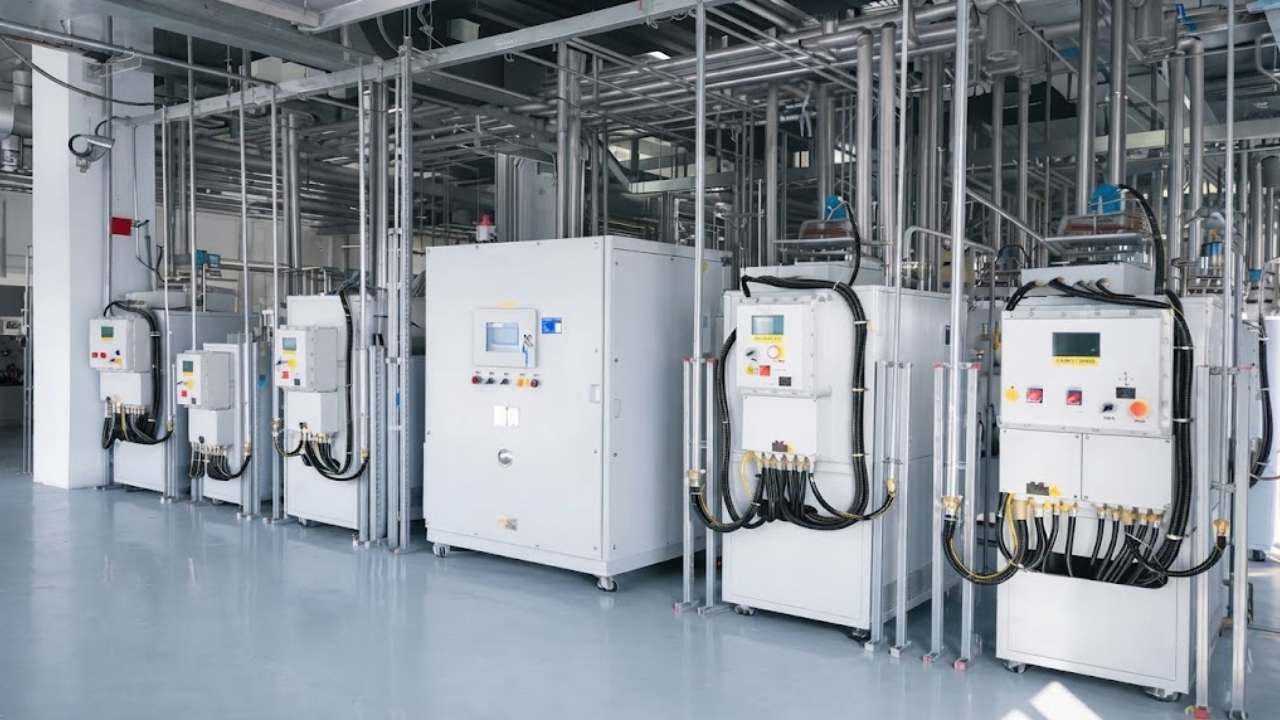
An Australian distribution center with an area of 18,000 square meters had scattered cooling points. Chillerone provided a 150 kW (approximately 42.6 tons) unit, using ethylene glycol for chillers to form a 420-meter closed loop, serving sixeteen remote cooling points. The farthest branch was 170 meters, and the temperature difference at the remote end was reduced from ±2.2℃ to ±0.7℃, with the number of refrigeration units reduced from seven to one.
Year-round Operation of an Industrial Facility in Canada
A Canadian industrial facility had 230 meters of outdoor piping, with a winter environmental temperature of -25℃. Chillerone provided an 80 kW (approximately 22.7 tons) industrial ethylene glycol chiller, using 40% glycol chiller liquid, with a closed loop that did not empty throughout the year. Seasonal maintenance was reduced from two times a year to zero; the number of winter cooling interruptions was reduced from six times to one time, and the start-up preparation time was shortened from three days to less than one day.



See the Industrial Glycol Chiller in Action
Watch how the industrial glycol chiller delivers stable temperature control, fast cooling response, and reliable performance in real industrial working conditions.
Why Use Glycol Chillers in Industry?
Industrial glycol chillers are refrigeration units that use a mixture of water and glycol for cooling. It offers superior heat transfer efficiency and keeps the chiller running more consistently by preventing icing than traditional chillers that use water. This also allows for a wider range of temperature control to meet the needs of more industrial applications. You can use them in a variety of industrial applications such as industrial processing, chemical, pharmaceutical and more.
How Glycol Chillers Enable Cooling in Industry?
Heat Absorption
When you operate the industrial glycol cooler, the pump delivers a coolant mixture of glycol and water to any heat source. The cooling water will exchange heat with the heat source to cool your equipment or the environment and send the heat to the evaporator.
Evaporation
The refrigerant in the evaporator quickly absorbs the heat from the glycol cooling water, rapidly lowering its temperature. The re-cooled glycol cooled water is then returned to the heat source for the next heat exchange, thus cycling through efficient cooling. The refrigerant is converted from liquid to gas in the evaporator after absorbing heat.
Compression
The compressor of the industrial glycol cooler draws in the refrigerant, which is converted to vapour in the evaporator. The vapour is then at high temperature and low pressure, and the compressor drives it to the condenser after further heating and pressurisation.
Condensation
The refrigerant vapour entering the condenser is cooled by heat dissipation. Depending on the type of circulating cooler, the object of heat dissipation is different. The cooled refrigerant vapour recondenses to a liquid after releasing heat.
- Air-cooled circulating coolers: The fan of an air-cooled circulating cooler blows ambient air towards the condenser, and the refrigerant transfers heat to the ambient air for dissipation.
- Water-cooled circulating cooler: The water-cooled circulating cooler will exchange heat with the water in the cooling tower for cooling purposes.
Expansion
Refrigerant that has been recondensed into a liquid state is under high pressure and it is difficult to absorb heat again. The expansion valve can further transform the refrigerant into a low temperature and low pressure state, so that it can effectively absorb heat again and quickly transform into gas state. The refrigerant enters the evaporator again for heat exchange. In addition, the expansion valve can also automatically adjust the refrigerant flow according to the current cooling demand to reduce unnecessary losses.
Advantages of Using Glycol Chillers in Industry
Outstanding Durability
- Prevents icing: Glycol acts as an antifreeze that lowers the freezing point of the coolant and operates at low temperatures. This allows industrial glycol chillers to achieve lower cooling temperatures while keeping the chiller free from damage caused by icing, thus ensuring its operational stability.
- Protection against corrosion: On the one hand, glycol chillers for industrial use are made of robust materials that can withstand harsh industrial environments. On the other hand, glycol is more resistant to corrosion than water, which protects the internal piping and increases the durability of industrial glycol chillers.
Efficient Cooling
The use of glycol coolants breaks the temperature range that can be achieved with water cooling and enables cooling over a wider temperature range. In addition, glycol solution cooling is more efficient, shortening the time it takes to achieve faster cooling with the same energy consumption, thus reducing energy consumption.
Safety
While ethylene glycol is toxic, propylene glycol, a type of glycol, is non-toxic, safe and food grade. This allows you to use it in food and beverage processing and pharmaceutical processing to improve product safety. It is also very safe for the environment, making it ideal for environmentally friendly concepts.
Application of Glycol Chillers in Industry
Pharmaceutical Industry
Industrial glycol chillers provide ideal temperature control for the preparation of pharmaceuticals, thus ensuring stability in the manufacturing process and the conformity of your pharmaceuticals. They also maintain stable temperature control, allowing you to install them in storage rooms for pharmaceuticals, ensuring freshness and reliability.
Industrial Process
- Machine Tool Machining: The moving parts of a machine tool (e.g., cutting tools) generate a lot of heat during machining, which leads to an increase in temperature. Temperature fluctuations not only affect the accuracy of the machine tool but also lead to defects (e.g., thermal deformation) in the machined parts. You can utilize industrial glycol chillers to provide continuous cooling for your machine tools during machining, thereby enhancing production quality and extending the service life of your equipment.
- Plastic Moulding: Various plastic moulding processes, such as injection moulding and blow moulding, require heating of the plastic for processing. The use of Industrial glycol chillers can effectively control the optimum working temperature, thereby reducing plastic defects. Additionally, recirculation chillers can be used to cool finished products, helping them solidify and cool quickly, thereby increasing productivity.
- Printing: You can also equip your printing equipment with an industrial glycol chiller. It absorbs heat from the printing rollers and cools the paper at the same time, improving printing quality and productivity.
- Laser Cutting and Welding: High-power equipment in industrial manufacturing, such as laser cutting and welding equipment, generates a lot of heat during operation. In order to prevent equipment downtime and damage, industrial glycol chillers can achieve continuous and stable cooling to ensure stable equipment operation.
- Semiconductor: In the semiconductor industry, chip packaging requires strict temperature control, and the use of Industrial glycol chillers can improve chip stability. This can reduce the probability of product damage for you, thus reducing additional cost losses.
Food Industry
Whether processing or storing food and beverages, low and stable temperatures are required. Industrial glycol chillers not only provide rapid cooling during processing but also provide a constant and stable low-temperature environment during storage, thus ensuring the quality and safety of food and beverages.
Construction Industry
High-power equipment used in the construction industry, such as mixers, generators and welding machines, generates a lot of heat during operation. The build-up of heat can affect the performance of the equipment and even cause damage and downtime. Industrial glycol chillers provide continuous cooling to ensure stable equipment operation. In addition, they provide a cooler, more comfortable environment for workers, which improves work efficiency.
Data Centre
Data centres store large amounts of important data in a variety of critical equipment. They generate a large amount of heat during operation, and heat accumulation can lead to performance degradation or even damage. The large capacity and high load of industrial glycol chillers enable them to dissipate heat efficiently and provide long-lasting and stable operation, thus ensuring the stable operation of data centres and the safety of equipment, and avoiding serious losses due to equipment damage.
You can choose the ratio of water to glycol for optimum cryoprotection depending on the specific application, e.g., 40 per cent glycol and 60 per cent water can achieve a minimum temperature of -15°C.
They are both industrial glycol chillers. Ethylene Glycol chillers can achieve lower freezing points and more efficient heat transfer, but they are highly toxic and harmful to the environment. Propylene glycol chillers are safer and can be used in pharmaceuticals and food, but they are more viscous and costly.
Industrial glycol chillers can withstand the elements and have remote control capabilities that allow you to install them outdoors. However, you must choose a sturdy support frame for stability and security, and reserve maintenance access for regular servicing.
Yes, you should ideally replace the glycol solution in your industrial chiller regularly every 6 to 12 months. This is because it will degrade in performance over time and with use. Regular replacement ensures optimal cooling efficiency and avoids scale formation.


 English
 Spanish
 Arabic
 Vietnamese

