

Excessive energy consumption and the emission of greenhouse gases have been the biggest impediments to air conditioning.
However, thanks to the introduction of magnetic oil-free centrifugal chillers approximately 2 decades ago, you can now enjoy sustainable and low-noise air conditioning, without putting the environment at risk.
These energy-efficient refrigeration units have been nothing short of revolutionary, as evidenced by the benefits discussed below.
What is a Magnetic Oil-free Centrifugal Chiller
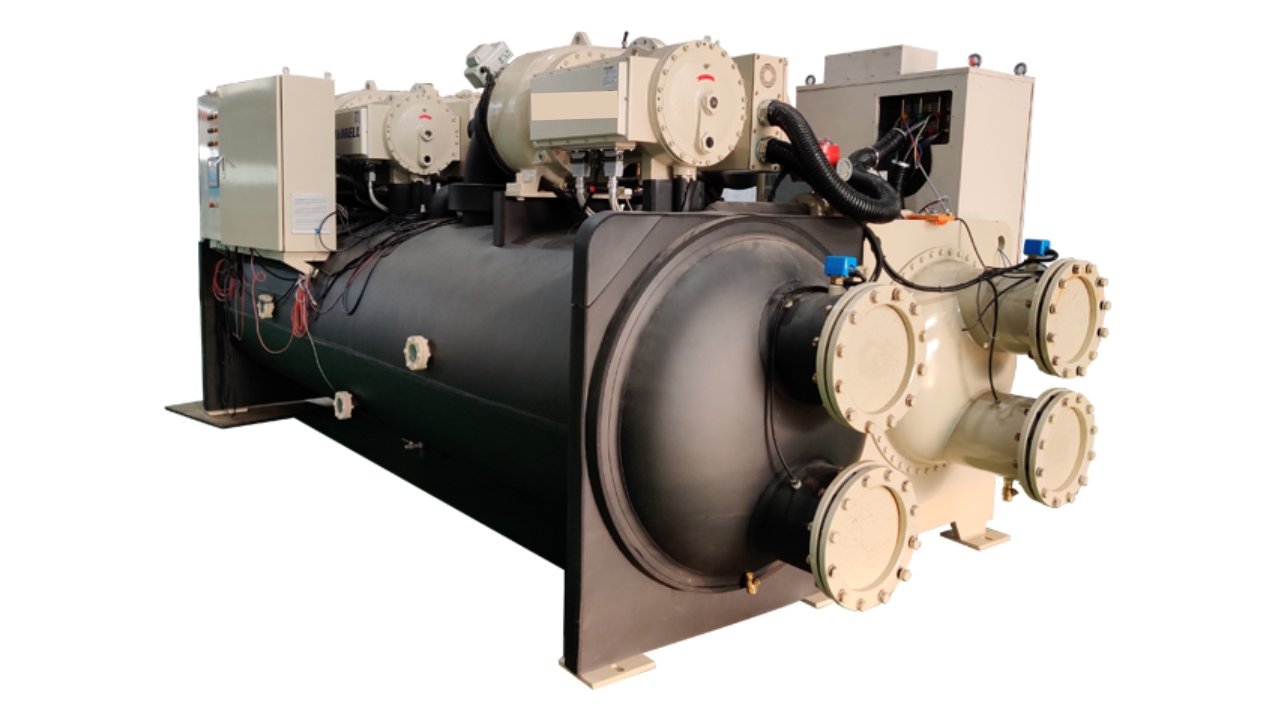
Magnetic oil-free centrifugal chillers are new-level cooling units that exploit electromagnetic forces to levitate compressor shafts, consequently eliminating the need for lubricants. This distinct configuration eliminates the possibility of contact between mechanical components, thus shrinking the odds of premature wear and tear as a result of friction.
They boast excellent COP at partial loads, making them more sustainable and environmentally friendlier than traditional centrifugal chillers.
Benefits of Using Magnetic Oil-Free Centrifugal Chillers
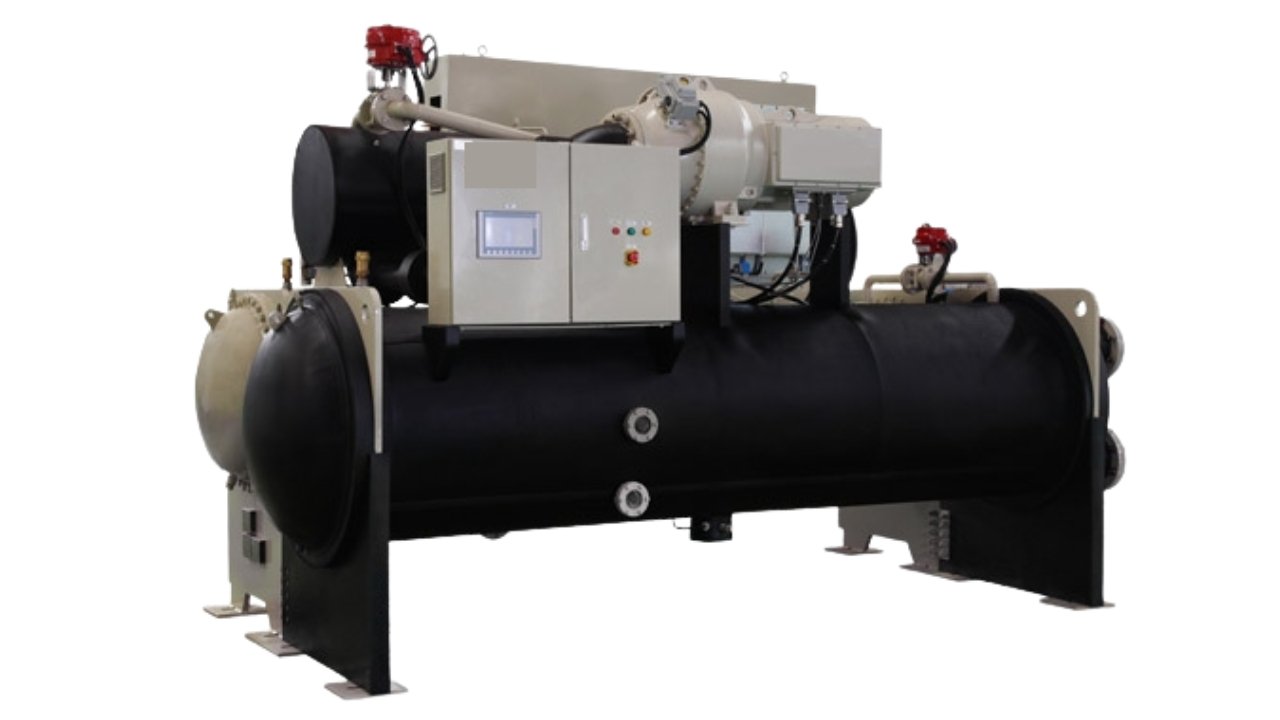
These types of centrifugal chillers offers many benefits such as:
1. Superior Energy Efficiency
Oil-free magnetic centrifugal chillers are generally more efficient, boasting a greater Coefficient of Performance (COP) while operating at both partial and full loads. At partial loads, you can expect a rated COP ranging between 9.1 and 9.7, while at full load, you can expect a rated COP of up to 7.0.
2. Greater Heat Transfer
By relying on magnetic bearings rather than oil lubricants, magnetic bearing chillers eliminate the risk of oil film thermal resistance. This resistance occurs in oil-lubricated chillers, where the oil builds up on the heat exchanger, consequently reducing the amount of heat exchanged and slowing the rate at which it is transferred.
3. Reduced Noise Levels
Oil-free magnetic centrifugal chillers are much quieter compared to their oil-based mechanical counterparts. This is because the magnetic bearings are levitated using electromagnetic forces, consequently eliminating the possibility of contact between mechanical components during air conditioning. Their noise levels hardly surpass 72 dB(A), making them up to 10 times quieter than oil-lubricated chillers.
4. Carbon Reduction
Magnetic bearing centrifugal chillers are said to consume up to 40% less power than oil-lubricated chillers. This significantly reduces the strain put on non-renewable energy resources, consequently shrinking carbon emissions. Additionally, they only utilize low-GWP coolants, whose impact on the environment is much fairer.
5. Friction-Free Operation
Oil-free magnetic chillers not only eliminate the need for oil-based lubricants, but they also abolish contact between bearings. The bearings are levitated and positioned steadily using electromagnetic forces, consequently eliminating the possibility of friction. This, in return, minimizes the risks of components wearing off as a result of continued friction.
6. Maintenance-Free
Oil-lubricated centrifugal chiller systems demand planned and frequent maintenance to change the oil lubricant. With a magnetic oil-free chiller, you save the hassle and expense of changing used and dirty oil. They are comparatively easier and cheaper to maintain, consequently raising their return on investment.
7. Extended Equipment Life
Key components of the oil-free magnetic chiller hardly come into contact during air conditioning. This eliminates the possibility of friction, which is often the primary cause of wear in traditional centrifugal chillers. This stretches the lifespan of their compressors to over 10 years, consequently saving you a fortune on maintenance expenses.
8. Smaller Footprint
They boast a relatively compact structure, making them suitable for HVAC systems with limited space. Their compressors are comparatively smaller and weigh less than traditional compressors. Adding this to their high efficiency ratings and quiet operation, qualifies their use in buildings and facilities sensitive to noise, such as hospitals and office complexes.
9. Quick Start Functionality
Unlike oil-lubricated centrifugal chillers, which take time to get up and running, magnetic, oil-free chillers roar into action within seconds. They do not require a moment to create a lubricating film before getting into action. This helps save time, consequently contributing to a higher efficiency rating.
10. Low Inrush Current
When powered on, magnetic bearing centrifugal chillers hardly disrupt the electrical grid, thanks to their low inrush current. They start up softly, consuming relatively low amounts of power in comparison to traditional chiller systems. Advanced units built for optimal efficiency start flawlessly at 2 amps.
11. Safe Operation
Magnetic bearing chillers come with emergency shut-down features, which prompt automatic deactivation in the event of a fault. Additionally, they do not rely on oil systems, which can be a fire hazard, and the elimination of contact between metal components reduces the risk of system failure and component damage significantly.
Magnetic Oil-Free Centrifugal Chillers Vs Oil Lubricated Centrifugal Chillers
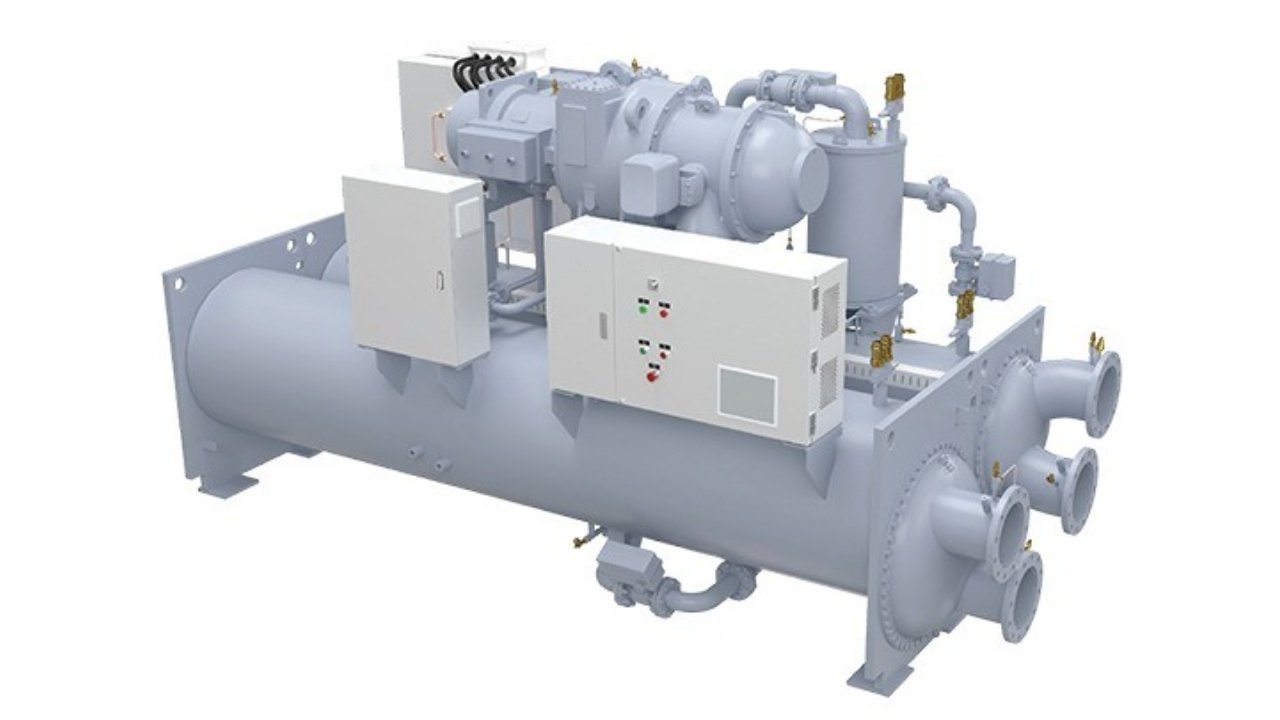
| Property | Magnetic Oil-Free Centrifugal Chillers | Oil-Lubricated Chillers |
| Lubrication | Does not rely on lubricants. | Comes with a lubrication system made up of oil pumps and filters. |
| Operational Sound | 10 to 15 times quieter than traditional chillers. | Operates at over 85 dBA. |
| Friction | Near-zero. | Prone to friction. |
| Start-Up Current | Starts softly at low current. | Requires high current to start smoothly. |
| Efficiency | Best in class. | Relatively inefficient. |
| Heat Transfer | Maintains great thermal conductivity over the years. | Prone to reduced heat transfer due to oil film resistance. |
| Cost | More expensive to acquire. | Relatively cheaper. |
| Footprint | Compact. | Comparatively bigger. |
| Lifespan | Lasts longer. | Prone to mechanical wear. |
FAQs
Are magnetic bearing chillers oil-free?
Yes. Their mechanical components hardly come into direct contact, thus eliminating the need for an oil-based lubricant.
What are the limitations of magnetic oil-free centrifugal chillers?
Oil-free magnetic centrifugal chillers are undoubtedly an improvement on traditional chillers. However, they are not entirely faultless. For instance, their operation is highly dependent on electromagnetic forces, meaning any form of interference can have adverse effects. Additionally, they are much costlier.
Are magnetic bearing chillers more efficient than traditional chillers?
Yes. Oil-free magnetic chillers are the best in class when it comes to efficiency. They boast a maximum efficiency rating of up to 9.7 when operating at partial loads and 7.0 COP when at full load.
How long do magnetic oil-free centrifugal chillers last?
Magnetic bearing chillers tend to outlive traditional chiller systems. This is because contact between components is greatly reduced, consequently minimizing friction-based faults and wear. A well-looked-after magnetic oil-free chiller can serve you for up to 30 years.
Do magnetic bearing chillers require an oil change?
No. Oil-free magnetic centrifugal chillers are not equipped with oil lubrication infrastructure, such as oil pumps and filters. They hardly utilize oil, meaning you will never be required to refill the oil or change it.
Chillerone; Your Trusted Chiller Manufacturer in China
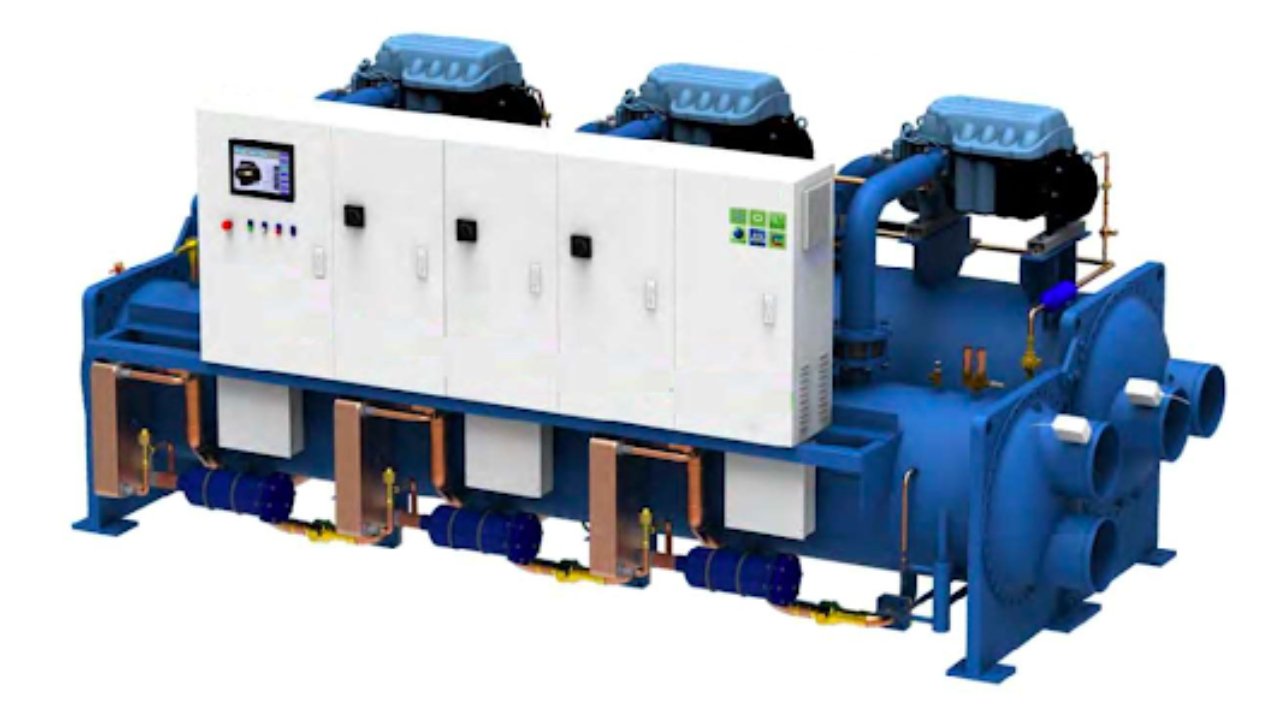
Chillerone is a leading magnetic chiller manufacturer in China. For over 15 years, we have designed and manufactured different types of chillers, from air cooled chillers to water cooled water chillers.
With every oil free centrifugal chiller, our engineers will design the chiller to match your cooling needs. Partner with Chillerone today, for custom chiller designs – let our engineers size chiller for you at no cost.


 English
 Spanish
 Arabic
 Vietnamese

