

Many facility managers assume that the 2026 refrigerant regulations imply immediate chiller replacement. No, this is not the case – the existing chillers can remain in service, but they must plan for future refrigerant availability, regulatory compliance and maintenance costs.
In this guide, we explore which refrigerants are affected, the implications for chiller systems, and whether it is time to replace or retrofit existing systems.
· The Push Towards Lower-GWP Refrigerants
With the new regulations in place, industries will begin to experience a gradual reduction in the availability of high-GWP refrigerants. This will ultimately translate to higher maintenance costs and unavailability of refrigerants. This will result in decommissioning or retrofitting chiller systems.
From sourcing, maintenance and leakage, owning older systems may ultimately not make economic sense to operate. Therefore, apart from complying with environmental regulations, it aims to ensure system stability and reduce costly system downtimes.
· Regulations Driving the Transition
International and federal regulations are driving the shift to lower-GWP refrigerants by gradually reducing the use of high-GWP HFCs. These changes enforce the Kigali Amendment to the Montreal Protocol, which requires manufacturers and businesses to adopt environmentally friendly refrigerants. These standards help ensure regulatory compliance, improve long-term refrigerant availability, and fall under the American Innovation and Manufacturing [AIM] Act.
What does this mean to your facility?
The 2026 chiller regulations are not just about environmental compliance, but they determine refrigerant reliability, maintenance costs and long-term equipment planning.
Understanding the 2026 Refrigerant Regulations
Key Changes Taking Effect in 2026
· Restrictions on High-GWP Refrigerants
These regulations generally apply to the production and installation of new equipment by limiting the production and sale of high-GWP refrigerants in many new cooling systems. You do not need to immediately replace your older working A/C, but the servicing cost will rise as supplies of these refrigerants decrease due to production phase-downs.
· Requirements for Newly Manufactured Equipment
The 2026 regulations require many newly manufactured cooling systems to use lower-GWP refrigerants and meet updated safety and performance standards. These requirements help reduce environmental impact, ensure regulatory compliance, and improve long-term refrigerant availability.
· Safety Considerations for A2L
A2L refrigerants are mildly flammable but are safe when installed correctly, as they include enhanced safety features and mechanisms to ensure proper and safe operation. In addition, the most common A2L refrigerant used in new HVAC system is R-454B, which is replacing R-410A.
This does not imply your existing chillers will cease operating immediately. This information will help you with planning to avoid refrigerant shortages and ensure the chiller system meets the required regulatory compliance requirements.
However, it is important to review chiller system age, maintenance history, and refrigerant type.
Commercial and Industrial Chillers Affected by New Regulations
· Commercial Comfort Cooling
Commercial comfort cooling systems traditionally rely on high-GWP refrigerants such as R-134a and R-410a to cool water for air conditioning. Manufacturers are transitioning these systems to lower-GWP refrigerants, helping businesses maintain regulatory compliance as new regulations take effect.
· Industrial Process Cooling
In industries such as food and beverage processing, industrial process cooling systems are affected because they use high-GWP refrigerants. Manufacturers are introducing new process cooling systems designed for lower-GWP to support sustainability initiatives and maintain reliable production operations. Businesses may face higher refrigerant costs and reduced availability if they continue operating older industrial chillers.
· Air-cooled Chillers
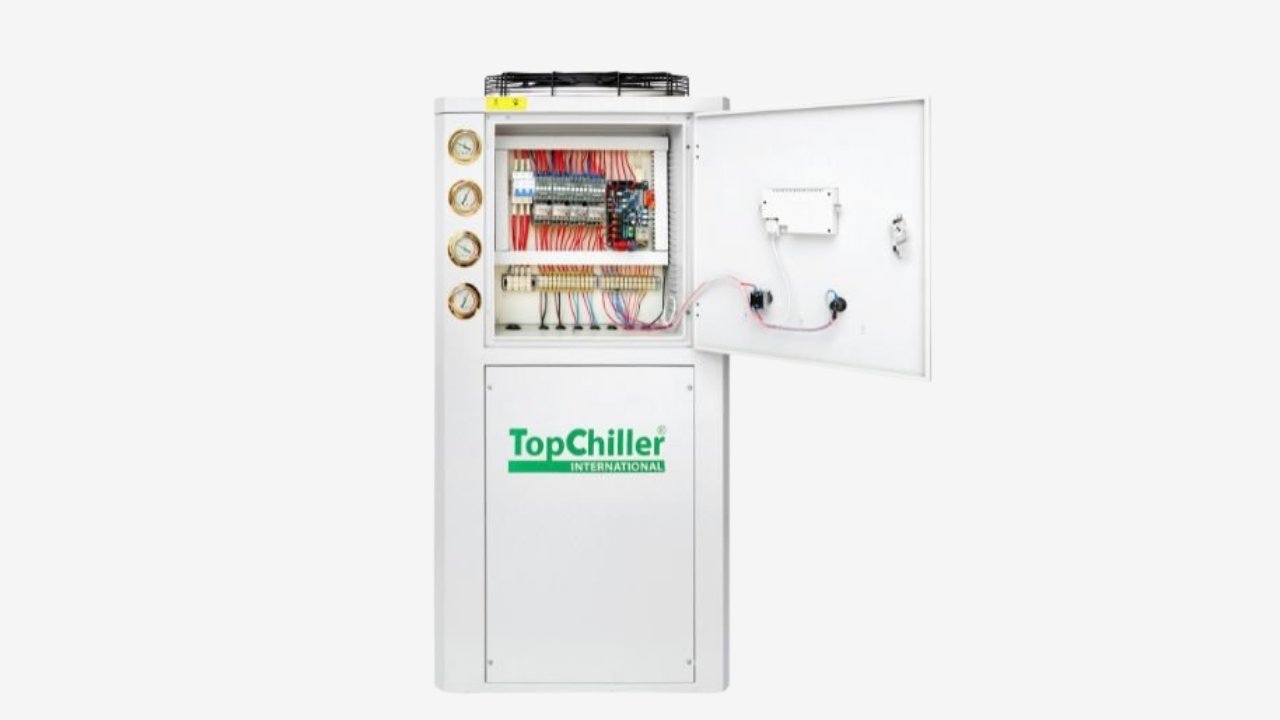
Many older air-cooled chillers use high-GWP refrigerants and are widely used for commercial comfort cooling and industrial process cooling. These systems remove heat by transferring it to the surrounding air, and manufacturers are increasingly producing new models that use low-GWP refrigerants. Depending on the application and system capacity, these units are designed to reduce environmental impact and improve long-term operational sustainability.
· Water-cooled Chillers
Water-cooled chillers use cooling towers to achieve high efficiency in large commercial buildings, data centers, and industrial facilities. They traditionally use high-GWP refrigerants such as R-134a, but manufacturers are introducing chillers that use lower-GWP alternatives to ensure regulatory compliance and support energy-efficient operation.
Refrigerant Transition for Chiller Systems
Even as you work to transition from high-GWP to low-GWP refrigerants, it is important to know their status in 2026. This information helps in formulating a strategic plan for chiller upgrading.
| Refrigerant | Common Applications | GWP | 2026 Status |
| R-410A | · Commercial HVAC | · High | · Phase-down |
| R-134a | · Water chillers | · High | · Restricted in many new applications |
| R-404A | · Industrial refrigeration | · Very high | · Phase-down |
| R-454B | · Commercial HVAC | · Low | · Approved alternative |
| R-32 | · Air-cooled systems | · Low | · Approved alternative |
| R-1234ze(E) | · Commercial and industrial chillers | · Very low | · Preferred for many new chiller designs |
Whether to Retrofit or Replace Existing Chiller System
· When Retrofitting is a Practical Option
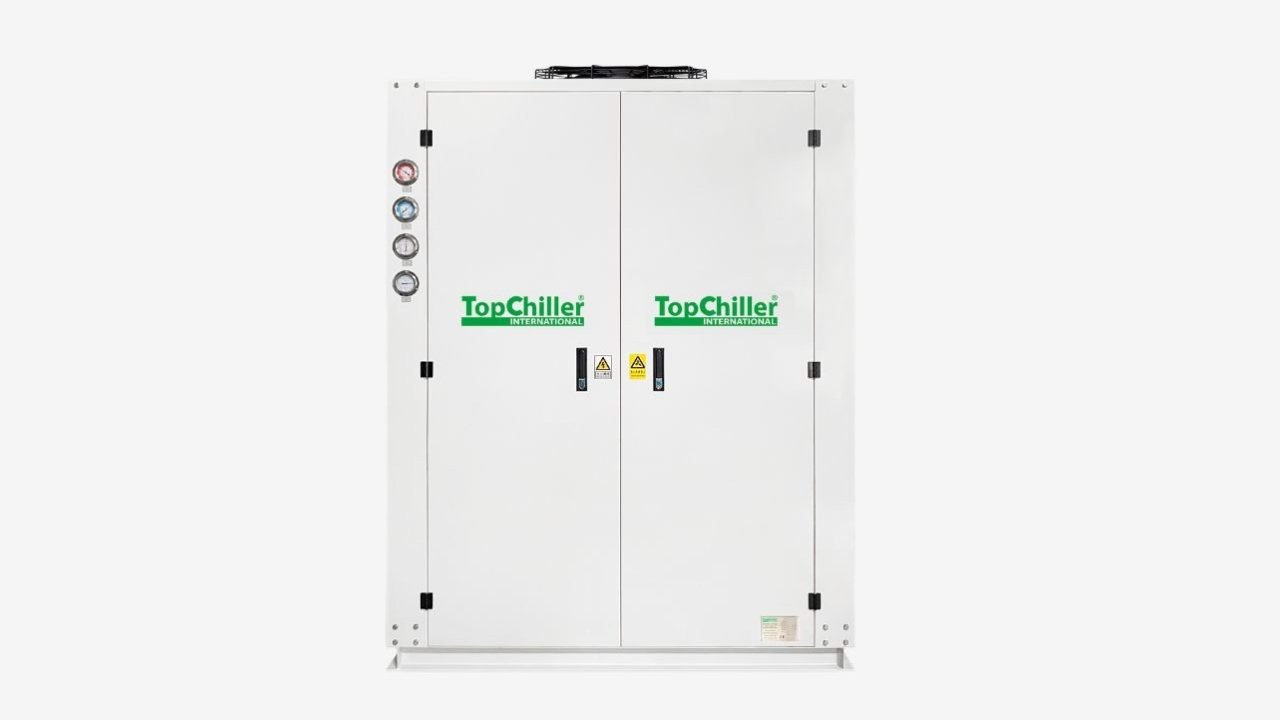
Retrofitting is a practical option when your current system refrigerant has a ‘drop-in replacement ’. For example swapping R-12 for R-134a in a chiller is compatible with an approved lower-GWP refrigerant, which can reduce upgrade costs. You can sell your old refrigerant to help cover the cost of new bearings, oil, and replacement refrigerant.
· When Replacement Delivers Long-Term Value
Replacing a chiller offers long-term value if your chiller breaks down more often, runs less efficiently, or relies on a high-GWP refrigerant. When you start seeing frequent alarms, oil contamination, or unstable cooling, it means the system is aging. Replace it with a new low-GWP chiller to improve energy efficiency, reduce maintenance costs, ensure regulatory compliance, and provide more reliable performance.
FAQs
What are low GWP chiller refrigerants?
Low GWP chiller refrigerants are known for their low global warming potential, which reduces the environmental impact of chiller systems while providing reliable cooling.
Can I continue using chillers even with the phased-down refrigerant?
Yes, if they are properly maintained and comply with local regulations. Most refrigerant phase-down regulations focus on reducing the production and supply of high-GWP refrigerants, rather than banning the operation of equipment already in service.
Which refrigerant is best for new commercial or industrial chillers?
For commercial chillers, you may consider R-744 [CO2], R-290[propane], R-513A, R-717 [Ammonia] or R-1234ze [E]. The choice depends on the application, safety requirements, chiller’s size, and efficiency goals.
How do you choose a future-proof industrial chiller??
- Confirm compliance with industry.
- Consider scalability.
- Ensure easy maintenance and serviceability.
- Prioritize energy efficiency.
- Evaluate the manufacturer’s reputation.
- Choose a low-GWP refrigerant.
- Verify compatibility with your application.
- Select the right cooling capacity.
Does refrigerant affect chiller efficiency?
Yes, refrigerant affects chiller efficiency through temperature range suitability, compressor compatibility, operating pressures, and heat transfer performance.
Do the 2026 regulations apply to existing chillers?
It primarily applies to new chillers and new installations.
Can an existing chiller be retrofitted to use a low-GWP refrigerant?
Yes, manufacturers should confirm that the proposed refrigerant is approved for the specific chiller model, age, compressor type, and that the replacement refrigerant is compatible before retrofitting.
Planning for Low GWP Refrigerant Transition
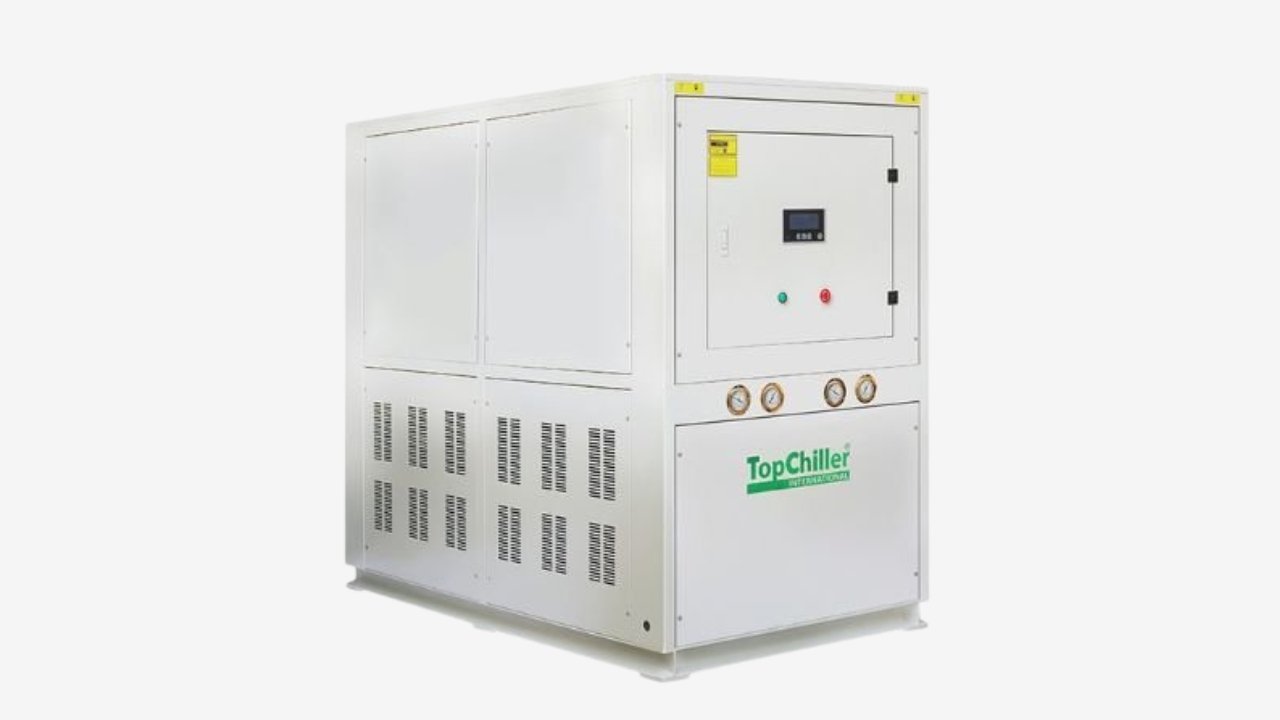
ChillerOne engineers will evaluate your current chiller and then recommend whether to go for a retrofit or replacement option. We will recommend the right chiller design and refrigerant for high energy efficiency, while focusing on reducing the cost of operation in the long-term.
Contact us today for a customized chiller quote and free consultation.


 English
 Spanish
 Arabic
 Vietnamese

