

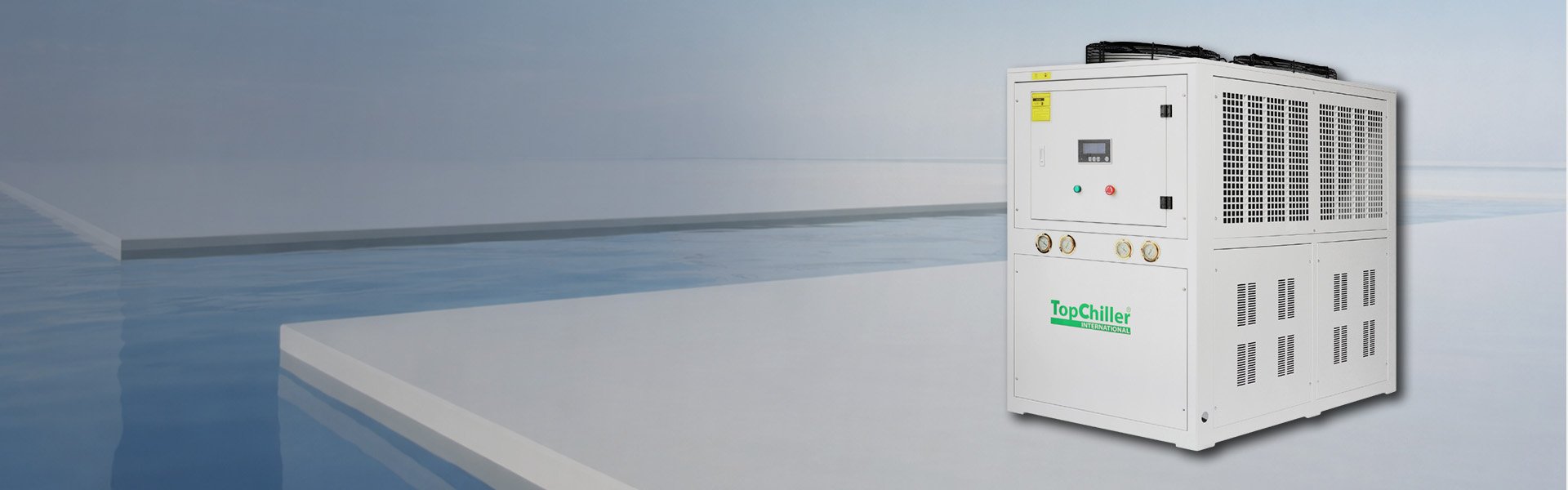
Chiller Solution to Match Oil Brand









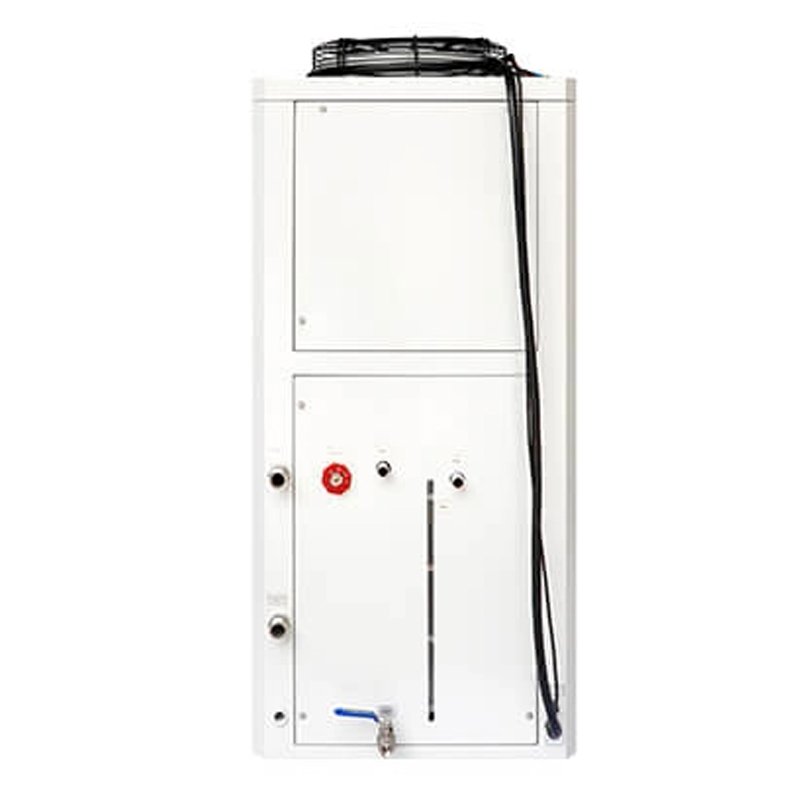
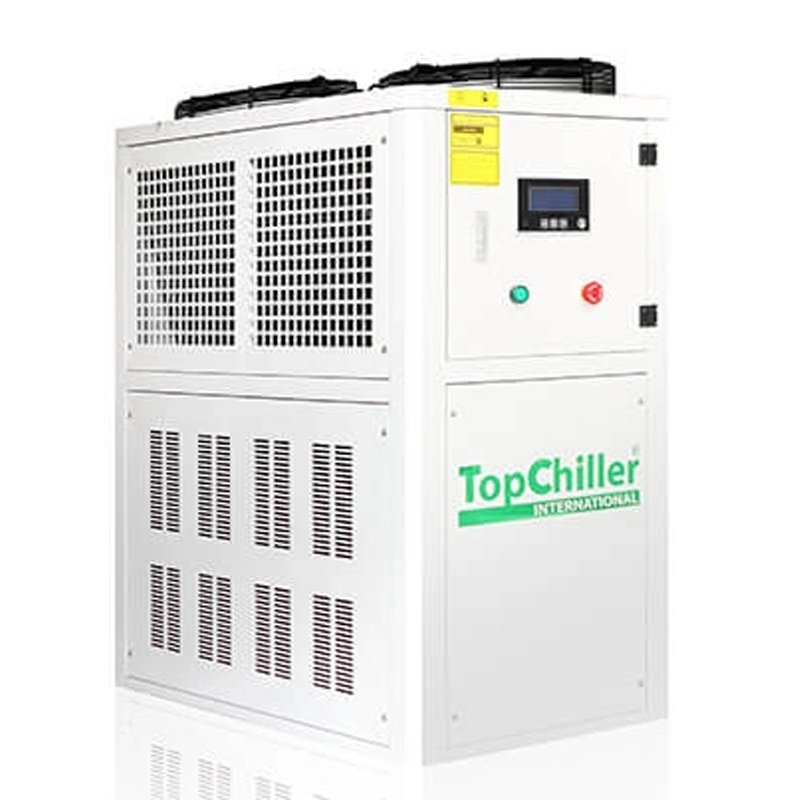
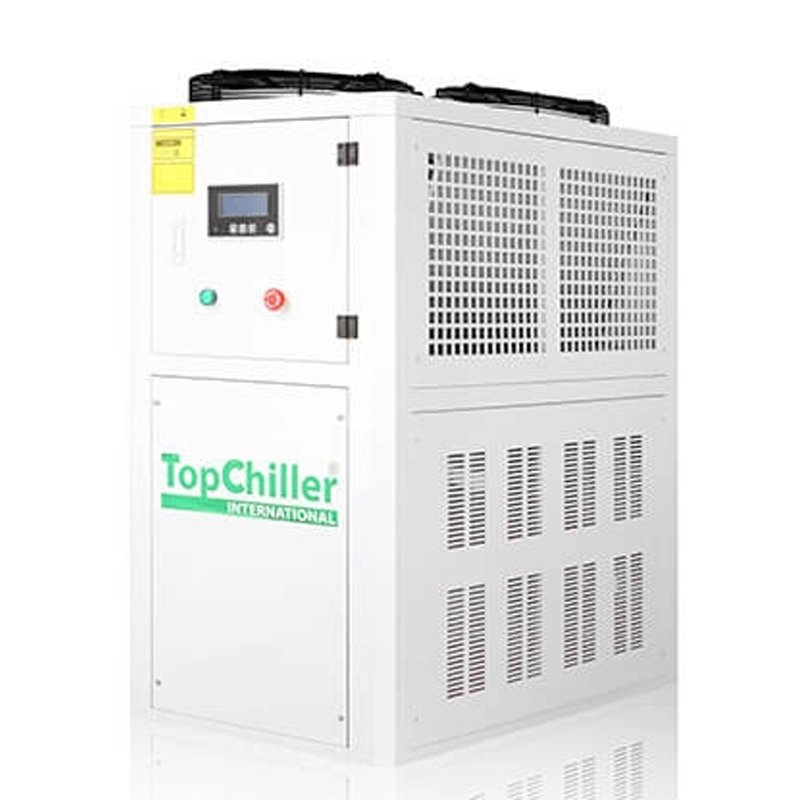
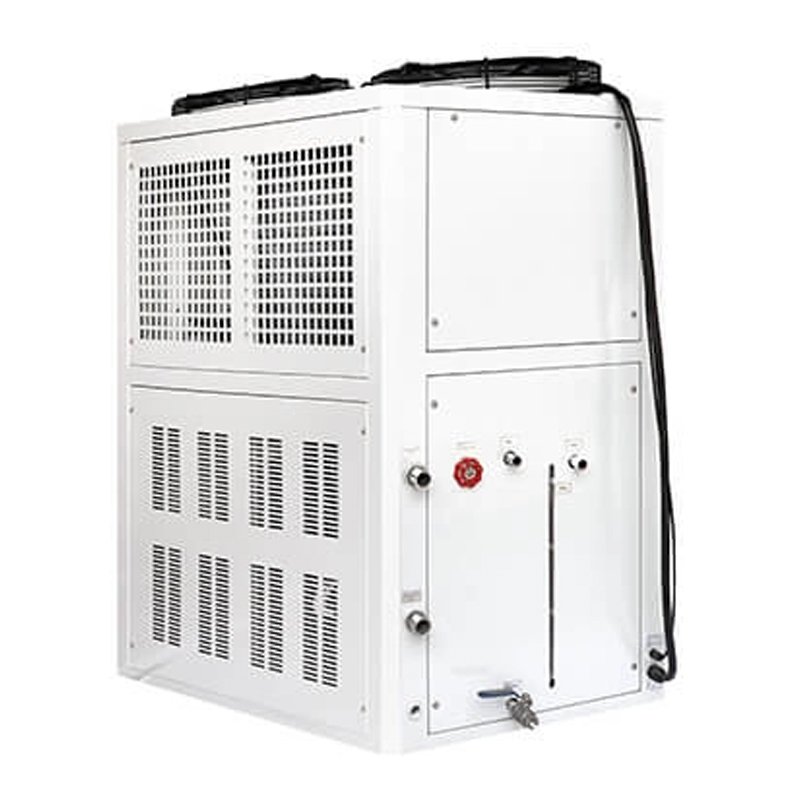
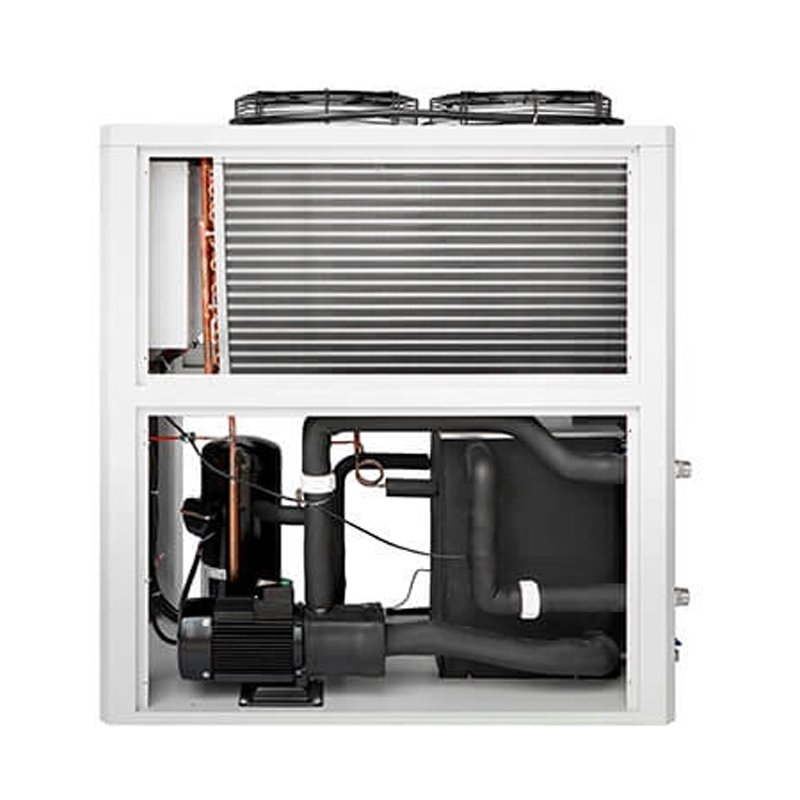
Whatever Type of Oil Chiller, ChillerOne Can Fulfill the Oil Chiller Solution for You.
- Oil chiller capacity 5KW to 150KW: ChillerOne has various oil chiller models with cooling capacity ranging from 5KW to 62KW
- Temperature control 7℃ to 45℃: Oil chiller designed by ChillerOne will keep the cooling oil at the temperature control range from 7℃ to 45℃
- SS brazed plate type heat exchanger: All oil chiller units manufactured by ChillerOne have Stainless steel brazed plate type heat exchanger as the evaporator
- Cooling hydraulic and lubrication oil: Oil chillers from ChillerOne can be used for cooling both hydraulic oil and lubrication oil
- Micro-computer temperature controller: Each oil chiller manufactured by ChillerOne has a smart Mirco-computer temperature controller
- For spindle and hydraulic oil cooling purposes: Oil chillers from ChillerOne are widely used for cooling spindle and hydraulic oil
Trusted by Top Factories Globally for Reliable Oil Chiller Design & Manufacturing
ChillerOne oil chillers are specially engineered to remove excess heat from hydraulic oil and lubrication oil. Oil plays an important role in industrial processes and heavy machinery like hydraulic power packs, hydraulic presses, and CNC machines, among other systems.
Therefore, you need a cooling system to maintain the optimal oil temperature to ensure the oil does not change its viscosity and properties. That is where our oil chillers come in.
With ChillerOne oil chillers, you can configure a safe operating temperature from the control panel and monitor the temperature, while the PID controller adjusts operating parameters. By controlling oil temperature, it will effectively prevent costly overheating and protect your machinery from thermal deformation.
Therefore, investing in the right chiller for oil will prevent unplanned downtime, unnecessary wear that can be costly, and total breakdown that may require investing in new machines. Clearly, this guarantees significant cost savings and optimal working conditions for maximum productivity.
At ChillerOne, we offer many chiller options like hydraulic oil chillers, spindle oil chillers, and industrial oil chillers. You can choose from either air-cooled condensers or water-cooled condensers.
Upon request, our engineers can also size and customize these chillers to match your unique process specification. Remember, with a stable temperature performance, you are always guaranteed of predictable performance.
Tell us more about your oil cooling needs, and our engineers will customize every chiller to match your request – contact us for a free consultation and quotation.
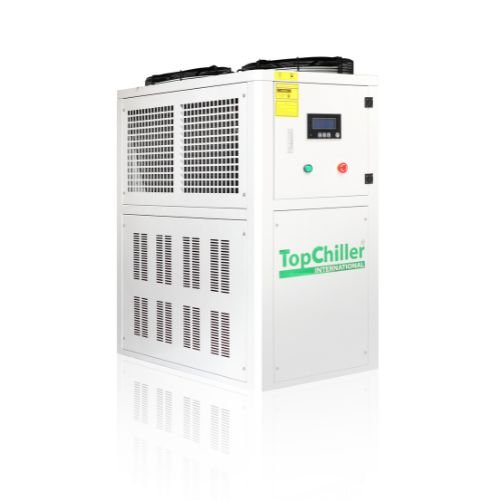
Our air-cooled design keeps hydraulic oil at a safe temperature without needing a water line.
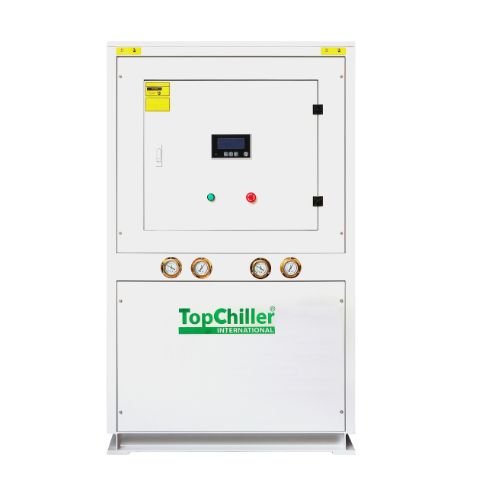
Topchiller’s water-cooled system provides stable and efficient oil cooling for continuous use.
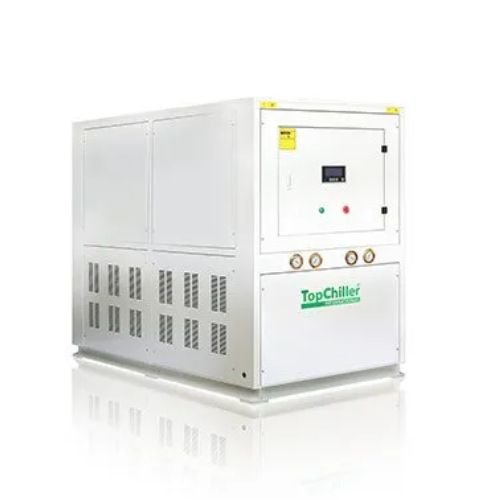
Our three-phase chiller delivers strong cooling performance for heavy industrial machines.
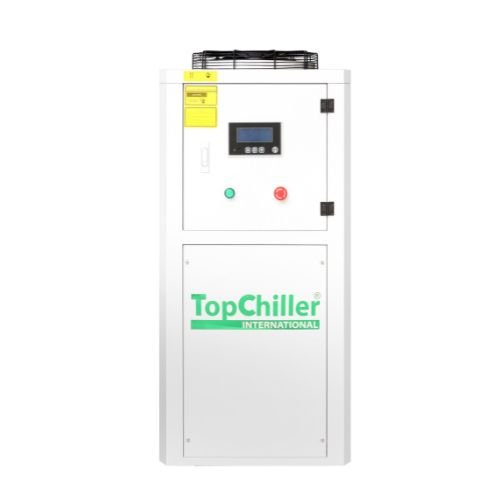
Topchiller’s unit helps maintain consistent oil temperature for smooth and reliable system performance.
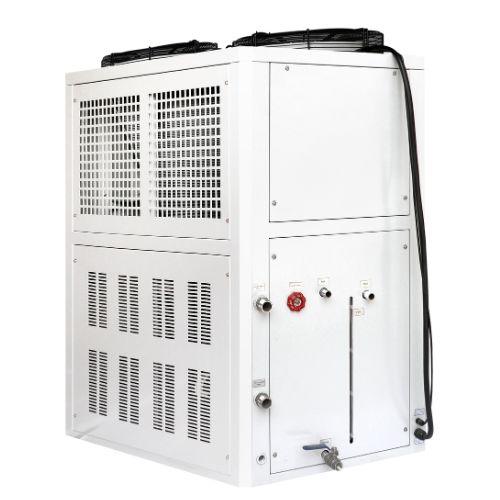
Our immersion design cools oil directly for fast and effective temperature control.
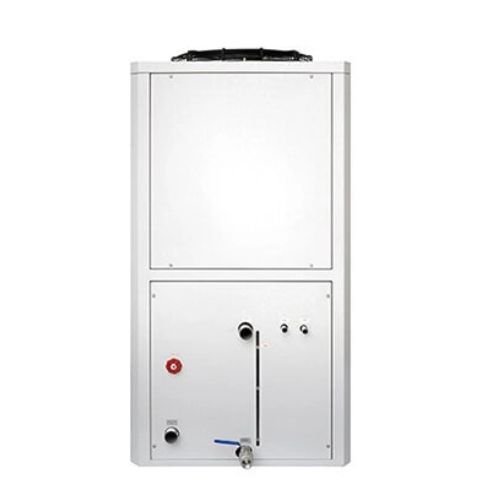
Topchiller’s chiller protects CNC machines by preventing overheating and improving accuracy.
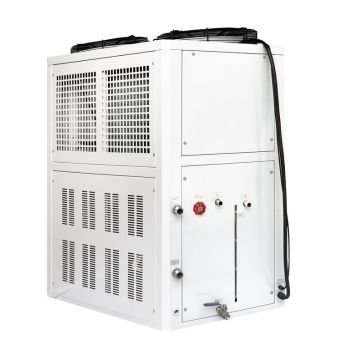
Our unit keeps hydraulic systems running smoothly by maintaining proper oil temperature.
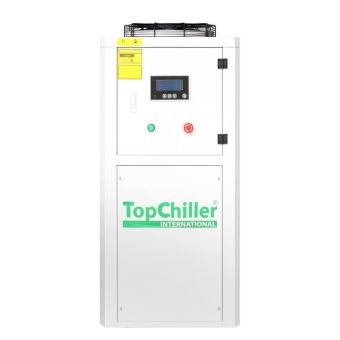
Topchiller’s chiller supports power packs, helping prevent heat buildup and extending equipment life.
Reliable Certification


- Data Sheet
- Video
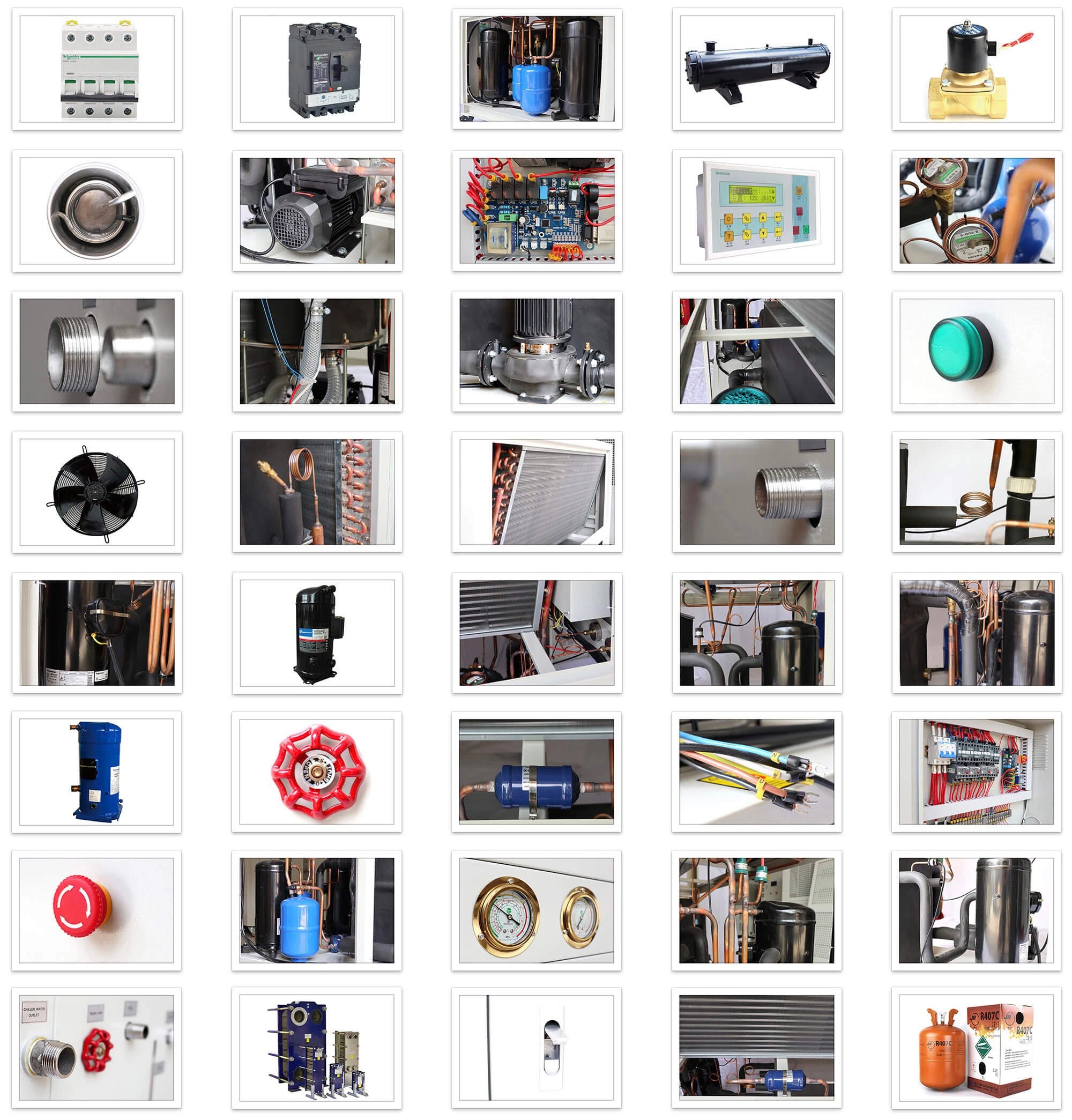
- Main Parts
- Successful Application Examples
| Water Cooled Screw Chiller Technical Specifications | ||||||||||||||||||||||
| Model lItem | TPW- 100WSH | TPW- 135WSH | TPW- 175WSH | TPW- 190WSH | TPW- 230WSH | TPW- 255WSH | TPW- 300WSH | TPW- 350WSH | TPW- 375WSH | TPW- 415WSH | TPW- 470WSH | TPW- 500WSH | TPW- 560WSH | TPW- 590WSH | TPW- 610WSH | TPW- 720WSH | TPW- 790WSH | TPW- 840WSH | TPW- 940WSH | |||
| Coollng Capacity | kcal/h | 86000 | 116100 | 150500 | 163400 | 197800 | 219300 | 258000 | 301000 | 322500 | 356900 | 425700 | 447200 | 490200 | 533200 | 550400 | 645000 | 705200 | 756800 | 851400 | ||
| KW | 100 | 135 | 175 | 190 | 230 | 255 | 300 | 350 | 375 | 415 | 495 | 520 | 570 | 620 | 640 | 750 | 820 | 880 | 990 | |||
| Input Power | KW | 22 | 30 | 37 | 42 | 51 | 56 | 65 | 75 | 80 | 90 | 103 | 109 | 118 | 127 | 131 | 151 | 167 | 177 | 199 | ||
| Max Current | A | 40 | 53 | 67 | 73 | 89 | 97 | 109 | 126 | 137 | 153 | 177 | 187 | 203 | 218 | 225 | 260 | 288 | 306 | 345 | ||
| Power Source | 3PH~380V/415V/480V~50HZ/60HZ(3PH~200V/220V 50HZ/60HZ) | |||||||||||||||||||||
| Refrigerant | Type | R22(R134a/R407c/R404A) | ||||||||||||||||||||
| Charge | kg | 17 | 22 | 27 | 33 | 38 | 43 | 50 | 55 | 60 | 66 | 82 | 88 | 94 | 100 | 110 | 121 | 132 | 143 | 165 | ||
| Control | Thermostatic expanslon valve | |||||||||||||||||||||
| Compressor | Type | Seml-hermetic screw | ||||||||||||||||||||
| Power | KW | 22 | 30 | 37 | 42 | 51 | 56 | 65 | 75 | 80 | 90 | 103 | 109 | 118 | 127 | 131 | 151 | 167 | 177 | 199 | ||
| Startmode | Y-△ | |||||||||||||||||||||
| Capacity control | % | 0-33-66-100 | 0-25-50-75-100 | |||||||||||||||||||
| Evaporator | Type | Shell and tube (SS plate heat exchanger) | ||||||||||||||||||||
| Chilled water | m³/h | 17.2 | 23.2 | 30 | 32.7 | 40 | 43.9 | 51.6 | 60.2 | 64.5 | 71.4 | 85.1 | 89.4 | 98 | 106.6 | 110 | 129 | 141 | 151.3 | 170.4 | ||
| Water pressure | KPa | 35 | 35 | 35 | 38 | 40 | 42 | 42 | 45 | 45 | 43 | 40 | 41 | 43 | 45 | 45 | 45 | 45 | 43 | 45 | ||
| Plpe connection | Inch | 3″ | 3″ | 3″ | 3″ | 4″ | 4″ | 4″ | 4″ | 4″ | 4″ | 5″ | 5” | 5″ | 6″ | 6″ | 8″ | 8″ | 10″ | 10″ | ||
| Condenser | Type | Water cooled type shell and tube | ||||||||||||||||||||
| Cooling water | m³h | 21 | 28.4 | 36.6 | 40 | 48.3 | 53.5 | 62.8 | 73 | 78.2 | 86.8 | 102.8 | 108.2 | 118.3 | 128.5 | 132.6 | 155 | 169.7 | 181.8 | 204.5 | ||
| Water pressure | KPa | 42 | 42 | 42 | 43 | 42 | 43 | 43 | 45 | 45 | 45 | 48 | 45 | 46 | 48 | 46 | 48 | 48 | 45 | 47 | ||
| Plpe connectlon | Inch | 3″ | 3″ | 3” | 4″ | 4″ | 4″ | 4″ | 4″ | 5″ | 5″ | 5″ | 5″ | 6″ | 6″ | 6″ | 8″ | 8″ | 10″ | 10″ | ||
| Safety protection devices | Inerthermostatfor compressor moto,unitoveloa relay,high and low presur swith,fezeprotecton thermosta,revese phase protecton relay dlscarge gasthermosta,flowswitch | |||||||||||||||||||||
| Dimenslon | Length | mm | 2150 | 2350 | 2450 | 2600 | 2750 | 2800 | 2800 | 2900 | 2900 | 3000 | 3000 | 3100 | 3300 | 3500 | 3800 | 3900 | 4100 | 4300 | 4500 | |
| Width | mm | 560 | 620 | 650 | 680 | 780 | 950 | 950 | 950 | 950 | 1200 | 1200 | 1250 | 1380 | 1380 | 1380 | 1380 | 1450 | 1480 | 1480 | ||
| Height | mm | 1550 | 1650 | 1650 | 1650 | 1650 | 1800 | 1950 | 1950 | 1950 | 1580 | 1580 | 1630 | 1630 | 1750 | 1750 | 1750 | 1780 | 1780 | 1780 | ||
| Net welght | kg | 650 | 900 | 1050 | 1200 | 1550 | 1800 | 1900 | 2050 | 2050 | 2350 | 2500 | 2500 | 2650 | 2850 | 3150 | 3350 | 3620 | 3850 | 4160 | ||
| Runnlng welght | kg | 820 | 1050 | 1200 | 1400 | 1800 | 2100 | 2200 | 2350 | 2380 | 2530 | 2700 | 3000 | 3100 | 3350 | 3750 | 4000 | 4300 | 4600 | 5000 | ||
| The above specifications are according to the following design conditions: 1,Chilled water inlet/outlet temperature 12℃/7℃. 2,Coollng water inlet/outlettemperature 25℃/30℃. We reserve the rlght to modify the speciflcations without further notice. | ||||||||||||||||||||||
German Gear Grinding
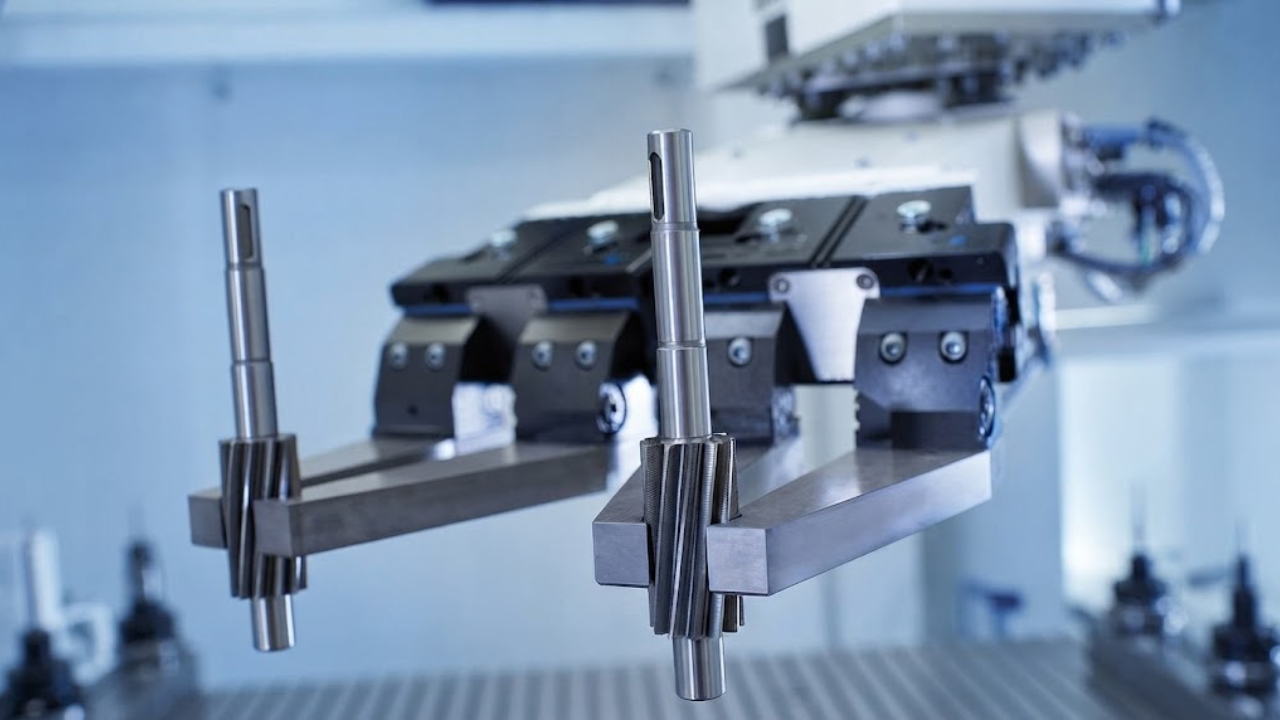
In a precision gear factory in Germany, the hydraulic oil temperature of the grinding machine fluctuated greatly, affecting the repeatability of the processing. Chillerone provided a 5.5 kW oil chiller (approximately 1.6 tons of cooling capacity), specifically for cooling the hydraulic oil. The temperature fluctuation reduced from ±5°C to ±1°C, the viscosity became more stable, and the grinding consistency improved. The annual savings in oil and adjustment costs were approximately 4,800 euros.
Indian Hydraulic Machine Factory
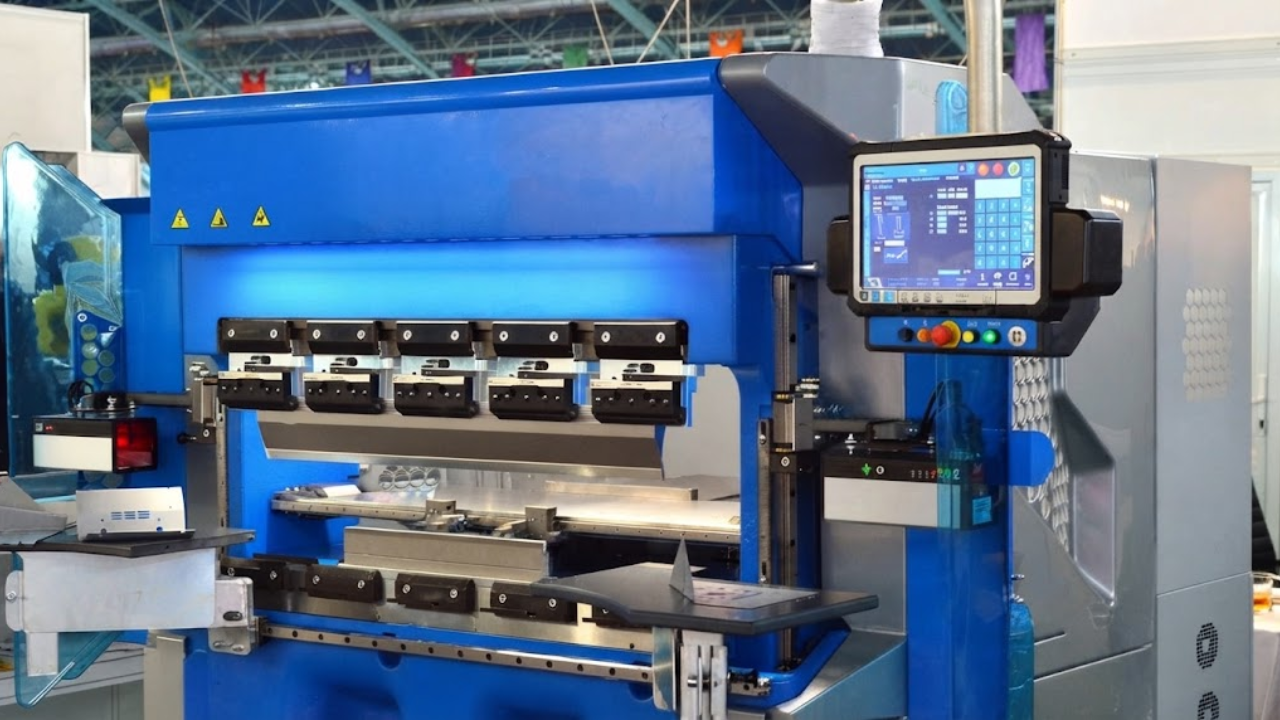
A 1,000-ton hydraulic machine in India frequently stopped due to excessively high oil temperature. Chillerone equipped a 12 kW hydraulic oil chiller (approximately 3.4 tons of cooling capacity) to independently cool the hydraulic oil circuit. The annual downtime decreased from 70 hours to 18 hours, the hydraulic oil replacement cycle was extended from 4 months to 8 months, and the customer recognized the reliability of the industrial oil chiller.
Turkish Injection Molding Factory
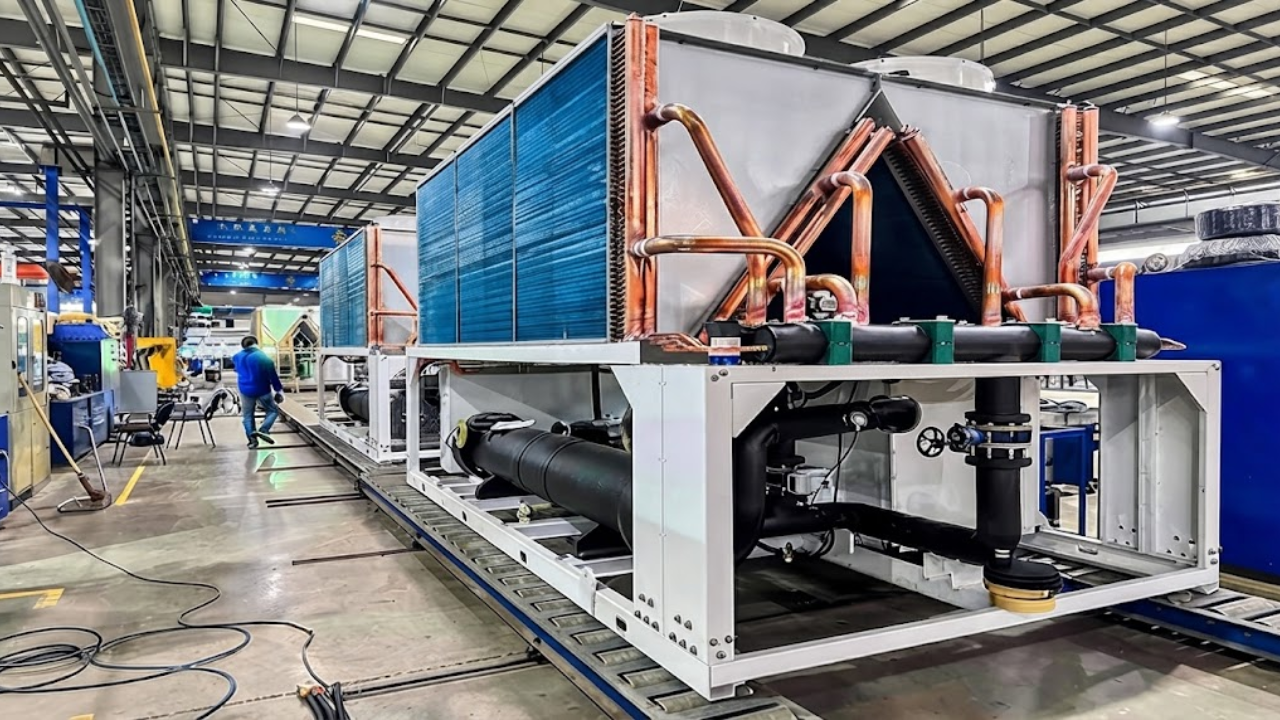
A certain injection molding factory in Turkey used to mix the mold cooling and hydraulic oil cooling, resulting in high energy consumption. Chillerone provided an 18 kW oil chiller unit (approximately 5.1 tons of cooling capacity), separating the hydraulic oil cooling. The annual oil cooling electricity consumption decreased from 96,000 to 59,500 kWh, saving approximately 7,200 US dollars and reducing the ineffective operation of large machines.
American Hydraulic Power Unit
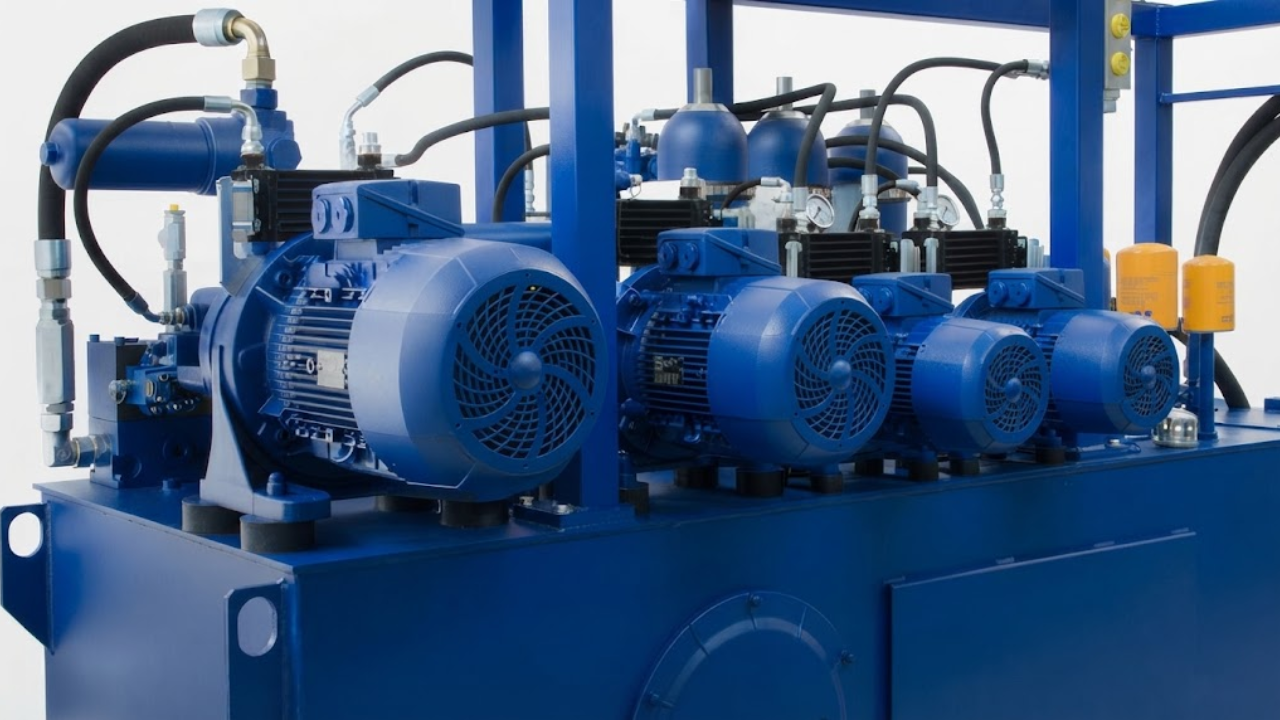
A metal forming factory in the United States had high oil temperatures in the hydraulic power unit, causing rapid oil oxidation and frequent maintenance. Chillerone installed an 8 kW oil cooler chiller (approximately 2.3 tons of cooling capacity) to stabilize the oil temperature. The annual oil consumption decreased from 1,800 liters to 800 liters, the filter element replacement frequency was halved, and the annual maintenance savings were approximately 8,600 US dollars.
See the Oil Chiller in Action
Watch how the oil chiller delivers stable temperature control, fast cooling response, and reliable performance in real industrial working conditions.
What is the Oil Chiller?
Unlike a water chiller, an oil chiller is a cooling device designed to cool oil, which is more viscous and less thermally conductive than water. It circulates oil through the system to absorb and dissipate heat, thus serving both cooling and lubricating purposes. You can use it in a variety of industrial environments to cool lubricating and hydraulic oils in injection moulding machines, machine tools, and other equipment, thereby reducing the heat generated during operation. This not only ensures processing quality but also extends the service life of the equipment.
Core Components of an Oil Chiller
Evaporator
The evaporator is equivalent to a heat exchanger and is responsible for the heat exchange between the refrigerant and the oil in the evaporator. It uses the refrigerant to lower the temperature of the oil and ensure that the refrigerant is converted to a gaseous state after absorbing heat.
Compressor
The compressor acts as the main power source within the oil chillerr, driving the refrigerant cycle and converting the low-pressure refrigerant to high temperature and pressure. You can choose between different compressors depending on the application. There are scroll compressors for high temperature control accuracy and screw compressors for higher cooling loads.
Condenser
A condenser helps to dissipate heat by heat exchange between the refrigerant and air or
water. Depending on the object of heat exchange, they can be divided into water-cooled condensers and air-cooled condensers. The air-cooled condenser enables the refrigerant to exchange heat directly with the outside air, while the water-cooled condenser transfers heat to the water in the cooling tower.
Expansion Valve
Expansion valves convert medium-temperature, high-pressure refrigerants into low-temperature, low-pressure refrigerants. In this way, the refrigerant absorbs heat efficiently and turns into a vapour again in the next cycle. The expansion valve also automatically adjusts the refrigerant flow according to the current refrigeration load to minimise unnecessary losses.
Control Panel
The control panel is the operating system used to start, stop, and regulate the oil chiller. It sends commands to individual components to perform tasks and ensures smooth and safe operation of the oil chiller. It has a user-friendly human-machine interface and prompts various warnings, allowing you to monitor the cooling process of the oil chiller at any time through the control system.
Oil Pumps and Oil Separator
Pumps are used to transfer and recover oil, drive cooled oil into the equipment, and transfer high-temperature oil to the oil chiller. The oil separator is used to separate the oil from the refrigerant, reducing refrigerant loss while providing better lubrication to the oil.
How an Oil Chiller Works?
Evaporation
When you start the oil chiller via the control panel, the high-temperature oil in the unit is pumped to the evaporator of the oil chiller. The refrigerant in the evaporator will quickly absorb the heat from the oil and cool it. The cooled oil is then re-routed to work in the equipment, while the refrigerant converts to vapour as it absorbs heat.
Compression
Once the refrigerant is converted to a vapour, the compressor draws in the vapour to convert it to a high temperature and pressure state and drives it into the condenser.
Condensation
The refrigerant vapour entering the condenser dissipates heat and cools down. Different types of oil chillers dissipate heat differently. An air-cooled oil chiller has a fan that blows ambient air towards the condenser, allowing the refrigerant to transfer heat to the ambient air for cooling. A water-cooled oil chiller, on the other hand, will exchange heat with water in a cooling tower for cooling purposes. The cooled refrigerant vapour will recondense to a liquid after releasing heat.
Expansion
The refrigerant, which is recondensed into a liquid state, is in a high-pressure state, and it is difficult to absorb heat again. The expansion valve can further transform the refrigerant into a low-temperature and low-pressure state, so that it can efficiently absorb heat again and quickly transform into a gaseous state. The refrigerant re-enters the evaporator for another heat exchange.
Advantages of Using Oil Chillers
Maintaining the Optimum Operating Temperature of the Oil
When the equipment is running, it will generate a lot of heat to cause the oil temperature to rise, and the high temperature will affect the performance of the oil and even cause decomposition. Oil chillers can efficiently cool the oil to ensure its optimal working temperature, thus improving the performance of the oil.
Lubricating Parts
Oil chillers provide lubrication to the equipment while providing heat dissipation, thus protecting the moving parts within the equipment. This not only reduces maintenance costs but also extends the life of the equipment.
Ensuring Equipment Performance
Oil chillers maintain oil and equipment at optimum operating temperatures, allowing them to perform at their best. You can use them in machine tools to improve the precision of cutting tools and in hydraulic systems to increase sensitivity. And in high-volume production, you can achieve consistent product quality thanks to the oil chiller’s stable cooling capacity.
Improve Productivity
High temperatures can cause equipment to overheat and reduce performance, or even stop running. The use of an oil chiller can prevent overheating, reduce downtime, and extend the life of the equipment while improving productivity. In addition, injection moulding, machine tool processing and other industrial manufacturing require a stable temperature. Oil overheating may have an impact on the processed product (e.g. cause thermal deformation). The chiller can effectively reduce the defects caused by heat and reduce the scrap rate, thus improving production efficiency.
Applications of Oil Chillers
Industrial Manufacturing
Equipment in industrial manufacturing generates a lot of heat during processing, especially the moving parts in the equipment. Oil chillers enable efficient cooling to maintain temperatures in the optimum operating range, thereby improving equipment performance and manufacturing accuracy. And these moving parts need constant lubrication to minimise friction and avoid damage. You can use oil chillers for both cooling and lubrication when working on injection moulding machines, die casting, welding equipment, machine tools and more.
Energy Generation
In engines, turbines or hydraulic presses in a wide range of equipment, an oil chiller controls the temperature of the oil in the optimum operating range. This prevents the oil from becoming less viscous or from decomposing, thus improving energy efficiency and providing a stable energy output.
Food & Beverage
Compared to a water chiller, an oil chiller reduces rusting of parts and prevents limescale build-up, thus maintaining a cleaner and tidier environment and reducing the risk of contamination. This is important for the food and beverage processing industry, as it can achieve ideal hygiene standards for you, thus improving product reliability and safety.
The current advanced oil chiller is equipped with an intelligent human-machine interface, thermostat, controller, and sensors, enabling you to better control and monitor the oil chiller’s running condition in real-time. In addition, error warnings, overload protection, and oil pressure cut-off can alert you in time and automatically respond to emergencies when faults are encountered, preventing equipment damage. In addition, you can use intelligent variable frequency drives to reduce energy costs.
Most industrial oils can be used with an oil Chiller, including hydraulic oils, lubricants, and more. You can determine compatibility based on the specific type and material of oil and by checking the oil Chiller’s instructions. You will also need to ensure the quality of the oil to prevent clogging during operation and to ensure optimal performance and reliability of your system.
An oil chiller can alleviate the problem of oil leakage to a certain extent. On the one hand, oil at high temperatures will reduce viscosity or even decompose, which will lead to oil leakage. On the other hand, heat accumulation may cause damage to the equipment, resulting in oil leakage. Oil Chillers can effectively cool the oil and control the temperature of the equipment, reducing the probability of these situations.
Firstly, consider whether the water supply is sufficient or not. Water-cooled oil chillers need water for heat dissipation, while air-cooled oil chillers are more suitable for projects with insufficient water resources. Secondly, you should make your choice based on the ambient temperature. Air-cooled oil chillers do not perform well in high temperatures, while water-cooled oil chillers are not affected by ambient temperature. Also, you need to consider whether your budget is sufficient, as water-cooled oil chillers are usually more expensive than air-cooled oil chillers


 English
 Spanish
 Arabic
 Vietnamese

