

International Brands We Collaborate With


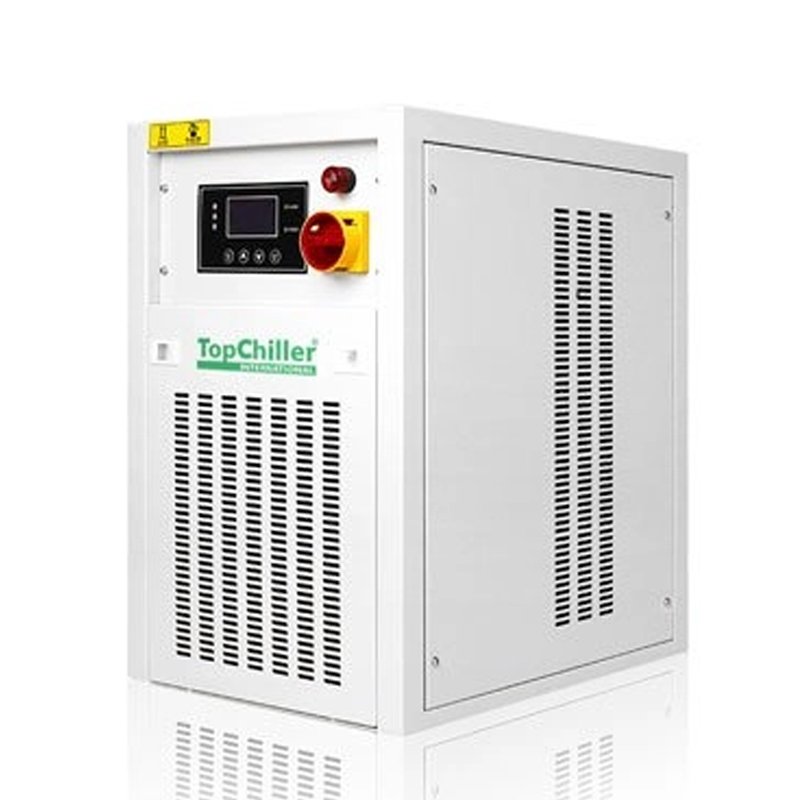

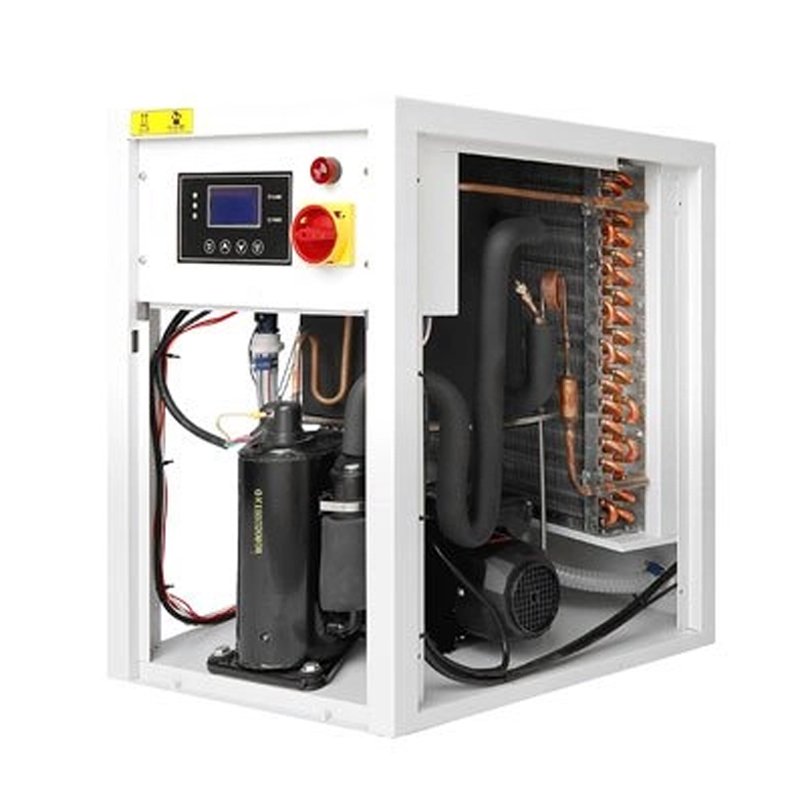
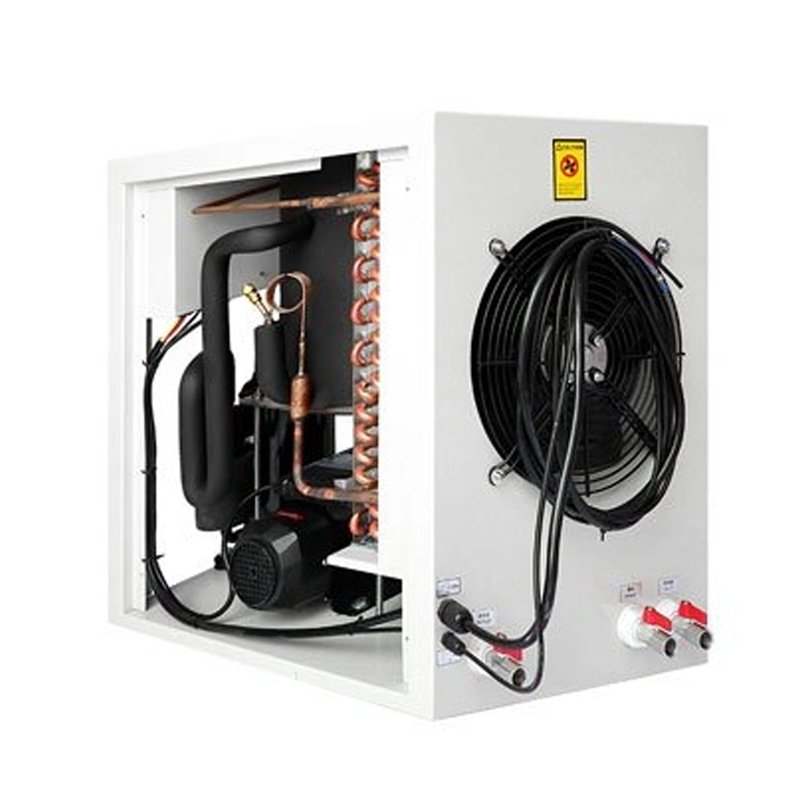
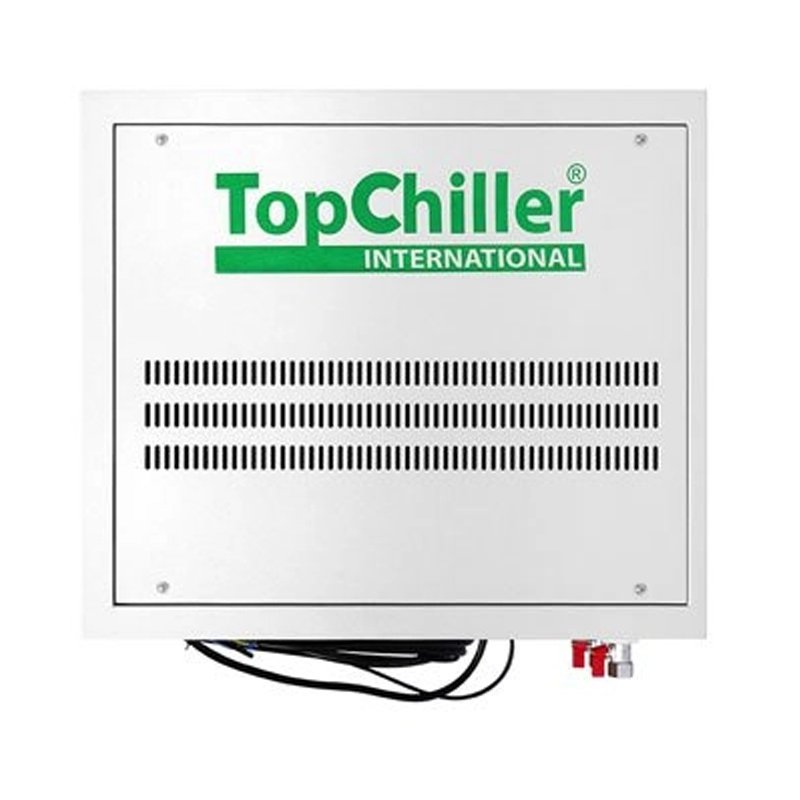
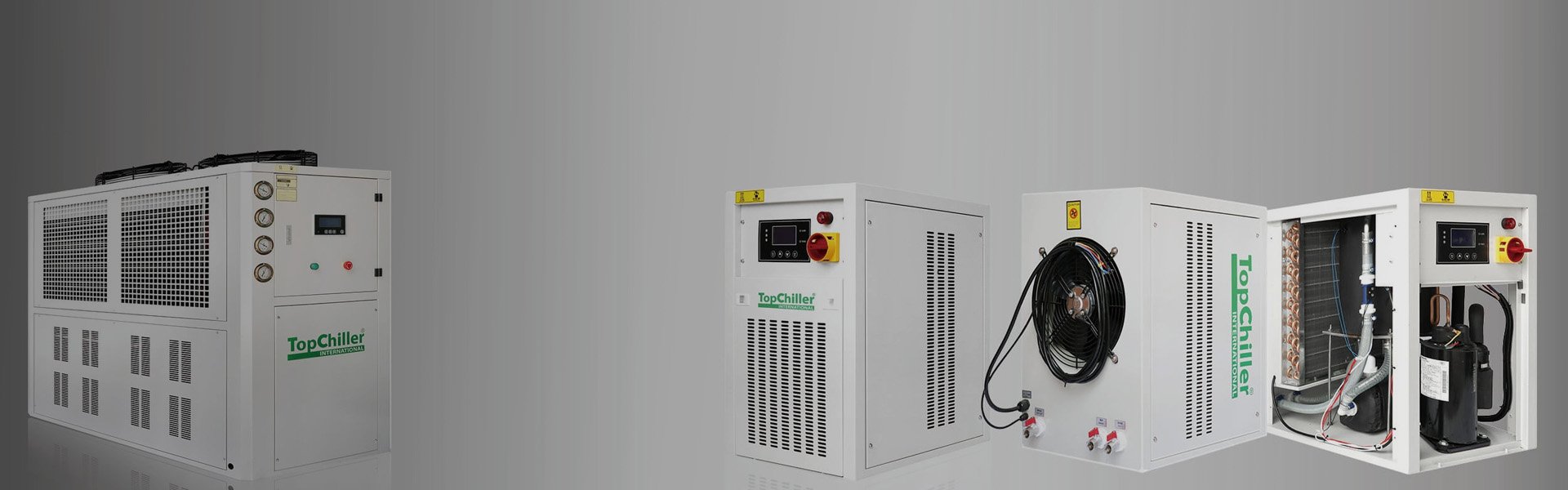
Self-contained System for Stable Cooling Temperature
- Closed-loop system, thereby saving water
- CFC-free refrigerants, hence, eco-friendly
- Stable cooling temperature within ±0.1°C
- Cooling capacity: 2 to 60 Tons
- Temperature control: 7 to 35°C
Your Leading Recirculating Chiller Manufacturer in China
If you are looking for a cooling system for sensitive applications in medical laboratories, scientific research, medical equipment, or industrial processes, then choose ChillerOne recirculating chillers. These chillers are self-contained systems that operate in a closed loop by recirculating water or water-glycol coolants.
As laboratory recirculating chillers and closed-loop systems, they maintain temperature stability at ±0.1°C. This makes these systems suitable for sensitive cooling requirements in many laboratory environments. They will help stabilize processes and reduce operating costs.
Whether you are looking for air-cooled recirculating chillers or water-cooled recirculating chillers, ChillerOne engineers will customize every system to match your cooling requirements. For example, many hospitals in Europe and the U.S.A. use our water recirculating chillers in CT scans, MRI machines, and printing machines.
With the closed-loop design, ChillerOne recirculating chillers significantly lower operating costs since the system reuses water or water-glycol coolant. This also protects coolant from external contamination, keeping it clean, which saves you from frequent water treatment and replacement.
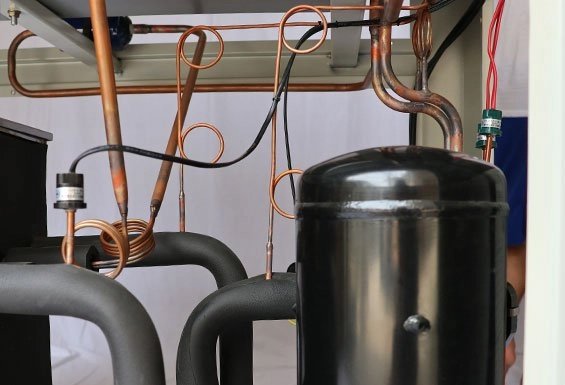
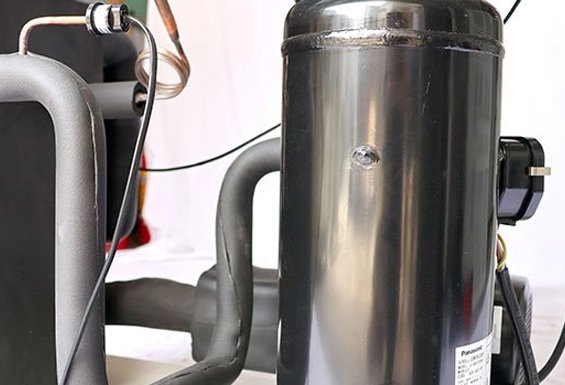
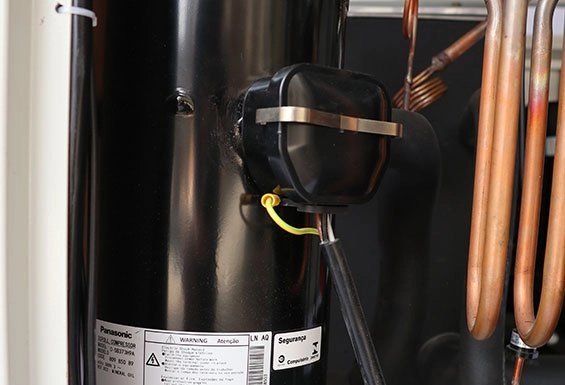
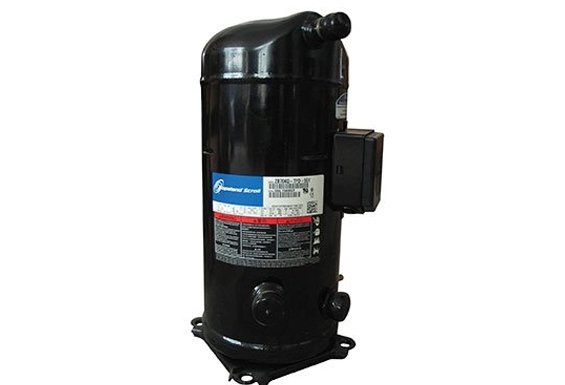
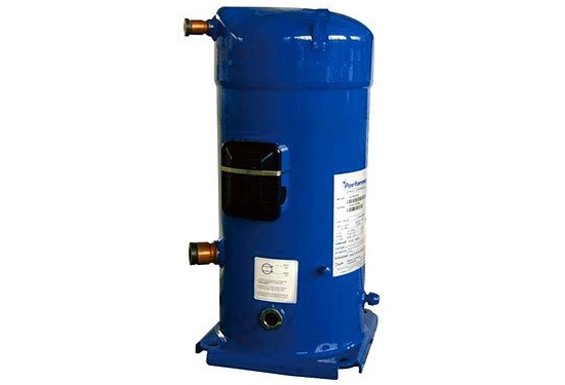
At the same time, the hermetic scroll compressor guarantees quiet operation to reduce noise pollution and save energy. The stainless steel refrigerant system is also rust-free, which again lowers maintenance costs.
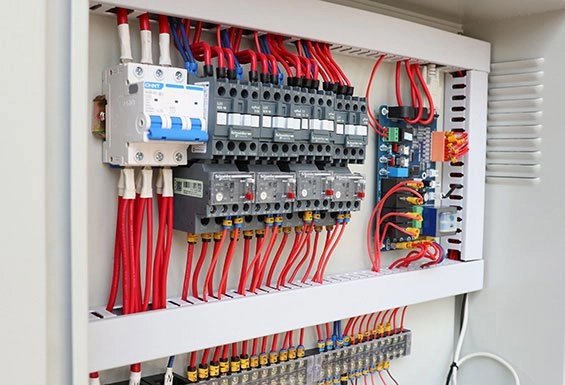
More importantly, all ChillerOne recirculating chillers have PID controllers for accuracy and consistency. The controller maintains stable cooling temperatures, with errors lower than ±0.1°C, making it perfect for critical and precise temperature control.
If you are setting up processes that require stable temperature control, ChillerOne has a perfect solution for you – Contact our engineers for free consultations.
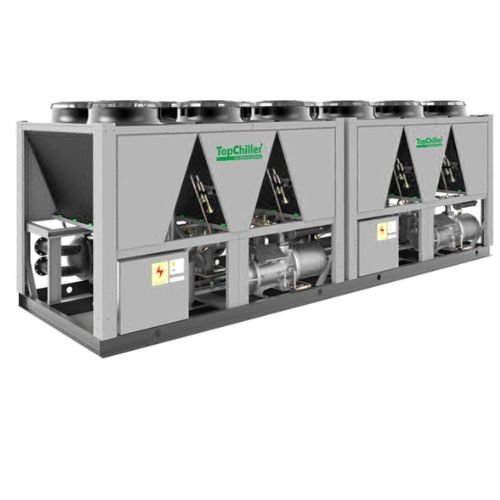
Our chiller keeps industrial equipment cool efficiently with strong, consistent airflow.
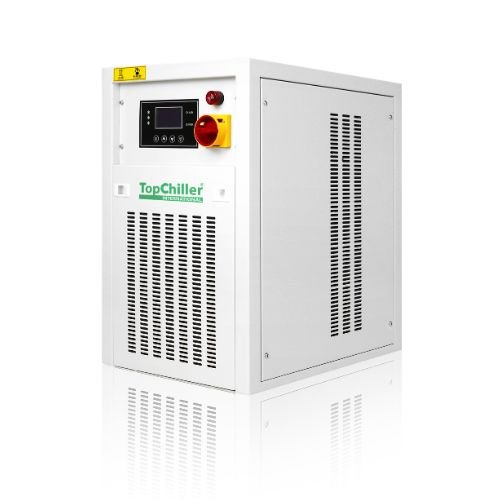
Chillerone’s lab chiller maintains precise temperatures for experiments and testing.

Our chiller provides ultra-cold circulation for sensitive processes and applications.
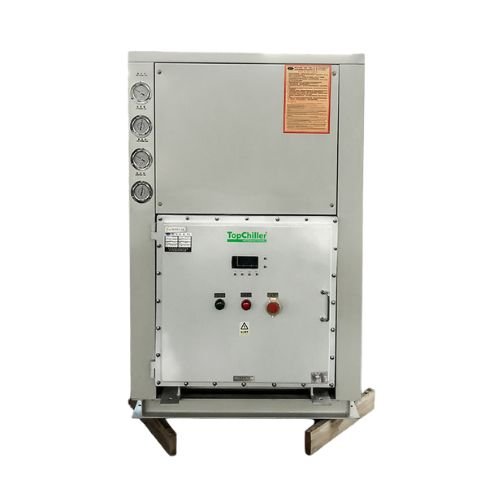
Chillerone’s safe chiller handles flammable environments while keeping system cool.
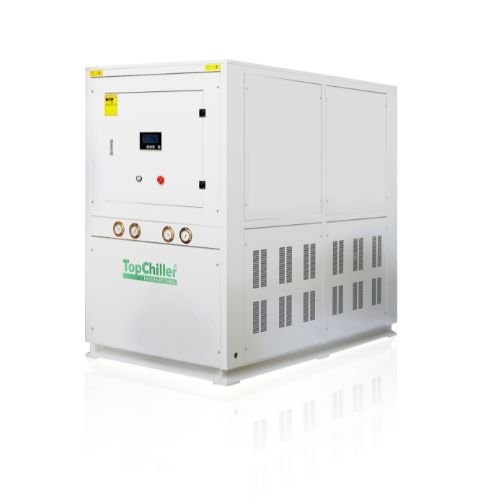
Our compact chiller delivers reliable cooling in small spaces or for portable setups.
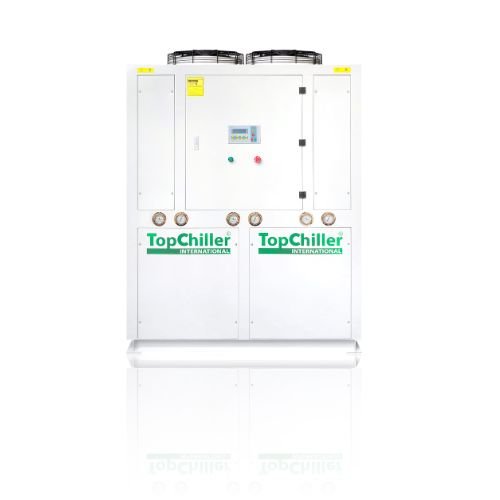
Chillerone’s chiller handles large industrial loads with long-lasting performance.
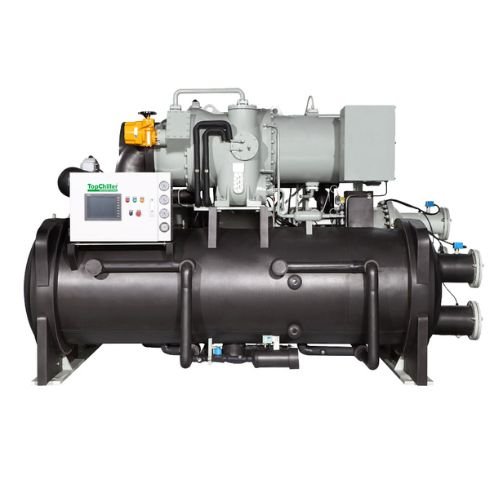
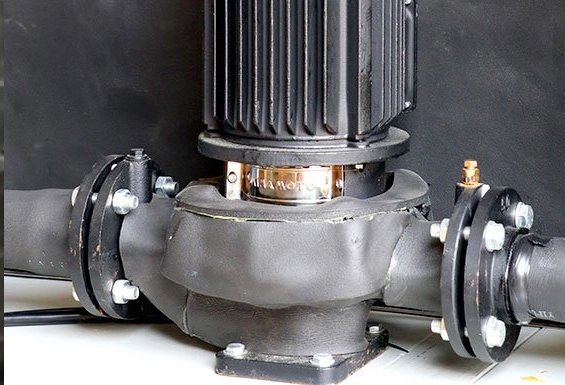
Our chiller uses a centrifugal pump to circulate water efficiently and evenly.
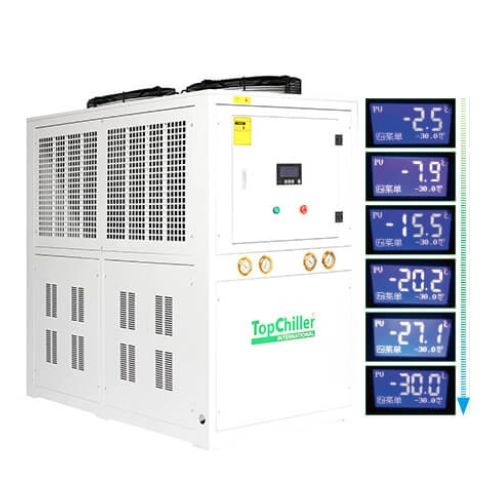
Chillerone’s chiller circulates glycol solutions, keeping processes cold and stable for industrial use.
Reliable Certification
Our chillers are certified through quality management and industry safety standards, ensuring that every product meets the highest standards. Below are some of the certifications and you can click to learn more.


- Specification
- Video
- Spare Parts
- Successful Application Examples
Recirculating Chiller Technical Specifications
| Items\Model | AC-0.5A | AC-1A | AC-1.5A | AC-2A | AC-2.5A | AC-3A | AC-4A | AC-5A | AC-6A | AC-8AD | AC-10AD | AC-12AD | AC-15AD | |
| Cooling capacity | Kcal/h 50HZ/60HZ | 1419 | 2451 | 3182 | 4833 | 5848 | 7181 | 9288 | 11988 | 14534 | 18576 | 23994 | 29068 | 38270 |
| 1703 | 2941 | 3784 | 5800 | 7018 | 8617 | 11146 | 14386 | 17441 | 22291 | 28793 | 34882 | 45924 | ||
| KW 50HZ/60HZ | 1.65 | 2.85 | 3.7 | 5.62 | 6.8 | 8.35 | 10.8 | 13.94 | 16.9 | 21.6 | 27.9 | 33.8 | 44.5 | |
| 1.98 | 3.42 | 4.4 | 6.74 | 8.2 | 10.02 | 12.96 | 16.73 | 20.28 | 25.92 | 33.48 | 40.56 | 53.4 | ||
| Input power | KW | 0.88 | 1.35 | 2 | 2.25 | 2.66 | 3.27 | 4.07 | 5.75 | 6.45 | 8.25 | 11.5 | 12.9 | 17.45 |
| Max Current | A | 5.4 | 8.2 | 12 | 13.6 | 6.6 | 8.2 | 10.1 | 13.8 | 15.5 | 20 | 27.9 | 31.3 | 42.4 |
| Power source | 1PH~220V/3PH~220V/380V 50HZ/60HZ | 3PH~380V/415V/480V~50HZ/60HZ(3PH~200V/220V 50HZ/60HZ) | ||||||||||||
| Refrigerant | Type | R22/R407C/134a/404A/410A | ||||||||||||
| Control | Capillary / thermostatic expansion valve | |||||||||||||
| Compressor | Type | Hermetic Rotary | Hermetic scroll ( piston ) | |||||||||||
| Power(KW) | 0.45 | 0.89 | 1.3 | 1.73 | 2.1 | 2.7 | 3.5 | 4.55 | 5.25 | 3.5×2 | 4.55×2 | 5.25×2 | 7×2 | |
| Condenser | Type | Efficient finned copper tube with aluminum+low noise external rotor fan | ||||||||||||
| Air flow (m3/h) | 750 | 1000 | 1500 | 2000 | 2500 | 3000 | 4000 | 5000 | 6000 | 8000 | 10000 | 12000 | 15000 | |
| Air blower(KW) | 0.06 | 0.09 | 0.15 | 0.15 | 0.19 | 0.14×2 | 0.14×2 | 0.19×2 | 0.19×2 | 0.25×2 | 0.45×2 | 0.45×2 | 0.6×2 | |
| Evaporator | Type | SS Tank coil / shell and tube type / Plate type heat exchanger | ||||||||||||
| Chilled water (m3/h) | 0.28 | 0.49 | 0.64 | 0.97 | 1.12 | 1.44 | 1.86 | 2.4 | 2.91 | 3.71 | 4.8 | 5.81 | 7.65 | |
| 0.34 | 0.59 | 0.76 | 1.16 | 1.4 | 1.72 | 2.23 | 2.88 | 3.49 | 4.46 | 5.76 | 7 | 9.18 | ||
| Water tank(L) | 10.6 | 18.3 | 27 | 27 | 50 | 50 | 60 | 60 | 110 | 120 | 200 | 200 | 270 | |
| Inlet/outlet pipe (inch) i | 1/2″ | 1/2″ | 1/2″ | 1/2″ | 1″ | 1″ | 1″ | 1″ | 1″ | 1-1/2″ | 2″ | 2″ | 2″ | |
| Water pump | Power (kw) | 0.37 | 0.37 | 0.37 | 0.37 | 0.37 | 0.37 | 0.37 | 0.75 | 0.75 | 0.75 | 1.5 | 1.5 | 2.2 |
| Max lift(m) | 22 | 22 | 22 | 22 | 22 | 22 | 22 | 30 | 30 | 25 | 25 | 25 | 28 | |
| Max flow (m3) | 5.4 | 5.4 | 5.4 | 5.4 | 5.4 | 5.4 | 5.4 | 8.1 | 8.1 | 8.1 | 13.5 | 13.5 | 25.2 | |
| Safety protection | Compressor inner protection, over current protection, high/low pressure protection, over temperature protection, flow rate protection, phase sequence/phase missing protection, low level coolant protection, anti freezing protection, exhaust overheat protection | |||||||||||||
| Dimension | L(mm) | 550 | 550 | 600 | 600 | 720 | 980 | 980 | 1150 | 1150 | 1350 | 1500 | 1500 | 1860 |
| W(mm) | 350 | 450 | 500 | 500 | 550 | 520 | 520 | 560 | 560 | 680 | 760 | 760 | 850 | |
| H(mm) | 695 | 845 | 985 | 985 | 1350 | 1170 | 1170 | 1215 | 1215 | 1530 | 1660 | 1660 | 1900 | |
| Net weight(KG) | 45 | 62 | 85 | 95 | 125 | 152 | 175 | 185 | 215 | 283 | 345 | 382 | 580 | |
| Note: The above specifications are according to the following design conditions: 1, 12℃/7℃.Chilled water inlet/outlet temperature 12℃/7℃. 2, 33℃/38℃.Cooling air inlet/outlet temperature 33℃/38℃. We reserve the right to modify the specification without further notice. | ||||||||||||||
German Precision Grinding Processing
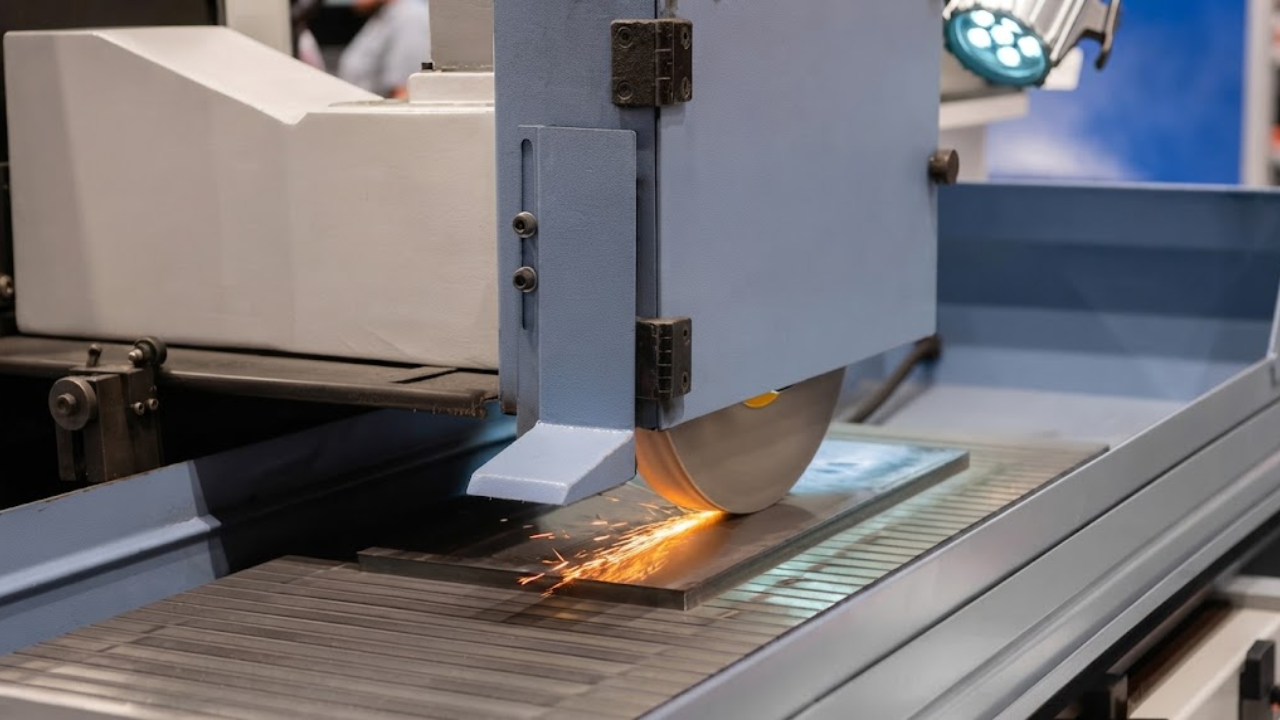
A certain precision grinding enterprise in Germany discovered that during long-term processing, the spindle and coolant temperature of the machine were drifting, which affected the accuracy of the workpiece. Chillerone provided a 12-ton recirculating chiller, which uses a closed-loop system and stabilizes the coolant at 18±1℃. It operates continuously for 20 hours per day. This recirculating water chiller effectively suppresses thermal deformation and improves the consistency of processing dimensions. The customer had previously consulted about the laboratory recirculating chiller solution and finally chose the industrial-grade model, expressing satisfaction with the stability of temperature control.
French Pharmaceutical Mixed Process
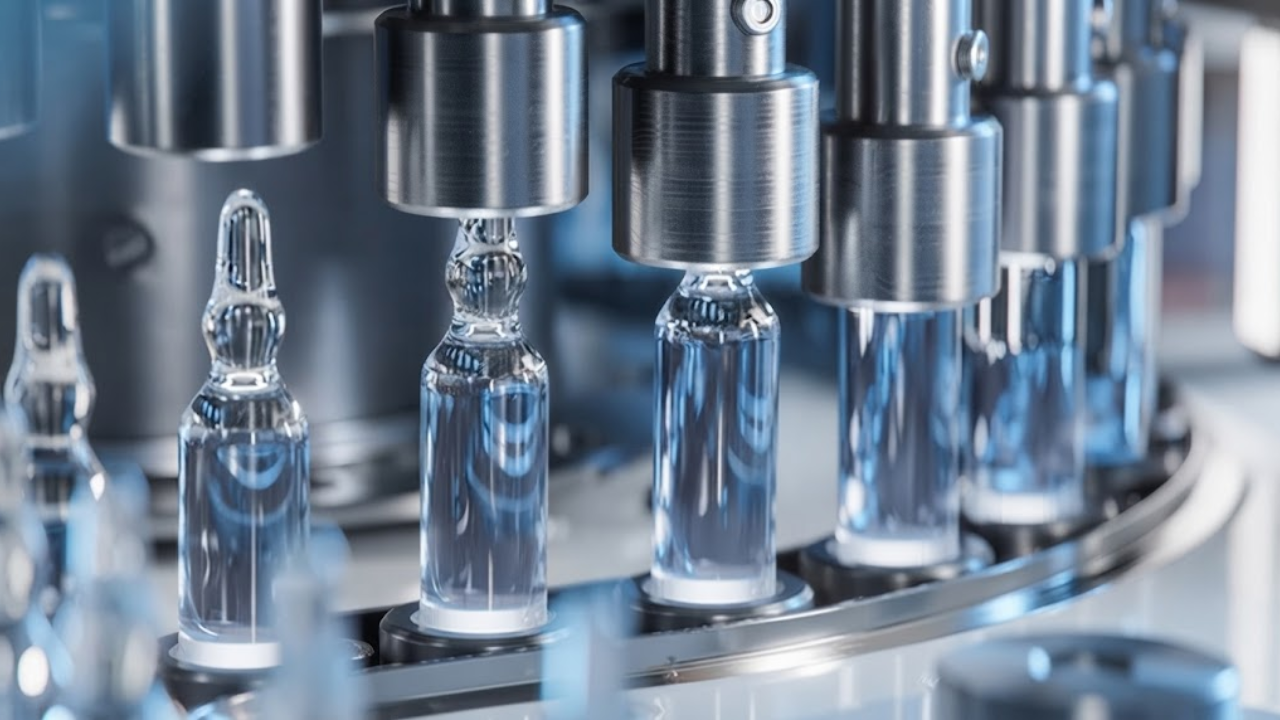
A certain pharmaceutical factory in France needs to control the cooling of the jacket equipment during batch mixing. However, the original facility’s water temperature fluctuations led to inconsistent cooling curves between batches. Chillerone provided an 8-ton recirculating chiller, using water/ethylene glycol as the cooling medium, to provide an independent closed-loop circulation for the mixing tank. This recirculating water chiller system makes the cooling conditions for different batches more repeatable. After customer verification, it has been incorporated into the standard process configuration.
Taiwan Semiconductor Testing Equipment
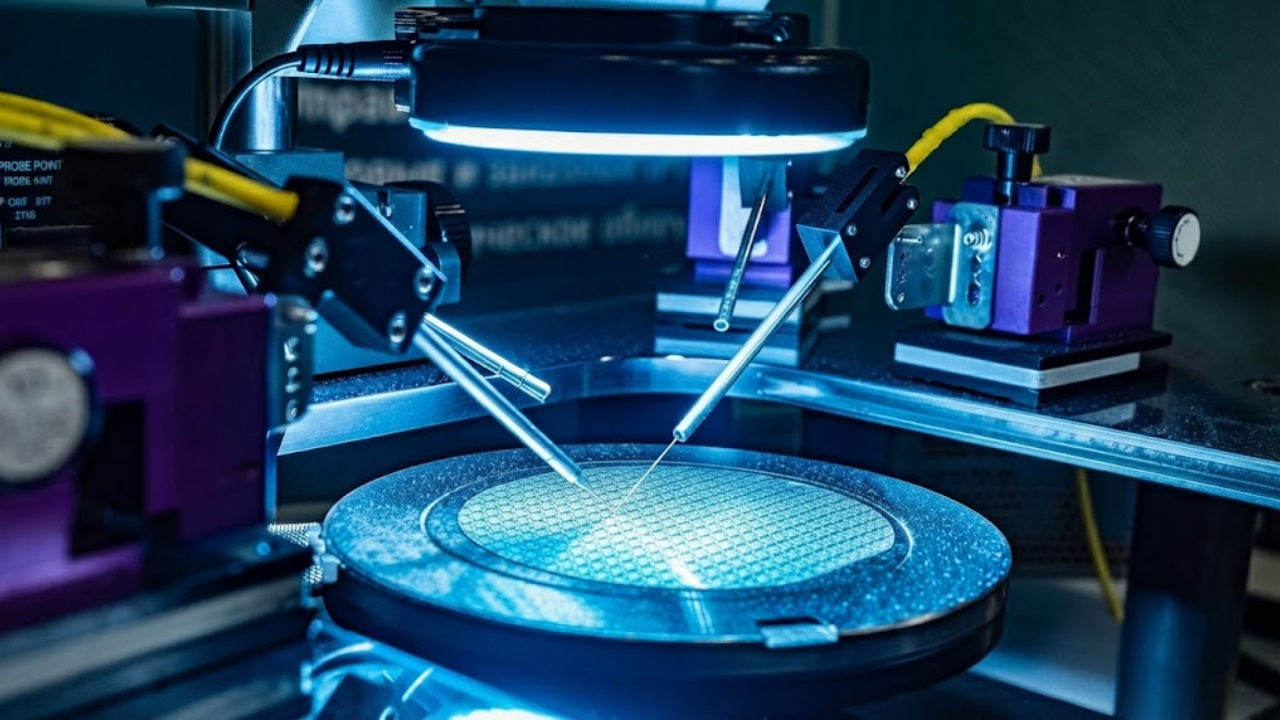
A certain semiconductor testing equipment manufacturer in Taiwan needs to provide stable cooling for the testing machines to prevent the measurement components from being affected by temperature drift and thus affecting the test repeatability. Chillerone provides a 5-ton recirculating chiller with a temperature control of 20±0.5℃, operating continuously for 24 hours. This laboratory recirculating chiller is directly connected to the testing equipment, forming an independent cooling circuit and isolating the fluctuations of the workshop chilled water. After the equipment was put into use, the test data became more stable, and the customer placed additional orders.
Medical Imaging Equipment in the United States
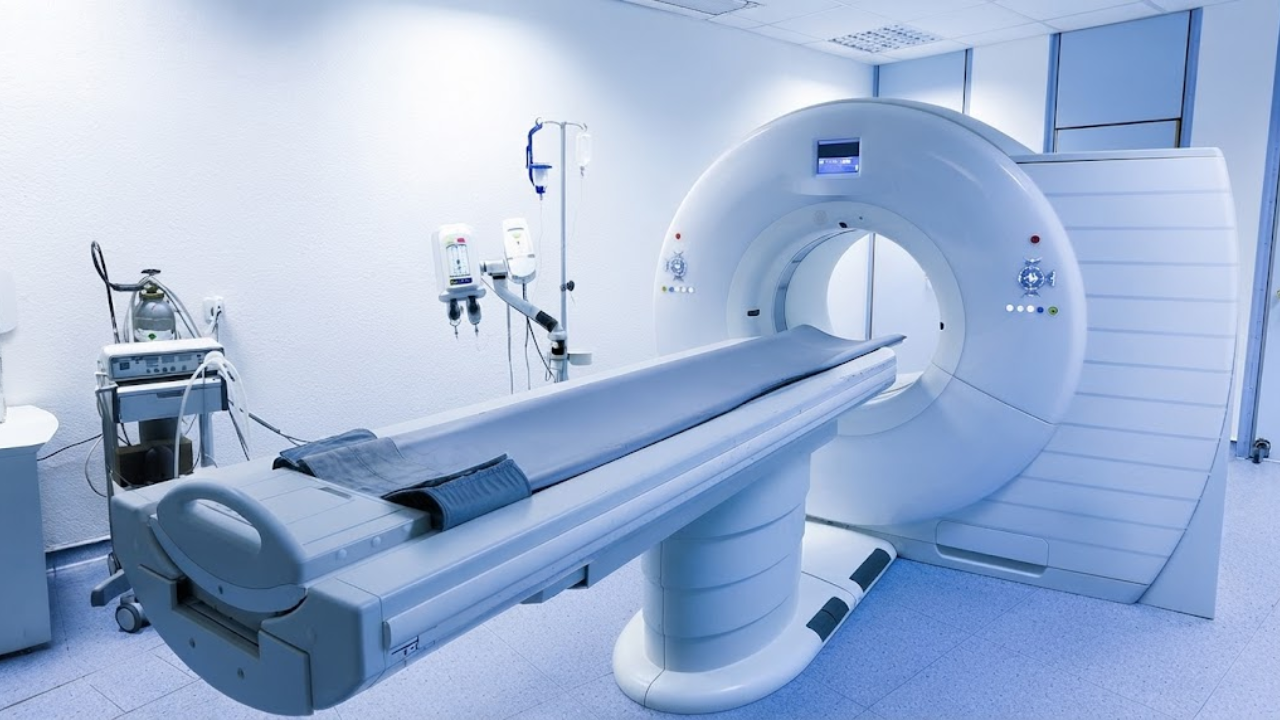
A certain medical imaging equipment integrator in the United States needs to configure a dedicated cooling circuit for the imaging system to avoid connecting to the public chilled water system of the building. Chillerone provides a 15-ton recirculating water chiller with a supply water temperature of 16℃, which is used for the closed-loop circulation on the equipment side. The customer feedback: The independent temperature-controlled circuit simplifies equipment-level thermal management and helps maintain the required cooling conditions for reliable operation.


See the Recirculating Chiller in Action
Watch how the recirculating chiller delivers stable temperature control, fast cooling response, and reliable performance in real industrial working conditions.
A recirculating chiller is a highly efficient cooling system that uses a closed-loop circuit. It achieves the cooling cycle by continuously pumping and recovering coolant. The reuse of the coolant makes it environmentally friendly while providing stable temperature control. Thanks to its excellent temperature control accuracy, you can use it in temperature-critical applications such as laboratories and process manufacturing.
Key Components of the Recirculating Chiller
Evaporator
The evaporator is the starting point of the refrigerant cooling cycle. It is responsible for circulating the cooling water of the chiller and the refrigerant heat exchange, ensuring that the cooling water is effectively cooled while promoting the initiation of the refrigerant cycle.
Compressor
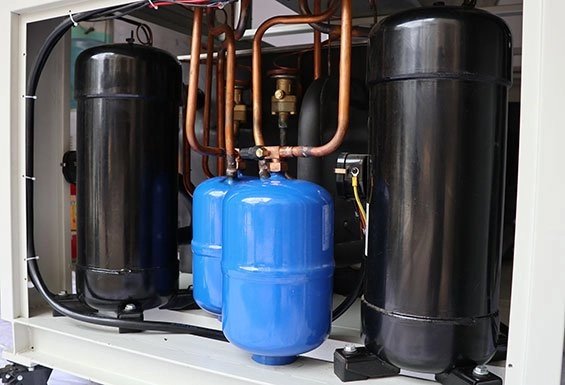
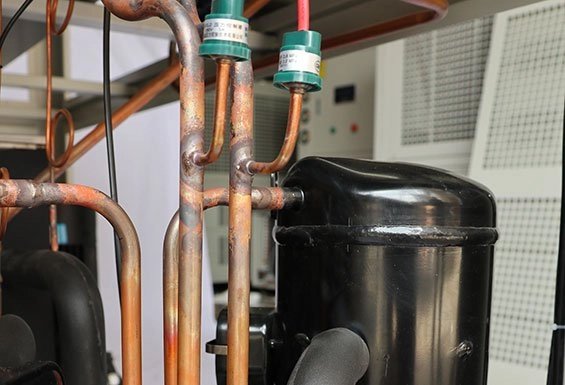
The compressor provides power for the whole cycle process and ensures the smooth running of the cooling cycle. It is mainly responsible for the pressurisation of the refrigerant to ensure its smooth entry into the condenser to re-condense and reuse the refrigerant. There are piston, screw, scroll and other types of compressors to suit your application.
Condenser
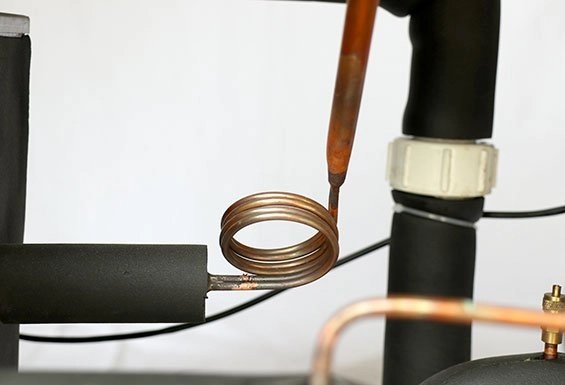
The condenser is responsible for the heat exchange between the refrigerant and the air or water, helping the refrigerant to dissipate heat and re-condense so that it can re-enter the cycle.
Expansion Valve
Expansion valves convert medium-temperature, high-pressure refrigerants into low-temperature, low-pressure refrigerants. This allows the refrigerant to efficiently absorb heat and turn into a vapour again in the next cycle. Expansion valves also automatically adjust the refrigerant flow to the current cooling load to minimise unnecessary losses.
Reservoir and Pump
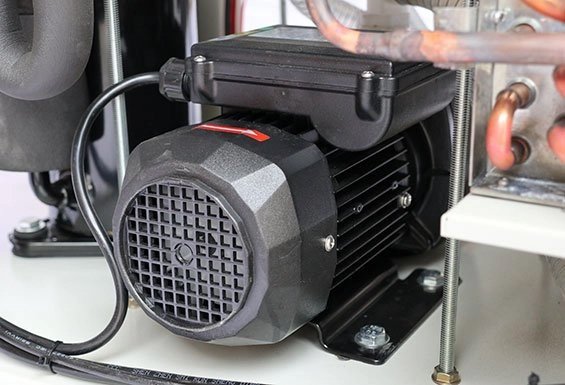
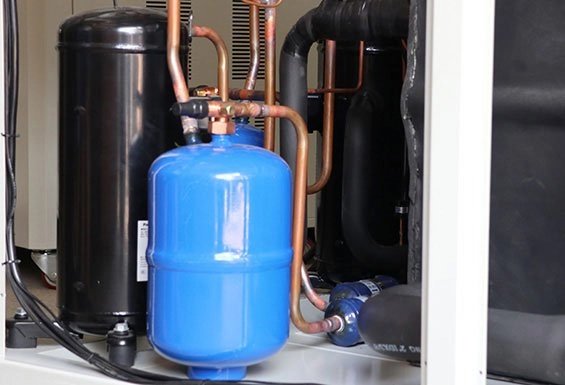
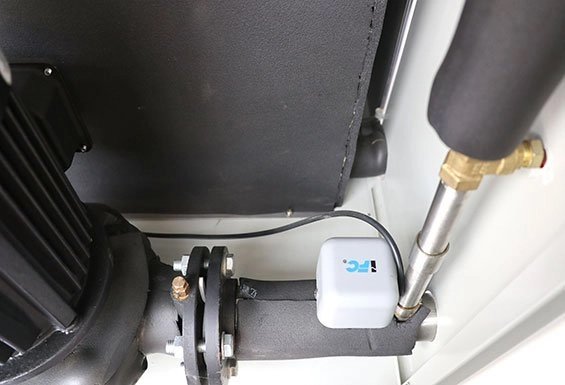
The Reservoir acts as a buffer to easily store the refrigerant in liquid form, enabling stable operation of the circulating chiller by responding resiliently to fluctuations in cooling demand. It will replenish the refrigerant in the cycle in time when cooling demand increases and store excess refrigerant when cooling demand decreases. The pump is used to deliver and recover chilled water. It transports the coolant to the evaporator after it absorbs heat from the heat-generating equipment or the environment, and recovers it for the next cycle after the heat is dissipated.
Control System
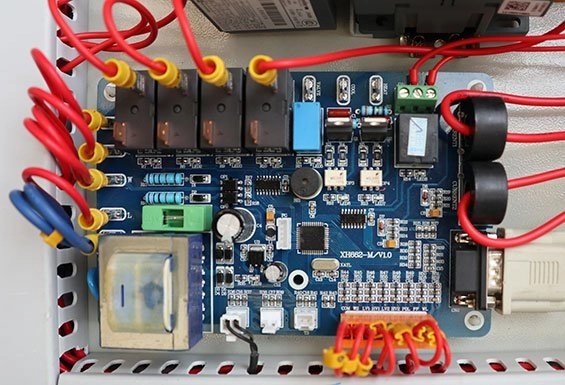
The control system is the operating system you use to start, stop, and adjust your circulation chiller. It sends commands to the individual components to carry out tasks and ensures that the circulating chiller runs smoothly and safely. The control system allows you to detect the cooling process of the circulating chiller.
How does the Recirculating Chiller Work?
Heat Absorption
When the circulating chiller begins to run, the pump delivers the coolant to whatever equipment or place is being cooled. The cooling water exchanges heat with the heat-generating equipment or environment and is sent to the evaporator with the heat.
Evaporation
The refrigerant in the evaporator quickly absorbs the heat from the cooling water entering the evaporator, rapidly lowering its temperature. The re-cooled cooling water returns to continue cooling the equipment or environment, while the refrigerant is converted from liquid to vapour in the evaporator.
Compression
The compressor of the circulating chiller will draw in the refrigerant that has changed to a vapour in the evaporator and send it to the condenser after further heating and pressure.
Condensation
The refrigerant vapour entering the condenser is cooled down by heat dissipation. Depending on the type of circulating chiller, the object of heat dissipation is different. The cooled refrigerant vapour will recondense to liquid after releasing heat.
- Air-Cooled Circulating Chiller: The fan of the air-cooled circulating chiller will blow the ambient air to the condenser, and the refrigerant will transfer the heat to the ambient air for heat dissipation.
- Water-Cooled Circulating Chiller: The water-cooled circulating chiller will exchange heat with the water in the cooling tower for cooling purposes.
Expansion
The refrigerant, which is recondensed into a liquid state, is in a high-pressure state, and it is difficult to absorb heat again. The expansion valve can further transform the refrigerant into a low-temperature and low-pressure state, so that it can efficiently absorb heat again and quickly transform into a gaseous state. The refrigerant re-enters the evaporator for another heat exchange.
Applications of Recirculating Chillers
Industrial Manufacturing
- Machine tool machining: The moving parts of a machine tool (e.g. cutting tools) generate a lot of heat during the machining process, increasing temperature. Temperature fluctuations not only affect the accuracy of the machine tool but can also cause defects (e.g. thermal deformation) in the machined components. You can use a circulating chiller to provide continuous cooling for the machine tool during the machining process, thus lowering the temperature and extending the service life of the equipment while improving production quality.
- Plastic moulding: Various processes for plastic moulding, such as injection, blow moulding, base moulding, etc., require heating of the plastic for processing. Thanks to circulation chillers, you can effectively control the optimum working temperature, thus reducing plastic defects. In addition, circulating chillers can be used to cool finished products, helping them to solidify and cool quickly, thus increasing productivity.
- Printing: You can also equip your printing equipment with a circulation chiller. It can efficiently absorb heat from the printing rollers while cooling the paper, improving printing quality and productivity.
- Laser cutting and welding: High-power equipment in industrial manufacturing, such as laser cutting and welding equipment, generates a lot of heat during operation. In order to prevent equipment downtime and damage, circulating coolers can achieve continuous and stable cooling to ensure the equipment’s stable operation.
Laboratory
The various chemical reactions prepared in the laboratory have very stringent temperature requirements, and the circulating chiller offers excellent precision in temperature control. This makes it ideal for laboratory cooling solutions.
- Temperature control: The wide temperature range of the circulating chiller, automatic temperature control, and automatic restart function provide operational stability, thus guaranteeing the smooth running of chemical reactions.
- Instrument Protection: Precision instruments in the laboratory are at the optimal operating temperature provided by the circulating chiller to improve accuracy and ensure consistency and repeatability of finishes.
- Sample storage: The various biological samples required for experiments are very sensitive to temperature. Circulating chillers can effectively reduce temperature fluctuations, maintain temperature stability, ensure the freshness of samples and reduce cost losses.
Circulating chillers and heating and cooling circulators are both commonly used temperature control devices, and both circulate refrigerant when cooling. However, circulation chillers are primarily used for cooling. Heating and cooling circulators, on the other hand, have a wider temperature control range and provide not only cooling but also heating.
Circulating chillers have overheat protection and low-level protection to prevent equipment failure in emergencies. Temperature sensors inside the chiller allow real-time temperature monitoring, and when the temperature exceeds safe limits, the chiller will activate overheat protection to reduce performance or shut down the system to protect itself from damage. Additionally, the control panel warns you when the reservoir level is low, prompting you to add refrigerant.
You need to choose a circulating chiller with the right cooling capacity and temperature range for your application and cooling needs. You may also want to consider one with higher energy efficiency to reduce energy costs. In addition, you must equip the circulating chiller with the specified refrigerant to achieve optimal performance.
Recirculating chillers are widely used because they reduce waste. Firstly, conventional cooling requires the use of a large amount of water, whereas circulation chillers recycle and reuse refrigerant to reduce waste. In addition, it reduces wastewater discharge, which improves the environmental pollution caused by conventional cooling.
The refrigerants of a circulating chiller need to be level checked and tested for leaks weekly or even after each use. You should perform regular cleaning every 1 to 3 months, including condenser cleaning, filter cleaning, and water treatment. Alternatively, you can hire a professional to perform regular repairs and replacements to ensure optimal performance.


 English
 Spanish
 Arabic
 Vietnamese

