

International Brands We Collaborate With


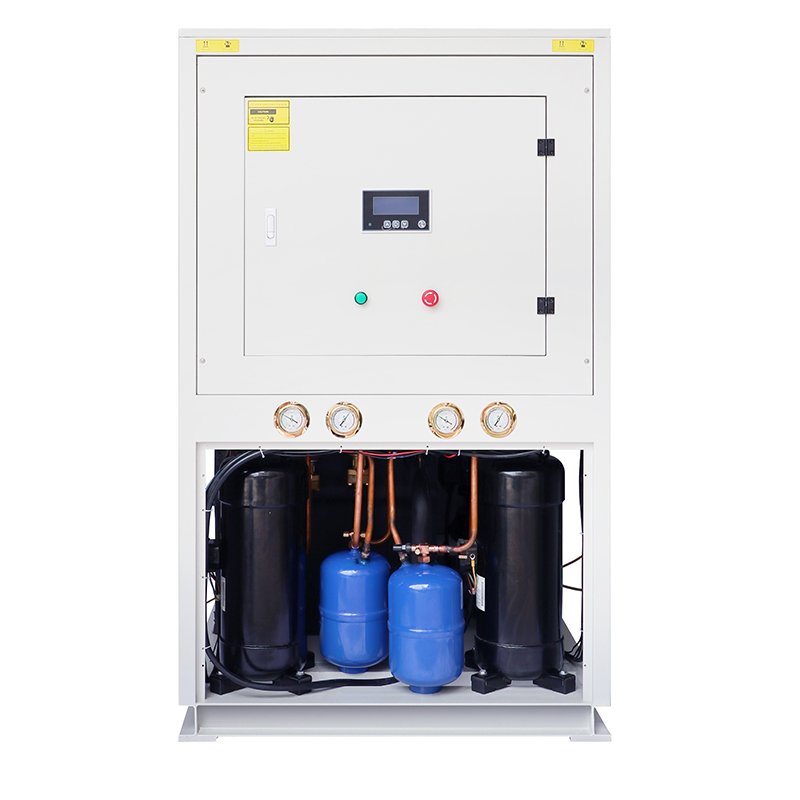

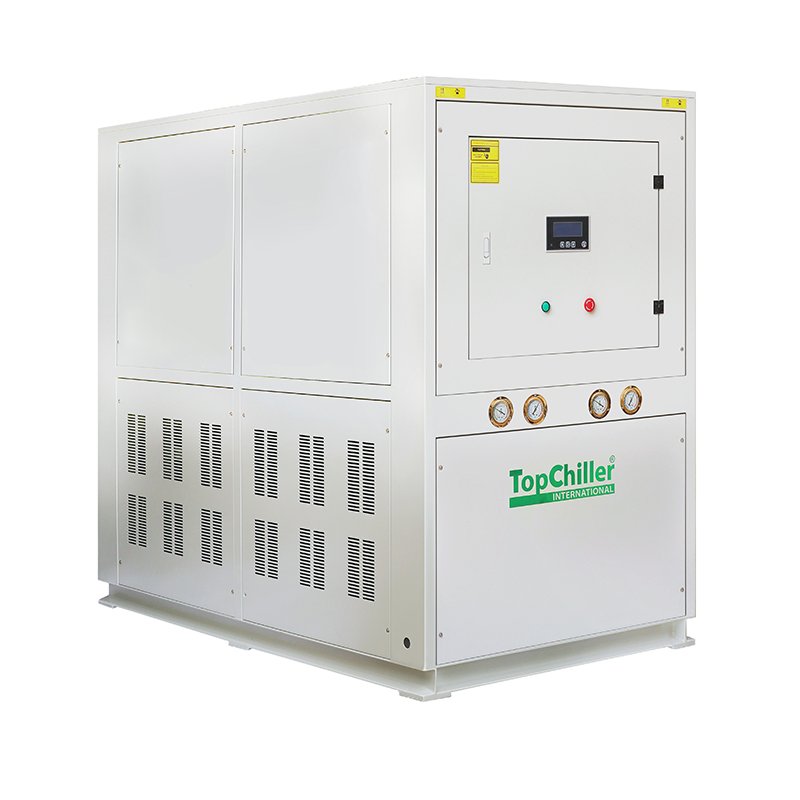
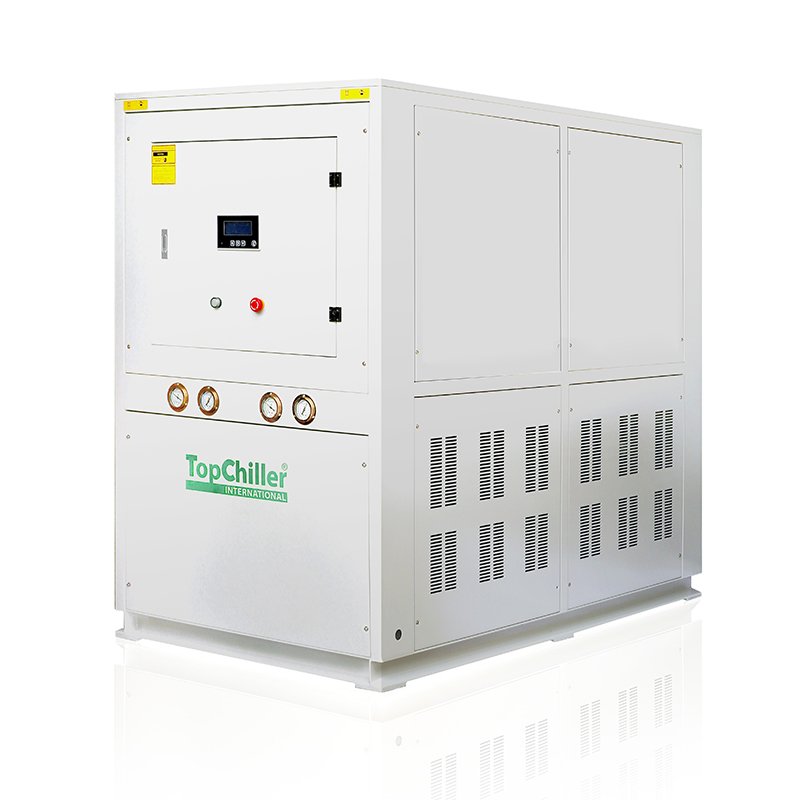
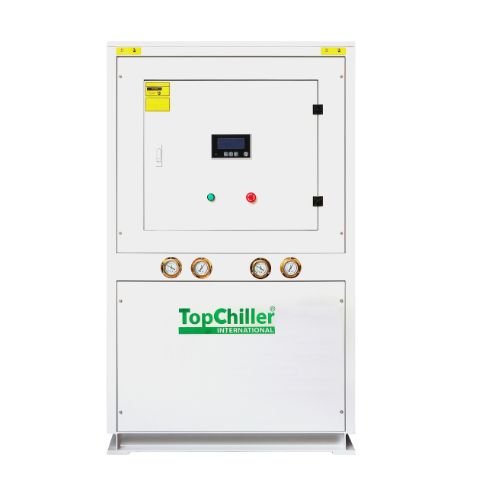
Self-Contained Chiller System
- Small footprint & ideal for tight spaces
- Faster chiller installation
- Portable chiller design
- Lower upfront cost
Your No.1 Water Chiller Unit Manufacturer and Supplier in China
ChillerOne water chiller units are our new generation of all-in-one cooling systems engineered for portability and fast deployment. With key chiller components like compressors, water reservoirs, refrigerant circuits, and expansion valves in one unit, our chillers guarantee fast deployment for on-demand cooling projects.
With ChillerOne’s innovative technologies and 20 years of experience in the chiller industry, we have incorporated hermetic scroll compressors in our water chiller units. You can adjust the cooling capacity continuously from 25% to 100%, while still guaranteeing stable performance.
For stability and reliability, our water chiller units feature stainless steel reservoirs and piping, an optional standby pump, automatic control systems, and few moving parts. In every design, ChillerOne engineers strive to balance between high efficiency and simple design. With this, ChillerOne water-cooled chiller units can attain a capacity of 2 to 100 tons, with a temperature range of 0.5℃ to 2℃, while still maintaining ±0.1°C stability.
As our chiller units use water to eliminate heat from processes, they maintain optimal working temperature. For sustainability, ChillerOne uses ozone-friendly refrigerants (R-134a), with a mixture of glycol and water for low temperature applications. Therefore, you don’t need an anti-freeze agent, which reduces operational costs.
Therefore, whether you are in pharmaceutical, food processing, laser cutting, or medical imaging, ChillerOne will customize every water chiller unit to match your specific application needs.
Partner with ChillerOne today for all your turnkey solutions in water chiller systems – Get a quote now.

With a circulation pump 20 L/min flow at 0.7 bar, it supports a medium temperature range of -40°C. Compact and durable with a 500x680x1350mm footprint and 185kg weight, this unit supports OEM/ODM customization.

Built with durable 304 stainless steel, it supports horizontal or vertical flow designs with counterflow cooling for optimal efficiency.

Offers flexible cooling solution with a capacity range of 2,200-22,500kW. This unit supports a 5-30°Cworking range, and 70-210L water tank capacity.
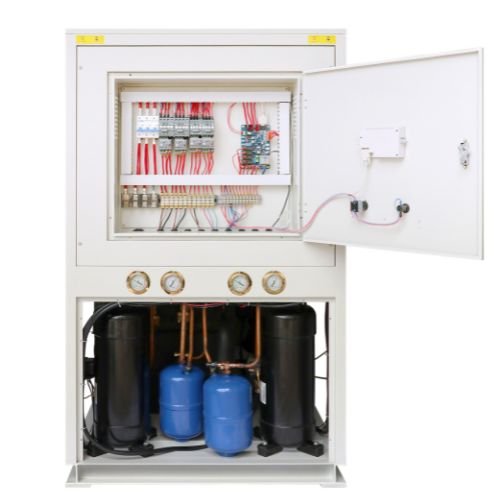
Delivers customizable cooling for industrial refrigeration, with a temperature range of -20°C to 8°C. This unit supports 110V, 220V, or 380V power.

This unit offers high-efficiency cooling with capacities of 670-960kW, it includes PLC/microcomputer controls, operates at 380V/50Hz or custom, and handles a 0-35°C working range.

With a 4.5L capacity, aluminum construction, and integrated heat sinks, it delivers reliable temperature control in a lightweight, 11.3kg unit.
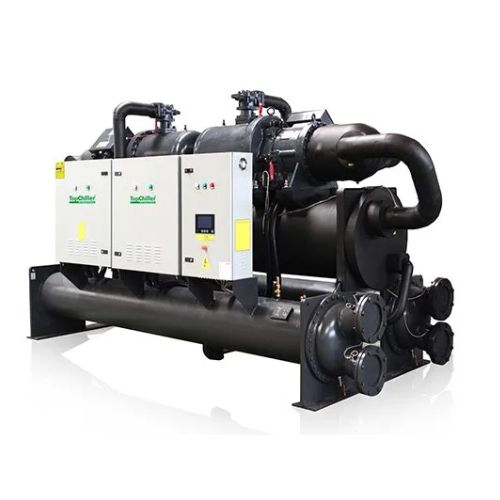
This unit supports multiple voltage options, has adjustable compressor output, and operates within a 5-35°C range or custom below 0°C.

Delivers 27kW of cooling, ideal for hospitals, hotels, villas, apartments, and office buildings. It operates on 220V/50Hz and features PTC heating elements and modern controls for precise climate management.
Reliable Certification
Certified by ISO and CE, our water chiller units adhere to global refrigeration criteria, supplying reliable, safe and regulation-compliant cooling services.


- Date Sheet
- Video
- Main Parts
- Successful Application Examples
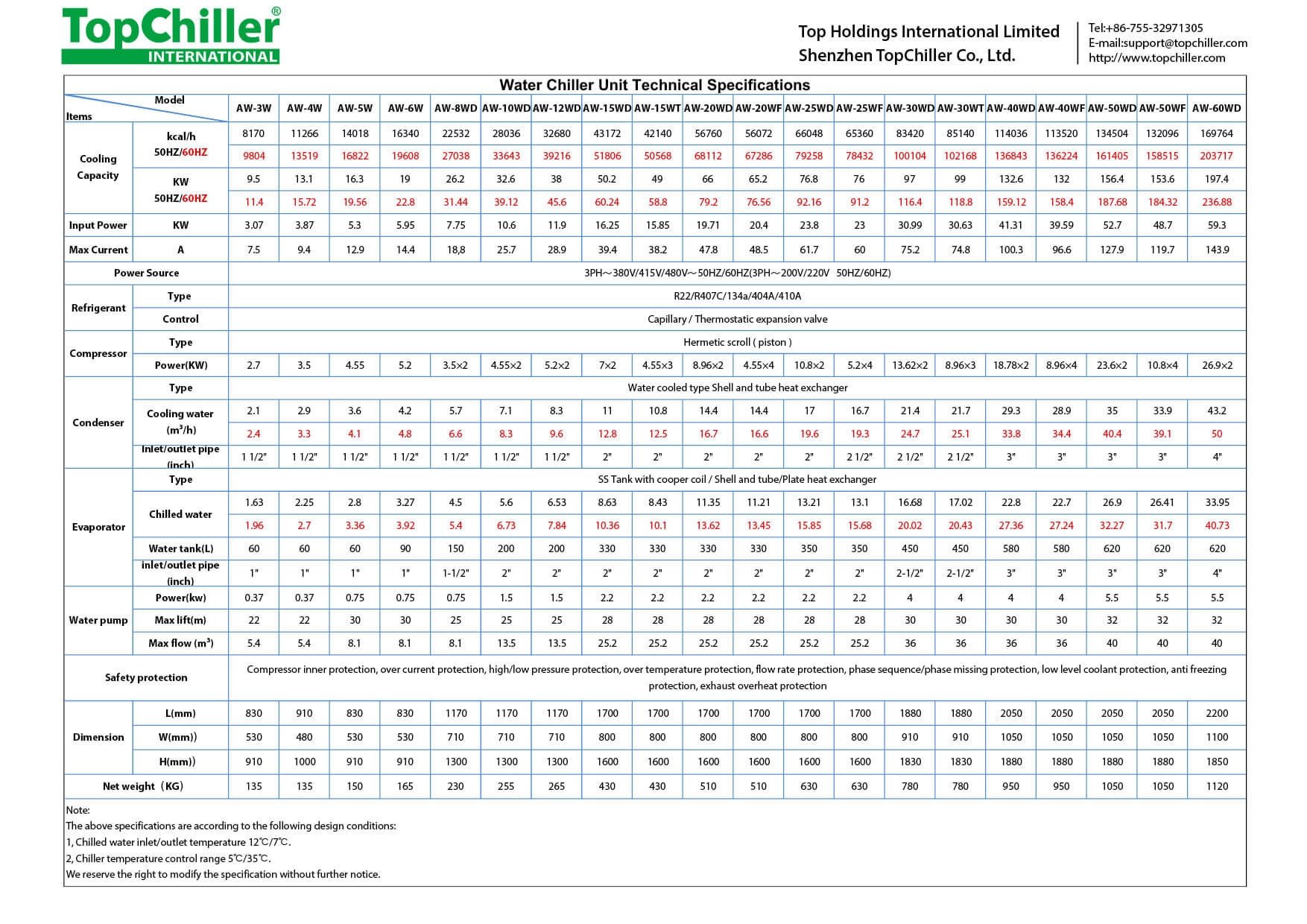
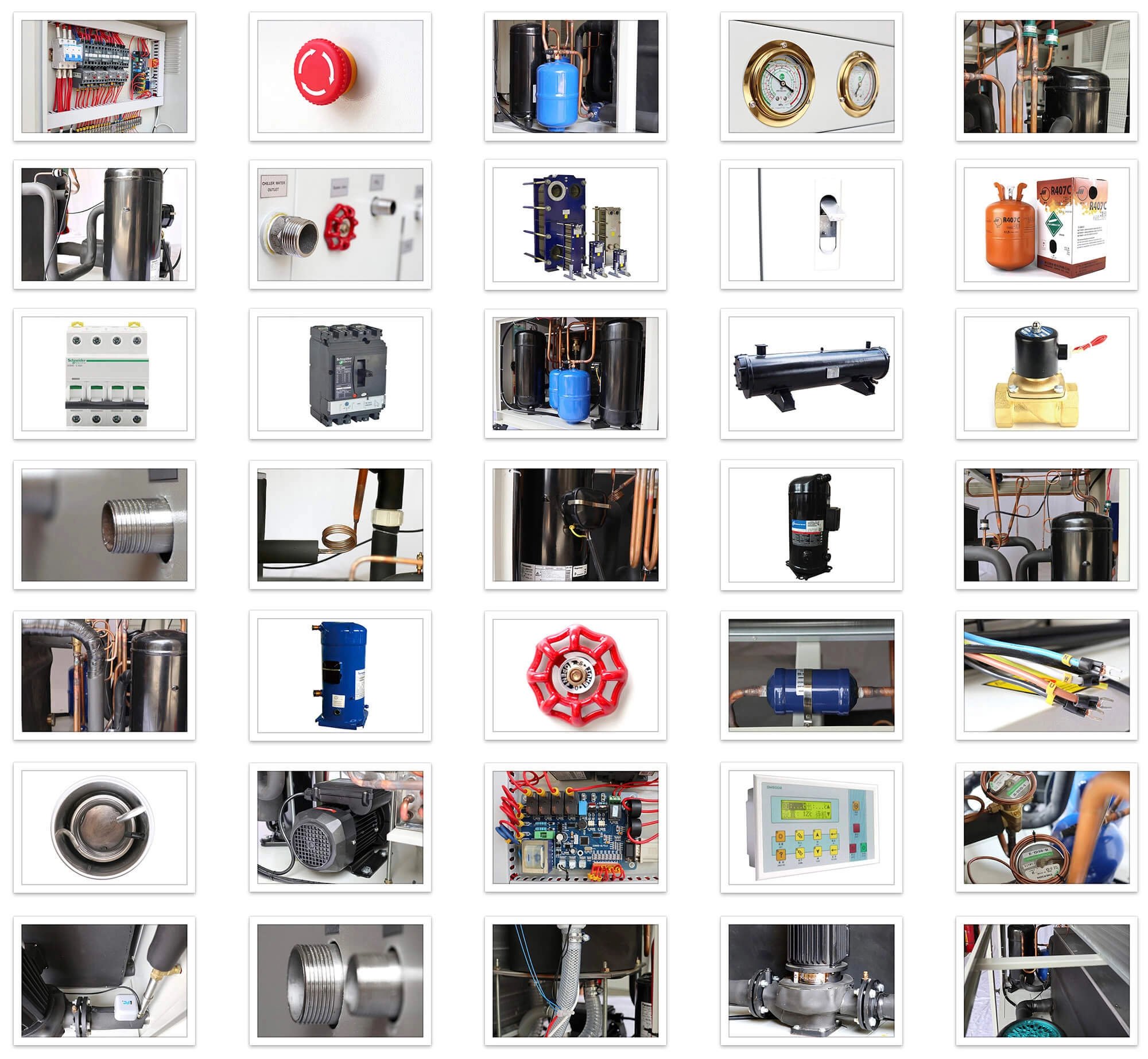
Singapore Data Center
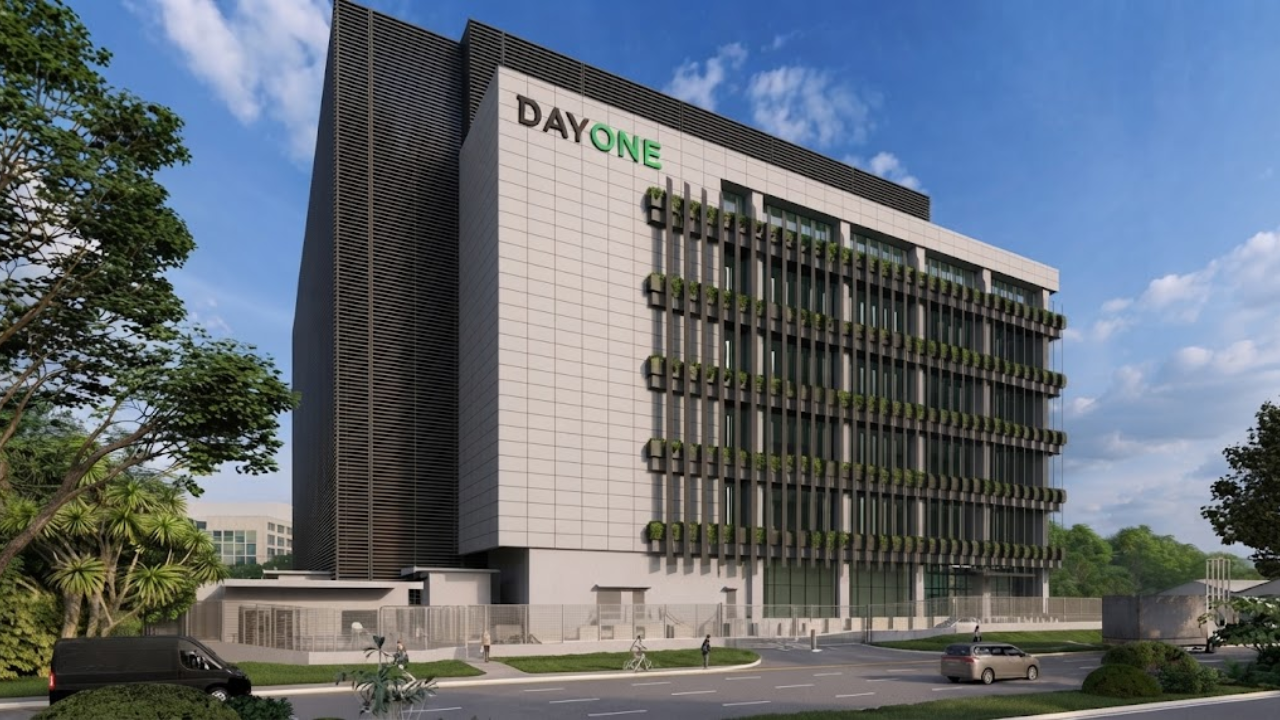
A certain data center in Singapore was facing challenges in cooling due to high heat density. Chillerone provided two 150-ton water-cooled chiller units, along with a cooling tower and water-cooled condenser, to form an industrial water chiller system. This system provided 12±1℃ chilled water to the server room, operating continuously 24 hours a day throughout the year. Compared to the original plan, the PUE was reduced by 0.15, and the annual electricity savings were approximately 80,000 Singapore dollars. The customer highly recognized the efficiency and stability of this water-cooled chiller solution.
Toronto Hospital, Canada
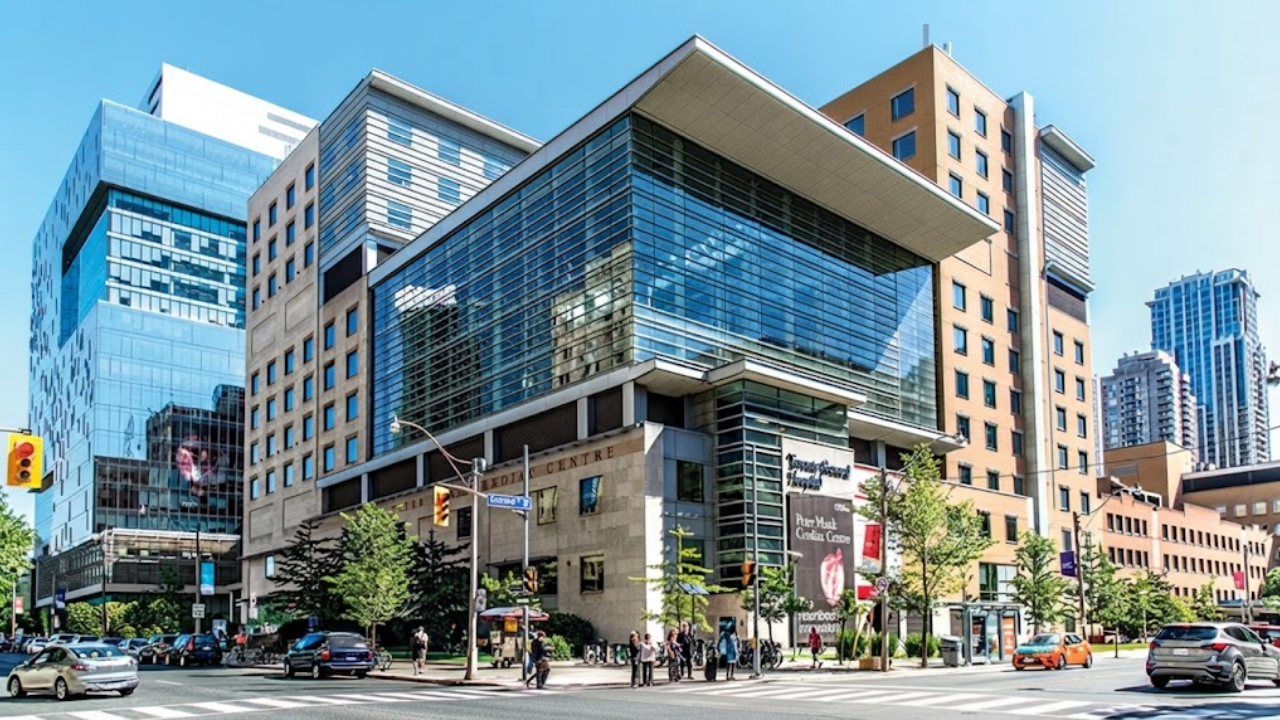
The MRI room of a certain hospital in Toronto requires extremely stable cooling. Chillerone provides a 20-ton water-to-water chiller as a water chiller unit to supply cooling for the MRI equipment, with a temperature control accuracy of ±0.5℃. The unit is equipped with a water-cooled condenser and operates in tandem with the existing cooling tower in the hospital. It has been without faults for two consecutive years, and the image quality is stable. The customer praises this as a reliable water chiller unit solution.
Electroplating Factory in Osaka, Japan
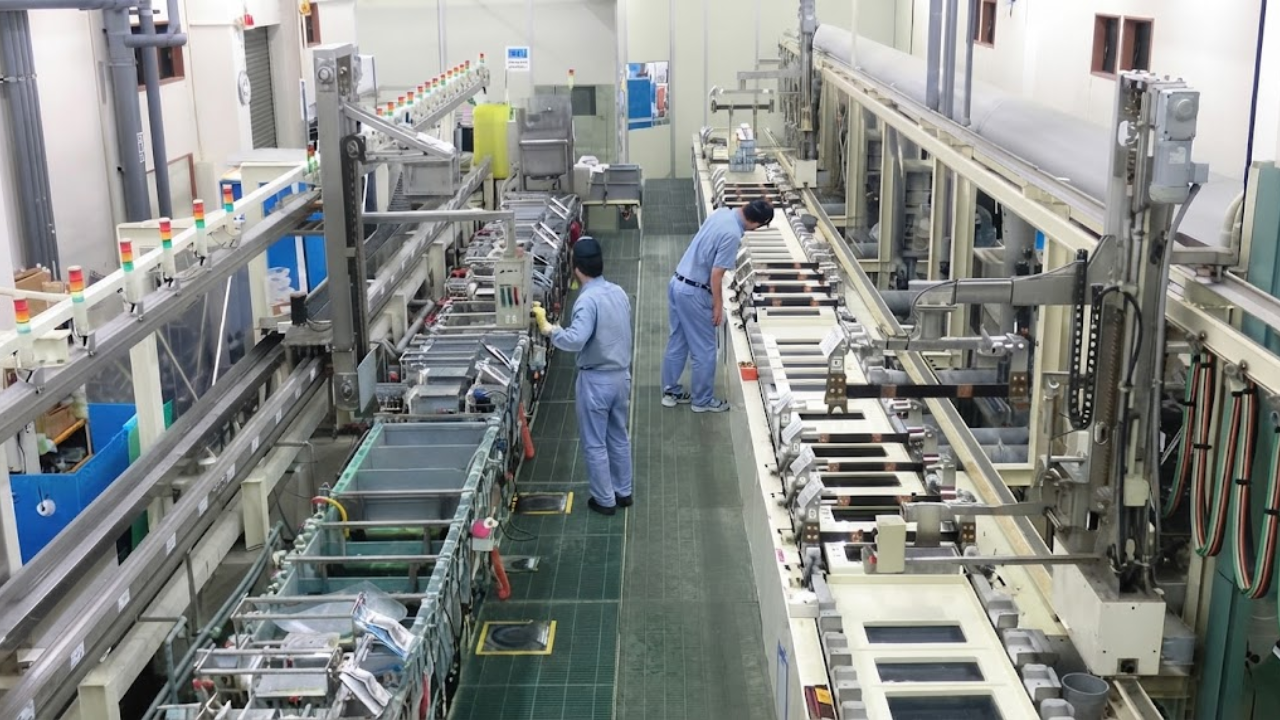
An electroplating factory in Osaka, Japan needed to provide cooling for the electroplating tanks. Chillerone provided a 30-ton water-cooled chiller unit for cooling the electroplating process, with a temperature control of 15 ± 0.5℃. The unit integrates a water-cooled condenser and operates in tandem with the cooling tower. After one year of operation, the uniformity of the coating improved, and the maintenance costs decreased. The customer stated that this water chiller unit is very suitable for the electroplating industry.
Semiconductor Factory in Seoul, Korea
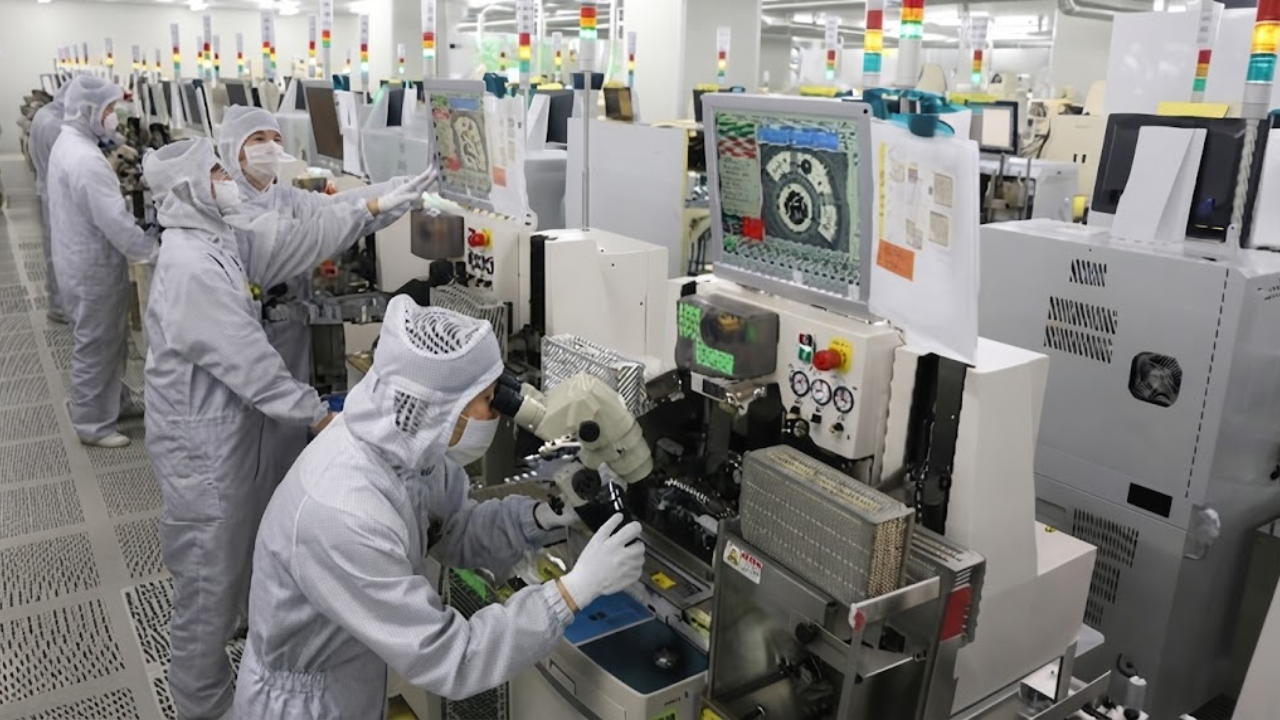
A certain semiconductor factory in Seoul requires high-precision process cooling. Chillerone provided 3 units of 80-ton water-cooled chillers, forming an industrial water chiller system. It was also equipped with a cooling tower to provide 15 ± 0.5℃ chilled water for the etching equipment. This ensured the stable continuous operation of their equipment and improved product yield. The customer evaluated that this water chiller unit has reliable performance and fully meets their strict semiconductor process requirements.



See the Water Chiller Unit in Action
Watch how the water chiller delivers stable temperature control, fast cooling response, and reliable performance in real industrial working conditions.
What is the Water Chiller Unit?
A water chiller unit is a cooling unit widely used in industry, construction, and commerce. It absorbs and transfers heat from water or other liquids through a refrigeration cycle to maintain the temperature in your desired range and ensure proper functioning of your work. You can use it in HVAC systems, process cooling and more for better operational and process efficiency and quality.
Main Types of Water Chiller Units
Air-Cooled Water Chiller Units
Air-cooled water chillers units circulate air for cooling. It utilizes a fan to move ambient air into and through the condenser, eliminating the need for a cooling tower. Therefore, you are better off choosing to use it in a well-ventilated environment and low ambient temperature. And it’s more compact, making it mobile, less costly initially, and simpler to maintain. However, due to the use of a fan, it operates noisier than a water-cooled chiller.
Water-Cooled Water Chiller Units
Water-cooled chiller units reduce the temperature of the liquid by circulating the cooling water for heat exchange. Unlike air-cooled chillers, it needs to be equipped with pumps and cooling towers for pumping and treating the water. It therefore excels in environments with poor ventilation or high ambient temperatures. Although it has a higher initial cost, it also works more efficiently and achieves greater temperature control.
Main Components of a Water Chiller Unit and How They Achieve Cooling
When air or chilled water flows through the evaporator, the low-pressure cooled refrigerant absorbs heat and evaporates into a gas. The heat-carrying gas is then drawn in by the compressor and transported under pressure to the condenser. The refrigerant vapour releases heat in the condenser and then recondenses through the expansion valve back to the evaporator. In this cycle, the water chiller unit follows the process of heat absorption, pressurisation, heat release, pressure reduction and heat absorption to achieve efficient cooling.
Compressor
Compressors help in the transport of refrigerant. It is used to draw in the coolant gas after absorbing heat and send it under pressure to the condenser. There are different types of compressors available here, like screw compressors, scroll compressors, centrifugal compressors, etc. You can choose different compressors according to your needs, e.g., centrifugal compressors with higher capacity for large projects, scroll compressors for low noise levels.
Evaporator
The evaporator is the core component that absorbs and transfers heat to the water. It holds the refrigerant inside and converts it to a vapour after absorbing heat.
Condensers
The condenser is where the refrigerant vapour is exothermic and reconverted to liquid form, thus circulating. Depending on the water chiller unit, it works in a different process. An air-cooled water chiller unit will emit heat into the ambient air, while the water in a water-cooled water chiller unit will absorb heat and send it to a cooling tower
Expansion Valves
Expansion valves, usually located between the compressor and the evaporator, regulate the flow of refrigerant in the evaporator and reduce the pressure, helping to achieve a constant and stable heat transfer.
Common Applications of Water Chillers Units
Industrial Manufacturing
In order to prevent the heat generated in industrial manufacturing from affecting the manufacturing equipment and product quality, water chiller units can help maintain the working temperature during production and cool the equipment and products after production. Therefore, it is widely used in industrial manufacturing.
- Injection Moulding: You can use water chiller units in injection moulding for rapid cooling of finished products. Compared with traditional air cooling, the cooling efficiency of the water chillers unit is higher, thus reducing the cooling cycle and improving the production efficiency.
- Metal Processing: The water chiller units can reduce the dimensional error or thermal deformation of the product caused by the temperature of the equipment in metal processing. As a result, it not only maintains optimal equipment operating performance but also reduces product manufacturing defects and rework. Increase the reliability of your products.
- Chemical and pharmaceutical: Chemical reactions involve precise temperature control, and you can use a water chiller unit to ensure that they run smoothly. In addition, you can use chillers in warehouses for better storage of chemicals or pharmaceuticals.
Data Center
Highly sophisticated equipment, such as servers in a data centre, releases a large amount of heat during operation. The gathering of heat can lead to a decline in performance or even damage to the equipment, resulting in serious losses. Water chiller units can keep running around the clock to ensure the efficiency and stability of your data centre and prolong the service life of your equipment.
Food Processing
Water chiller units can provide temperature control for food and beverage processing to meet processing conditions. In addition, it maintains optimal storage temperatures for food and beverage products, thereby ensuring food safety and enhancing the safety of your products.
Air Conditioning Systems
The excellent cooling capacity of water chiller units allows you to use them in air-conditioning systems in large or densely populated buildings, such as shopping centres, schools, hospitals, etc. It can efficiently cool indoor air and maintain a comfortable temperature. It cools indoor air efficiently and maintains a comfortable temperature.
Considerations for Choosing a Chiller
Matching Cooling Capacity
You need to choose a water chiller unit with equal cooling capacity based on the size of the space or heat load. Cooling capacity is usually evaluated in BTU/h, which indicates the amount of heat that can be handled per hour. If you select an insufficient capacity, the water chiller units will be overloaded, which can reduce their service life or prevent them from achieving a satisfactory cooling effect. If you choose a capacity that is too large, it will result in unnecessary energy consumption, leading to increased energy costs.
High Energy Efficiency
Energy-efficient water chiller units work better with lower energy consumption. Choosing a water chiller unit with high energy efficiency not only saves you a lot of money but it is also more environmentally friendly.
The Right Temperature Range
Consider the project needs to determine the temperature range and accuracy you require, such as in the medical and chemical industries, where more precise temperature control is needed. As a result, you need to select a water chiller unit with consistent temperature range control performance. You can also equip it with more advanced control systems, such as automation, IoT integration, etc.
Balancing Costs
Water-cooled water chiller units typically require a higher initial cost, but they can result in higher cooling efficiency and higher bar energy efficiency. So its cost may not be a burden in the long run. Air-cooled water chiller units, on the other hand, have lower initial and maintenance costs. You can consider it all together according to your budget
Regular water chiller unit maintenance mainly includes cleaning and repair. They are often used in large projects with complex structures. Water treatment is a difficult and critical operation. You should consider hiring a professional for regular maintenance to maximise performance and extend the life of your water chiller units.
Water chiller units have a low noise level. If you require more stringent noise levels, you can choose a water-cooled water chiller unit without fan noise. Cooling towers for water-cooled units can be placed further away to minimise noise. Alternatively, choosing a compressor that runs quietly can also reduce noise levels.
Regular water treatment prevents scale build-up, reduces the risk of blockages and improves operational performance. Water treatment also prevents sludge build-up and mould growth, creating a cleaner and fresher environment.
An air-cooled Water Chiller Unit has a lifespan of about 15 to 20 years, and a water-cooled chiller has a longer lifespan of about 20 to 30 years. But this time also varies depending on your application. Use in harsh environments (e.g., extreme temperatures, high loads) will reduce its lifespan, while regular maintenance will extend it.


 English
 Spanish
 Arabic
 Vietnamese

