

International Brands We Collaborate With


Why Choose ChillerOne Water Cooled Chillers
- Higher scalability: Up to 500 tons
- Dual circuit refrigeration for higher redundancy
- 700 plus chillers installed in U.S.A and Europe
Your Trusted Water Cooled Modular Chiller Manufacturer in China
ChillerOne water-cooled modular chillers come as complete units that you can integrate to achieve a specific cooling load capacity for your process. With a complete unit having major components like a water pump, refrigeration system, and heat exchangers, they are easy to deploy and connect to your cooling tower.
These chiller units are suitable for processes that need higher loads and continuous cooling, like ice skating rinks, heat pumps, medical equipment, and industrial processes. You can integrate these chillers by adding or removing a unit to achieve a specific cooling capacity. With our water-cooled modular chillers, you can achieve higher scalability, which reduces the cost of investing in a completely new system.
At the same time, ChillerOne water-cooled modular chillers will help you achieve higher redundancy. If one chiller unit fails, simply isolate it and let others work to achieve 99.99% system up time.
Additionally, ChillerOne has also integrated a microprocessor to monitor and control these modular chillers. With these controllers, your system can achieve more than 25% higher energy efficiency and activate each chiller module depending on cooling requirements.
Therefore, if you are looking for a higher capacity cooling system that can reject heat continuously for a long time, then you need ChillerOne water cooled modular chiller. Partner with ChillerOne today for custom modular water-cooled chillers – Talk to our engineers now for free consultations.

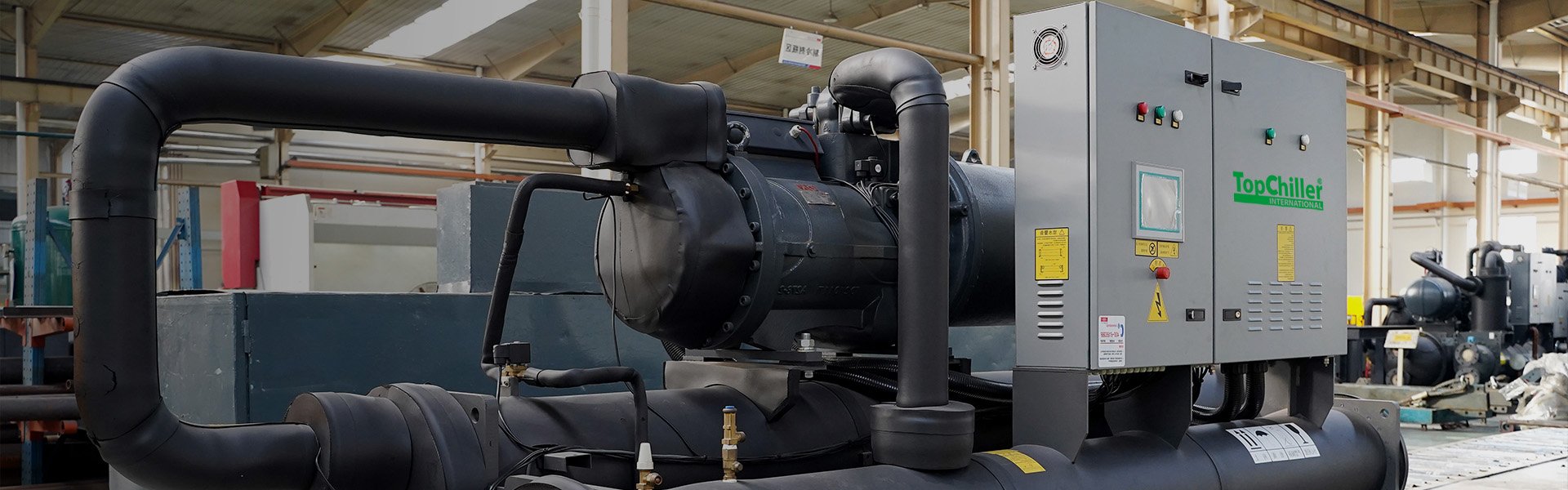
With a semi-enclosed screw compressor, multi-stage energy regulation, and a strong capacity of 450,000 Kcal to 594 kW/h, it delivers stable temperature control across a 5°C to 35°C working range. Running on a 3N-380V, 50/60Hz supply and built at a 3500x1300x1800 mm.

With a cooling capacity of 86.4-365.9 kW/h, it handles a wide 5-55°C temperature range efficiently. It supports multiple refrigerants, this 850 kg unit is compatible with various voltages.
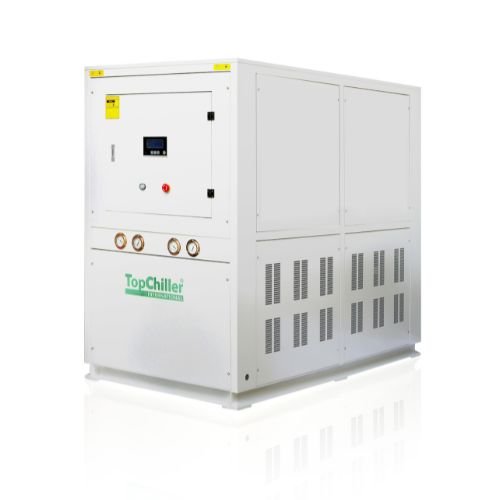
Built with a robust stainless steel structure, a screw-type compressor, and support for R-410A or R134a refrigerants, it delivers efficient performance while keeping noise levels between 40-60 dB.
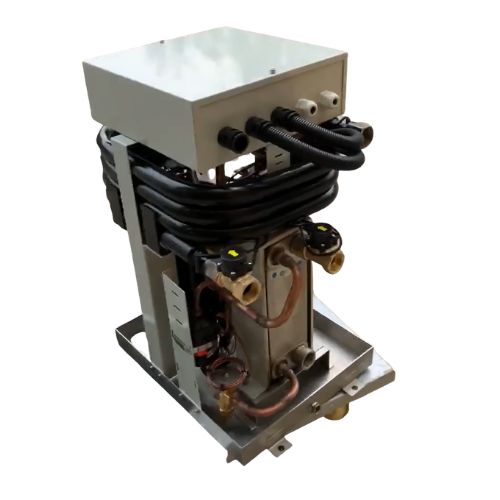
With a 72,000 BTU capacity, titanium condensers, and a SUS304 plate evaporator. Built at 108 kg with floor-standing mounting and 1000 m³/h airflow. It can link up to 8 modular units, and operates easily via a digital controller.
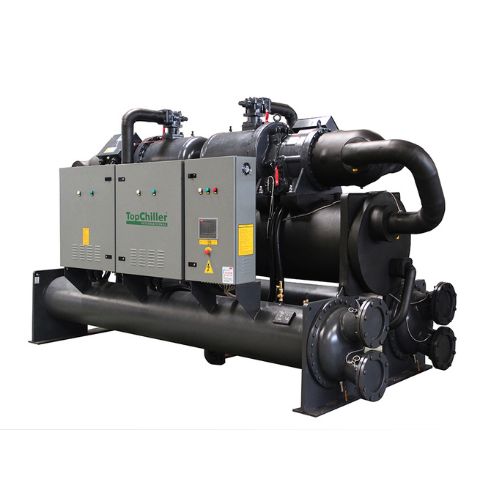
With precise temperature control from 7°C to 45°C, featuring a semi-hermetic screw compressor, durable pumps, and efficient engines, it delivers high performance while saving energy and reducing carbon footprint.
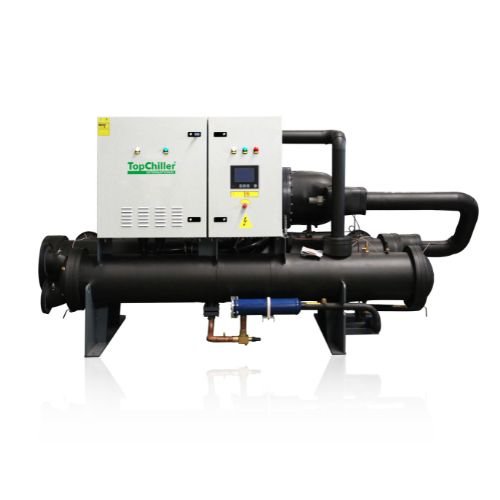
Featuring a reliable shell-and-tube evaporator, PLC controls, and high-quality compressors, it delivers stable chiller water. Built at 2240x950x1680 mm and running on 380V with R410A refrigerant.
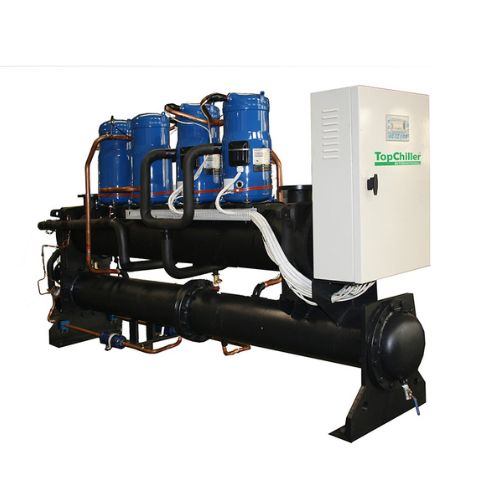
With a cooling capacity ranging from 80 kW and a working temperature range of 0-45°C, it features fully-hermetic scroll compressors, durable motors, and PLC/LCD touchscreen controls.
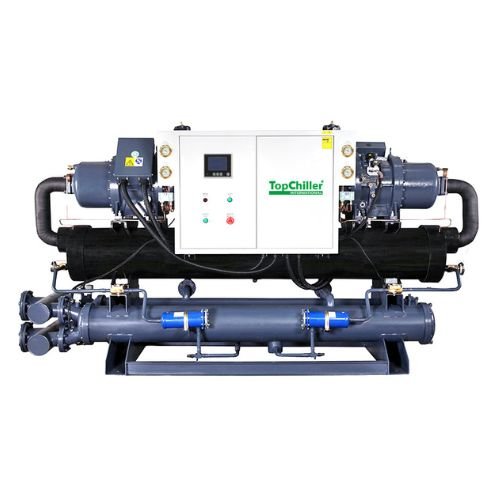
Built with durable components, it supports inlet/outlet connections of DN32 PN10, cold storage tanks from 200-4000 L, and expansion tanks from 100-1800 L. A cooling capacity of 6-360 kW and a flexible working temperature range from -5°C to -45°C or optional down to -150°C.
Reliable Certification


- Specification
- Video
- Spare Parts
- Successful Application Examples
Modular Water Cooled Chiller Technical Specifications
| LSQW\Model | 80K | 120K | 160K | 240K | 320K | |||
| Nominal cooling capacity* | kW | 79 | 119 | 158 | 238 | 316 | ||
| Heat recovery capacity | kW | 15.8 | 23.8 | 31.6 | 47.6 | 63.2 | ||
| Heat recovery water flow | m³/h | 2.7 | 4.1 | 25.4 | 8.2 | 50.8 | ||
| H-recovery pipe connection | mm | DN32 | ||||||
| Hermetic Scroll compressors | Qty/refrigerant circuit | Nr. | 2/2 | 3/2 | 4/2 | 6/4 | 8/4 | |
| Cooling power input* | kW | 16 | 24 | 32 | 48 | 64 | ||
| Evaporator | Pressure drop | kPa | 52 | 58 | 65 | 58 | 65 | |
| Water flow | m³/h | 13.6 | 20.5 | 27.2 | 41 | 54.4 | ||
| Connect pipe | mm | DN65 | ||||||
| Condenser | Pressure drop | kPa | 40 | 45 | 52 | 45 | 52 | |
| Water flow | m³/h | 16.6 | 25 | 33.2 | 50 | 66.4 | ||
| Connect pipe | mm | DN65 | ||||||
| Power supply | V/Ph/Hz | <<< 380~415/3/50 >>> | ||||||
| Overall dimensions for standard unit | Length | mm | 2175 | 2610 | 3190 | 2610 | 3190 | |
| Width | mm | 600 | 600 | 600 | 1200 | 1200 | ||
| Height | mm | 1480 | 1480 | 1480 | 1480 | 1480 | ||
| Overall dimensions for heat recovery unit | Length | mm | 2775 | 2850 | 3290 | 2710 | 3290 | |
| Width | mm | 700 | 700 | 700 | 1400 | 1400 | ||
| Height | mm | 1980 | 1980 | 1980 | 1980 | 1980 | ||
| KH-D type Net weight | kg | 1050 | 1260 | 1540 | 2520 | 3180 | ||
| K-D type Net weight | kg | 920 | 1120 | 1350 | 2240 | 2700 | ||
| Sound pressure level*** | dB(A) | 76 | 76 | 76 | 76 | 76 | ||
| Performance values refer to the following conditions: * Source side water inlet/outlet temperature 18ºC/29ºC, user side water inlet/outlet temperature 12ºC/7ºC, for Underground water Source side water inlet/outlet temperature 25ºC/30ºC, user side water inlet/outlet temperature 12ºC/7ºC, for Underground water loops ** Source side water inlet/outlet temperature 15ºC/8ºC, user side water inlet/outlet temperature 40ºC/45ºC, for Underground water Source side water inlet/outlet temperature 8ºC/4ºC, user side water inlet/outlet temperature 40ºC/45ºC, for Underground water loops *** Sound pressure measured at a distance of 1 m and a height of 1.5 m above the ground in a dear field. | ||||||||
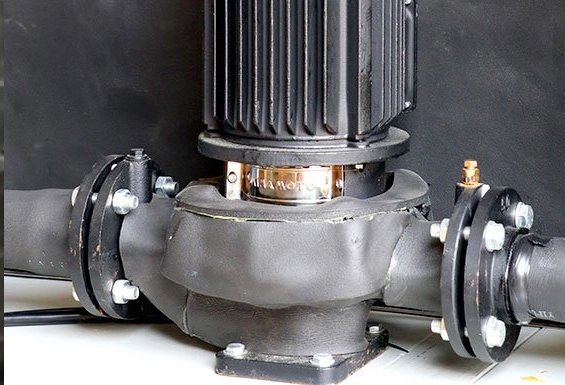
Continuous Cooling in a Korean Electronics Manufacturing Plant
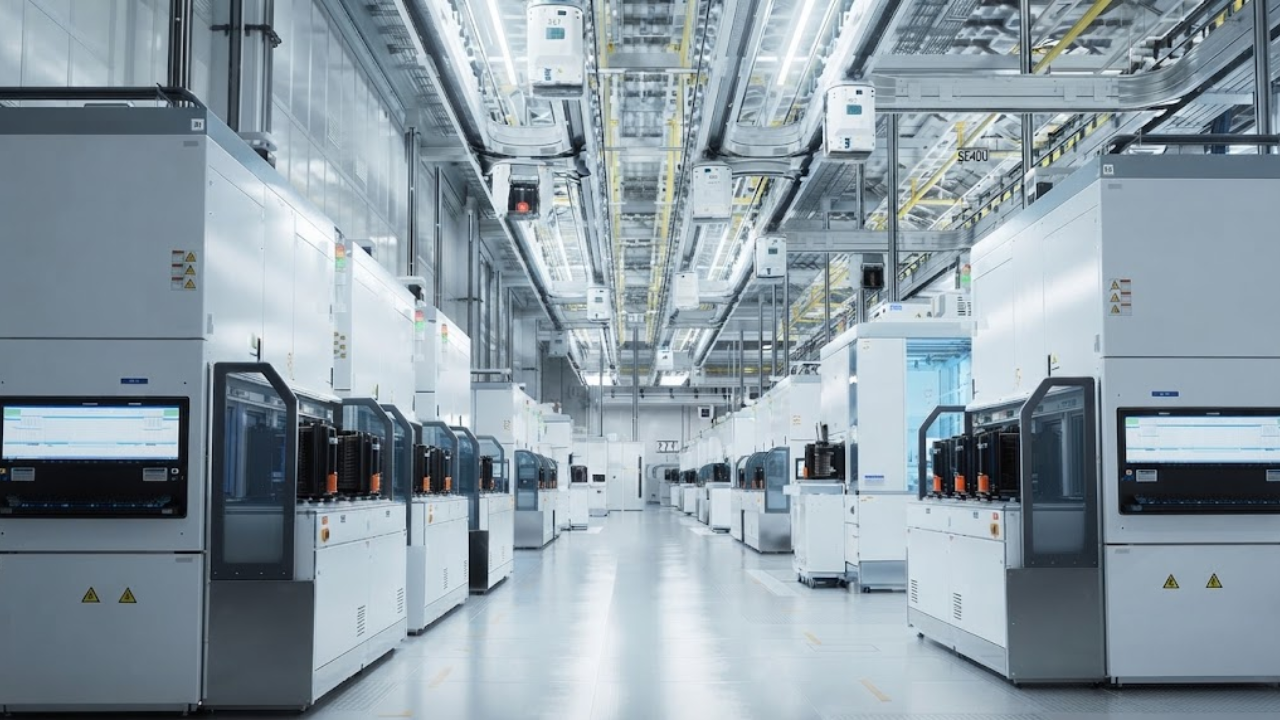
A certain electronics factory in South Korea operates 24 hours a day throughout the year, with a stable process cooling load. We provide a 320-ton water-cooled modular chiller system, consisting of four 80-ton modules, along with a cooling tower and water-cooled condenser. For customers unfamiliar with what a water-cooled chiller is, we explain: The water-cooled modular unit dissipates heat through the circulation of cooling water and is suitable for large cooling capacity and continuous operation. The four modules can be started and stopped independently to meet the basic cooling load of the factory.
Cooling Tower Management in a Vietnamese Food Processing Plant
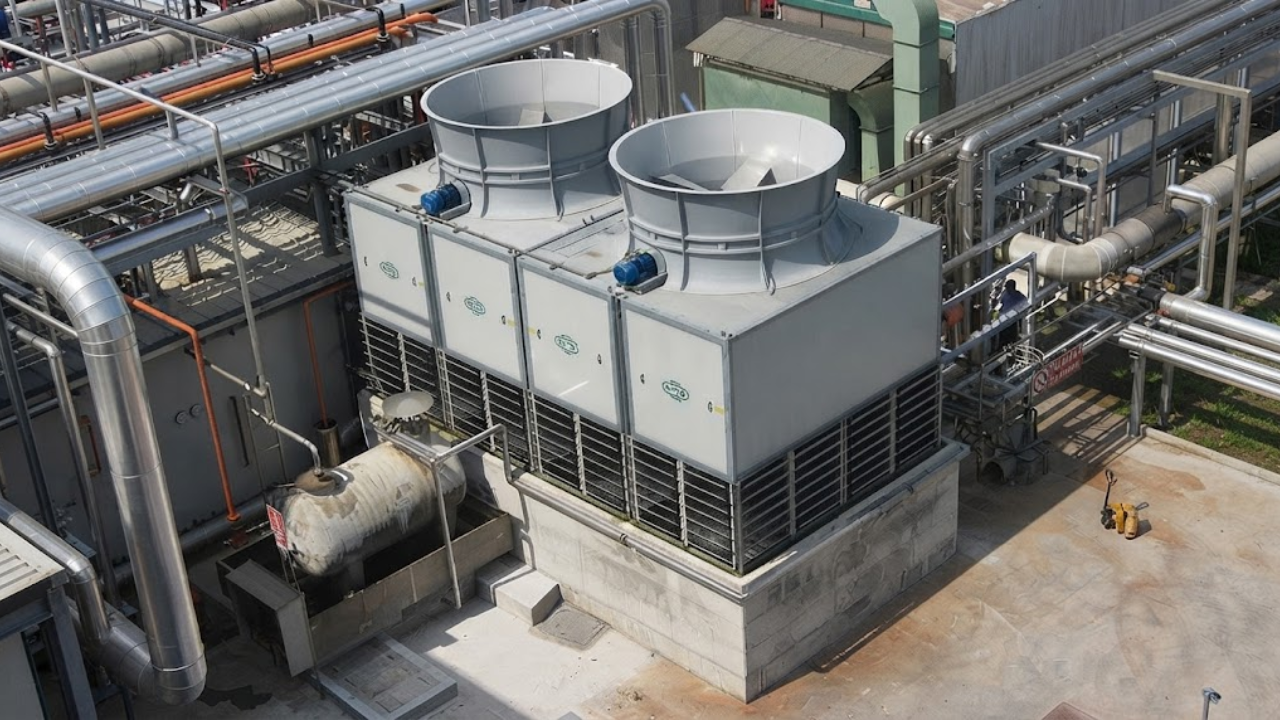
A certain food processing plant in Vietnam is located in a tropical area and operates for a long time throughout the year, requiring 7℃ chilled water. We provide a 160-ton water-cooled modular chiller system, consisting of four 40-ton modules, and a cooling tower water treatment solution. The customer once asked for an explanation of a water-cooled chiller, and we focused on explaining the water quality management requirements for the water-cooled condenser. The modular design allows for maintenance of a single unit without affecting the cooling of the entire production line.
Pre-Fabricated Installation During Poland Hospital Expansion
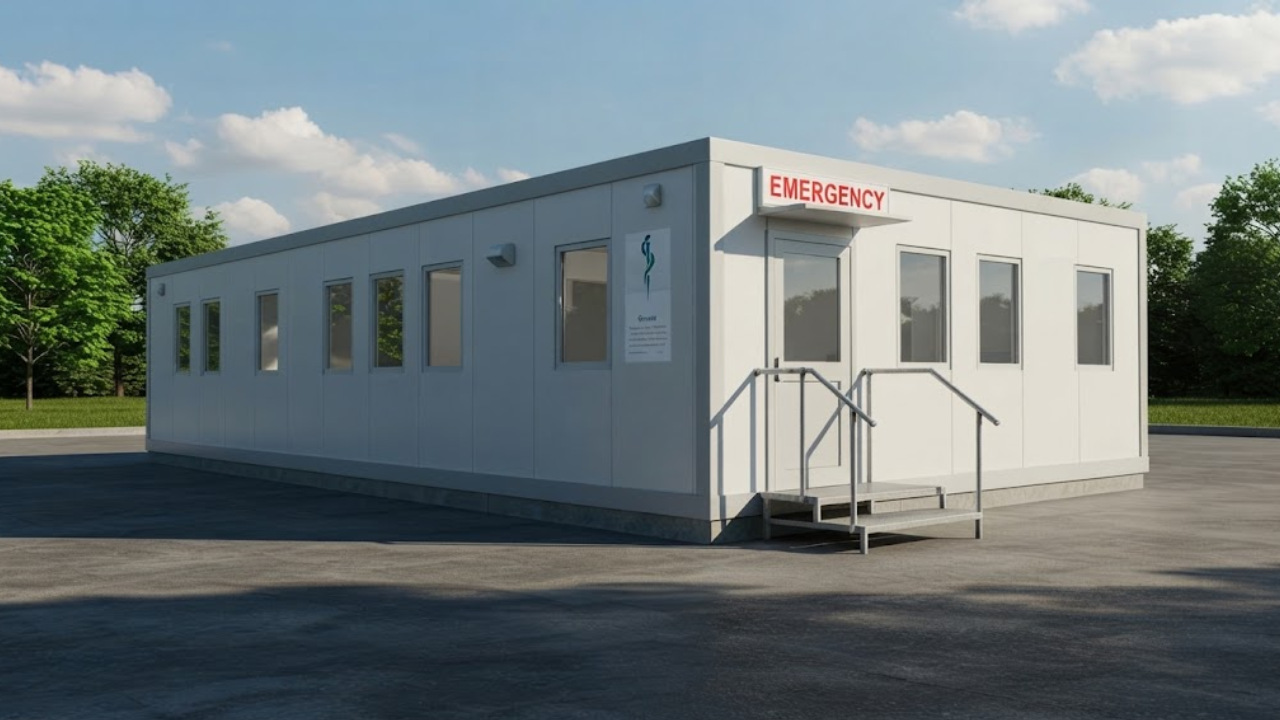
During the expansion of a certain hospital in Poland, the original cooling source could not be shut down for a long time. We provided a 240-ton water-cooled modular chiller system, consisting of three 80-ton modules, using factory-prepared modular machine rooms. The on-site construction window is limited, and the modular structure reduces the on-site assembly workload. The new system is gradually connected to the original cooling infrastructure. After the project is completed, the cooling capacity of the hospital is improved, and the impact on medical operations during the renovation is minimal.
Large Central Cooling Station for an Australian University Campus
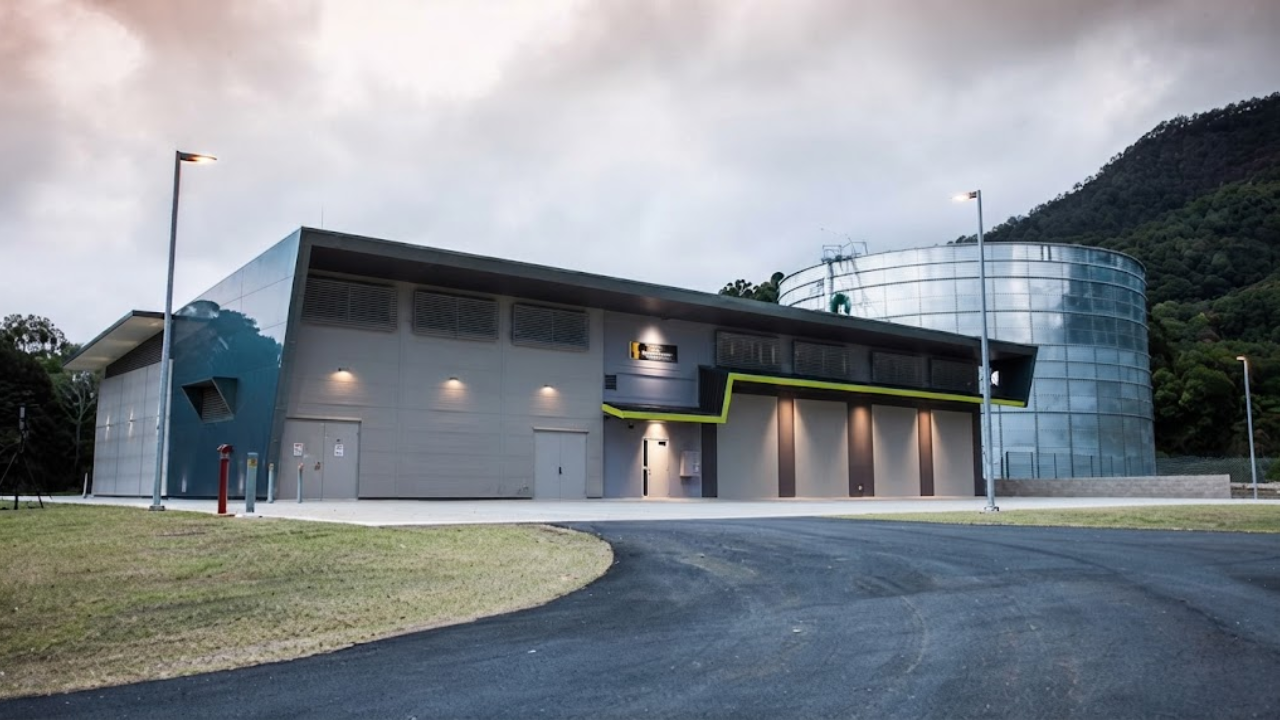
An Australian university campus needs to build a large central cooling station with a total cooling capacity of 480 tons. We provide six 80-ton water-cooled modular chillers, along with cooling towers and pumps, forming a centralized chilled water system. Unlike modular air-cooled chillers or air-cooled heat pump chillers, the water-cooled modular solution is more suitable for the large cooling capacity requirements of this campus. The multi-module layout is convenient for phased operation and also reduces the installation difficulty of a single oversized unit.


See the Water Cooled Modular Chiller in Action
Watch how the water cooled modular chiller delivers stable temperature control, fast cooling response, and reliable performance in real industrial working conditions.
What is a Water Cooled Modular Chiller?
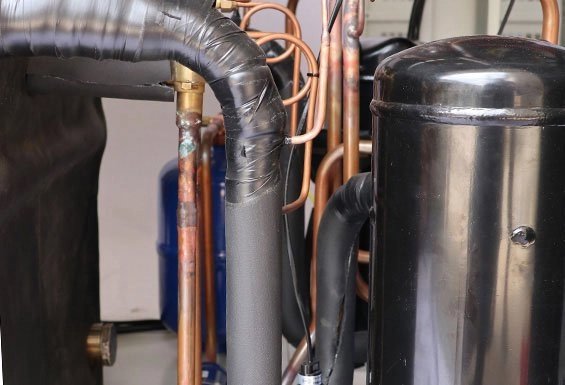
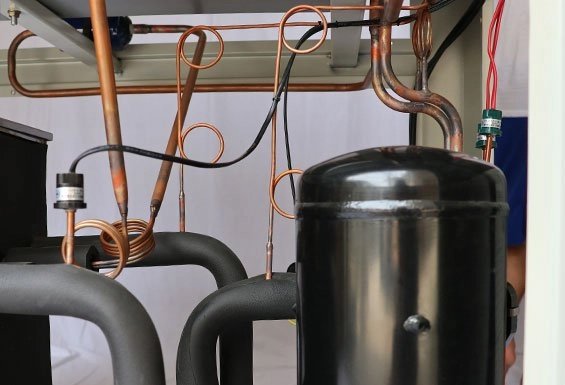
Water cooled modular chillers make use of water to dissipate heat generated from the refrigeration process. Featuring a modular design, each unit operates independently. Whether used for standalone cooling or combined into larger systems, water cooled modular chillers are an ideal choice for large central air conditioning systems and industrial refrigeration applications.
How Does a Water Cooled Modular Chiller Work?
The whole principle is basically simple. Technically speaking, it is a complete system of a refrigeration cycle that can be comprehended as four continuously repeating steps: compression, condensation, throttling, and evaporation.
Compression stage
The compressor takes low-pressure refrigerant gas in first and compresses it into high-pressure, high-temperature gas. This is the beginning of the whole cycle.
Condensation Stage
High-temperature and high-pressure refrigerant flows into the condenser, where its heat is dissipated by cooling water, and the state of the refrigerant is changed from gas to liquid. This step is the key to “water cooling”—relying on water to dissipate heat.
Throttling Stage
As the liquid refrigerant undergoes expansion through the expansion valve, the pressure rapidly drops and turns the liquid into a low-temperature and low-pressure mixture.
Evaporation Stage
The refrigerant flows to the evaporator, where it undergoes heat exchange with the circulating water-chilled water. By absorbing heat from the chilled water, it changes back to gaseous form again and produces the cooling effect of the chilled water.
The design of multi-module chillers involves the connection of such refrigeration cycle units in parallel. The system automatically starts and stops different modules based on load demand, ensuring energy efficiency along with flexibility.
Why Choose Water Cooled Modular Chillers?
Flexible Configuration
The most significant advantage of water cooled modular chillers is the flexibility thereof. They fit perfectly into your existing cooling system and can be tailor-made by ChillerOne into fully integrated solutions. By means of modular combinations, they offer stable operation for projects that include everything from low-cooling-demand applications to high-load industrial processes, allowing effortless system expansion.
Compact Design
Modular units, compared to packaged water cooled chillers, are more compact in structure, with a smaller footprint. This high-density design is perfectly ideal for factories or equipment rooms with limited space and finds increasing usage in industrial manufacturing.
Support Expansion in Parallel and Series
Our ChillerOne modular units can scale up to 12 modules that support both parallel operation and multi-stage series connection. A pre-installed mounting point allows flexible stacking, with a maximum stack height of 3–4 meters, which can provide a multistack modular water cooled chiller. Whether you want to boost cooling capacity or achieve an optimized layout, we provide tailored solutions according to your site conditions.
Heat Recovery Capability
For installations where waste heat recovery is needed, we can deliver units with integrated heat recovery. By using a heat pump, heat occurring during the cooling cycle is obtained and converted into hot water up to 60°C (140°F). Such hot water can be directed for cleaning, heating, or other process purposes.
Key Components of Water Cooled Modular Chillers
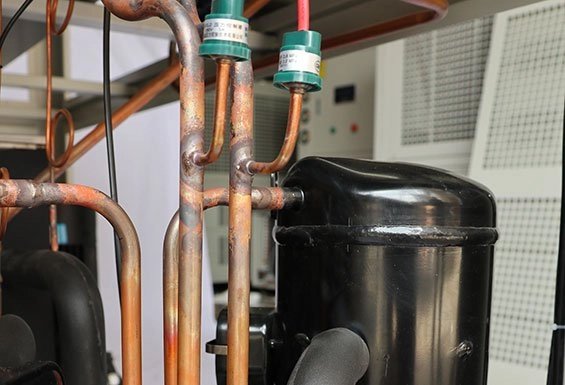
Compressor
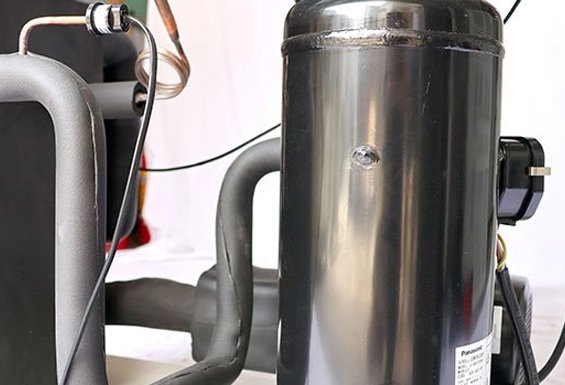
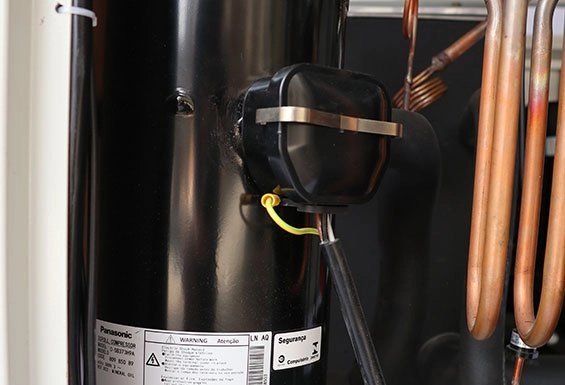
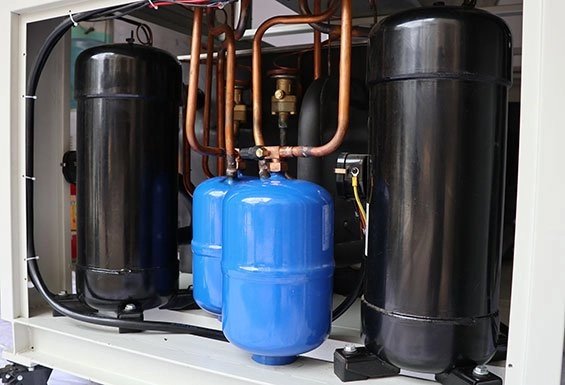
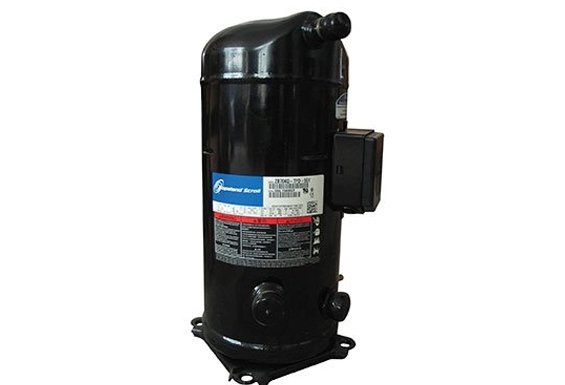
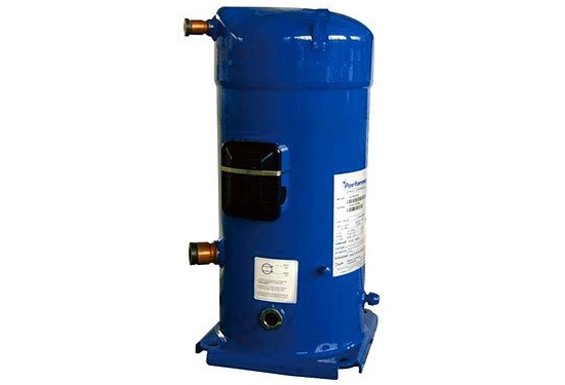
The compressor is the heart of the entire system, primarily responsible for compressing low-pressure refrigerant gas into high-temperature, high-pressure vapor. Common types include centrifugal, screw, and scroll compressors. You can compare their advantages and disadvantages using the table below.
| Features | Centrifugal Compressor | Screw Compressor | Scroll Compressor |
| Working Principle | The refrigerant gas is flung out and pressurized by a high-speed rotating impeller | Two intermeshing screw rotors compress the refrigerant gas | Gas is compressed by the relative rotation of a fixed vortex plate and a moving vortex plate |
| Key Characteristics | Complex structure with high efficiency, suitable for large-capacity refrigeration systems | Excellent stability, compatible with variable frequency control (25%–100% continuous power adjustment) | Compact design, small footprint, smooth startup |
| Applicable Scenarios | Large central air conditioning systems, industrial cooling, data centers, etc | Mainstream choice for medium-to-large industrial refrigeration, process cooling, and water-cooled units | Small chillers, laboratory equipment, light commercial air conditioning |
| Advantages | High energy efficiency, low noise, smooth operation, suitable for continuous operation | Capable of continuous operation, high efficiency at partial loads, long service life | Low cost, minimal vibration, simple maintenance |
| Disadvantages | Sensitive to operating conditions, high initial investment, and demanding maintenance requirements | Relatively high noise levels, moderate initial costs | Low single-unit capacity, unsuitable for large-scale systems |
Condenser
It features an extra-large stainless steel plate condenser that provides high efficiency in heat exchange, since stainless steel offers great resistance to corrosion. Condensers dissipate systems’ generated heat by means of circulated cooling water, playing a crucial role in water cooled systems.
Expansion Valve
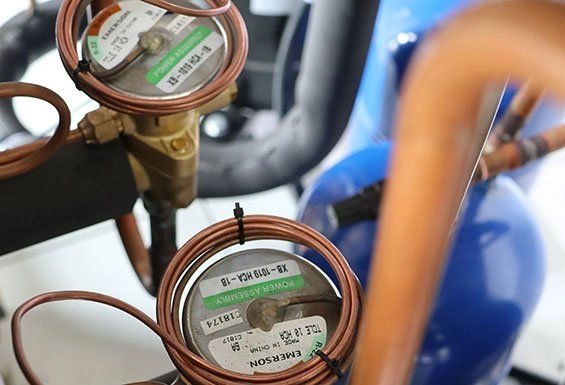
The expansion valve regulates refrigerant flow and system pressure by quickly cooling high-pressure liquid refrigerant before it reaches the evaporator. It aims to prepare the refrigerant for heat absorption during evaporation.
Evaporator
Refrigerant exchanges heat with the chilled water in an evaporator. The unit is equipped with electronic pressure sensors and freeze protection devices to monitor operating conditions on site in real time, thereby preventing system icing because of excessively low temperatures.
During heat exchange with the refrigerant in each module’s evaporator, chilled water flows to the main module chilled water supply and return manifolds to form a steady, circulating circuit in modular systems.
Microprocessor Control System
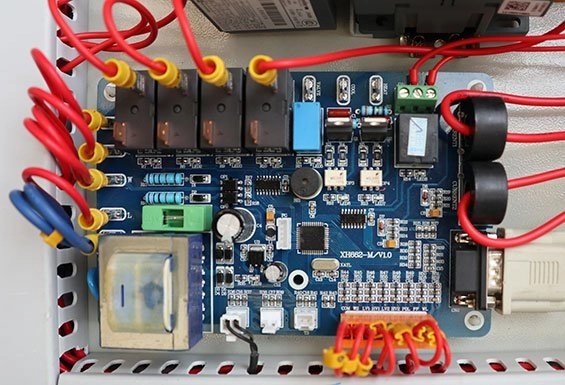
Each module has an independent microprocessor controller, and the modules communicate to coordinate operating in a uniform manner. Real-time load automatically initiates/terminates modules and changes operating conditions with the master control system to ensure energy efficiency while maintaining cooling performance.
Advantages of Water Cooled Modular Chillers
Plug-and-Play Flexibility
Every module operates independently yet is integrated with each others. Just install, connect power and piping, and it’s operational-ready to use, plug-and-play style.
Environment Friendly
It can operate with minimal refrigerant, is compatible with eco-friendly refrigerants like R410A, R513A, and R454B. They can minimize energy consumption while assisting in your zero-emission ESG goals.
Superior Cooling Capacity
Its modular design keeps the system stable even when working at large cooling loads. The capacities of single units range from 100 kW to 600 kW, approximately 28.4 to 170.7 tons. Multi-module configurations can easily scale a system up into the thousands of kilowatts. Chilled water outlet temperatures can be precisely controlled between -8°C and 20°C.
Precision Temperature Control
It features a dual refrigerant circuit design that achieves a temperature control accuracy of ±1℃, hence meeting the stringent requirements of industrial or process applications with minimal tolerance for temperature fluctuations.
High Efficiency
Water-cooled modular chillers provide about 30-40% higher energy efficiency compared with air-cooled chillers of equivalent specification. They also use less energy under the same cooling conditions, which means higher long-term operational economy.
Superior Fault Tolerance
A module failure does not disturb the operation of the system. Since each module has an independent power supply and control system, automatic load transfer is possible during such an event, thereby reducing the downtime.
Durable Structural Design
The frame employs high-strength steel tubing and aluminum plate constructions to ensure long-term, stable operations in harsh environmental conditions, whether indoors or outdoors.
Applications of Water Cooled Modular Chillers
Water cooled modular chillers can be integrated into nearly any scenario where precise temperature control is required. Besides managing the central air conditioning load in large buildings, they provide stable and effective cooling output for a wide range of industrial systems.
Plastics and Rubber Industry
In the manufacture of plastics and rubber, a good molding quality is usually ensured by a constant mold temperature. Chillers guarantee that processes are kept constant in injection molding, extrusion, and blow molding lines to enhance product precision.
Food and Beverage
Food and beverage manufacturing involves even tighter temperature control. Temperature regulation around fermentation tanks, cool stages on filling lines-these systems maintain temperatures without any downtimes in order to preserve product taste and flavor consistency.
Metal Processing
Chillers in metal fabrication maintain thermal equilibrium for the fluids and equipment involved with the cutting process. The integration of any such chillers would stabilize the performance and reduce processing errors in continuously operating CNC machines, EDM, or grinding equipment.
Biogas and Energy Systems
Chillers embody the cooling “hub” within biogas and energy systems. They help improve energy efficiency in gas purification or compression processes while ensuring equipment safety.
Data Centers
It offers not only cooling capacity, but also vital safety redundancy in these high-heat-load environments, such as data centers. Chilled water systems instantly react to even the most significant variations in load to maintain constant temperatures within the server rooms.
Gas Turbines
Examples of energy applications in which the product excels include gas turbine air cooling or installing power grid facilities. Consistent cooling output enhances system efficiency and durability by allowing energy-saving operations.
In fact, where cooling is required by your industry, chillers come into play. As one of the leading chiller manufacturers, ChillerOne has continuously explored efficient and intelligent refrigeration solutions in various industries.
Whether designing a new system or upgrading existing equipment, let our engineering team guide you through the complete cycle of customized services-from design through delivery.
Water Cooled Modular Chiller vs Air Cooled Modular Water Chiller: What is the Difference?
In the process of choosing a modular chiller, most people face one choice: air-cooled or water-cooled? Actually, both have their respective advantages and disadvantages with regard to the structure and performance. It will depend on your project environment and operational requirements.
To help you decide fast, below is the comparison table courtesy of ChillerOne, which provides a more fitting choice for you:
| Comparison | Water Cooled Modular Chiller | Air Cooled Modular Chiller |
| Heat Dissipation Methods | The heat is extracted by cooling water, which depends on auxiliary machinery like cooling towers and water pumps | Heat is dissipated by forced airflow with fans, and additional cooling towers are not required |
| System Components | Includes the condenser, water pump, cooling tower, piping system, etc | Consists primarily of the condenser and fan, featuring a relatively simple system structure |
| Installation Location | Suitable for installation in indoor or equipment room environments | Primarily used outdoors, no dedicated equipment room required |
| Initial Investment | Slightly higher cost, requiring a cooling tower and water circulation system | Equipment costs are relatively low, and installation is straightforward |
| Operational Efficiency | High heat dissipation efficiency, with a coefficient of performance (COP) typically 30–40% higher | Heat dissipation is significantly affected by ambient temperature, resulting in slightly lower energy efficiency |
| Suitable Environments | Ideal for high-temperature, high-humidity conditions or scenarios requiring long-term stable operation | Suitable for small to medium-sized buildings or relatively dry environments |
| Maintenance Requirements | Regular cleaning of the condenser and cooling tower is required, involving significant maintenance effort | Maintenance is relatively simple, requiring only periodic cleaning of the heat dissipation fins and fan |
| Expandability | Capacity can be easily scaled up to higher cooling output by connecting modules in parallel | Module expansion is also supported, but is limited by heat dissipation efficiency |
| Application Industries | Industrial manufacturing, data centers, hospitals, large shopping malls, process refrigeration, etc | Small and medium-sized office buildings, hotels, laboratories, equipment rooms, etc |
No, each module is equipped with an independent power supply and control system. In case one module goes down, the other modules automatically balance out the lost cooling output in order to keep the system in operation.
We recommend the use of softened or filtered cooling water together with chilled water to prevent scale and impurities from affecting the heat exchangers.
For installation, the environment should be well-ventilated and with enough space for maintenance.
Absolutely, ChillerOne will offer customization services from design to delivery, including aspects like refrigeration capacity, the number of modules, cooling methods, control systems, and heat recovery functions.


