

In today’s chiller systems, glycol is important for delivering a stable performance under different temperature conditions. Its presence affects operational safety, system longevity, and cooling efficiency. Gaining insights on glycol’s interaction in chiller setups reveals reasons why it is important for achieving a reliable, consistent, and energy efficient outcome.
What is Glycol?
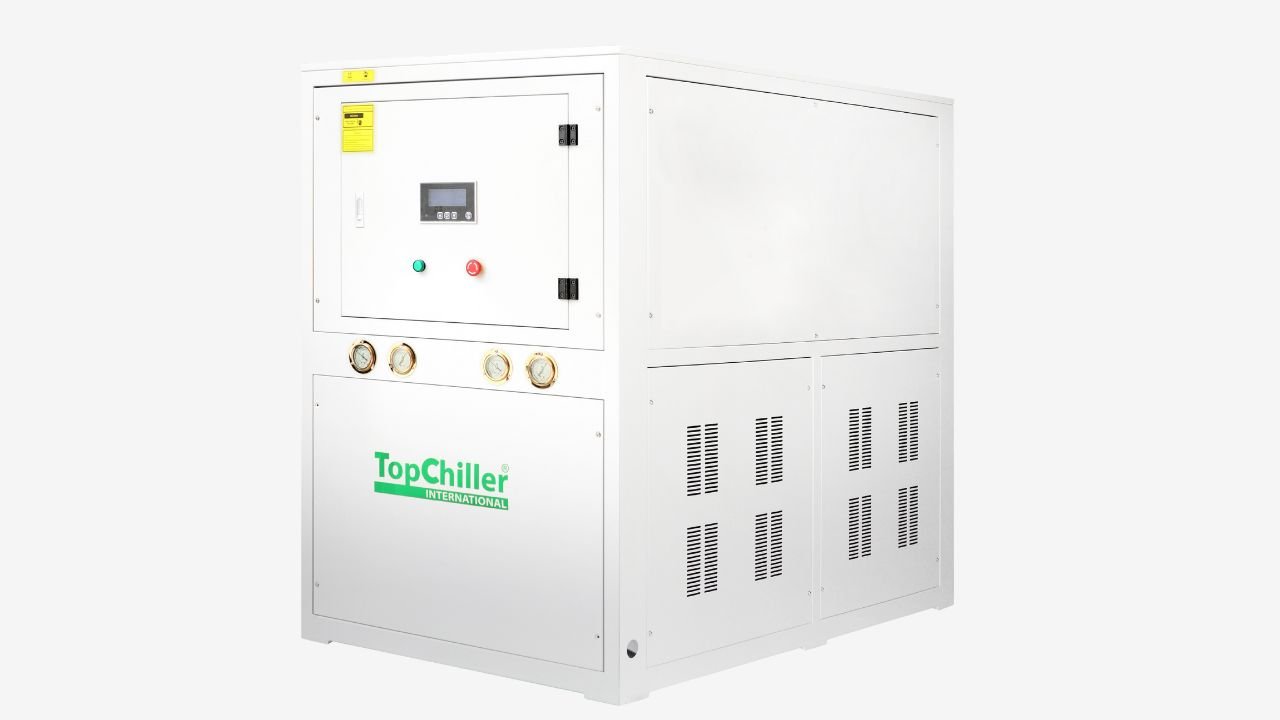
Glycol are organic compounds made up of oxygen, hydrogen, and carbon. They have two hydroxyl groups which are attached to several carbon atoms. Propylene glycol and ethylene glycol are the two common types; they are odorless and colorless liquids that have a slightly sweet taste. In addition, they have great water miscibility, high boiling points, and low volatility, which makes them useful as heat-transfer fluids in cooling and chiller systems.
Why Glycol is Essential in Chiller Systems
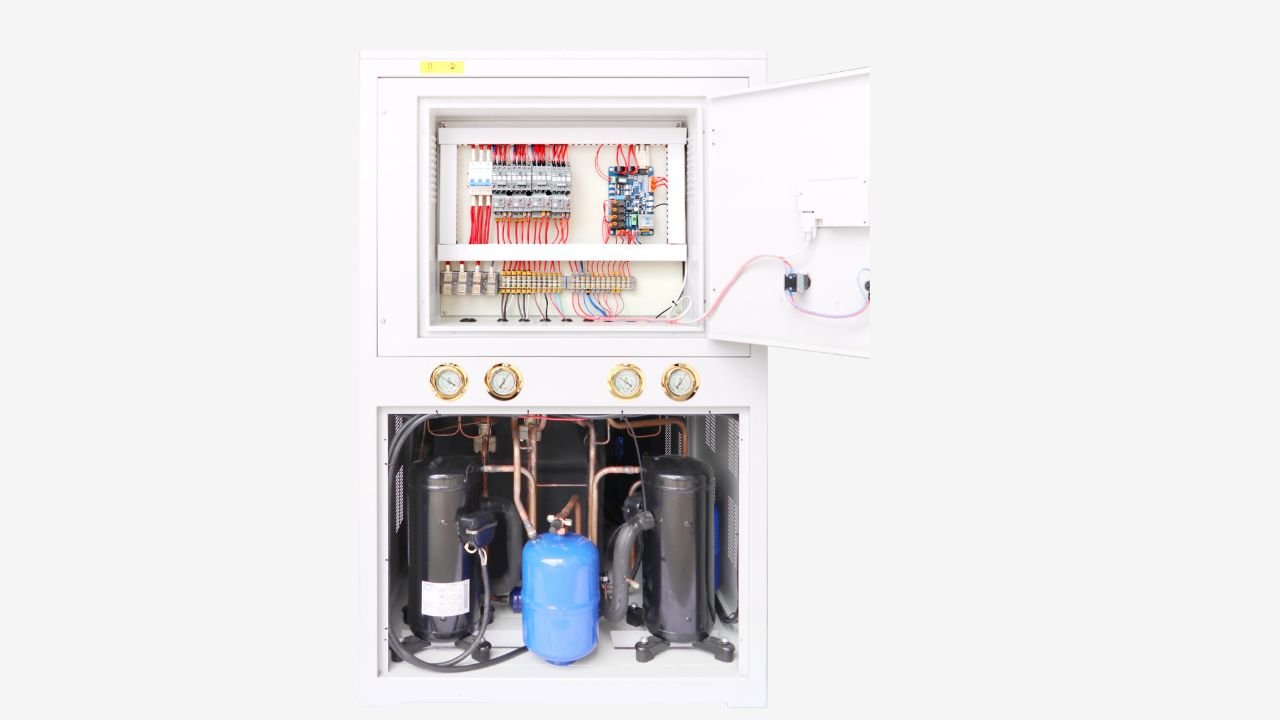
Glycol is important in chiller systems because it stops the freezing of the cooling fluid at low temperatures, making sure that the operations continue even during harsh conditions. By reducing water’s freezing point, glycol protects heat exchangers, coils, and pipes from damage due to ice formation.
In addition, it inhibits scale buildup and corrosion, extending durability and the system components’ lifespan. Also, glycol can enhance energy efficiency and temperature stability, ensuring that chillers can perform consistently across different loads. With the absence of glycol, chillers can easily experience fluid blockages, freezing, and expensive maintenance problems; this makes it an important component for the best cooling operations.
Important Properties that Make Glycol Suitable for Chillers
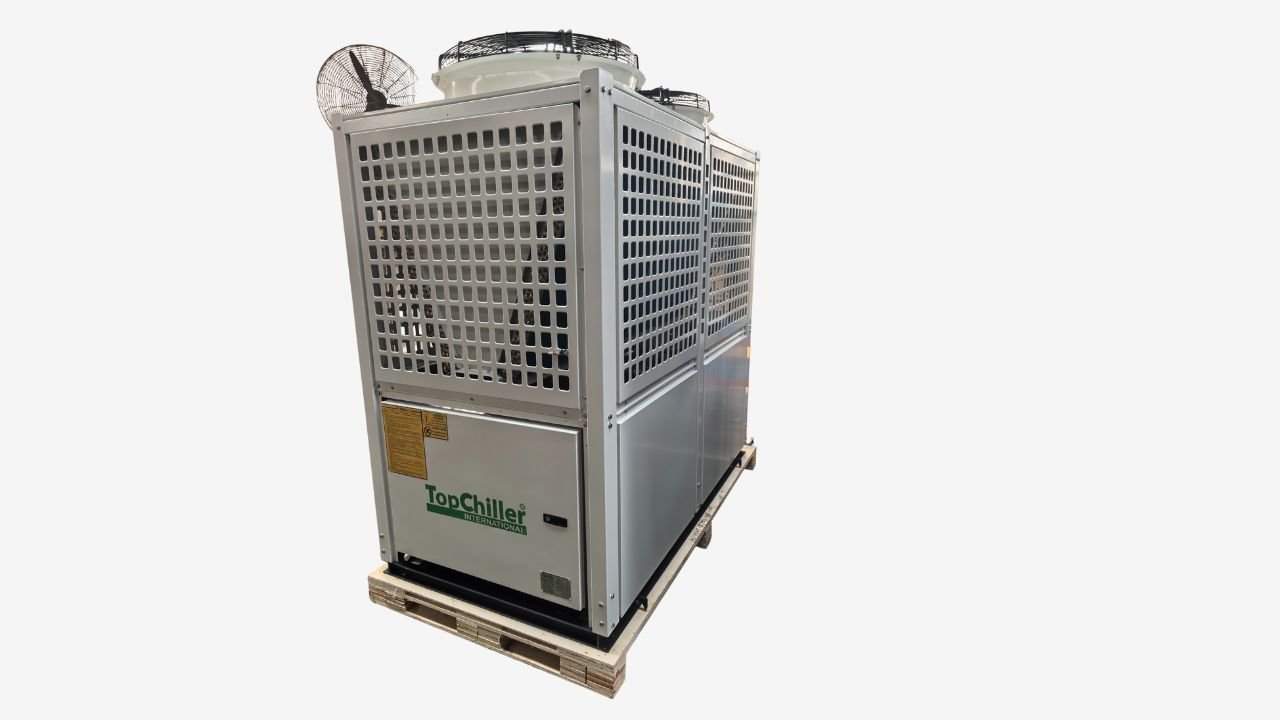
Freeze Point Depression
One important feature of glycol is its ability to reduce water’s freezing point. This characteristic prevents ice from forming in the chiller system and protects the heat exchangers, pumps, and pipes from damage during low-temperature operations.
Thermal Conductivity
Glycol plays an important role in transferring heat between a system and its environment. Though it has slightly lower thermal conductivity compared to water, it remains important for maintaining an efficient and stable exchange of heat in the chillers.
Viscosity
The viscosity of glycol changes with respect to temperature. At a lower temperature, it becomes thicker; though this may reduce the flow efficiency slightly, it contributes to the protection of the system and ensures a reliable operation even under harsh conditions.
Specific Heat Capacity
Glycol solutions absorb and retain high quantities of heat before it changes temperature, thereby delivering a great cooling performance as well as maintaining energy efficiency across different operational loads.
Types of Glycol
Glycol comes in two main types:
Ethylene Glycol
Ethylene glycol is most frequently used in chiller systems because of its low freezing point and great heat transfer efficiency. It is an odorless and clear liquid that has great thermal resistance. Moreover, it is toxic and needs to be carefully handled. This makes it useful for closed processes or industrial systems.
Propylene Glycol
Propylene glycol provides similar thermal properties and freeze protection, but it is environmentally safer and non-toxic. It is useful in pharmaceuticals, food processing, and HVAC applications, where environmental and safety considerations are important.
Comparison Table: Types of Glycol
| Property | Ethylene Glycol | Propylene Glycol |
| Thermal Efficiency | Heat transfer performance is slightly higher | Slightly lower compared to ethylene glycol |
| Toxicity | Toxic and harmful for injection | Non-toxic; safe for food |
| Freeze Protection | Excellent | Excellent |
| Applications | Automotive, industrial, HVAC (closed systems) | Pharmaceutical, food, beverage, and HVAC (open systems) |
| Environmental Impact | Less friendly | Eco-safer and biodegradable |
| Cost | Cheaper | Slightly costlier |
| Safety Considerations | Must avoid leaks or contact | Safe around animals and humans |
| Corrosion Resistance | Needs inhibitors | Needs inhibitors |
Applications of Glycol
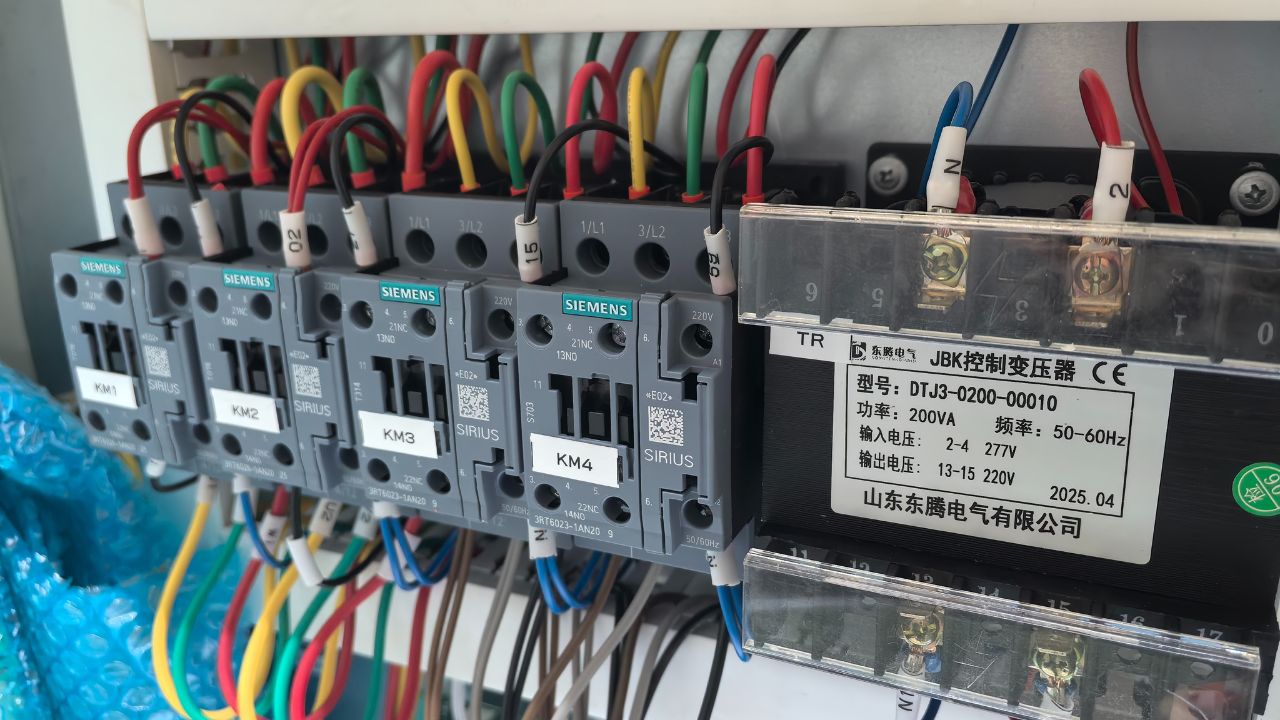
HVAC and Refrigeration Systems
Glycol is useful in HVAC and refrigeration systems as a secondary coolant for regulating the temperature as well as preventing the freezing in coils and pipes. This ensures efficient and reliable system performance.
Food and Beverage Manufacturing
Propylene glycol is non-toxic and so, is suitable for temperature and cooling regulation in food processing plants, dairies, and breweries, where hygiene and safety are important.
Automotive Antifreeze
Ethylene glycol is a very important tool in automotive antifreeze, which protects freezing during winter and overheating engines during the summer. It also prevents corrosion.
Cosmetics and Pharmaceuticals
Here, propylene glycol serves as an agent that retains moisture, a stabilizer, and a solvent. This helps to extend the shelf life and maintain consistency of the product in lotions, syrups, and creams.
Industrial Process Cooling
Several industries get their process cooling from glycol, especially where accurate temperature control is important, like in metalworking, plastics, and chemical manufacturing operations.
Advantages and Disadvantages of Using Glycol
Advantages
- Provides corrosion resistance and extends the lifespan of the equipment
- Offers great freeze protection, ensuring there no damage in environments with low temperature
- Propylene glycol is non-toxic, therefore safe for pharmaceutical applications and food.
- Protects system components by reducing the costs of maintenance
- Ensures consistent control of temperature and thermal stability in chillers
Disadvantages
- Compared to water, its heat transfer efficiency is lower, which reduces the system performance
- At low temperatures, it has higher viscosity, and this could increase energy use and limit fluid flow
- The toxic nature of ethylene glycol means that it needs proper disposal and must be handled carefully
- Maintaining it could be very expensive due to monitoring and inhibitor requirements.
Conclusion
Glycol is important for maintaining reliable and efficient cooling across different systems. Its ability to protect equipment, control temperature, and prevent freezing, makes it very useful in industrial applications and chillers. Choosing the right type of glycol and concentration delivers optimal performance, longevity, and safety of your cooling operations.
FAQs
What differentiates propylene glycol from ethylene glycol?
The major difference between them is the toxicity. Naturally, ethylene glycol is toxic in nature and is useful in industrial systems. Propylene glycol on the other hand, is safe for food, hence its use in beverage and food cooling applications.
How does glycol stop cooling systems from freezing?
Glycol reduces water’s freezing point, thereby creating a solution that remains in liquid form even at low temperatures. It prevents the formation of ice and ensures the smooth circulation of the coolant through the system.
Is glycol safe or toxic for use around beverages and food?
Ethylene glycol is naturally toxic, and therefore unsafe around consumables. However, propylene glycol is not toxic and has been approved for beverage and food cooling systems under specified conditions.
What is the best glycol-to-water ratio for industrial chillers?
The ideal ratio is between 30% and 50%. This range provides better corrosion resistance, freeze protection, and heat transfer for most temperature conditions and industrial chiller applications.
How often should you test or replace glycol mixtures in a system?
Testing should be done every 6 to 12 months for pH balance and glycol concentration. Also, replenish or replace every 3 to 5 years to maintain system reliability, corrosion protection and performance.


 English
 Spanish
 Arabic
 Vietnamese

