

Các thương hiệu quốc tế mà chúng tôi hợp tác


Features Of ChillerOne Distillery Chillers For Spirits Production
- ChillerOne’s ethylene distillery chillers offer adjustable temperature control from -15°C to +5°C.
- We provide large capacity ethylene glycol tanks capable of storing up to 6 liters of ethylene glycol, enabling frequent use for efficient cooling performance.
- You can easily connect it to approximately four fermentation tanks. Much better, you also can individually adjust settings for each fermentation tank as needed.
- Available chiller types include air cooled or water cooled models, both equipped with refrigerants friendly to the ecosystem and ethylene glycol for cooling operations.
- To ensure equipment and user safety, our distillation chillers incorporate multiple safety alarms and protective features, such as flow protection, high/low pressure protection, coolant level protection, overcurrent protection, and freeze protection.
ChillerOne——Professional Distillery Chillers Supplier for Spirits Production
ChillerOne is a reliable manufacturer and supplier who can offer efficient and durable distillation chillers for your spirits production. We support both air cooled and water cooled distillery chillers.
Our distillation chillers use branded hermetically sealed scroll single or dual compressors, finned copper tube condensers, bộ trao đổi nhiệt dạng ống và vỏ, as well as high capacity water pumps. And the refrigerator we use is R-22 refrigerant, which can deliver highly efficient cooling solutions for you and is friendly to the environment.
Available Type of Distillery Chiller for Spirits Production

In spirits production, you can opt for industrial chillers specifically designed for breweries. Industrial chillers are designed for large distilleries or industrial scale spirits production lines, capable of handling greater cooling loads. These systems typically use water as the circulating medium to absorb heat from fermentation tanks and cool the distillation process of the alcohol, maintaining the flavor in the final spirit.

The ethylene glycol distillery chiller also performs exceptionally well in maintaining the low temperature environment for spirits production. It provides chilled water that allows for full condensation of the distillate, which in turn aids in preserving product quality during subsequent bottling and enhances the storage stability.
Chứng nhận đáng tin cậy
Fully certified by global authorities, the distillery chiller adheres to strict industry regulations for reliable refrigeration in distillery workshops.


Applications of the Distillery Chillers for Spirits Production
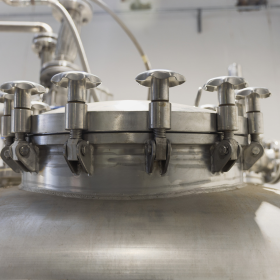
- Cooling the Mash: Mash is the preparatory stage of fermentation, converting grains into fermentable sugar solutions through enzymatic action. The distillation chiller regulates the temperature during this process, maintaining enzyme activity to ensure successful and efficient mash.
- Cooling the Fermentation process:During the fermentation stage, the distilled water chiller removes heat generated by fermentation, maintaining optimal reaction temperatures. This prevents yeast inactivation at elevated temperatures and ensures successful fermentation.
- Cooling the Distillation:In the distillation process, the cooling function provided by the distillation condenser is indispensable. It rapidly cools the vessel and distillates, enabling the alcohol vapor and flavor compounds obtained through distillation to condense back into liquid form promptly, thereby ensuring the quality of the final product.
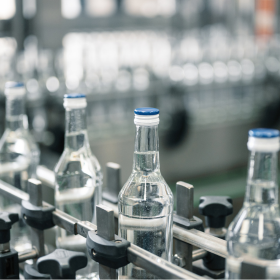
Another function of distillery chillers in spirits production is to regulate equipment temperature. As you know, fermentation is an exothermic reaction that releases significant heat during the process. This high temperature can potentially damage your equipment.
However, chillers help dissipate this heat by circulating ethylene glycol or water to remove thermal energy from the equipment, thereby preventing adverse effects on the reaction or processing outcomes.
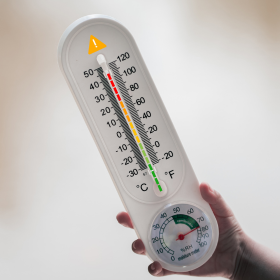
Moreover, distillery chillers also work to maintain the temperature of the wine. Their cooling function stabilizes the state of the finished liquor, preserving its consistent properties and flavor throughout the entire process from production to packaging. This prevents further chemical reactions or damage to the texture caused by the high temperature.
See the Spirits Production Distillery Chiller in Action
Watch how the spirits production distillery chiller delivers stable temperature control, fast cooling response, and reliable performance in real industrial working conditions.
Why do Spirits Production Need Distillery Chillers?
In the production of spirits, fermentation and distillation are critical steps that significantly impact the final product’s quality. Without a suitable distillation chiller to regulate temperatures during fermentation and distillation, your finished product may suffer from high temperature effects, potentially leading to quality degradation and hindering the development of desirable flavors.
This is why distillation chillers are indispensable in spirits production: they determine the success of the distillation process and finally influence customers’ satisfaction.
Distillery Chiller for Spirits Production Working Principles
Within the cooling system of the spirits production line, the specific operational process involves ethylene glycol absorbing heat from equipment such as fermentation tanks and distillation kettles. This ethylene glycol then enters the chiller, where it undergoes indirect contact with the refrigerant to facilitate heat exchange.
Within the chiller unit, a series of cooling cycles will occur, enabling the refrigerant to absorb and release heat while undergoing state changes. The cooled ethylene glycol is then distributed to various pieces of equipment along the distillation production line to continue the cooling process.
Tips To Choose Proper Distillery Chiller For Spirits Production
Select a Distillery Chiller Compatible With The Spirits Production Line
The selection of a distillation chiller must be based on the specific scale of your spirits production line, which is very crucial for your determination. First, you need to confirm the distillation volume and the capacity of the fermentation tanks. These factors determine the production pace of your spirits operation and dictate the required circulating water volume of the chiller, as well as whether it can adequately serve your entire production line.
Select Based On The Type Of Alcoholic Beverage Produced
The type of alcoholic beverage produced also influences the selection of a distillery chiller, as liquors with different alcohol concentrations and compositions require distinct fermentation, distillation, and condensation temperatures.
For example, whiskey and rum necessitate precise fermentation control to ensure the formation of flavor compounds, while vodka and gin may demand efficient distillation and condensation to maintain the alcohol concentration to preserve the aromatic substances. Before actually selecting a model, you can also inform the customer service of the alcoholic beverages type you produced, then you may receive professional selection recommendations.
Benefits Of Using Distillery Chillers In Spirits Production
Improve The Spirits Production Efficiency
One advantage of using distillery chillers in spirits production is their ability to enhance the processing efficiency. They maintain stable processing temperatures, preventing frequent shutdowns caused by temperature fluctuations that would otherwise interrupt the production process, thereby extending production time. While equipped with distillery chillers, your production line can process larger volumes of spirits in a shorter time frame, achieving greater production efficiency.
Enhance The Spirits Quality
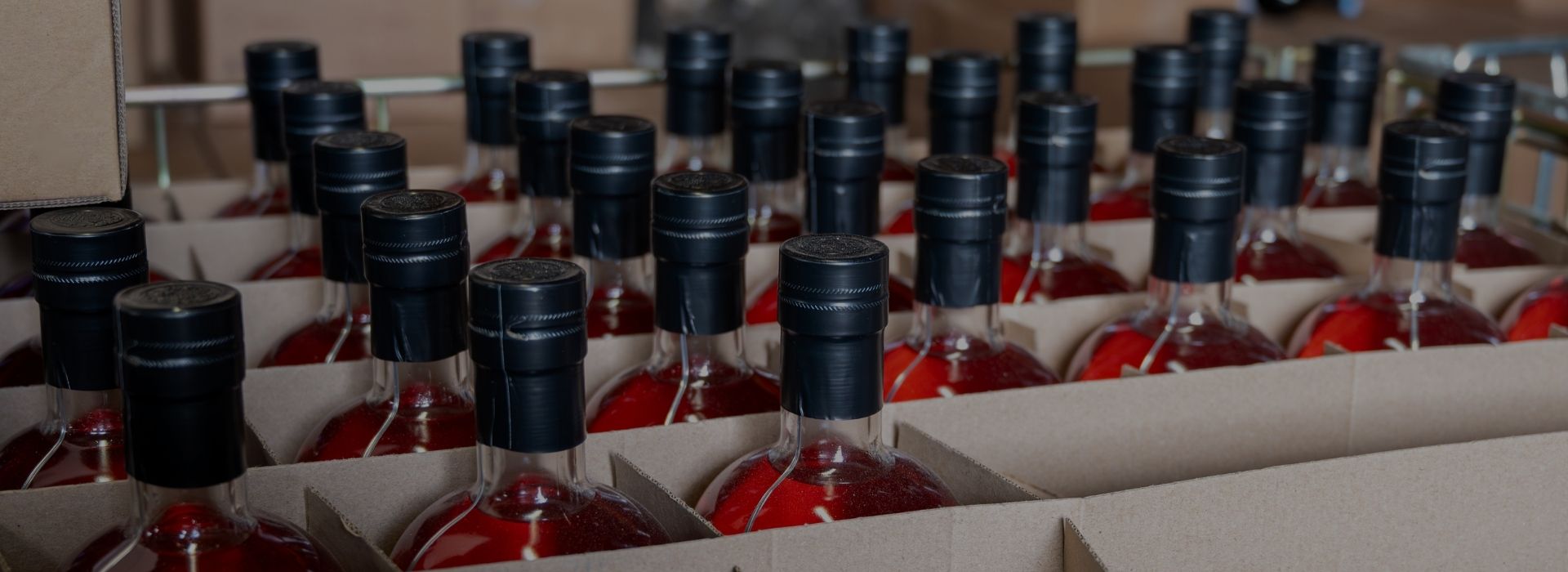
Distillery chillers also can enhance the quality of spirits by preventing flavor loss during subsequent stages like bottling. With the unique properties of spirits as a liquid, temperature can greatly affect their flavor profile. However, consistent temperature control of the chillers can prevent taste alterations, enabling the production of higher quality spirits compared to distilleries without chillers.
Prolong The Equipment Service Life
As mentioned above, chillers can absorb heat generated during fermentation, preventing overheating that causes excessive wear on equipment. They reduce the thermal stress on your fermenters, condensers, and other equipment, thereby extending their service life and minimizing costs associated with repairs or replacements.
If distillation chillers are not installed in your spirits production process, your production line is more likely to be affected by the high temperatures and cause the reduction of the yeast activity or the fermentation failure. Furthermore, this will lead to insufficient alcohol condensation during distillation, resulting in lower production and greatly decreased flavor, finally causing financial losses for you.
Yes, you can rest assured that during actual operation, the ethylene glycol used to absorb heat will not come into contact with your wine. This ensures hygiene during operation and meets the food production safety standards.
Due to the closed loop circulation system’s clean and hygienic operation, maintenance of distilled water chillers is straightforward. Components requiring frequent cleaning include the condenser coils and filters, while comprehensive cleaning and maintenance can be taken into the annual maintenance schedule.
Of course, If you have custom requirements, please feel free to contact us and provide detailed information, including the dimensions, required components, and so on. We will handle the entire process of the chiller manufacturing including design, production, quality inspection, and delivery. We will provide you with a product that meets your quality expectations. Contact us immediately to receive a quote.
Firstly you need to connect a hose to the ethylene glycol outlet fitting and place the free end of the hose into a sufficiently large container. Then start the chiller and activate the pump’s over control mode, allowing the pump to run continuously without cooling demand. Then the corresponding hose channel should be opened to drain the old ethylene glycol. Finally, you can remove and clean the ethylene glycol filter, reinsert the filter cartridge and tighten the cap, and pour in the replacement mixture of 6 liters of ethylene glycol and water.


 Vietnamese
 English
 Spanish
 Arabic

