

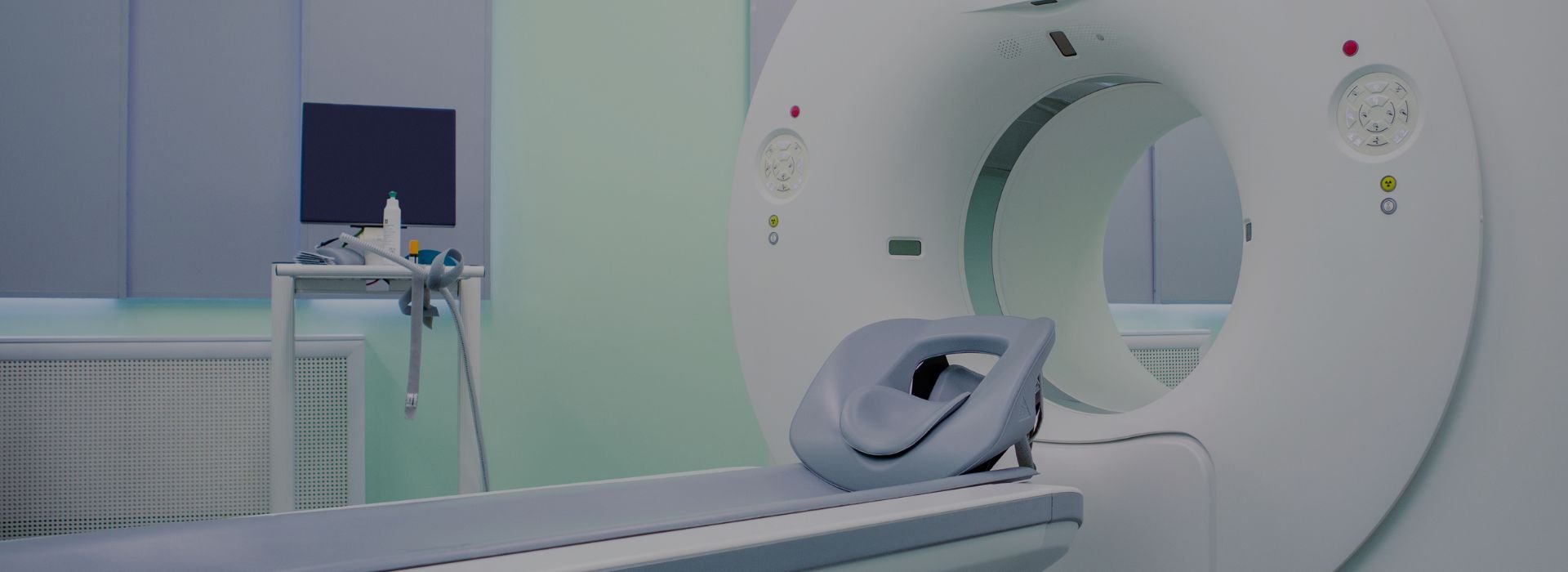
Chiller Solution to Match CT Cooling Brand










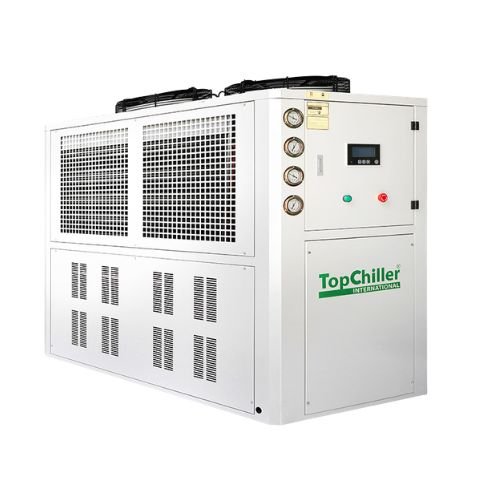
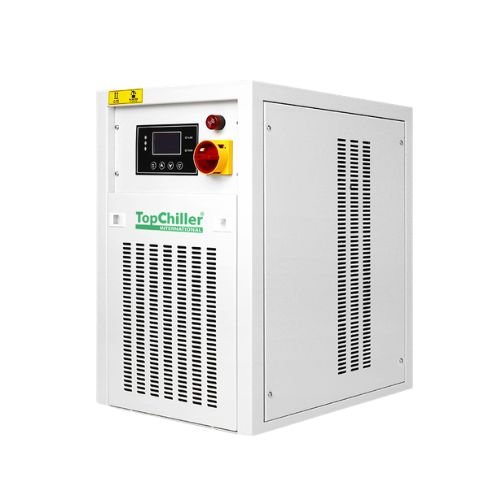
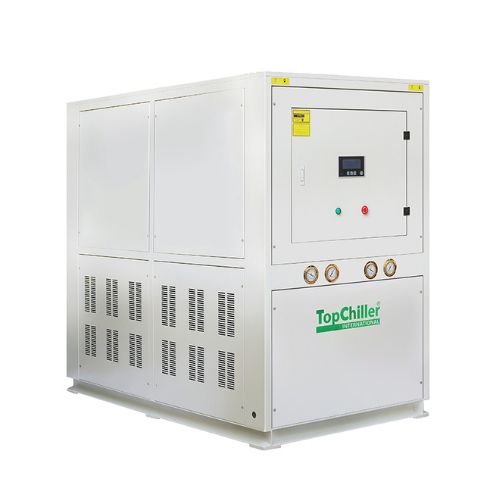
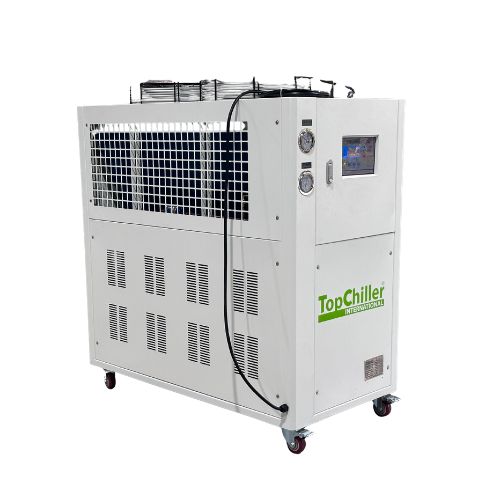
Stable CT Chiller Cooling System That Protects Your CT Investment
- Engineered for CT scanner cooling requirements.
- High-precision temperature Control for CT gantry & tube systems.
- Continuous stable operation in hospital environments.
- Low noise and compact Design.
- Industrial-grade compressors and components.
What is a CT Chiller?
A CT chiller is a specially designed X-ray tube cooling system for CT, used to eliminate the large amount of heat generated by the X-ray tube of a CT (Computed Tomography) scanner during operation. Our CT scanner cooling system can stably maintain coolant temperatures within a narrow range, often between 15°C and 30°C, to ensure stable performance and consistent image quality. Without this cooling measure, the X-ray tube could overheat, which would result in shortened equipment lifespan, image defects, or system failures.
CT Chiller Types Designed for Reliable CT Operation
Selecting the appropriate CT chiller is crucial for maintaining stable temperatures, preventing system alarms, and avoiding unexpected shutdowns. We have developed various types to accommodate different CT scanner configurations and operating conditions.
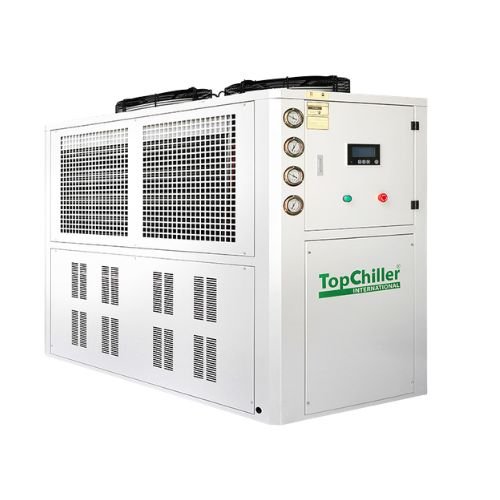
Air-cooled CT chiller uses ambient air and mechanical fans for heat dissipation. “Plug-and-play” design. Commonly seen in smaller imaging centers.
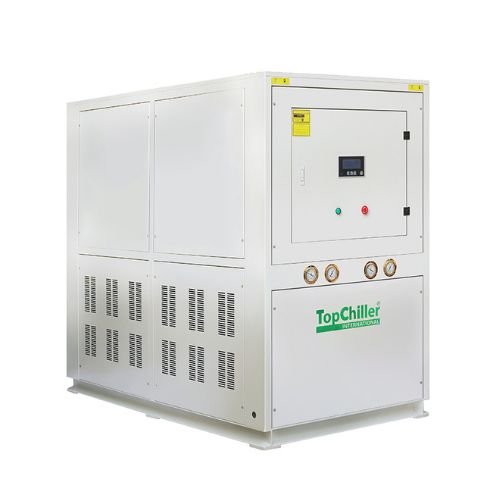
water cooled CT chillers are connected to the cooling tower. Highly efficient, low noise, and long lifespan. Suitable for 24-hour, high-throughput hospital environments.
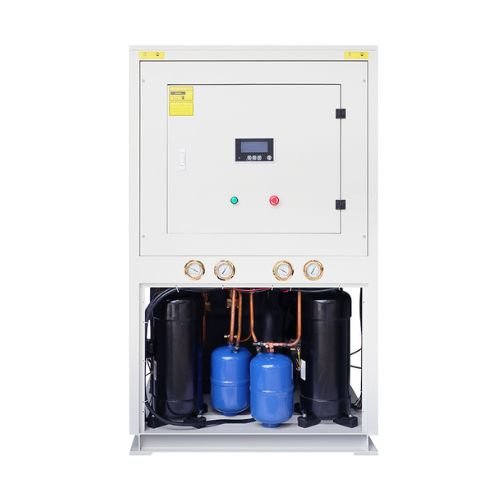
Use a water-glycol mixture. Prevent the coolant from freezing in cold climates and quickly absorb heat without significant temperature changes.
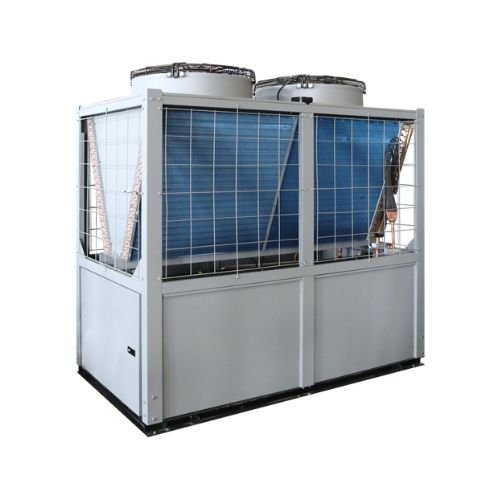
All components are integrated within an indoor or outdoor cabinet. Easier to install and usually have a lower initial cost.
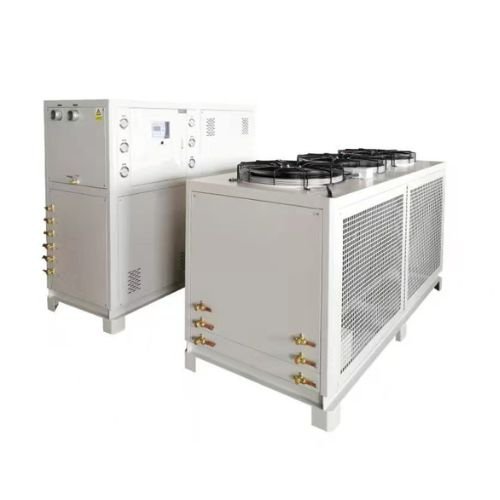
The noisy and heat-generating condenser is placed outdoors, while the quiet water pump and evaporator are kept indoors near the scanner.
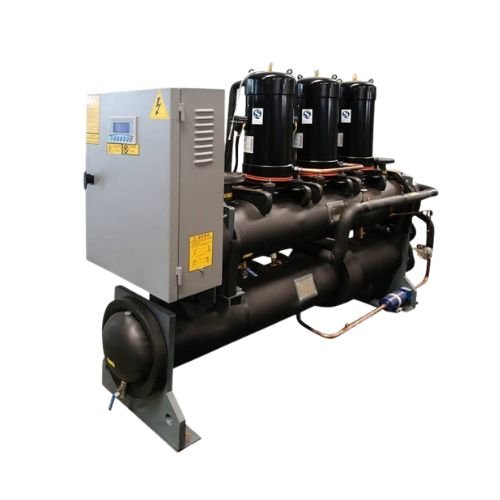
Modular CT chiller system is composed of multiple smaller units. expanding the cooling capacity and providing built-in redundancy.
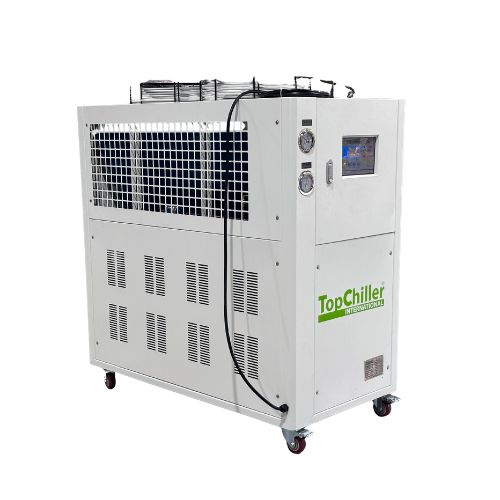
Small and portable devices that can be moved within the facility for use. Used for specific, low-load imaging tasks.
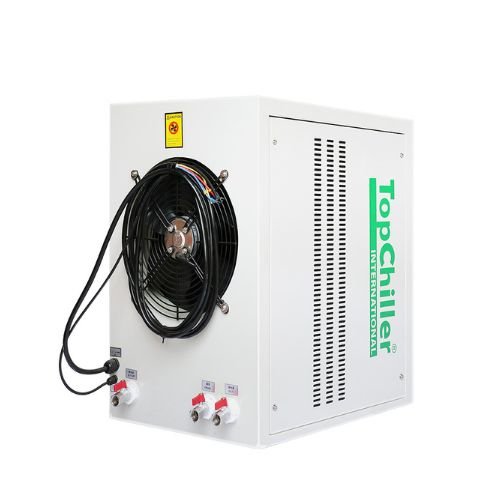
Circulates a fixed amount of clean coolant in a closed system, preventing dirt deposition on the sensitive detectors and inside the pipes of the CT scanner.
CT Chiller Features Beyond Standard Industrial Chillers
Our CT chillers are specially designed for medical imaging applications, featuring more precise temperature control, higher operational stability, and stronger system protection capabilities, which make them ideal choices for the cooling system of CT scanners.

±0.1°C / ±0.2°C temperature control accuracy. Stably maintain the coolant temperature within the range of 15°C to 30°C.

Achieve remote data recording and email alerts by PLC controllers based on microprocessors and built-in network servers.

Medical grade CT chiller that is built for 24/7 nonstop operation. Guarantee stable performance even under long scanning hours.

Custom configurations that are available for different CT models, suitable for original system replacement or retrofit projects.

Equipped with monitoring interlock devices. Provide visual and audible alarms for low coolant level, low flow rate, and high temperature to prevent scanner damage.

Reduced vibration and noise to ensure a good environment for hospital imaging areas.

Prevent flow fluctuation in the CT cooling loop, and ensure stable water flow and pressure output. Protect sensitive internal components of CT systems.

Optional space-saving footprint for indoor application and Low outdoor equipment that is designed to be concealed by the building’s wall.

Compatible connections ensure that the circulating pump can continue to operate during power outages.

Circulates clean coolant at a constant pressure and flow rate to prevent internal scaling or evaporation.

Equipped with scroll compressors, stainless steel brazed plate evaporators, and electronic cooling fans to achieve optimal energy utilization.

Equipped with a dual-pump configuration. Automatically switch if the main pump fails.
Designed Specifically for CT & Medical Imaging Systems
Unlike ordinary industrial chillers, Chillerone CT chillers are specifically designed to meet the cooling requirements of CT scanners. Our professional CT cooling solution uses large, stainless steel insulated water tanks as heat storage devices. This enables the CT cooling system to absorb sudden increased loads. To prevent interference with the high-speed rotating gantry of the CT scanner, our dedicated CT cooling system utilizes high-quality components such as screw pumps and scroll compressors to minimize mechanical pulsations and noise. The integrated PLC control combined with a network server, enables hospital engineers to remotely check the system’s health status.
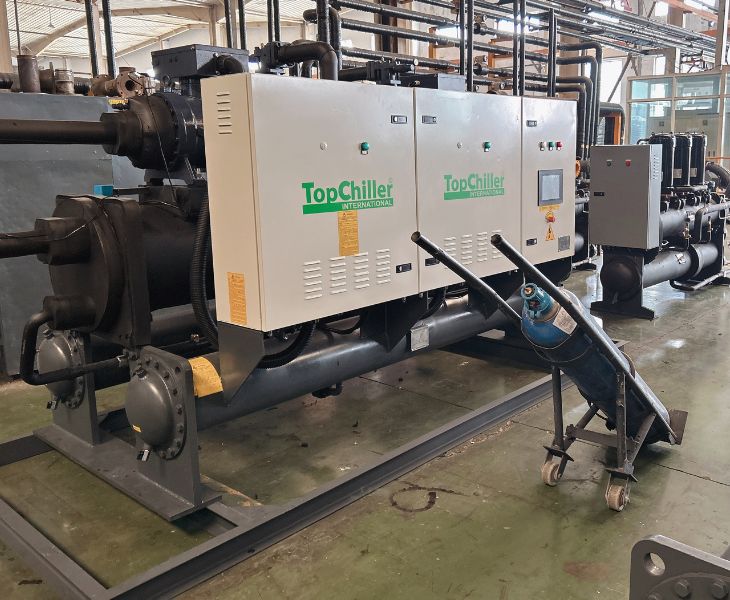
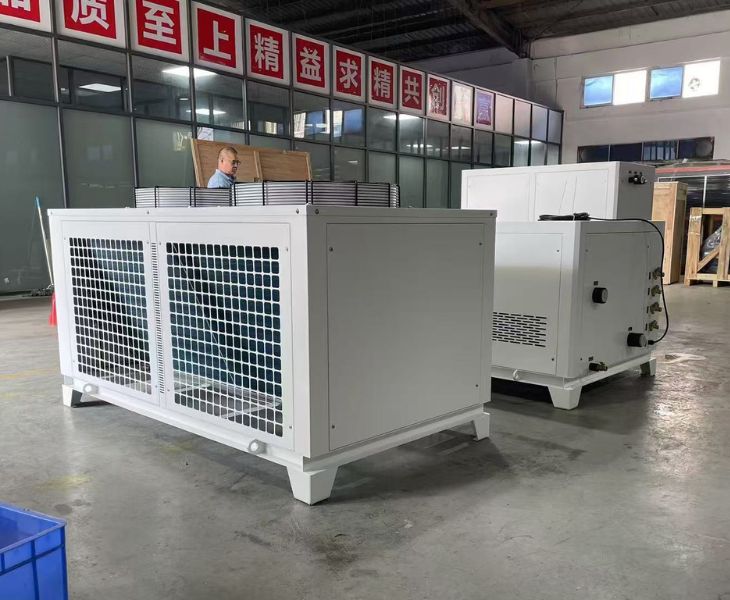
Engineered for Seamless CT System Integration
Chillerone CT chillers employ various intelligent control devices to achieve seamless integration. Standard integration uses BACnet or Modbus to connect with the building management system (BMS) and the scanner console. The scanner can directly monitor the operating conditions of the chiller, including flow rate, pressure, and temperature.
We apply a reinforced frame to ensure it remains integrated and operates normally even during an earthquake. For installation, we provide a split system design. The noisy condenser is placed outdoors, while the compact indoor cabinet is installed in the scanning room or mechanical room to minimize the floor space.
Built for Long-Term, Continuous Operation
Our CT chillers feature round-the-clock reliability throughout the year. We use efficient, sealed scroll compressors for their few moving parts and low vibration. Some CT cooling systems are designed to automatically switch between operating compressors, ensuring uniform wear of components and extending the overall lifespan. The key internal surfaces, including the liquid storage tank, evaporator, and pump system, are typically made of 304 stainless steel or seamless polyethylene to prevent rust and liquid contamination. Besides, we employ machine-bent pipes to largely reduce the number of welding joints, reducing the risk of refrigerant leakage.
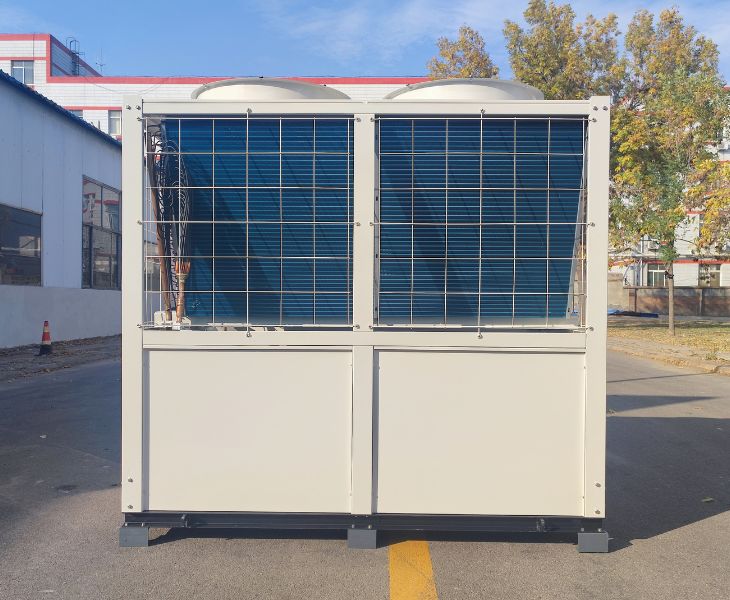
Chillerone—Reliable CT Cooling Solutions Supplier for Global Producers
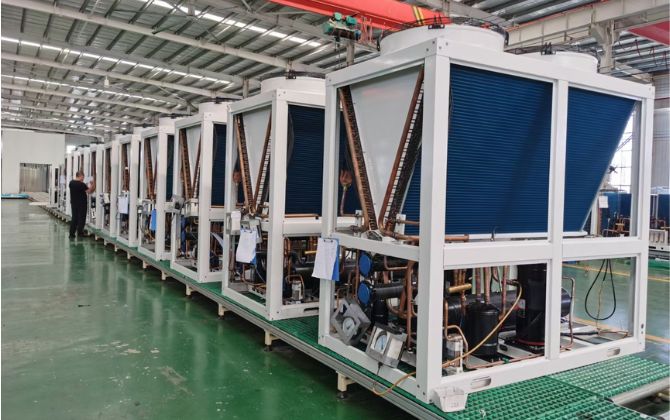
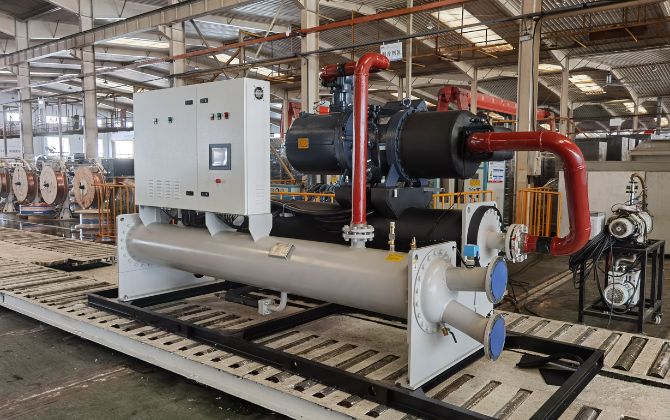
For the past 20 years, Chillerone has been deeply engaged in the industrial refrigeration field, providing precise temperature control solutions to customers in 75 countries around the world. More than 80% of the company’s business is served to the international market. We have broken through the limitations of standard configurations and insisted on conducting customized design and technical support based on the specific working environment and heat dissipation requirements of CT equipment, helping customers improve the operating efficiency of their equipment and ensuring the stability and safety of the imaging system during long-term scanning.
Reliable Certification
Certified to medical-grade norms, our chillers remove heat efficiently to protect critical CT components and ensure diagnostic accuracy.


CT Chiller Applications in Medical Imaging Systems
Our CT cooling solutions are applied in various CT systems to protect key components and can provide controlled cooling for the rack components, X-ray tubes and auxiliary parts, ensuring reliable operation in hospitals, imaging centers and CT repair projects.
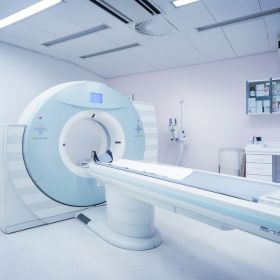
CT chillers can disperse the heat generated by the X-ray tubes, enabling uninterrupted high-throughput scans without “cooling delays”.
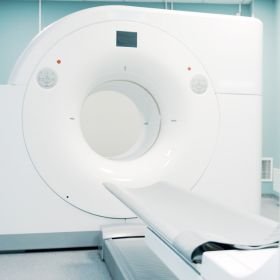
Medical chillers are used to cool gradient coils and helium compressors (which can keep superconducting magnets at low temperatures).
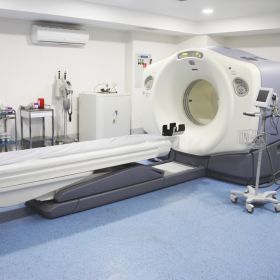
Hybrid systems require more precise cooling as they combine the thermal load of CT with the sensitive detectors of nuclear medicine. So the CT chillers are ideal cooling equipment for it.
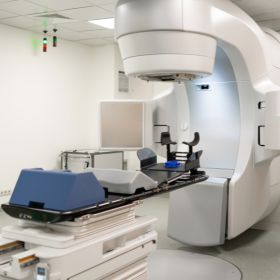
The CT scanner cooling system provides cooling for the excitation tubes and electron guns that produce the radiation beam used for cancer treatment.
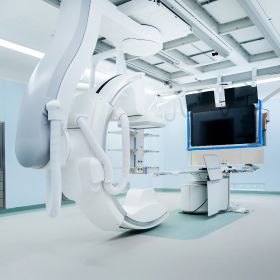
During long-duration interventional procedures, the CT chiller can continuously cool the X-ray tube for several hours, enabling “fluoroscopy” (real-time X-ray imaging) for extended periods.
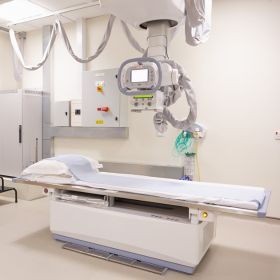
Large emergency rooms use CT chillers to prevent the portable or fixed X-ray ceiling tubes from overheating during peak hours.
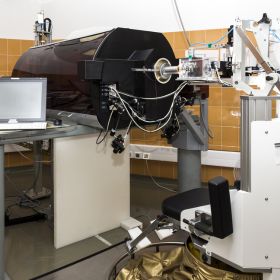
These large systems require industrial-scale coolers to handle the heat generated by the cyclotrons and transmission magnets.
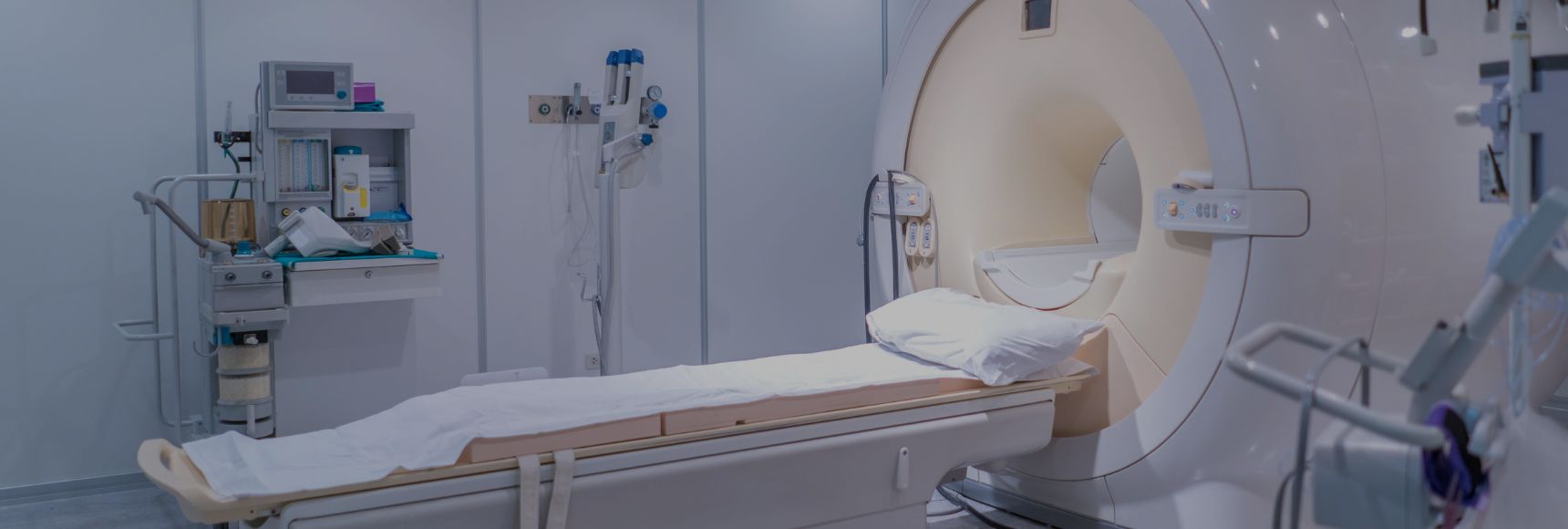
Our chillers are equipped with reliable and industry-proven compressors as well as environmentally friendly refrigerants. The specific configuration can be customized according to local regulations and project requirements.
It is generally not recommended to use standard chillers for CT applications. Our professional CT chillers are designed to achieve an accuracy of ±1°F and are equipped with industrial-grade components to handle the impact caused by the rapid heat surge at the start of CT scans.
Yes. We offer a variety of customization options, including cooling capacity, voltage and frequency, temperature range, flow rate, and interface requirements, to meet the needs of different CT systems and projects.
Most medical chillers are designed to have a lifespan of 15 to 20 years and require regular maintenance. Over time, the accumulation of scale and the aging of the control system are the main reasons for replacing the chiller.
For CT chiller maintenance, we recommend conducting two to four preventive maintenance checks each year, the exact number depending on the environmental conditions in your area. The electrical system should have two maintenance sessions every year, such as cooler cleaning and oil quality analysis.
If the CT chiller is not reaching the set temperature, the reasons may be the following:
- Dust accumulation reduces the heat transfer efficiency.
- Insufficient antifreeze in the reservoir tank prevents the system from meeting the cooling requirements of the scanner.
- Leakage reduces the overall cooling capacity of the chiller.
- Voltage fluctuations may interrupt the circuit of the chiller.
You can check these aspects when there is a problem. We are always here to offer help too.
See the CT Chiller in Action
Watch how the CT chiller delivers stable temperature control, fast cooling response, and reliable performance in real industrial working conditions.
How Does a CT Chiller Work?
The working principle of the CT cooler is to have a cooling liquid, usually a water-ethylene glycol mixture, circulate within the internal components of the scanner to absorb the large amount of heat generated by the X-ray tube during the imaging process. These heated liquids return to the evaporator of the cooler, where they transfer the heat to a special refrigerant; then the refrigerant is pressurized by a compressor and sent to the condenser to release the heat into the environment.
The heat buffer tank manages sudden heat peaks that occur during active scanning. With precise control, the CT chiller ensures that the scanner always remains within its narrow operating range to prevent image defects and equipment damage.
Why Do You Need a CT Chiller?
Without a dedicated CT chiller, even a minor temperature issue could lead to serious imaging problems, unexpected shutdowns, and costly equipment damage.
Overheating and Forced Shutdown
Without a CT chiller, the heat generated by the X-ray tube and the frame cannot be effectively dissipated, which may trigger an overheating alarm. The system automatically shuts down to protect the core components, causing extra downtime.
Imaging Quality Issues
Without CT chillers, there will be a cooling water temperature fluctuation, which can affect the performance of the rack and pipes, leading to Image artifacts or inconsistent scan results.
Accelerated Wear of the X-ray Tube
The X-ray tube operates under the influence of thermal stress, while frequent overheating shortens the lifespan of the tube. This will lead to pipe damage, high replacement costs, and long periods of inoperability.
Incompatibility Issues
If you use common cooling equipment instead of a dedicated CT chiller, there may be Incompatible communication with the CT system. The flow or pressure setting may be incorrect, leading to a long troubleshooting time.
How to Choose a CT Chiller?
When choosing a CT chiller, the cooling capacity is very crucial. It must match the specific heat output of the scanner brand you have chosen. You need to select the appropriate configuration based on the physical limitations of your facility. We have lots of customization options for you. Some features such as automatic city water bypass and dual pump redundancy should also be included to prevent catastrophic downtime and ensure the CT chiller is able to handle the common rapid heat surge. It is necessary to confirm that the control system of the cooler is compatible with your building management system (BMS) for remote monitoring. We also provide the required quarterly preventive maintenance services.
If you are not sure how to make a choice, contact us to get a tailored lab chiller selection guide for you.
How to Determine the Cooling Capacity of the CT Chiller?
To determine the cooling capacity required for the CT chiller, you need a careful CT chiller cooling capacity calculation. First is to determine the peak heat dissipation rate of the X-ray tube and the gantry electronic equipment (which may be found in the original equipment manufacturer’s technical specifications of the scanner).
The steady-state load (the heat generated while idling) and the peak load (the heat surge during active scanning) should be distinguished to ensure the CT chiller can handle the most intensive 3D reconstruction sequences without a temperature spike. Besides, you should also consider environmental factors such as room temperature and the altitude of the facility’s location. Finally, don’t forget to add a 10% to 20% safety margin to account for future scanner upgrades or extreme hot weather, ensuring that the chiller never reaches its absolute mechanical limit.
Considering the complexity and the strict standard of food safety, the best and easiest way is to communicate with our engineering experts, who use professional software and profound experience to precisely calculate the load, ensuring that the final cooling system complies with all operational and regulatory standards.
Our CT Chiller Custom Options
Redundancy & Reliability
- Dual pumps
- Two-to-four compressor setups
- Full capacity redundancy
- Full electrical isolation
- Backup compressor configuration
- Dual-circuit or multi-circuit design
- Auto-changeover redundant pumps
Control System
- BacNet (TCP/IP or Serial)
- Modbus
- PLC or BMS Integration
- MCS microcontroller upgrade option
- Remote monitoring/alerts
- Custom programming
- Digital flowmeters
- Wall-mounted touchscreens
Safety Function
- Power Protection
- City Water Bypass
- Safety switches
- Low-ambient protection
- Fused disconnect
- Circuit breakers
- Low-ambient packages
- Alarm and fault protection
- E-Coat
- Seismic and Fire Protection
Energy Efficiency
- EC condenser fan motors
- Electronic Expansion Valves (EEVs)
- Glycol/Antifreeze systems
- Floating head pressure
- Heat recovery systems
- Pump Variable Frequency Drives (VFDs)
Various Components
- Fluid customization
- Digital flow meters
- Microchannel heat exchangers
- Plate-type heat exchanger
- Stainless steel reservoirs
- Fiberglass reservoirs
- Phase monitor
- Acoustic enclosures


 English
 Spanish
 Arabic
 Vietnamese

