


International Brands We Collaborate With


Features of Chillers for Biogas Chilling and Dehydratio
- Apply corrosion-resistant coatings on the pipe rings.
- Cool the biogas (to nearly 5 °C) to condense and be removed, improving gas purity and protecting downstream equipment.
- Frequency drives (VFDs), energy-saving heat exchangers, and low ambient temperature fan control are adopted to reduce energy consumption.
- The drip trap or condenser automatically discharges the collected liquid.
- Programmable software and the sensors achieve precise temperature control and remote monitoring.
Chillerone—Manufact High-Quality Biogas Chillers for You
Chillerone specializes in the manufacturing of high-performance and highly reliable dedicated biogas coolers, directly addressing the industry challenges of moisture, corrosion and energy consumption. Our biogas chillers are equipped with a fully stainless steel corrosion-resistant core, which can effectively handle hydrogen sulfide and water vapor in biogas, ensuring the long-term stable operation of the equipment. Choose Chillerone, safeguard every step of your biogas purification process.
Types of Biogas Chillers By Cooling Method
Actually, according to different classification standards, biogas chillers can be divided into a lot of categories.

An air-cooled chiller uses the surrounding air to cool the refrigerant. It is relatively simple to install, but its efficiency is low in hot climates.

A water-cooled chiller uses cooling towers or water bodies for cooling. It has a higher efficiency, more suitable for large-scale or continuous production processes.
Types of Biogas Chillers By Configuration / Features
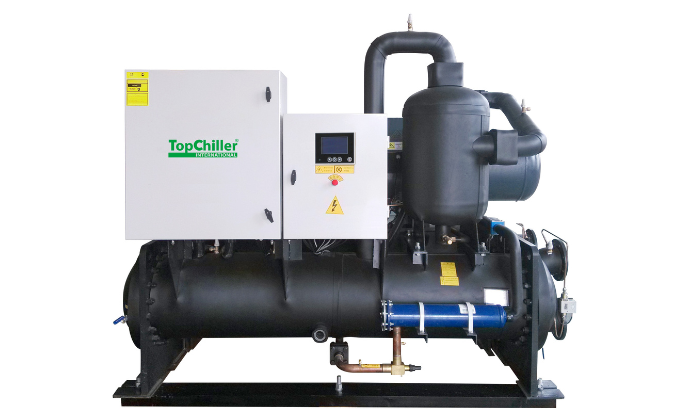
A modular biogas chiller is an independent and pre-assembled cooling system. It is constructed based on a steel frame and integrates a cooler, a pump, pipes and a control system. It is used to cool biogas for purification or power generation. Compared with traditional on-site construction equipment, it has a faster installation speed, higher quality, greater scalability, and is a mobile, plug-and-play solution, suitable for energy projects.
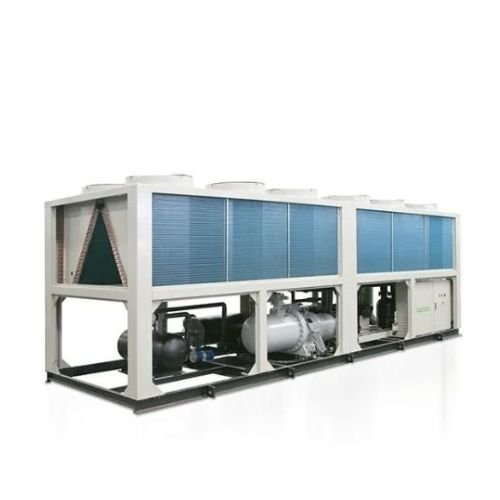
Split systems are composed of the outdoor unit (condenser/compressor) and the indoor unit (evaporator coil/air handling unit, usually integrated with a furnace). They are connected by refrigerant pipes and can achieve efficient heating and cooling of biogas by transferring heat in and out of the building.

A portable biogas chiller is a compact and sturdy cooling device. Usually, it utilizes refrigeration technology to cool the gas and condense the moisture, indispensable for reliable off-grid or distributed energy systems (such as milk cooling systems in farms).
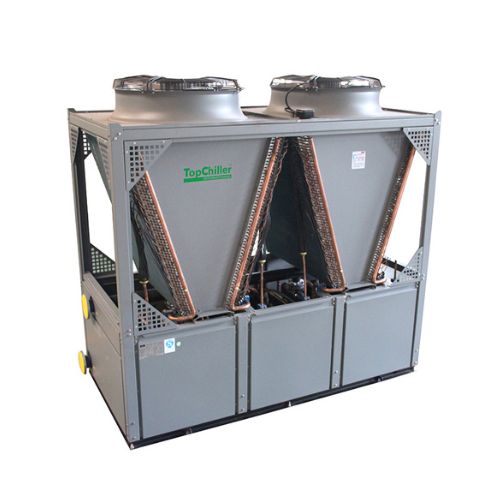
Customized industrial biogas chillers feature a robust structure and use corrosion-resistant materials to adapt to harsh environments. They are customized according to the specific needs of the factory, such as landfill gas, wastewater, or agricultural waste treatment facilities.
Reliable Certification
ISO & CE certified, our biogas chilling and dehydration units meet international norms, ensuring reliable and compliant performance for biogas treatment projects.


Biogas Chillers Uses
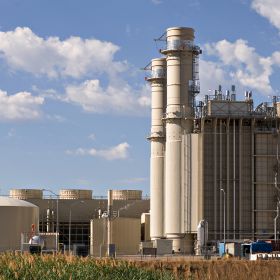
Using biogas chillers to remove the moisture from biogas to prevent corrosion of the power generation unit is a key pre-treatment step before power generation.
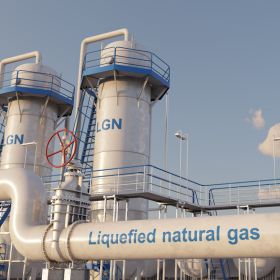
Biogas chillers efficiently remove impurities such as water and carbon dioxide through low-temperature condensation, purifying the biogas to pipeline natural gas or vehicle fuel standards.
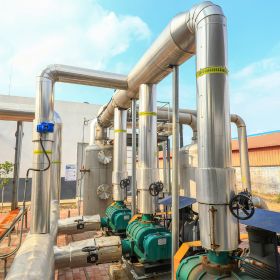
The purified biogas produced by biogas chillers used for power generation, and the waste heat from the generator (such as flue gas and cylinder liner water) is recovered to drive an absorption chiller to produce cold water, providing cooling and heating for buildings or processes.
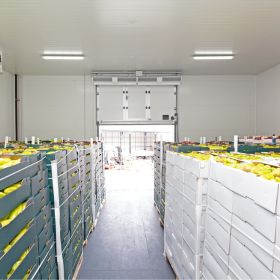
Biogas chillers produce purified biogas that can be refrigerated to drive the absorption refrigeration system, or use the waste heat from power generation for cooling, providing reliable cold storage preservation cold sources for farms, fruit and vegetable warehouses, dairy factories, etc. This is very beneficial in rural areas where without a stable power grid.
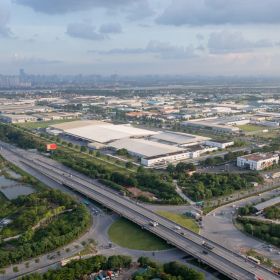
Biogas chillers can be applied in large ecological industrial parks and other scenarios, integrated into a multi-energy production system, simultaneously producing cold, heat, electricity, desalinated water, and even liquid carbon dioxide, etc., achieving the maximum utilization of energy and resources.
See the Biogas Chilling and Dehydratio in Action
Watch how the Biogas Chilling and Dehydratio delivers stable temperature control, fast cooling response, and reliable performance in real industrial working conditions.
Why Does Biogas Upgrading Need Chillers?
The biogas chiller is key equipment in biogas upgrading. The biogas will condense into liquid at normal temperatures, which contains sulfuretted hydrogen, a highly toxic gas that can corrode all metal components, such as pipes, valves, compressors, and gas storage tanks, during the process when biogas flows from the biogas digester to the engine, causing irreversible damage.
What’s more, the newly synthesized biogas contains a large amount of water. The higher the moisture content, the lower its calorific value or heat output. Therefore, the water content affects the heat performance of biogas.
Usually, biogas should be lowered to 5 °C (41 °F) to be put into use. Biogas chillers can highly improve the biogas use ratio. They can rapidly cool the biogas to 2-10°C or even lower. In this low temperature, most of the water vapor in the biogas condenses into liquid waterand is effectively separated and discharged, which lowers the water content and eliminates the potential safety hazards in the system operation. This is one of the most efficient and stable dehydration methods that perfectly ensures the biogas’s heat performance and protects downstream equipment.
Biogas Chillers Operating Principles
The core working principle of biogas chillers is to actively lower the temperature of the biogas through the refrigeration cycle system, causing the water vapor and other impurities contained in it to condense and separate. Core components include the evaporator, compressor, condenser, and expansion valve.
The evaporator is the key component in the system that conducts heat exchange with biogas. The refrigerant evaporates inside the evaporator, absorbing the heat from the biogas flowing outside the tubes, reducing the temperature of the biogas to 2°C to 10°C or even lower. Then the compressor compresses the low-temperature and low-pressure gaseous refrigerant that exits the evaporator into a high-temperature and high-pressure gas, providing power for the refrigeration cycle. In the condenser, the high-temperature and high-pressure refrigerant gas releases heat to the outside and condenses into a high-pressure and normal-temperature liquid. Finally, the expansion valve throttles the high-pressure refrigerant, causing a sudden pressure drop and transforming it into a low-temperature and low-pressure moist vapor, preparing it for absorbing heat again as it enters the evaporator.
Biogas Chillers Advantages
Biogas purification
Biogas chillers cool the biogas, causing water vapor to condense and be removed, thereby generating a drier and higher calorific value gas, which is conducive to more complete combustion, thus achieving a better heat performance.
Synergistic decarbonization
The deep cool caused by biogas chillers can directly condense or sublimate to remove CO₂, or significantly increase the solubility of CO₂ in processes such as high-pressure water washing, improving the purity of methane.
Equipment protection
Biogas chillers remove moisture and corrosive substances to prevent damage to downstream equipment such as engines, turbines, and pipelines, extending the system’s service life and lowering the life cycle cost.
Energy efficiency
Biogas chiller systems operate directly using biogas, which is inherently very efficient, potentially reducing power costs and maximizing the value of the generated biogas.
Reliability and low maintenance
Chillerone provides biogas chillers that are especially designed for harsh environments, which can operate 24/7 continuously. They have extremely low maintenance requirements that only need to replace a small amount of lubricating oil, ensuring your industrial production functions and achieves zero downtime.
Cost saving
Biogas chillers can reduce reliance on electricity, avoiding peak-hour electricity bills, and being able to integrate with combined cooling, heating and power (CCHP) systems to achieve maximum energy efficiency.
Environmentally friendly
Biogas chillers use organic waste for cooling and power generation, which can reduce greenhouse gas emissions and provide sustainable energy solutions. Besides, biogas chillers produce high-purity and high-calorific-value biogas that can directly replace fossil natural gas and achieve carbon reduction.
Tips for Using Biogas Chillers
Some points need to be paid attention to when using biogas chillers to ensure their working efficiency.
- Keep the propylene glycol content in 35%-40% to ensure freeze protection and efficiency.
- Clean condensers regularly for optimal airflow and heat transfer.
- It is useful to install a 20-mesh wye strainer on the return line to isolate contaminants, preventing damage to the heat exchanger.
- Temperature settings should match the current load to avoid overcooling or overheating.
How to Choose a Reliable Biogas Chillers Supplier?
When choosing a biogas chiller supplier, you need to comprehensively consider its
- Technical and industry experience (How many years of experience does the supplier have in the biogas treatment industry? Are there any targeted technical solutions and successful cases?)
- Quality and certification (reliability, durability and compliance)
- Customization and after-sales support (Can a customized solution be provided based on your biogas composition and flow rate? Could you provide clear technical documents, rapid response and spare parts supply?)
- Long-term cooperation ability (Is the company’s financial situation healthy? Can its production capacity be expanded according to the requirements of your project?).
Why Choose Chillerone?
Chillerone is an experienced chiller manufacturer, with all technicians having over 10 years of experience in the design and manufacture of water chillers.
Our advantages
- Exclusive customization: We can customize the cold capacity of biogas chillers according to your needs, from 0.8kW (0.2 t) to 1750kW (550 t).
- Competitive price: Our chillers are always cost-effective by comparison, with high quality that exceeds industry standards.
- Quick quotation: You can get the quotation from us in just a few hours.
- 24/7 Consulting Services: We provide 24/7 consulting services to ensure immediate support. Welcome to your contact at any time!
- Outstanding after-sales service: We offer a 24-month warranty period, which can be extended to 5 years. During the warranty period, our team will solve any problems and defects of the chiller for free.
- Compliance: All of our chillers have professional certifications such as CE, ISO 9001, reliability certification, and test reports. Our expert engineers also follow the international standard industry norms, significantly enhancing the efficiency of the engine.
Most biogas chillers are made of stainless steel to resist corrosion, especially components in contact with biogas, such as the pre-cooling heat exchanger. Chillerone biogas chillers are made of 316 stainless steel, which is highly corrosion-resistant, ensuring durability.
The main difference lies in the treatment medium and materials: The biogas cooler is specifically designed to handle biogas containing corrosive components (such as H₂S). Its core contact components such as heat exchangers must be made of corrosion-resistant materials like stainless steel, and the design must comply with safety standards such as explosion prevention.
The core function of biogas chillers is dehydration. In the deep cooling process, it can simultaneously remove some impurities such as carbon dioxide and siloxane, improve the purity of methane, and serve high-end applications.
Daily maintenance of biogas chillers includes regularly draining and cleaning the condensate, cleaning the surface of the heat exchanger, checking the sealing and pressure of the refrigeration system, calibrating the sensors, and following the regular maintenance plan formulated by the manufacturer.
The variable-frequency driven compressor can automatically adjust the cooling capacity according to the biogas flow rate, which is highly efficient and energy-saving, and is very suitable for scenarios with large flow fluctuations. You can contact us, and our professional group can provide an appropriate adjustment solution.


 English
 Spanish
 Arabic
 Vietnamese

