

Chiller Solution to Match Dairy Processing Brand












Industrial Dairy Milk Chillers Built for Your Dairy Operation
- Rapidly cools raw milk to ≤4°C within the industry-required time.
- Maintains milk temperature within ±0.5°C or even more precisely.
- Optimized compressor and heat exchanger design reduces energy consumption.
- Automatically adjust the cooling output to avoid unnecessary power consumption.
- All parts are made of food-grade stainless steel
- Fully compatible with CIP cleaning systems.
What is a Milk Chiller for a Dairy Farm?
Specifically designed for dairy operations, a milk chiller is a professional-grade refrigeration system. The main function is to quickly remove the heat of the milk and hold it at a stable, low temperature. This process is essential for preserving the milk’s safety and extending its shelf life. The basic refrigeration cycle consists of an evaporator, compressor, condenser, and expansion valve. Chillerone dairy milk chillers can rapidly cool the fresh milk from the cows to a safe storage temperature, typically within the range of 1°C to 4°C. By rapidly reducing the temperature, the milk cooling system effectively inhibits the development of harmful bacteria, preserving milk’s organoleptic properties and nutritional value, and keeping it in optimal condition for subsequent transport and processing.
Milk Chiller Options Designed for Different Dairy Operations
Dairy milk chillers are primarily categorized by their cooling method. We have manufactured a variety of milk chillers to provide effective milk preservation and handling capabilities suitable for a range of farming scales.
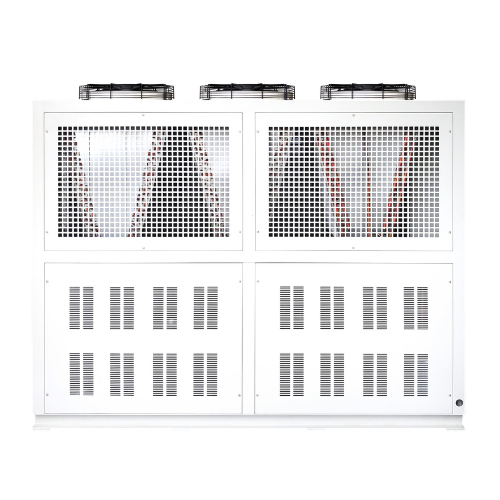
Adopt a compact integrated design. Combine the milk chiller with the storage tank into one unit, resulting in simplified installation and operation procedures.
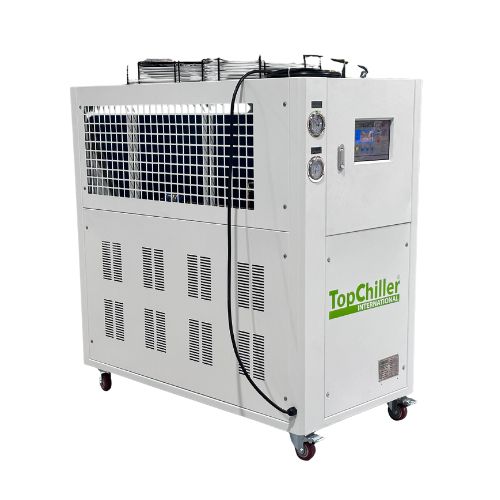
Integrates the cooling unit, milk storage unit, and control system into a mobile container. Provide a reliable milk cooling solution for places lacking robust infrastructure.
Why Choose Chillerone Dairy Milk Chillers?
From post-milking cooling to stable cold storage, each feature of our dairy milk chiller is engineered around real dairy operating conditions.

Use a high-capacity direct expansion (DX) to cool milk quickly from body temperature (approximately 37°C) to 4°C.

±0.5°C precision control sustained even through peak milking periods.

Provide high-efficiency compressors, variable frequency drives (VFD) on water pumps, and heat recovery units.

Use food-grade stainless steel (AISI 304 or 316) with smooth, non-porous interior surfaces and rounded corners.

Double-walled design with high-density, CFC-free polyurethane foam insulation between the inner and outer tanks.

Allows real-time monitoring with a digital control panel, display screen, and data recording function.

Equipped with a mechanical stirring system that gently mixes the milk periodically.

Clean-In-Place systems use hot water and cleaning agents to clean and disinfect automatically.

Built-in safety features for overload protection, low-level indicators, and alarm systems for temperature deviations or malfunctions.

Industrial screw compressors, scroll compressors, tanks, tubes, fittings, and other electrical components for long-term stable operation.

Available in a wide range of sizes, from 100-liter open-top tanks for small farms to over 10,000-liter vertical silos for large operations.

Easily integrates with milk tanks, plate coolers, and your existing milking systems.
Rapid and Stable Cooling for Zero Spoilage Risk
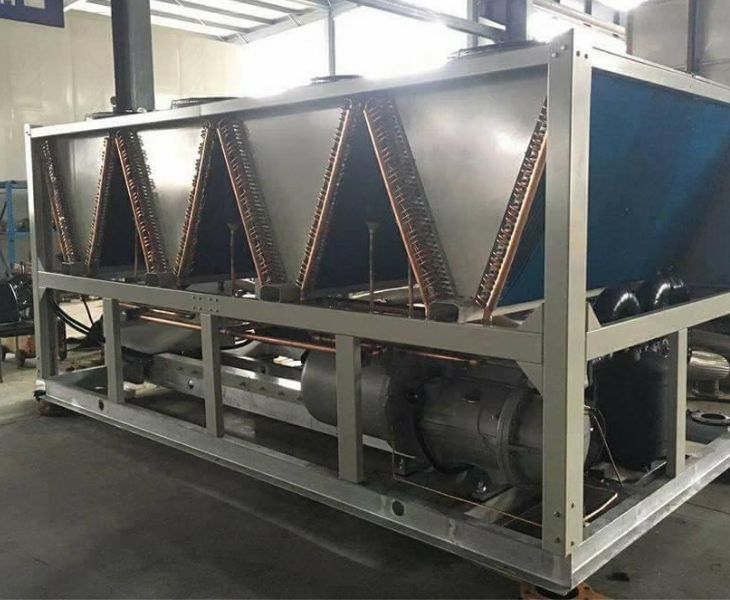
Chillerone dairy milk chillers are equipped with high-efficiency evaporators. The refrigerant is circulated through a cooling jacket to maximize the surface area for efficient and rapid heat transfer from the milk. Direct expansion systems cool the milk directly, while glycol systems use a circulating cold glycol mixture. Besides, to ensure stability, we adopt a double-layer structure, with high-density polyurethane foam insulation material filled inside, which minimizes the heat input from the surrounding environment, maintaining a stable low-temperature state with the least energy consumption. Inside the tank, there is a regularly operating mechanical stirrer to ensure that the entire volume of milk is cooled uniformly.
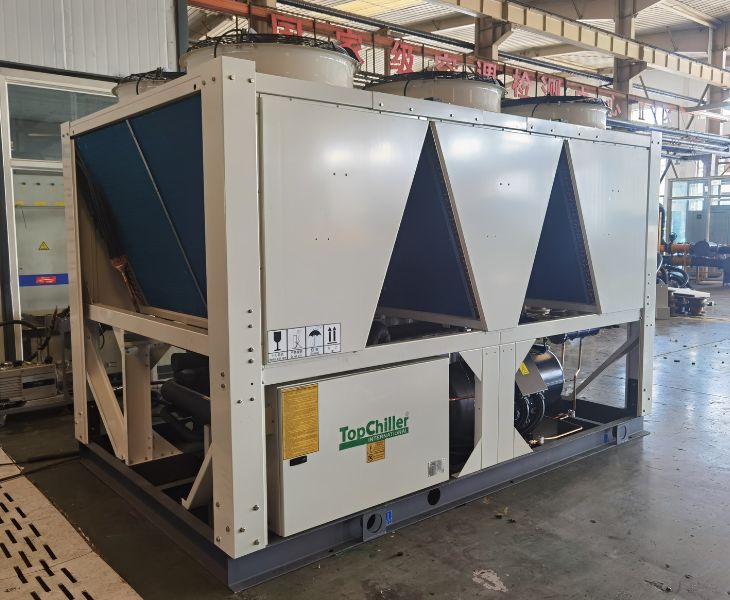
Optimized Energy Consumption for Industrial Dairy Operation
To achieve a lower energy consumption, Chillerone dairy milk chillers use advanced plate-type heat exchangers to pre-cool the milk before it reaches the main refrigeration tank. The refrigeration heat recovery (RHR) system collects the heat produced during the condensation stage of the refrigeration cycle.
What’s more, our modern dairy milk chillers are equipped with more efficient components, such as advanced new screw compressors and variable speed drives (VSDs), and Integrated IoT-based monitoring systems and automation allow for precise control of the cooling process.
Food-Grade Design for Dairy Compliance
Our dairy milk chillers are strictly designed to align with regulations set by bodies like the FDA in the US via the Pasteurized Milk Ordinance (PMO), which dictates standards for producing high-quality, safe milk. We use food-grade stainless steel like AISI 304 or 316, which have no pores, are corrosion-resistant, and have stable chemical properties. The internal surface of our tank is mechanically polished to achieve a smooth surface, with an average roughness of 32 Ra (Roughness average) or better. All internal welds are polished and finished. Furthermore, our chillers are equipped with the CIP system to automatically cycle hot water, detergents, and sanitizing agents at specific pressures and durations.
Chillerone | Global Supplier of Dairy Milk Chilling Solutions
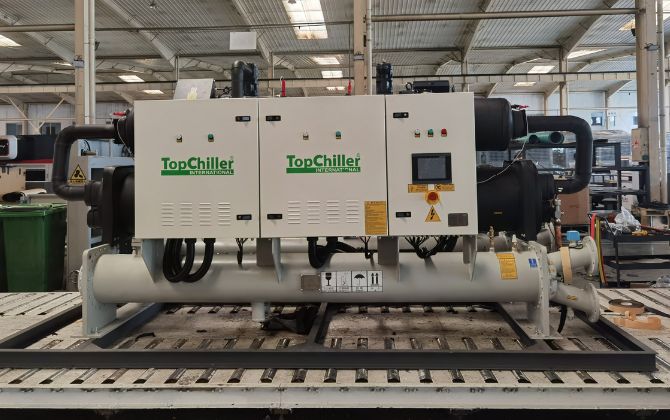
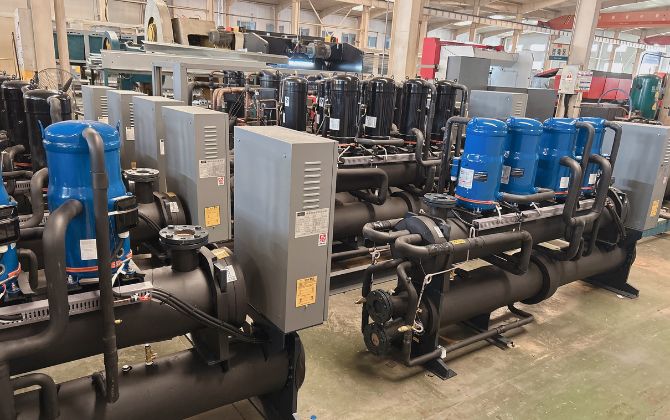
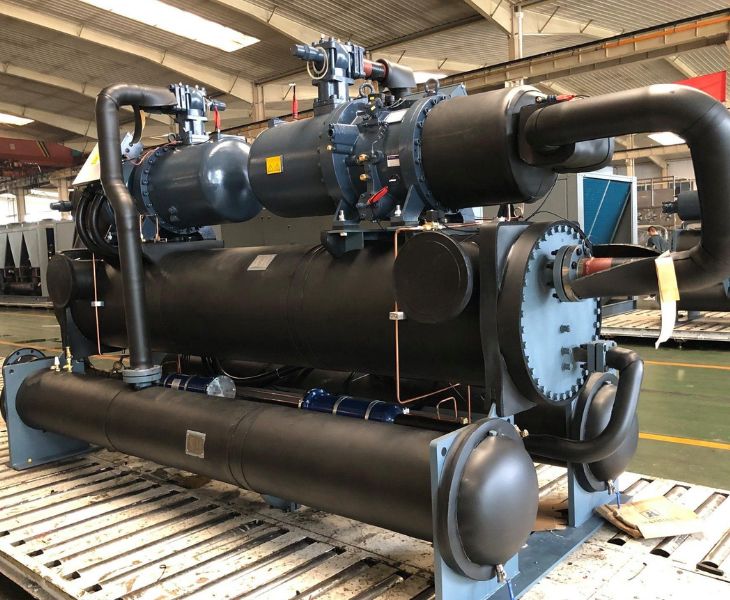
With two decades of specialization in chiller manufacturing, Chillerone supplies dairy milk chiller systems to customers in more than 75 countries, with over 80% serving international markets. From initial system design to comprehensive after-sales support, we provide dairy milk chiller solutions tailored to your actual processing conditions, not just standard configurations. help you achieve greater operational efficiency and reliable food safety in high-volume milk processing.
Reliable Certification
With complete global certifications, our dairy milk chiller features precise cooling capacity and works steadily for large-scale milk production and preservation.


Milk Cooling Applications from Farm to Processing
Designed to support every critical stage of raw milk handling, each application of our milk chillers focuses on fast, hygienic, and stable cooling.
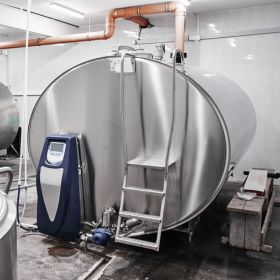
The most typical application. Cool the milk rapidly after milking to a safe temperature and store it in large-capacity tanks until collected by tanker trucks.
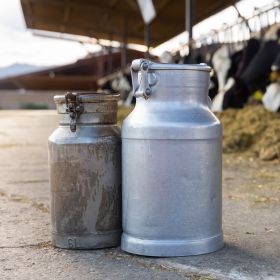
Areas where milk is collected from multiple small-scale farmers use chillers to consolidate and maintain milk’s temperature before being sent to large processing plants.
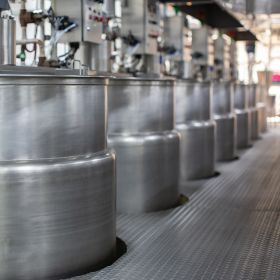
Support continuous operation and centralized cooling. Help the cooperative maintain consistent milk quality among multiple suppliers.
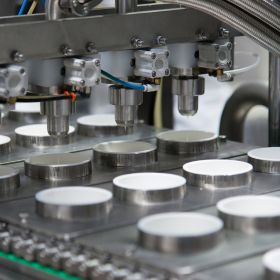
Dairy milk chillers can be used for post-pasteurization cooling, holding tanks, and product-specific cooling (cheese, yogurt, butter, etc.).
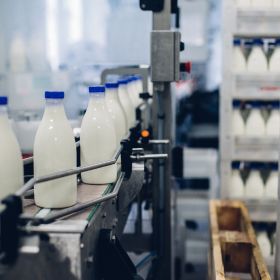
Dairy milk chillers help maintain the temperature of milk on filling and packaging lines to ensure extended shelf life.
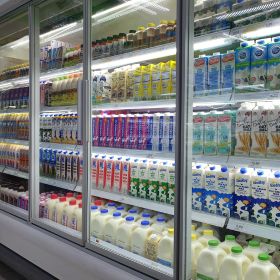
Hotels, restaurants, and other large institutions with a high daily demand for milk use small milk chillers for hygienic and safe storage.
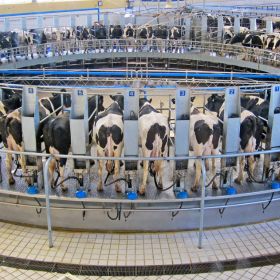
Daily milk chillers can be compatible with automated and robotic milking systems to achieve continuous milk collection.
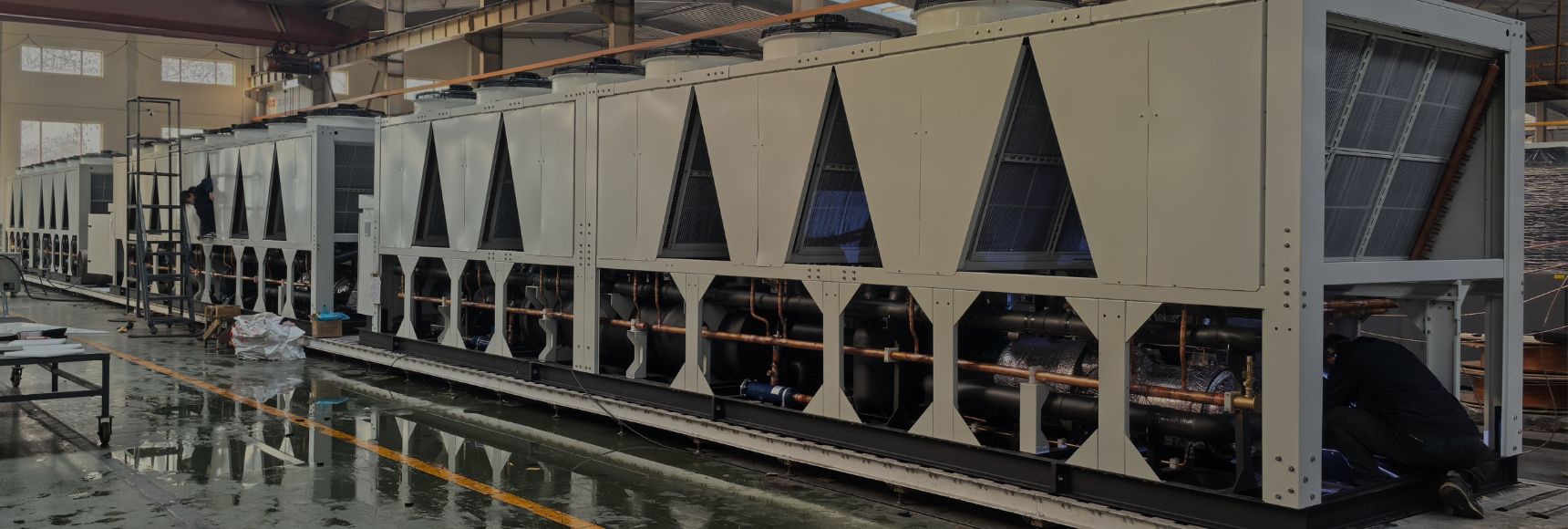
According to the FDA’s Pasteurized Milk Ordinance (PMO), milk must be cooled to 45°F or less within two hours after the beginning of milking. Actually, most modern industrial standards require cooling to 38°F-40°F to ensure zero bacterial growth. Chillerone dairy milk chillers can ensure the cooling speed and temperature that reach your requirements.
Yes. The key is to choose appropriate components and system configurations. We have milk chilling systems that are specially designed for handling hot climates. We achieve this by employing water-cooled condensers, which can provide a more stable cooling effect in extremely hot environments. And we use a plate cooler to pre-cool the milk and precision misting systems to drop the air temperature.
Yes. Our milk cooling systems are designed to be seamlessly integrated with your existing dairy equipment and pipelines, and we offer diverse cooling solutions that are applicable to all milking systems
Milk stone is a mineral deposit that harbors bacteria. The CIP system in our dairy milk chillers can prevent the formation of milkstone by pre-rinsing (rinsing with warm water to remove loose solid substances), alkaline washing (removing fat and protein), and acid rinsing (removing mineral deposits).
Chillerone dairy milk chillers are designed to minimize the potential accumulation of milk residues in the dead corners. All the pipes and components in contact with milk have smooth inner surfaces and optimized flow channel designs to reduce stagnation. And the CIP system enables the cleaning solution to fully circulate throughout the milk circulation system. If operated properly and cleaned appropriately, the possibility of residual milk in the system will be effectively reduced.
Our high-quality milk tanks are insulated with high-density polyurethane foam, achieving a good insulation effect. If the lid keeps closed, within 24 hours, the temperature difference is usually less than 1 to 2 degrees.
Our milk cooling system is designed for easy installation and comes with detailed user instructions as well as remote technical support services. We also provide site instruction.
Yes, we adopt the modular chiller design. Based on the projected increase in milk production, our milk cooling system can be scaled up by adding cooling modules, increasing the capacity of the coolers, or connecting additional milk tanks. By considering future expansion during the initial design phase, you can avoid costly system replacements and ensure flexibility for long-term operations.
See the Dairy Milk Chiller in Action
Watch how the dairy milk chiller delivers stable temperature control, fast cooling response, and reliable performance in real industrial working conditions.
Dairy Milk Chiller Operation Principle
The operations of the Direct Expansion and Ice Bank milk chillers differ.
Direct Expansion
The refrigerant directly enters the jacket (evaporator) of the milk storage tank and directly absorbs the heat from the milk.
The structure is simple, the installation cost is low, and there are few energy conversion links, making it efficient for small and medium-sized farms. However, the large-power compressors must be operated during milking, which imposes high demands on the power grid. If the milk production is too low, there is a risk of freezing at the bottom.
Ice Bank
During the idle time when milk collection is not taking place, the compressor will operate slowly, freezing the water in the water tank into thick ice blocks. When milk collection begins, the system will circulate the ice water. This ice water quickly absorbs the heat from the milk through the plate heat exchanger or the outer shell of the water tank. The cooling speed is extremely fast.
The power of the compressor is relatively low, and it operates smoothly, thus having a longer service life. There is no risk of milk freezing. However, it is quite large in size, so a water tank is required. The installation cost is high, and due to the secondary heat exchange, there will be energy loss.
Why Do You Need a Dairy Milk Chiller?
Rapid Bacterial Growth
The temperature of fresh raw milk in the cow’s body is approximately 35 to 37 degrees Celsius. Bacteria will multiply rapidly within the first few hours. Without a professional milk chiller, the bacterial content becomes excessive, and the milk may begin to deteriorate even before it reaches the storage tank.
Unstable Milk Quality
Compared to an automatic chiller, manual or temporary cooling methods can cause temperature fluctuations. Milk will heat up again during storage or transportation, leading to inconsistent stability of fat and protein.
Hygiene Problems
Without a milk cooling system, it is difficult to control the critical cooling time because there is no traceable temperature record. This may lead to a failure of hygiene inspection and restrict market access.
Higher Operating Costs
The low cooling efficiency caused by the lack of a dairy chiller will extend the operation time. The frequent maintenance or temporary repairs can lead to a higher cost per liter of milk and uncertain expenditures. So the return on investment is poor in the long run.
How to Choose the Right Dairy Milk Chiller?
Selecting the appropriate milk cooler requires comprehensive consideration of several key factors. These include choosing a storage capacity with sufficient buffer space based on your maximum daily production, selecting a cooling technology based on operational scale and energy efficiency requirements, and ensuring the use of durable food-grade stainless steel materials and a design that is easy to maintain. You also need to evaluate energy efficiency, installation space requirements, and compliance with regulatory standards to ensure that the selected equipment can economically and efficiently maintain milk quality and safety in the long term.
In detail, it’s necessary to comprehensively consider the cooling capacity, system types, cooling technology, energy efficiency, durability, material, installation, maintenance, and regulatory compliance.
If you are not sure how to make a choice, contact us to get a tailored recommendation for your plant.
How to Determine the Size of the Dairy Milk Chiller?
To determine the appropriate size for a dairy milk chiller, you need to know your daily milk production volume, the desired cooling rate, and the temperature differential required. The most crucial factor is to ensure that the milk storage tank has a large enough capacity while also leaving some buffer space to accommodate fluctuations in production.
The general formula to calculate the required heat removal is: Flow Rate × 8.33 (lbs/gallon) × Specific Heat of Milk × Temperature Difference. Then increase the result by 20% as a safety factor to account for ambient conditions and other heat loads.
Given the complexity involved and the significant impact on food safety, the best and easiest way is to communicate with our engineering experts, who will use advanced software and detailed process information to accurately calculate the load and ensure that the final system complies with all operational and regulatory standards.
Our Dairy Milk Chiller Custom Options
Redundancy & Reliability
- Full capacity redundancy
- Full electrical isolation
- Backup compressor configuration
- Dual-circuit or multi-circuit design
- Auto-changeover redundant pumps
Control System
- PLC or intelligent controller
- MCS microcontroller upgrade option
- Real-time temperature monitoring
- Circulating Tank
- Six-level capacity control
Safety Function
- Low-ambient protection
- Fused disconnect
- Circuit breakers
- Corrosive environments
- Alarm and fault protection
Energy Efficiency
- EC condenser fan motors
- Electronic expansion valves (EEVs)
- Glycol economizer
- Floating head pressure
- Heat reclaim options
- Pump variable frequency drive (VFD)
Various Components
- Digital flow meters
- Plate-type dairy heat exchanger
- Long-draw system add-on
- Phase monitor


 English
 Spanish
 Arabic
 Vietnamese

