

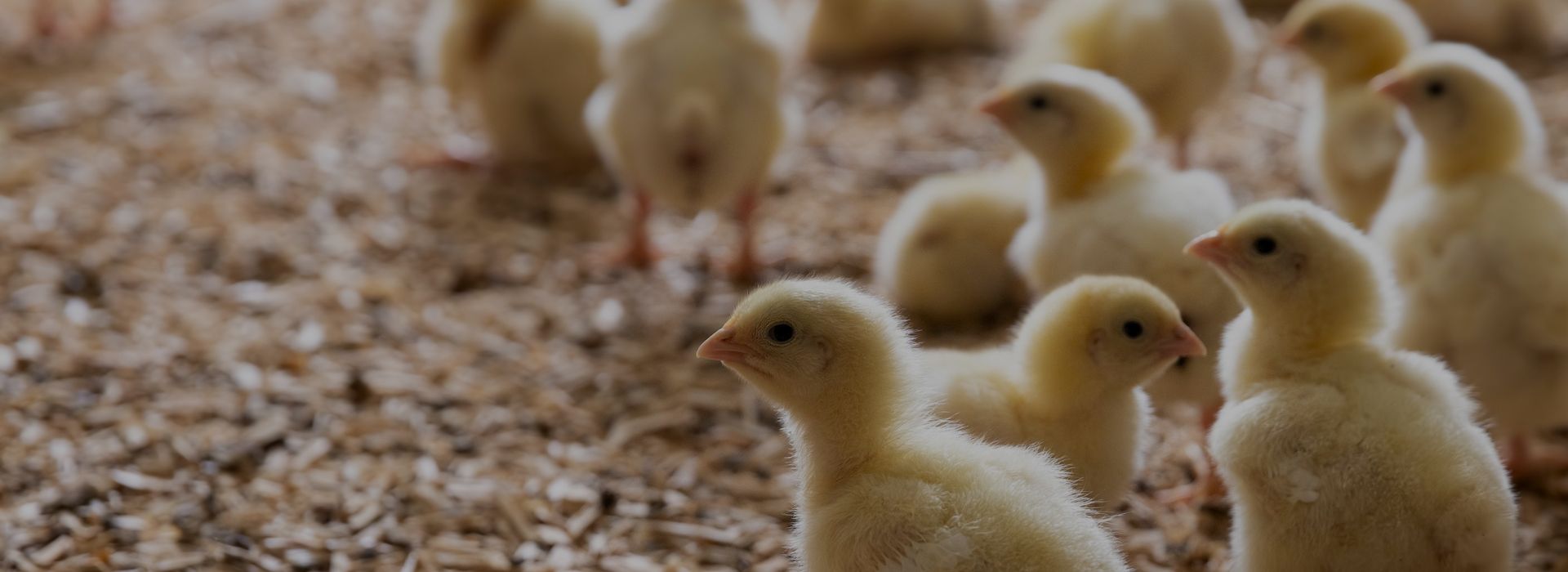
Chiller Solution to Match Poultry Processing Brand












Chillerone Poultry Chillers—Chilling Solutions for Your High Production Efficiency
- Ensure fast and uniform temperature control during carcass processing.
- Made of food-grade stainless steel material, sanitary and easy to clean.
- Customized design based on your production line capacity.
- Capable of a 24-hour non-stop poultry processing environment.
- Stable operation under peak production loads.
What is a Poultry Chiller?
A poultry chiller is an industrial cooling equipment used in commercial poultry processing procedures. It rapidly reduces the temperature of the freshly processed poultry carcasses to below 40°F, inhibiting the growth of harmful bacteria and maintaining the quality and shelf life of the meat.
The main function of a poultry chiller is to rapidly reduce the internal temperature of the poultry carcass from approximately 104°F to between 28°F and 40°F, which is crucial in ensuring food safety.
Choose the Suitable Poultry Chiller Type for Your Processing Line
Wrong poultry cooling may limit the production capacity of the production line and increase operating costs. This is why we offer various types of poultry chillers.
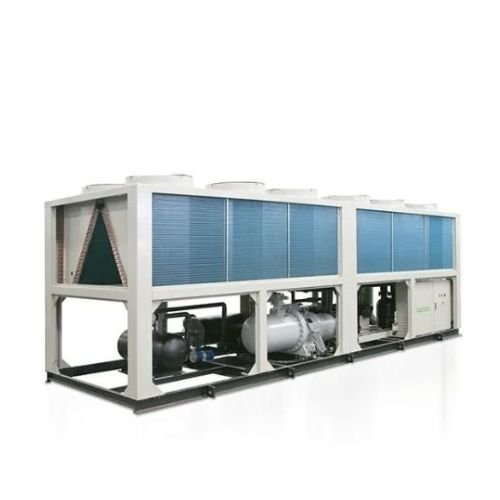
An independent cooling unit that provides cooling capacity for a specific processing area.
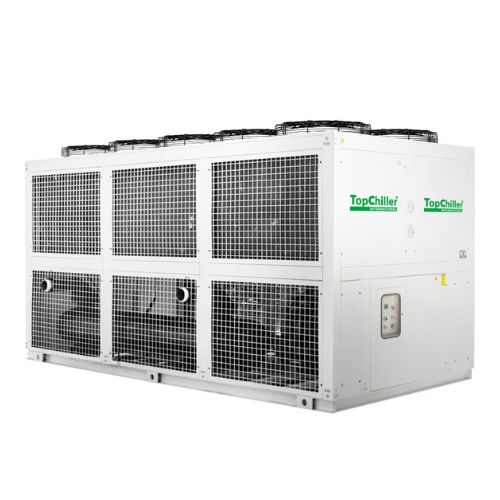
A centralized cooling system transports cooling water or air to multiple cooling points and is commonly used in integrated poultry processing facilities.
Advantages of Our Poultry Chillers
As a direct manufacturer, our poultry chiller combines efficient chilling performance with hygienic design and reliable long-term operation.

Minimize the difference between the surface and center temperatures, and prevent temperature fluctuations.

Specially designed based on your birds per hour, carcass weight, and processing time.

Reliable performance throughout long periods of peak production.

Employs full food-grade stainless steel construction (SUS 304 / 316). Ensure smooth internal surfaces.

Meet the hygiene requirements of modern poultry processing. Supports HACCP-based food safety management systems.

Optimized heat exchange efficiency and capacity reduce unnecessary energy consumption during operation.

Keep reliable performance in demanding processing environments, even for continuous heavy-duty operation.

Shorter installation and commissioning time. Smooth integration with your existing poultry processing equipment.
Stable Performance Under Peak Loads
When designing the poultry chiller, we leave sufficient safety margins, including the maximum heat load beyond expectations to handle peak loads. The modular chiller design also allows processing personnel to add components to adapt to future changes in production line speed or output, which ensures future expansion.
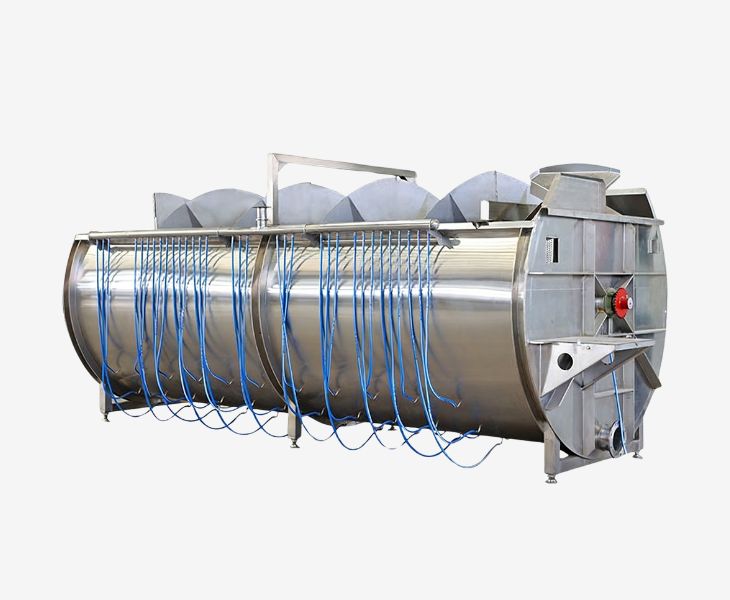
Our system employs mechanisms such as air agitation or water jets to ensure thorough mixing of water in the immersion poultry chiller. This continuous movement breaks the “thermal layer” phenomenon and optimizes the heat transfer from warm poultry to cold water, thereby maximizing the cooling speed. Some of our poultry cooling systems use thermal energy storage (TES) solutions to handle sudden surges in demand.
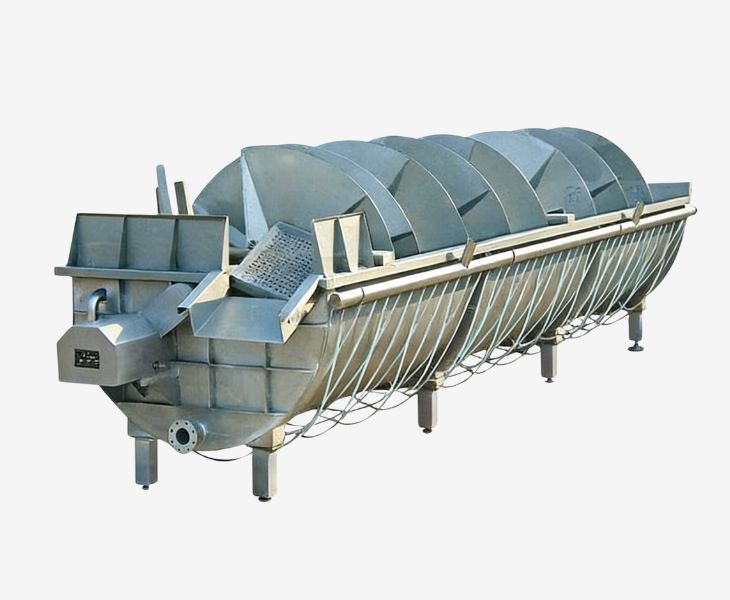
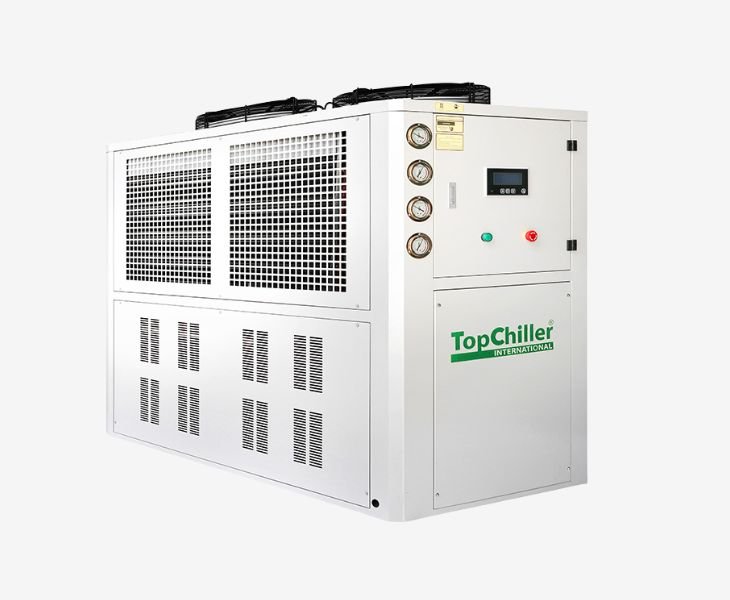
Optimized Cooling Efficiency Per Unit of Poultry Production
To achieve the optimal cooling efficiency, we apply submerged cooling technology in our poultry chillers because water is a more efficient heat conductor than air. In the submerged poultry chiller, the water is continuously and vigorously stirred by a fan or water jet. This movement ensures uniform water temperature throughout the system and prevents the formation of a warm layer around the poultry, which would slow down the cooling process. Besides, our poultry chillers adopt a modular and zoned design to customize the cooling process according to the current temperature of the birds and specific product goals. In addition, we use advanced components such as automated temperature and flow control sensors, variable speed drive units, targeted spray systems, etc.
Hygienic Design for Food Safety Control
Chillerone poultry chillers use corrosion-resistant materials like 300 series stainless steel and specific non-absorbent plastics (such as UHMW and HDPE) to resist degradation from the product, environment, and harsh cleaning chemicals. The surfaces of our poultry chillers in contact with food are carefully polished to be smooth and free of pores, without any pits, cracks, or gaps, to prevent bacterial attachment, and they are equipped with self-draining functionality to prevent water accumulation or the accumulation of product residues. To achieve easier cleaning, we also apply disassemble-convenient equipment components and automatic cleaning in place (CIP) systems.
Chillerone—A Global Poultry Chiller Manufacturer You Can Rely On
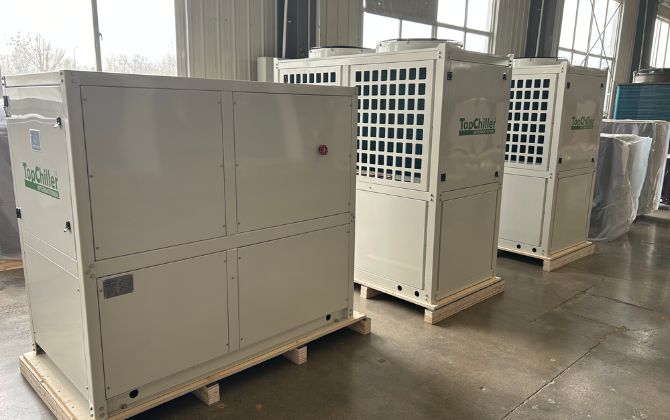

With over 20 years of experience in chiller manufacturing, Chillerone has earned the trust of customers in more than 75 countries worldwide. Over 80% of our poultry chiller systems are supplied to overseas markets, supporting modern poultry slaughter and processing operations worldwide. From system design to after-sales support, we provide poultry chiller solutions designed around your real processing conditions rather than standard configurations, help improve your operational efficiency, and safeguard food safety during high-volume, continuous production.
Reliable Certification
Designed to meet global hygiene and HACCP regulations, these units rapidly lower carcass temperatures to inhibit bacterial growth, ensuring premium quality for processing plants.


Applications of Poultry Chillers for Slaughterhouses and Processing Facilities
Designed to achieve rapid, uniform, and hygienic cooling of carcasses, our poultry cooling equipment can be applied at all stages of the poultry processing process.
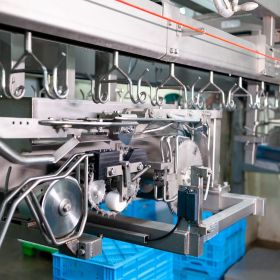
The poultry is put into immediate use after poultry slaughter, capable of rapidly reducing the temperature of meat pieces to meet food safety requirements.
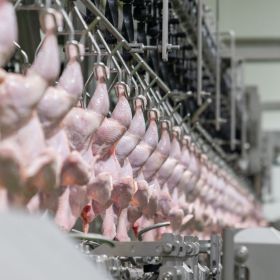
The widest usage of a poultry chiller is to cool the whole carcasses of chickens to 40°F or lower, and the cooling process is completed within the specified time.
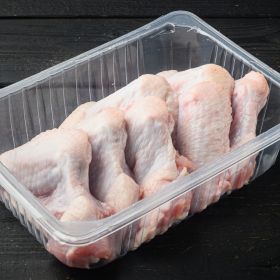
Smaller auxiliary poultry cooling systems can be used to cool specific parts or internal organs before further processing or packaging.
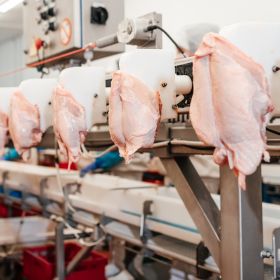
Cooling is the first step in the aging process, which is crucial for the normal decrease in pH value in meat, ensuring the tenderness and overall quality of the meat.
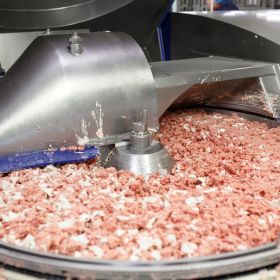
In further processing, the poultry chiller helps maintain a constant temperature during cutting, grinding, or mixing of meat pieces to control microbial growth and maintain the texture of the meat.
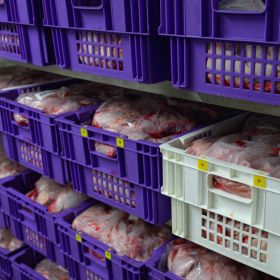
Some processors use ice or specialized systems to maintain the cold chain during distribution, so a poultry chiller is necessary.
This standard may vary depending on different regions and product types. The USDA Food Safety and Inspection Service (FSIS) requires that poultry be cooled to 40°F or lower within a certain period (usually 4 hours) after slaughter.
No. The raw poultry itself is not sterile, and the processing carried out in accordance with regulatory requirements can minimize but not completely eliminate the harmful bacteria on raw poultry products. To prevent these bacteria from growing to unsafe levels, it’s highly recommended that you use poultry chillers to achieve proper cooling.
Yes. We will customize the system layout and import and export connection methods, as well as the cooling capacity according to your production line requirements. Our engineering team will guide installation and commissioning to ensure a smooth and stable operation process, minimizing interference to the production line.
Actually, both air and immersion chilling can effectively reduce the bacterial count to a safe level when properly managed according to food safety protocols (such as HACCP plans). The air chilling can minimize cross-contamination by cooling the poultry separately. The immersion chilling uses antibacterial agents, fresh water overflow, and counter-flow systems to ensure safety.
Air cooling takes a longer time, up to 3.5 hours, while water immersion cooling only takes 50 minutes, and it usually requires more energy to maintain a large low-temperature environment, so there are extra time and energy costs.
See the Poultry Chiller in Action
Watch how the poultry chiller delivers stable temperature control, fast cooling response, and reliable performance in real industrial working conditions.
Why You Need a Poultry Chiller
Explore the problems that may occur without a poultry chiller.
Uneven Carcass Cooling
Without a professional poultry chiller, the cooling speed of your poultry is uneven, which may cause a large temperature difference inside and outside, leading to potential food safety hazards.
Inconsistent Product Quality
Without a stable cooling system, the moisture retention and texture of the meat are unstable, causing difficulty in meeting the export standards.
Reduced Production Efficiency
With an incompatible cooling system, the cooling speed is slow, which leads to a decrease in production capacity.
Food Safety & Hygiene
The traditional cooling method is difficult to clean, and there are hidden areas of hygiene problems, and it may not meet the requirements of HACCP or USDA audits.
Increased Operating Costs
An inefficient cooling method will lead to an increase in energy consumption and operational costs over time.
How to Choose the Right Poultry Chiller?
To select a poultry chiller that is suitable for your processing line, you need to comprehensively consider operational needs, initial investment, product quality goals, and long-term operating costs.
First is to determine the heat load and cooling capacity. Then assess the available floor area, water supply situation, and power infrastructure to determine the physical feasibility of each type of chiller. Narrow down the selection range according to your desired final product characteristics, such as maximum yield, high quality, crispy crust, and specific flavor characteristics. Finally, evaluate the total cost of ownership, which includes the initial purchase price and the ongoing operating costs (water fees, electricity costs, and maintenance expenses).
If you are not sure how to make a choice, contact us to get a tailored recommendation for your plant.
How to Determine the Size of the Poultry Chiller?
The estimation process of the size/cooling capacity of a poultry chiller requires accurate data, including production volume, temperature requirements, and equipment specifications. Specifically, the key factors include:
- Production Rate: The maximum number of poultry handled per hour.
- Bird Weight: The average and maximum weights of the poultry being processed.
- Temperature Difference (ΔT): The difference between the temperature of the poultry carcasses at the time of feed and the desired final core temperature.
- Residence Time: The maximum allowable time to reach the target temperature as stipulated by regulations.
- Cooling Method: Air cooling requires more physical space and longer processing time.
- Environmental Conditions: High ambient air temperature can affect the efficiency of the air-cooled chiller, requiring larger capacity equipment.
- Safety Factor: The usual practice is to increase the calculated cooling capacity by 10% to 20% to account for unforeseen heat loads, peak situations, and potential future expansion of the facility.
Given the complexity involved and the significant impact on food safety, the best and easiest way is to communicate with our engineering experts, who will use advanced software and detailed process information to accurately calculate the load and ensure that the final system complies with all operational and regulatory standards.


 English
 Spanish
 Arabic
 Vietnamese

