

Once we deliver your chiller, what follows next after installation is testing and commissioning.
First, testing is a critical process that verifies that the chiller you have installed is functioning safely, efficiently, and in a manner that is deliberate before it is handed over. Early failures are minimized, energy wastage is avoided and claims of manufacturer performance are justified through proper commissioning.
Let’s now explore what chiller testing and commissioning entails:
Pre-Commissioning Preparation
· Check Design Documents and Specifications Review
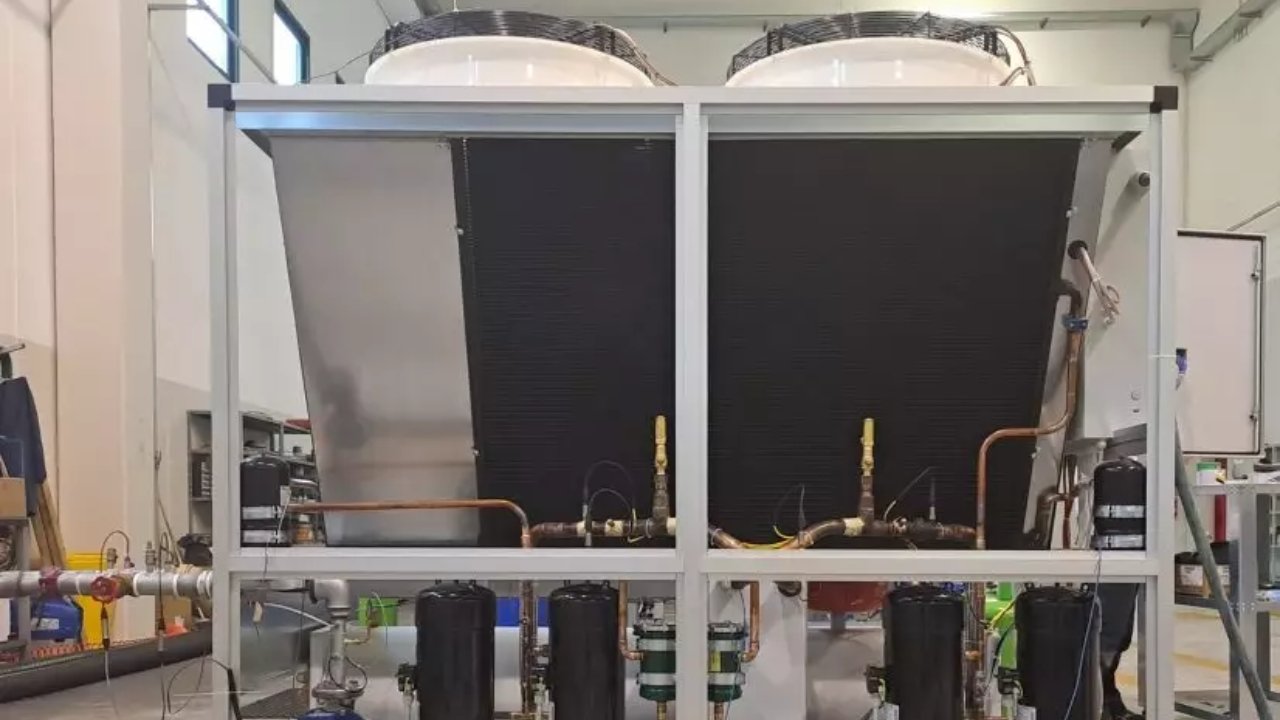
You check against approved engineering documentation installed equipment against the intent of the project. This review contains the capacity ratings, pipe layouts, electrical load requirements and control logic diagrams. You review manufacturer submittals and wiring schematics, and hydraulic flow calculations to ensure compatibility of components.
· Equipment Checking and Installation Checking
This involves inspection of anchor bolts, vibration isolation mounts, piping supports and compliance to manufacturer specifications. You test torque settings, pipe insulation, and the position of valves and the correct clearance to access the maintenance. Electrical enclosures should be closed, marked and grounded.
· Checks on Safety and Compliance
This entails pressure relieving devices, emergency shutoffs, lockout/tagout points, and electrical protection systems. There should be warning labels, access barriers, and safe working clearances. You also check continuity grounding and ensure that circuit protection is adequate to avoid electrical hazards.
Mechanical System Checks

· Piping Inspection and Pressure Testing
Before startup of a system, you check chilled water and condenser piping to ensure that there is proper routing, support spacing, and joint integrity. Pressure testing is a check of the operation of the leak-free performance under operating conditions by using the hydrostatic or pneumatic methods in line with project requirements. You examine the quality of weld, tightness of flange and seating of gasket to avoid failure in future.
· Valve Alignment and Flow Verification
You ensure that isolation, balancing, and control valves are fitted in their proper orientation and adjusted to their commissioning settings. The flow direction should be in line with design drawings to avoid reverse circulation or dead-heading pumps. Flow checking involves the verification of differential pressure levels and the verification of strainers being clean.
· Vibration and Mounting Check
You check the vibration isolators, mounting frames, structural supports to ensure that the chiller is firmly fixed without excessive vibrating to the building. Mechanical stress and noise can occur due to loose anchors or irregular mounting surfaces. Flexible connecting elements have to permit thermal expansion without being distorted.
Checking of the Electrical System
· Power Supply Inspection
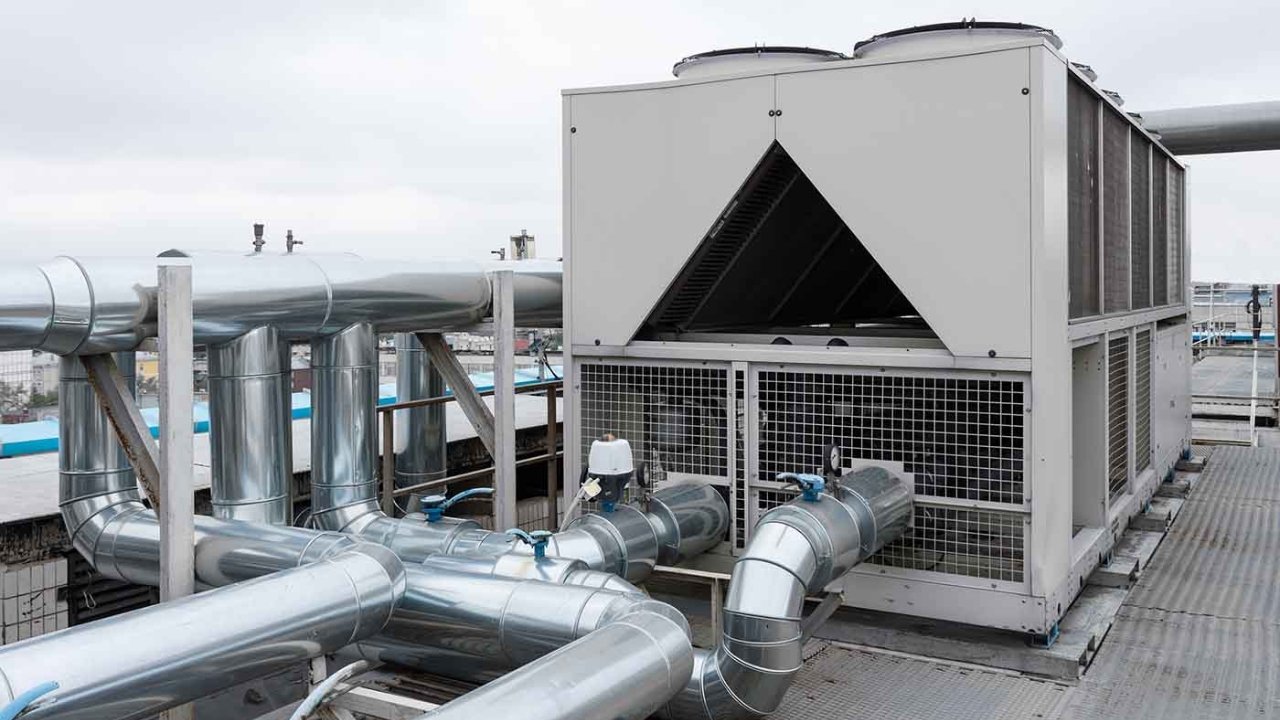
Before energizing the system, you check the incoming voltage, phase balance, and frequency against the chiller nameplate ratings. Free-floating terminals or small-sized cables will result in overheating and annoyance trips. Voltage measurement under no-load conditions assists in identifying instability in supply.
· Control Panel Wiring Checks
Loose connections, inverted polarity, or damaged insulation may cause erratic operation. You check sensor wiring, communication cables and labeling of terminals. Cable routing should not be subjected to electromagnetic interference and overbending.
· Grounding and Protection Devices
You also test the relays, circuit breakers and protective interlocks by ensuring that they do not trip lower than the required limits. These devices stop disastrous losses in the event of faults. Grounding continuity is tested in order to provide low path resistances to dissipate fault currents safely. Inadequate grounding enhances electric shock and noise.
Control System Setup

· Sensor Calibration
Before commissioning, you calibrate temperature, pressure, and flow sensors to certified reference instruments. Minor deviations may bend control logic and efficiency. Calibration guarantees high-quality feedback to and shut downs of loads.
· Controller Configuration
You configure the controller to fit the project requirements, such as setpoints, safety limits, staging logic, and alarm thresholds. Site requirements can hardly be matched to factory defaults. Startup and shutdown logic is checked using simulations. Adequate configuration guarantees that load is handled steadily, there is no short cycling, and critical parts are guarded.
· BMS Integration Communication
You connect the chiller controller to Building Management system through standard and accepted protocols like BACnet or Modbus. System architecture needs to be in line with address, baud rates, and data mapping. The tests of communication checks command response and fault reporting.
Effective BMS integration facilitates centralized control, energy efficiency, and predictive maintenance. Consistent data transfer enhances the control of the facilities and makes the chiller a component of an integrated system.
Initial Start-Up Procedures
· System Cleaning and Flushing
Flushing the piping network is done as a way of eliminating debris, welding residue, contaminants that could cause damage to pumps or block heat exchangers. Water or cleaning solutions are pumped in until run is clear. During flushing, you check strainers and filters numerous times.
· Refrigerant and Oil Level Check
Before starting, you check refrigerant charge and compressor oil level against specifications. Weight, sight glasses and pressure measurements are used to confirm correct quantities. Improper levels may cause alarms or lower temperature capacity and break down compressors.
· Initial Energization Sequence
You start the system with controlled order of energizing with auxiliary equipment, pumps, and control circuits before compressors. Any sudden load increase or faults in wiring should be caught early enough. Initial activation sets a benchmark performance interface.
Operational Performance Testing

· Load Testing Under Various Conditions
You use the chiller at various levels of load to represent a real building load, at part load and full load. This testing checks compressor staging, pump coordination and control logic. The fact that the system is able to operate at different loads proved that it is capable of dealing with the fluctuations that occur in the real world.
· Temperature and Pressure Measures
Those readings confirm correct heat transfer and refrigerant behavior. You compare readings with performance charts provided by the manufacturer to identify irregularities. Flow constraints or wrong charge may be signaled by abnormal temperature discontinuities or pressure differences.
· Capacity Verification and Efficiency
You determine cooling capacity and power use to ensure the chiller is efficient to design. Measurements are drawn in power draw, flow rate, and temperature differentials. You contrast real performance and designated COP or EER values. Efficiency checking is a way of ensuring that the installation achieves anticipated operating costs and environmental performance.
Safety and Protection Tests
· Alarm and Shutdown Testing
You fault the system to ensure alarms are going off as intended and protective shutdown sequences are activated early. High pressure, low flow, sensor failure, and overload are testing scenarios, which are determined by manufacturer safety logic. You check audible and visible alarms, BMS notifications and log of events.
· Emergency Stop Checking
You switch the emergency stop circuit on to make sure that power is off at once and that the equipment is safely switched off. Chiller needs to shut down without being damaged to internal components. Safety compliance requirement must be adhered to and automatic restart should be prevented in reset procedures.
· Interlock Functionality Checks
You verify all mechanical and electrical interlocks that stop unsafe operation, such as flow switches, door interlocks, and pump coordination logic. There should be an interlock that prevents starting in case of unsafe conditions. The condition of interlock performance ensures that the operators and apparatus do not suffer due to dry running or overheating or electrical risks.
Post-Commissioning Monitoring
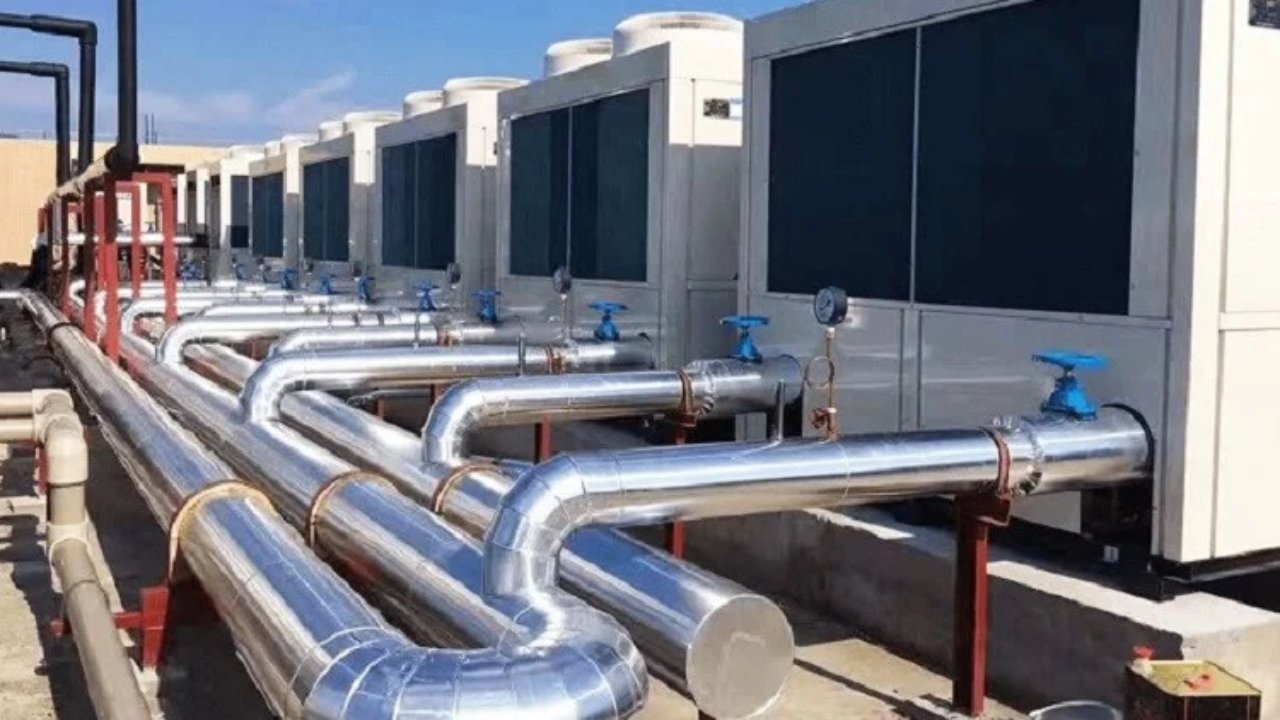
The chiller is tested in actual site conditions so as to ensure it is performing in a stable and reliable manner when it is on trial. You keep track of the temperatures, pressures, power usage, alarms, and control reactions during a few days or weeks. On the basis of observed values, you adjust setpoints, flow rates and control logic to achieve maximum efficiency and stability.
Commissioning Steps
| Commissioning Stage | Major Activities | Purpose |
| Pre-Commissioning Preparation | Review of documentation, inspection of installations, safety compliance checks | Confirms that the system is as intended and safe to energize it |
| Mechanical System Checks | Piping pressure tests, valve alignment, vibration check | Ensures mechanical integrity and proper fluid flow |
| Electrical Checks | Power test, wiring test, grounding test | Prepares for electrical malfunctions and protects equipment |
| Control System Setup | Sensor tuning, controller configuration, BMS integration | Ensures proper monitoring and automatic control |
| Initial Start-Up & Refrigerant/Oil Verification | System flushing, refrigerant/oil verification, energization sequence | Enables the chiller to be started safely for the first time |
| Operational Performance Testing | Load testing, temperature/pressure check, efficiency check | Confirms capacity and performance under actual operating conditions |
| Safety & Protection Testing | Alarm test, shutdown test, interlock test | Ensures protective systems respond correctly to faults |
| Post-Commissioning Monitoring | Trial operation, adjustments, maintenance planning | Optimizes performance and supports long-term reliability |
FAQs
What is included in chiller commissioning?
It involves inspection, testing, start-up, performance test, safety check, and documentation.
How long does commissioning typically take?
Depending on the size and complexity of systems, it typically takes several weeks to a few days.
Why is load testing important?
It proves that the chiller will be able to fulfill the cooling demand safely and effectively within the real working conditions.
Who should perform commissioning?
Certified HVAC engineers or manufacturer-qualified commissioning engineers.
What happens if performance targets are not met?
You optimize settings, fix installation problems, or solve equipment problems prior to acceptance.
Chillerone is Your Trusted Chiller Manufacturer in China
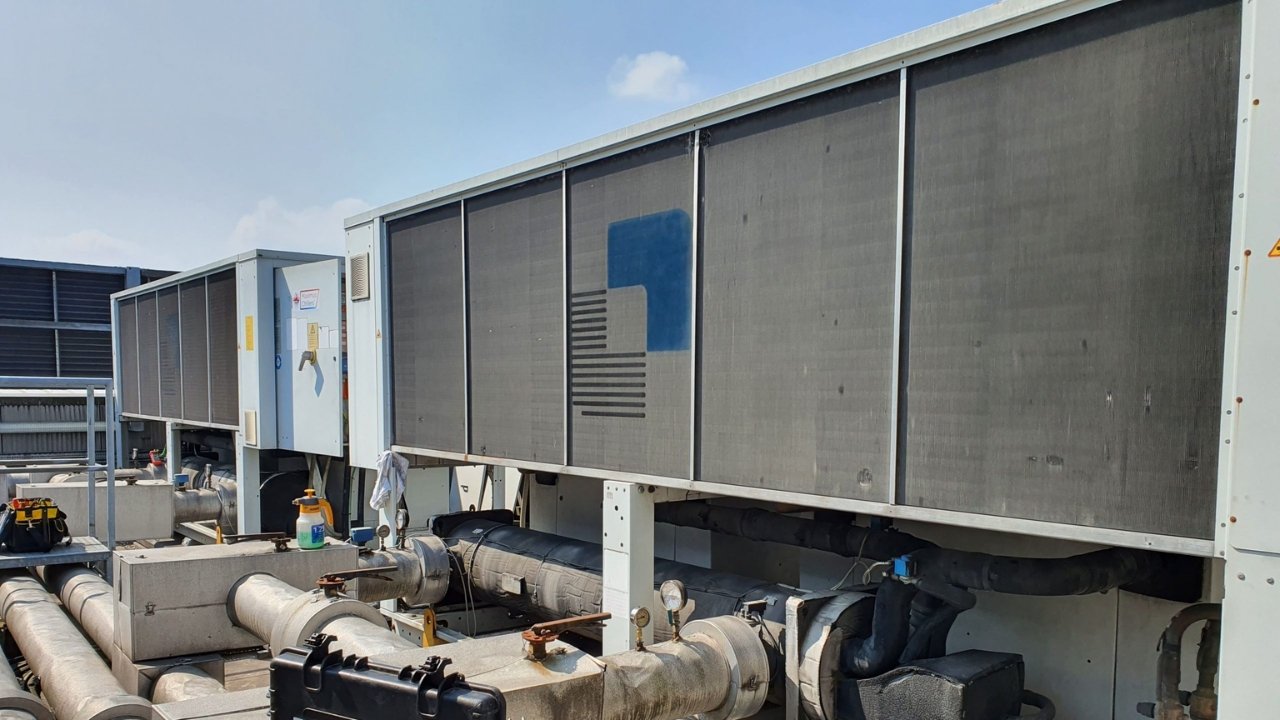
When you buy chiller systems from Chillerone, you get free installation, testing and commissioning. This is in addition to the extended technical support, which is available 24/7.
Chillerone has many chiller designs including water cooled water chillers, air cooled chillers, scroll chillers, and screw chillers. You can choose centralized, portable or modular chillers.
Partner with us today for all your custom chillers – request for chiller sizing now.


 English
 Spanish
 Arabic
 Vietnamese

