

Choosing the wrong chiller for your facility can be quite costly. For instance, installing an indoor chiller outdoors is likely to result in premature equipment damage.
This underlines the need for a clear understanding of the differences between indoor and outdoor chillers. This article assesses their key differences in an attempt to help you make the right call.
What is an Indoor Chiller?
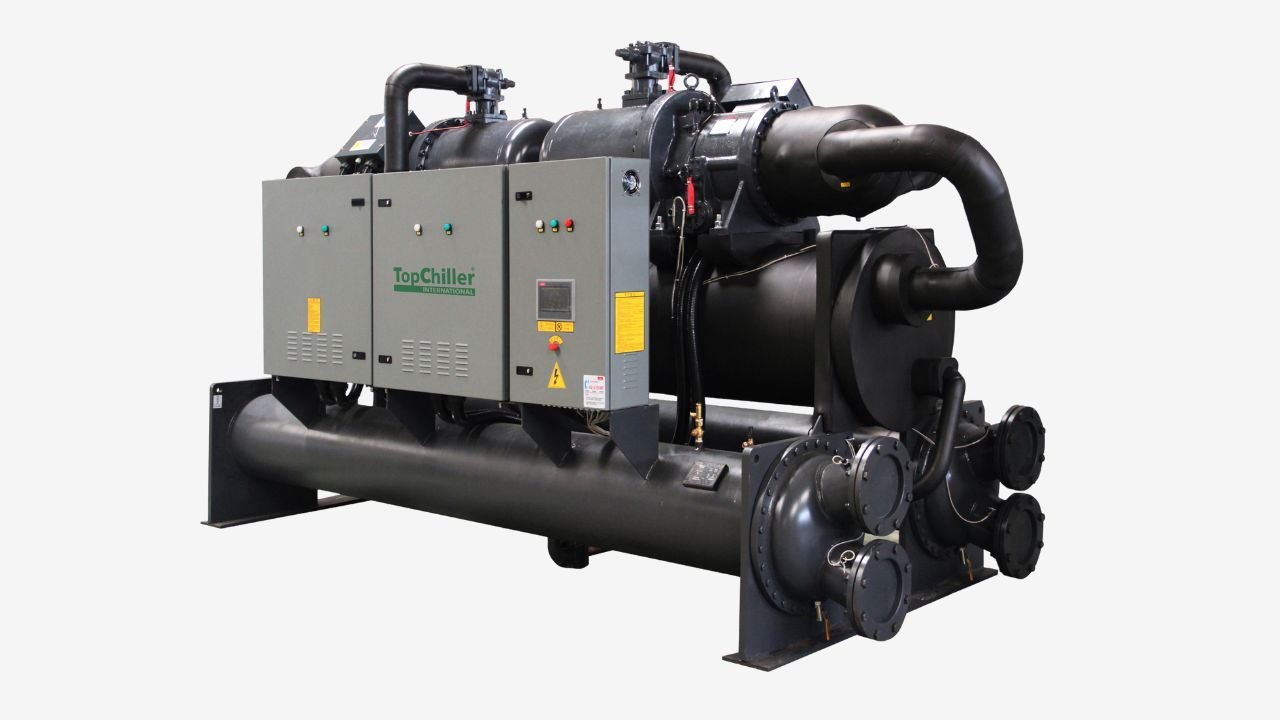
An indoor chiller is a unique refrigeration unit typically housed in basements or other specialized equipment spaces and tasked with cooling facilities and buildings such as hospitals and offices.
This essentially gigantic air conditioning system introduces chilled water or any other applicable coolant into the facility’s water loop while drawing heated water from the same loop, ultimately cooling your space.
Their under-the-roof installation comes with a myriad of rewards, including greater protection from environmental factors and lower maintenance costs.
What is an Outdoor Chiller
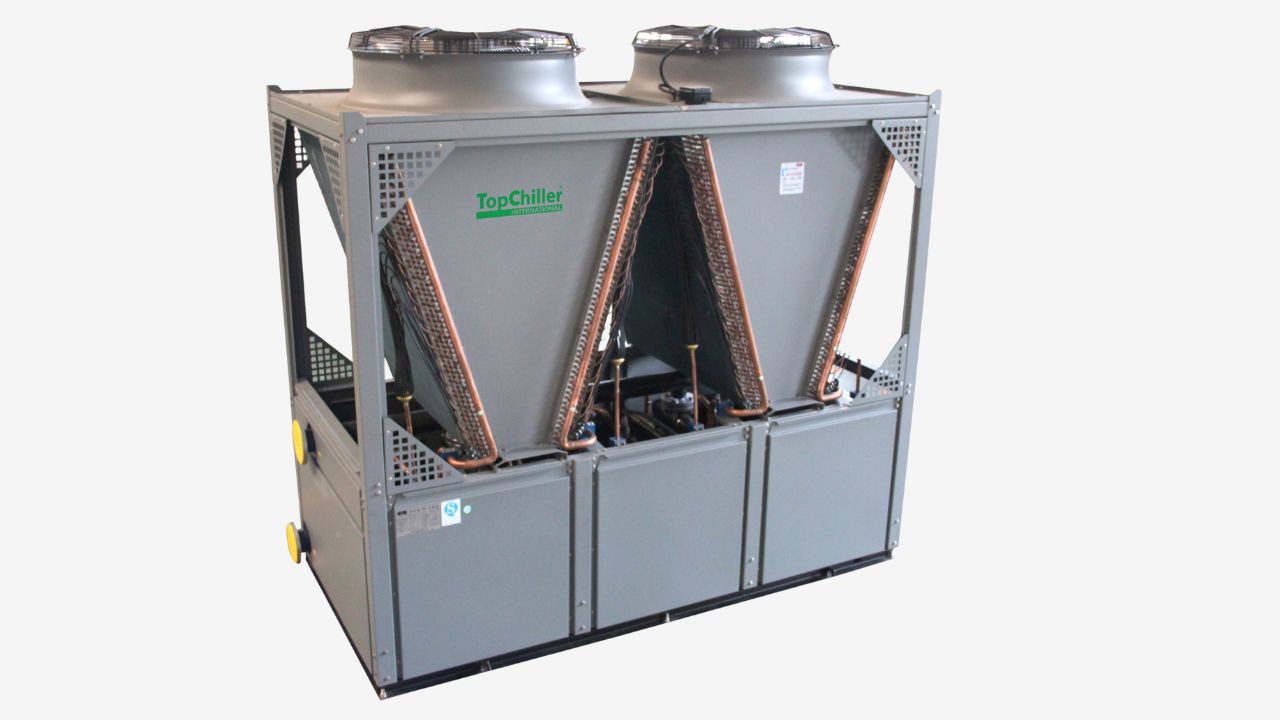
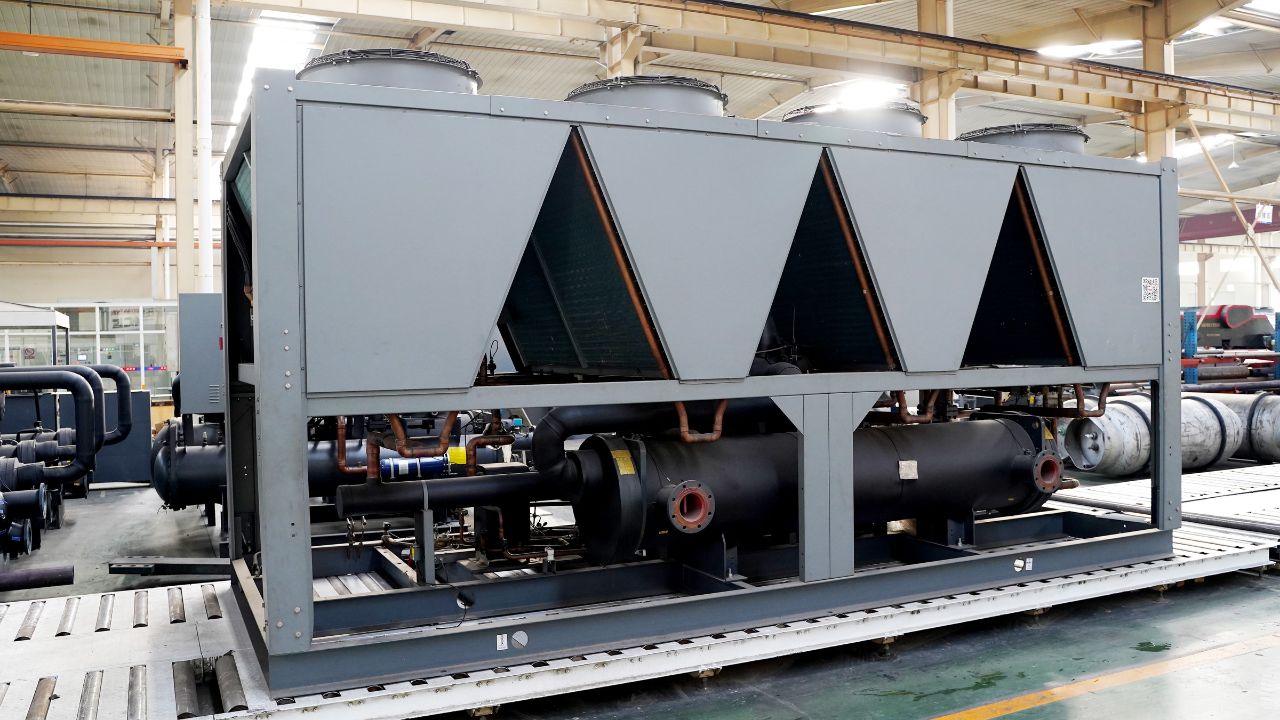
An outdoor chiller is yet another essential cooling component of key facilities and buildings, including laboratories, factories, and workspaces or offices. It comes as a self-contained unit, designed for outdoor installation, thus allowing you to save on space and reduce noise levels indoors.
It supplies chilled water to your facility, keeping it chilled and safeguarding your essential machinery from heat-related faults. Most outdoor chillers are mounted on rooftops, while some are installed on dedicated service yards.
Key Differences Between Indoor and Outdoor Chillers
· Place of Installation
Indoor chillers typically fit into the indoor space or environment you are looking to cool. For instance, inside a school’s computer laboratory, a cool environment is needed to keep the computers running smoothly without risking overheating. They can also be installed in dedicated indoor spaces, such as equipment rooms, close to the setting they are designed to cool.
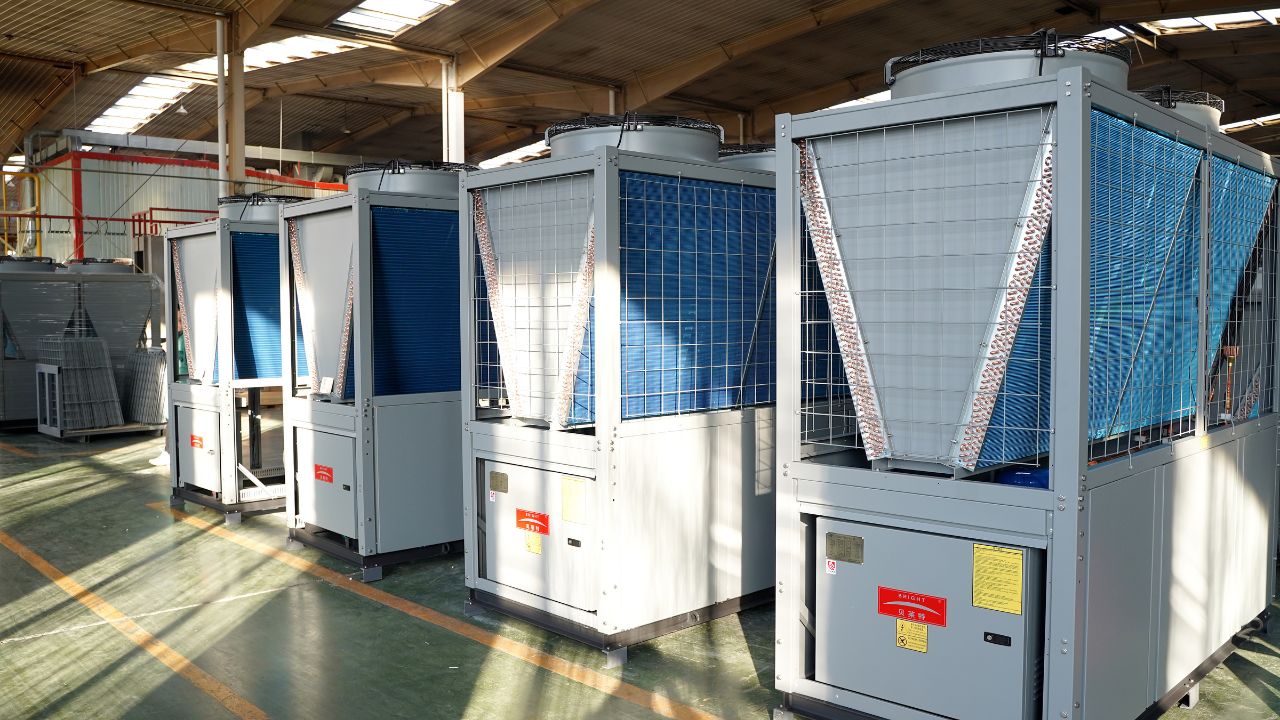
Outdoor chillers, in contrast, thrive when installed in open-air or semi-open spaces away from the settings they are destined to cool. They come equipped with weather-resistant features such as rust-proof, making them impervious to the harsh conditions synonymous with outdoor installation. You can mount them on roofs and terraces or even install them on floors.
· Space Requirements
Indoor chillers generally require you to dedicate more indoor space, making them unsuitable for facilities with constrained space. Whilst the floorspace demanded during installation may appear smaller, more space is needed for maintenance or servicing.
Outdoor chillers, conversely, tend to consume more space. However, since they consume outdoor space, which is not as essential as indoor space, they are quite space-efficient. When installing outdoor chillers, make certain to factor in walkway spaces that will make maintenance easier.
· Working Environment
Due to the nature of their installation site, outdoor chillers are designed to withstand unstable working conditions and environments. Their exposure to harsh elements such as sunlight, rain, and corrosive elements means that they come equipped with sun protection and corrosion resistance mechanisms, among others.The same applies to landscape lighting systems exposed to year-round weather conditions.
Indoor chillers, on the other hand, are subjected to more stable working conditions, meaning they hardly necessitate additional protection features. You can control the indoor temperature with much ease, thus making their working environment stable.
· Noise
Both indoor and outdoor chillers are incapable of working in total silence. They generate some level of noise since they rely on fans, which are generally noisy.
Indoor chillers are, however, less noisy compared to their outdoor counterparts, making them a constant feature in noise-sensitive facilities like hospitals and schools. Outdoor chillers tend to be noisier, hence they are typically utilized in industrial environments where there are no nearby residences or facilities to complain about the noise.
· Heat Dissipation Method
Indoor chillers dispel the heat from your indoor space or machinery using water or air. The water-cooled indoor chillers work in tandem with an independent cooling tower to dissipate the hot coolant before reintroducing it into your facility as a chilled coolant. Air-cooled indoor chillers, on the contrary, rely on fans to cool the hot indoor air before replacing it with chilled air.
Outdoor chillers, on the other hand, typically dissipate heat naturally using the chilled outdoor air. They rely on convection, which is often enhanced using air-flow fans. However, this can lead to chilly conditions, especially in cold regions, hence the need for elaborate anti-freeze mechanisms.
· Maintenance
Maintaining an indoor chiller is comparatively easier and less costly. This is mainly because the chilling equipment remains protected from harsh outdoor conditions. You can also access the chiller without breaking a sweat since it is positioned in a central location.
Conversely, maintaining an outdoor chiller can be a headache, especially when the weather is not conducive. Accessing them can also be a challenge, given that most are often mounted on rooftops, and this may even require a crane.
· Installation Cost
Installing an outdoor chiller system often has you digging deeper into your pockets. This is because you need to factor in costs related to strengthening the installation structure, for instance, the roof. You must also bear costs related to drainage and weatherproofing, among others.
When installing an indoor chiller system, costs such as waterproofing and power supply are often avoidable, making it less costly. However, you can incur costs related to ventilation modification, driving up your installation cost.
· Ideal Applications
Whilst both indoor and outdoor chiller systems help you achieve the same purpose, their distinct preferred installation points make each ideal for distinct applications. Some of their respective applications include;
| Indoor Chillers | Outdoor Chillers |
| · Government buildings | · Crowded offices |
| · Luxury hotels | · Small and medium restaurants |
| · Historic buildings | · Libraries |
| · Coastal projects | · Hospitals |
| · Research labs | · Recording studios |
| · Data centers | · Warehouses and factories |
Why Choose Indoor Chillers
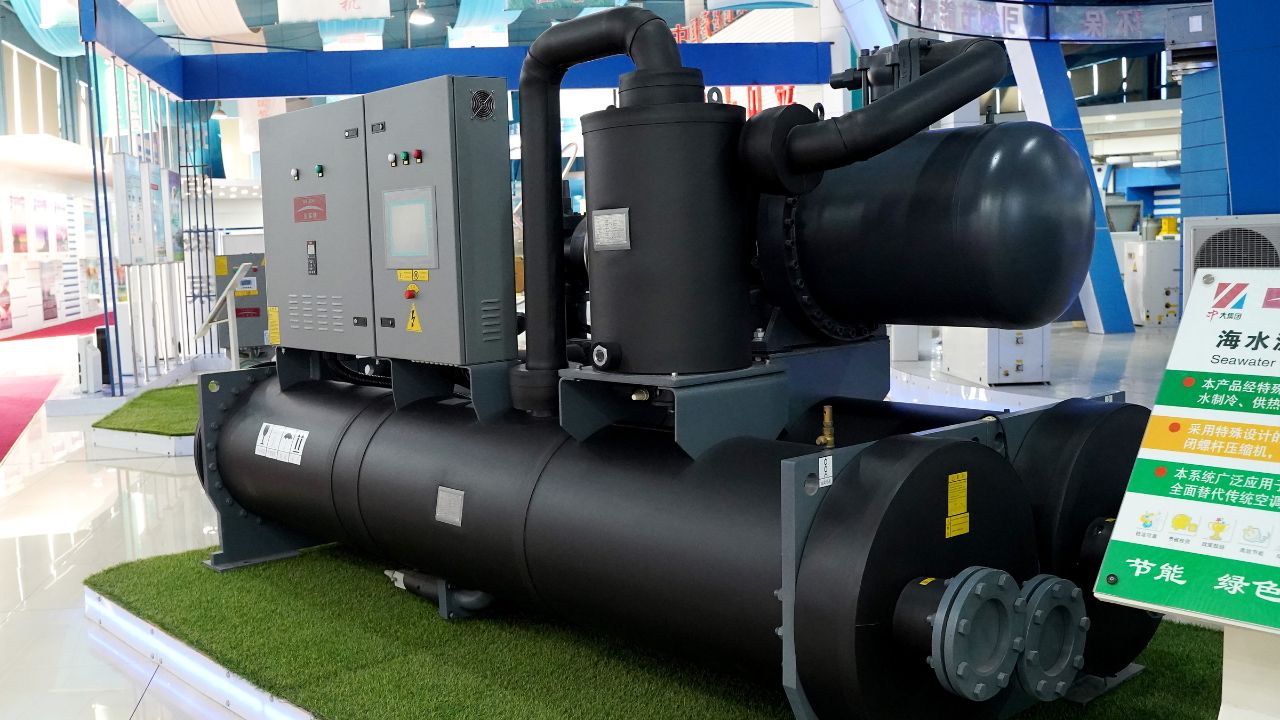
- Longer Equipment Service Life: They are meant for indoor settings, meaning they stay far from the reach of harsh environmental elements, thus preserving their form and functionality longer.
- Lower Cost of Maintenance: Since they are less prone to damage or hiccups, you incur comparatively lower maintenance costs.
- Consistent Performance: Indoor settings are generally stable, and this allows the indoor chillers to consistently deliver optimal cooling irrespective of the outdoor weather conditions.
- Ideal for Harsh Climates: They thrive in areas prone to harsh climates, such as coastal regions, since they are installed indoors, where the harsh climatic conditions have minimal effect on them.
- Easier Access: You walk into the chillers at any moment to inspect their performance and condition or even undertake a few repairs.
- Safe from Vandalism: They remain enclosed, thus impenetrable by unauthorized personnel whose intentions may be disingenuous.
Why Choose Outdoor Chillers
- Greater Cooling Capacity: Often utilized in large industrial facilities since they are much bigger and can have a bigger cooling effect.
- Minimal Indoor Noise: The noise generated remains outdoors, meaning you and your staff can go on about your business with minimal noise from the chillers.
- Preserves Indoor Space: They hardly occupy any indoor space, meaning you can put your space to better use.
- Greater Heat Dissipation: By relying on outdoor air to cool the hot indoor air, they ensure that your facility stays cool at all times.
FAQs
Between an indoor and an outdoor chiller, which is more efficient?
Indoor chillers mostly utilize water to dissipate the heat from your machinery or facility, and since water dissipates heat better than air, these chillers often prove to be more efficient than their outdoor counterparts.
Are outdoor chillers better at dissipating heat than indoor chillers?
Yes. Quite often, outdoor chillers get rid of the hot indoor air or water faster. This is because the amassed heat is instantly dispersed into the outside air, either naturally or by force. Indoor chillers take longer to dissipate the heat since the heated indoor air or water must first be ferried to a cooling tower.
Can you use outdoor chillers in coastal regions?
Yes. Although coastal regions are known for being highly corrosive, you can still install an outdoor chiller in your facility or building. However, you must ensure that the chiller is well equipped to handle the corrosive conditions of the coast region.
Partner with Chillerone Today for all your Chiller Systems

We have many chiller sizes, with varying technologies and working mechanisms like air-cooled chiller, water cooled screw chiller, and inverter chillers, among many other cooling mechanisms.
With every system, Chillerone offers unique cooling technology for higher efficiency and low operating costs. Therefore, if you are looking for a chiller system manufacturer you can trust, Chillerone is your trusted partner in China – Get our chiller catalogue now.


 English
 Spanish
 Arabic
 Vietnamese

