

Every April 28th, the world, particularly workers, marks World Safety Day at their respective places of work. This underlines the need for adhering to the stipulated safety guidelines when handling machinery, particularly industrial chillers and HVAC systems.
Having the safety measures discussed below in place at your chiller-dependent manufacturing facility, commercial building, or even office complex demonstrates your commitment to your employees’ safety.
Why Chiller Safety is Important
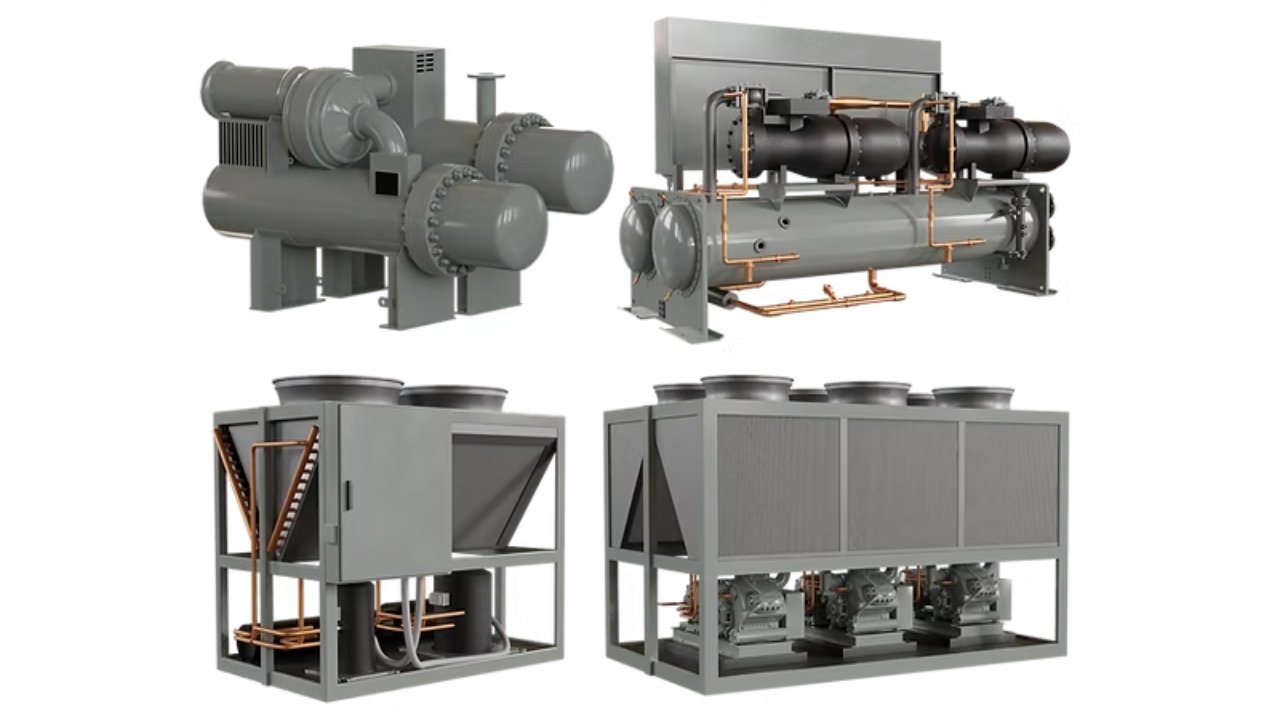
While chillers, particularly high-quality, and certified chillers, pose no immediate threat to your personnel, they can be dangerous if operated without adhering to the recommended safety guidelines. Observing these guidelines simply:
- Protects you from Physical Injuries: Following safety procedures minimizes the chances of explosions caused by extreme pressure, consequently keeping you safe from flying debris, which can harm you physically.
- Averts Chemical Burns: Having the right PPE when operating industrial chillers keeps you from directly contacting the volatile refrigerant, which can leave you with cryogenic burns.
- Keeps you Safe from Electrocution: Safety protocols guide you on how to best operate the chiller system without risking electrocution. For instance, they prohibit you from operating its electrical components in the presence of fluids.
- Helps Protect the Ozone Layer: Observing these guidelines helps your organization or facility meet the set carbon footprint threshold by ensuring refrigerant leaks don’t end up in the atmosphere.
- Saves You from Paying Hefty Fines: Contravening regulations on chiller use attracts heavy fines, and observing these safety protocols keeps you in compliance with such regulations.
- Prevents Unprecedented Downtimes: Failure to observe the stipulated safety protocols may result in enforced shutdowns, which can leave your business counting losses.
- Optimizes the Performance and Service Life of your Equipment: Observing safety protocols includes undertaking planned safety checks, which help you keep key components functioning flawlessly.
Safety Features Every Chiller Needs
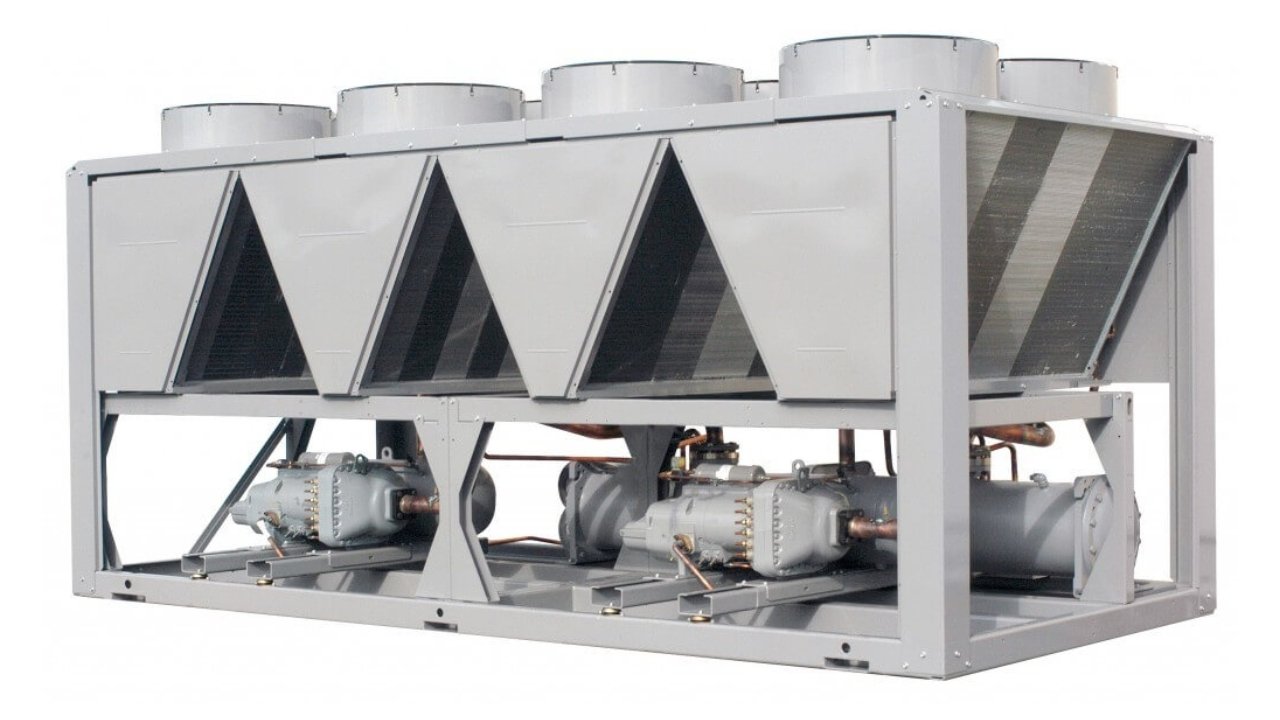
First, you must equip your team with a number of refrigeration systems.
This will ensure the safety of your personnel, valuable equipment, customers, or even the environment.
These safety switches are summarized in the table below;
| Safety Feature | Function |
| High-Pressure Switch | Keeps the compressor safe from damage caused by overwhelming pressure. |
| Low-Pressure Switch | Uses sensors to keep track of the suction pressure, prompting an emergency shutdown once the pressure levels drop significantly. |
| Low Oil Pressure Switches | Initiates emergency shutdown once the lubricating oil levels fall below the set level, thus keeping your chiller functioning smoothly. |
| Temperature Controls | Keeps your chiller operating within the recommended thermal limits. Includes the high-temperature cut-out and the low-temperature thermostat. |
| Flow Switches | Keeps an eye on the flow of the refrigerant fluid into the evaporator, automatically suspending the flow once it drops significantly. |
| Safety Valves | Carefully releases the excess pressure amassed in the chiller, consequently preventing equipment rupture, which can be a serious safety hazard. |
| Emergency Stop Button | Halts the distribution of power to the chiller or some of its units once there is danger. It is often activated manually. |
| Anti-Freeze Protection | Keeps the refrigerant from freezing once the temperatures fall significantly by halting operations. |
Chiller Safety Guidelines that Must be Observed
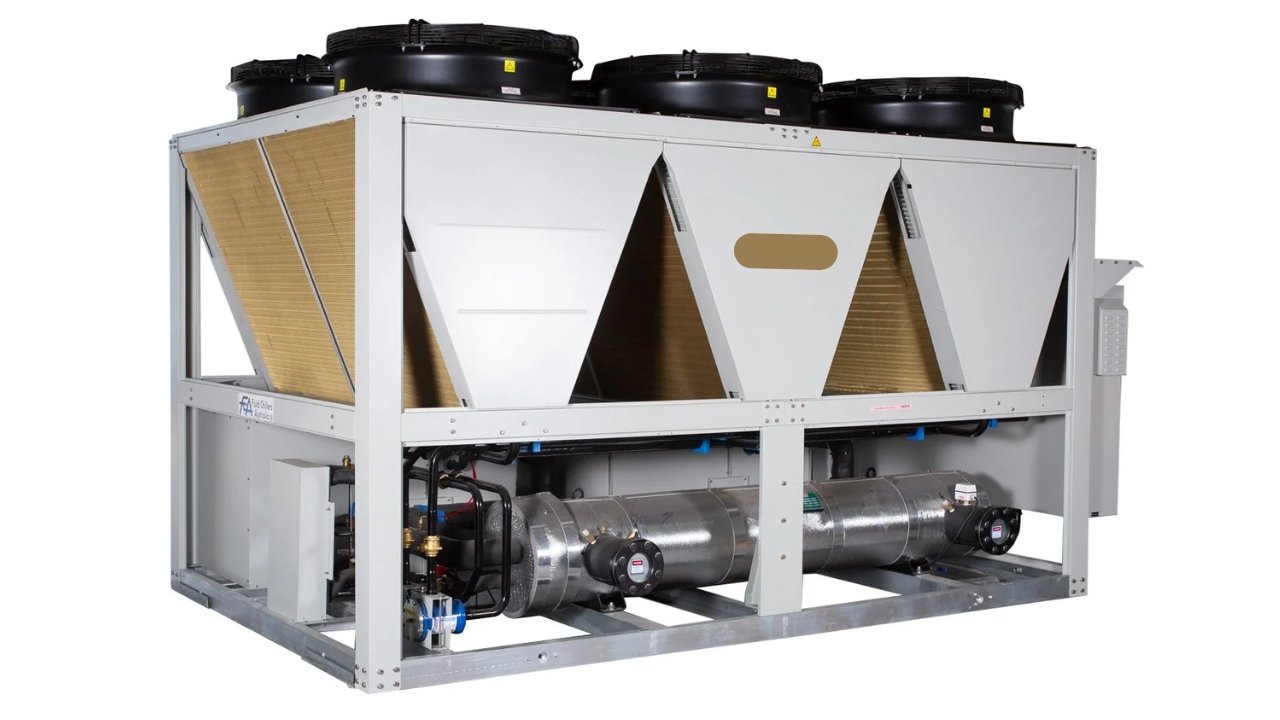
It should not take you a firsthand experience of the dangers caused by the unsafe utilization of chillers to observe chiller safety protocols.
Adhering to these guidelines not only keeps your working environment safe for your personnel but also keeps your key equipment running flawlessly. Here are some of the safety measures you must prioritize when utilizing any type of chiller.
· Always Undertake Pre-Operation Safety Checks
Whereas chillers are always tested at their manufacturing facility before shipment, you should undertake several pre-operation checks before getting your chiller up and running. You are advised to assess the chiller’s physical condition before powering it on.
If you notice any loose connections or faulty components, have them fixed before running your chiller. Additionally, keep a close eye on the refrigerant level to ensure continued peak performance. You can refer to your operational manual or handbook for more details on the pre-operation safety checks needed.
· Train Your Personnel Comprehensively
Lack of knowledge or insufficient expertise on chiller components and their operations poses the most adverse danger. As such, you must ensure that all personnel tasked with handling the chiller are sufficiently trained.
You can liaise with your chiller’s manufacturer and have their engineers or experts train your operators on the ins and outs of the specific chiller model you are using. Furthermore, ensure that your trained operators are certified and always have them renew their specific certifications by undertaking new or subsequent training. The same supplier review process can apply when sourcing other branded items for factory teams. Look for suppliers with clear OEM and ODM services, sample confirmation, and stable quality control before placing a bulk order.
· Always Use the Right Personal Protective Equipment
Make it a workplace policy for your chiller operators to put on the complete set of personal protective equipment when operating chillers. Make sure they have the following PPE at their disposal, and also ensure they are in top condition.
- Eye Protection: Put on safety goggles or high-quality face shields whenever you are in the room housing the chiller. Ensure that your safety glasses or goggles have side shields to keep your eyes safe from refrigerant spillage and debris.
- Respiratory Protection: Ensure you have an SCBA respirator when refilling or handling the refrigerant to avoid inhaling toxic fumes.
- Head Protection: To keep your head safe from falling objects, put on a hard hat.
- Safety Gloves: Cover your hands with heavy-duty gloves when installing, inspecting, or maintaining your chiller. These gloves should protect you against cryogenic burns once you come into contact with the refrigerant, and also protect you from sharp objects.
- Safety Footwear: Ensure you have your safety boots on to avert slipping on the floor or injury to your toes from minor impacts.
- Earplugs: When operating in an equipment room housing loud chillers, ensure you have sufficient hearing protection since continued exposure to loud noise may lead to hearing problems.
· Keep the Area Around the Chiller Tidy
A cluttered workspace increases the risk of accidents tenfold. Always keep the space housing your chiller system tidy and decluttered. Once you are done using certain tools, ensure they are stored properly and well labeled to make identification easier. Additionally, ensure the wiring connecting and powering your chiller components is well-organized to avoid confusion.
· Inspect Chiller Components Regularly
Come up with a structured inspection schedule to help you optimize the performance of your chiller system. You can utilize the schedule provided or recommended by your manufacturer in the chiller manual or develop your own schedule with the help of a certified technician. When inspecting your chiller, pay special attention to:
- Leaks: Check for refrigerant leaks at least once a week to avert the health dangers posed by toxic coolants as well as avoid the financial costs of replacing them.
- Abnormal Noise: Always keep a keen ear for abnormal noises, since this may indicate loose connections or faulty components.
- Oil Level: At least once a month or after every fortnight, check the oil level to prevent the premature wearing off of moving parts within your chiller system.
- Electrical Connections: While undertaking your monthly inspection, do not forget to check on the status of your electrical connections. Look for loose wires and worn-out cables that require immediate fixing.
- Excessive Vibrations: Although most industrial chiller systems experience vibrations, keep a keen ear for abnormal vibrations as you undertake your daily inspections. This might be an indication that your chiller is improperly mounted or that some of its components are loosely secured.
- Signs of Wear: After every 3-4 months, keenly assess your chiller components, weeding out any signs of wear. Pay attention to the valves, sensors, switches, and insulation.
· Be on the Lookout for Refrigerant Leaks
Refrigerant leaks are not only detrimental to your health, but they also have an adverse effect on the ecosystem. As such, you should keep a keen eye on your chiller system as you undertake your daily, weekly, and monthly inspections.
Once you notice any signs of a refrigerant leak, evacuate the facility and shut down the chiller. Without wasting time, consult certified technicians and have them locate the leaking point using a calibrated leak detector before initiating the necessary repair process.
· Adhere to the Recommended Tagout Procedures
Before cleaning or starting a maintenance cycle, make sure your chiller system is turned off. As a matter of fact, you are advised to isolate it from your power source by unplugging it. This protects your technicians from electrocution, which may arise once the chiller is accidentally powered on during maintenance or repairs.
· Ventilate Accordingly
If your chiller is housed in an indoor space, ensure that that space is adequately ventilated to facilitate sufficient air circulation. This will help prevent key components from overheating whilst also providing an escape route for harmful gases released during the chiller’s operation.
· Adhere to the Manufacturer’s Recommended Maintenance Procedures and Routines
Every chiller system comes with a user manual that explains in great detail all the safety procedures you must observe when operating or maintaining your chiller. Always go through the manual before installing your chiller system, and always have it close by when undertaking maintenance or simple repairs.
FAQs
Which safety features are included in industrial chillers?
Contemporary chiller systems come pre-installed with a myriad of distinct safety features, making them relatively safe to use. Some of these safety features are considered mandatory by chiller industry regulators, and they include;
- Safety valves
- Emergency shutdown switches
- High and low-pressure protection
- Flow switches
- Low-oil-pressure protection, among others.
What safety hazards should you be on the lookout for when working with chillers?
While chiller systems help create a conducive and comfortable working space, they can be a danger to key equipment or even your well-being if handled without care. For instance, if they are improperly installed, the refrigerant may leak, putting you at risk of frostbite or toxic fume inhalation.
Do you need safety gear when working with chillers?
Yes. Every time you step into the chiller room, be it for inspection or maintenance, you are advised to have the necessary personal protective gear on. This will protect your hands, feet, and sensitive parts like the eyes from toxic fumes and physical force, consequently keeping you healthy.
When should you perform chiller safety inspections?
The user handbook that comes with your chiller system stipulates when you should inspect and maintain distinct components of the chiller. However, to ensure that your chiller runs smoothly while delivering optimum performance, you should develop an inspection checklist ranging from daily to annual.
How should you handle refrigerant leaks?
Refrigerant leaks are quite rare in well-installed and maintained chiller systems. However, they are not unheard of. Once you determine a leak, you should begin by evacuating the affected facility or building and turning off the chiller. After this, get in touch with certified technicians and have them establish the cause of the leak, repair it, and refill the refrigerant.
Chillerone is your Trusted Chiller Manufacturer in China
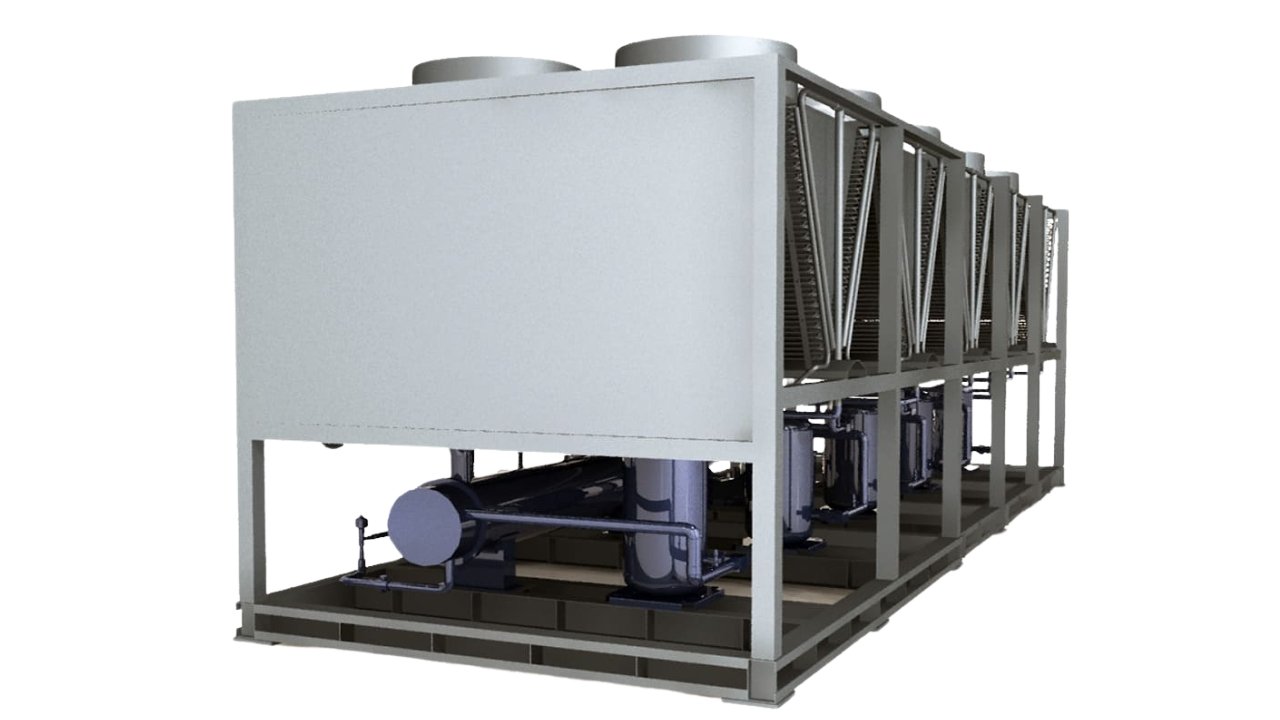
Chillerone has a wide range of air cooled chillers and water cooled water chillers, designed for a wide range of cooling loads. Whether your factory requires centralized, portable or packaged chillers, Chillerone will customize every cooling system to match your project needs.
Partner with us today for all your custom-made chiller systems – get a quote now.


 English
 Spanish
 Arabic
 Vietnamese

