

Whereas water-cooled chillers and air-cooled chillers thrive in most industrial applications seeking a reliable cooling system, they are fairly limited. They fall short in certain applications, particularly those with high thermal stability demands, and this has created space for oil-based chillers. These chillers double up as lubrication systems, making them perfect for distinct use scenarios, most of which are discussed in this article.
What is an Oil Chiller?
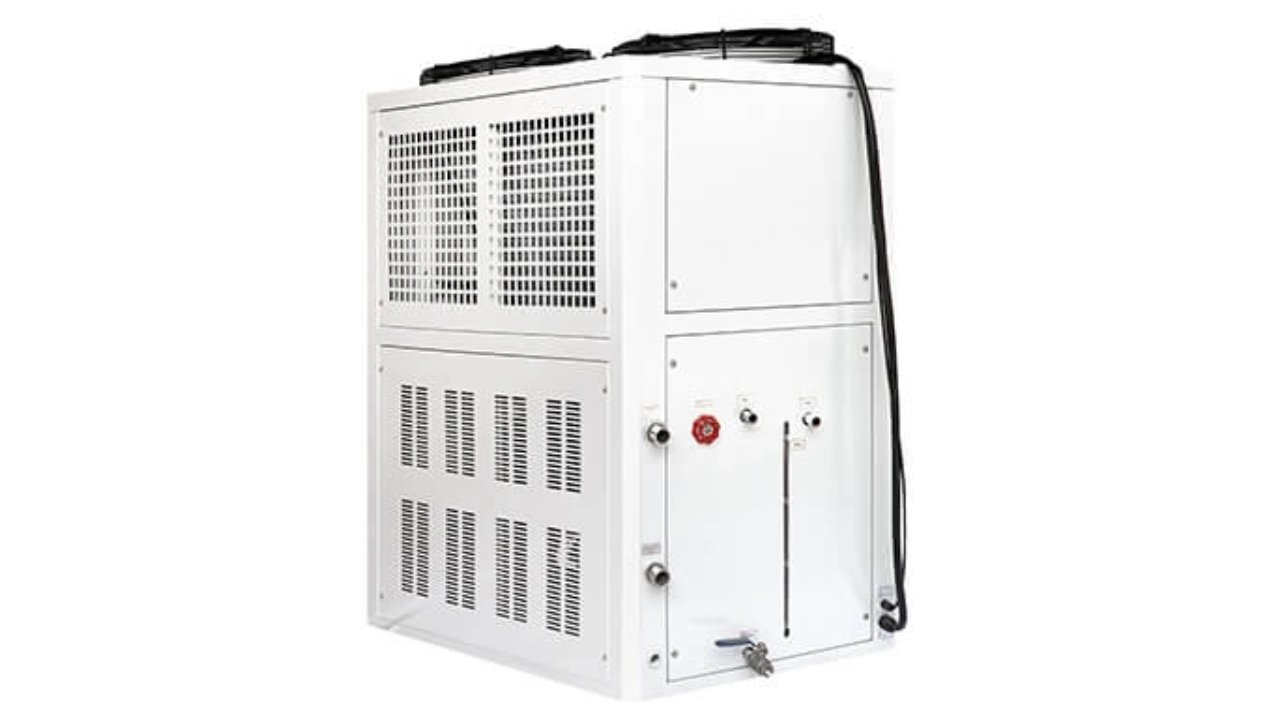
Oil chiller systems are distinct refrigeration units that utilize the low thermal conductivity of oil to cool key machinery such as gear drives and CNC machines. They are quite similar to water-based chillers, but rather than utilizing water as the primary heat dissipation medium, they utilize oil. This permits their use in applications with extreme temperature ranges since they do not melt or freeze as quickly as water.
When to Choose Oil Chiller Systems
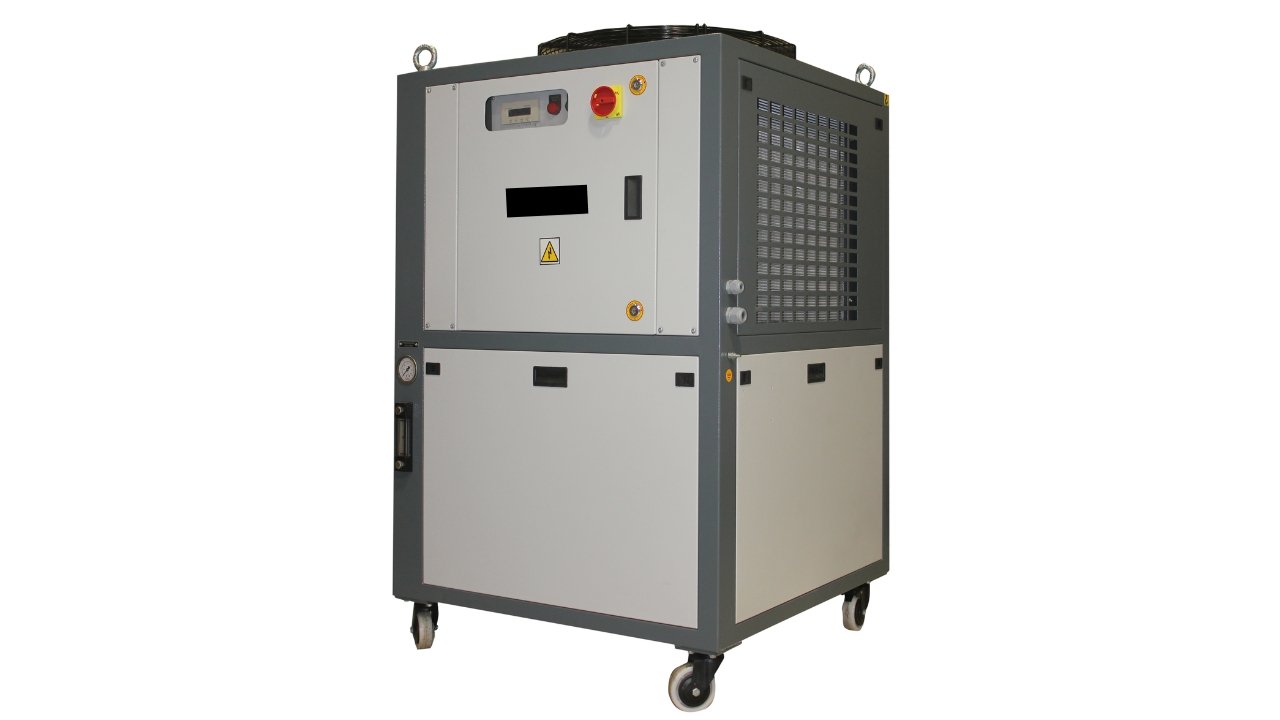
· Dealing with Applications with Broad Temperature Ranges
Water chillers are, without a doubt, some of the best cooling systems for industrial and residential use. However, their suitability for applications with higher temperature demands remains questionable since they freeze at temperatures below 0°C and evaporate at temperatures exceeding 90 °C.
Oil, in contrast, can retain its viscosity and form at temperatures ranging from -20°C to around 120°C. This makes oil chillers the perfect cooling system for heat-intensive and low-temperature machining.
· Cooling Equipment that Requires Cooling and Lubrication Simultaneously
If properly set up, an oil chiller can double up as a lubrication system, supplying the required dose of lubricant to the moving parts. This is evidenced in CNC machines, where the thermal oil circulated by the chiller system to cool the machines is also ferried to the moving parts to reduce friction. This saves you from investing in a standalone lubrication system, consequently reducing your operational costs.
· Where Corrosion Must Be Prevented
The primary cause of part degradation and coolant leakages is corrosion, which is essentially caused by the use of untreated water or unconditioned glycol. Oil chiller systems replace these coolants, which put your chillers at risk of corrosion, with a non-corrosive coolant, thus eliminating this threat. Thermal oil hardly reacts badly with metal components, and this results in longer-lasting machinery.
· For Precise Temperature Control is Prioritized
Certain applications, particularly manufacturing processes fabricating precision parts, necessitate superior thermal stability, which is often not achievable when using water-based chillers. These chillers rely on a coolant vulnerable to form changes in the event of extreme temperature changes.
This can cause thermal shock during manufacturing or machining, consequently interfering with the integrity of the produced parts or goods. Oil chillers exploit oil, whose thermal stability is much higher than that of water, making it possible to machine precision parts with high tolerances despite extreme temperature fluctuations.
· Where Dielectric Properties are Required
Although water-based chiller systems feature prominently in cooling applications involving electrical components and infrastructure, their use demands extra caution. This is because any form of leakage could turn into a catastrophe, given that water is a conductor of electricity.
Replacing water as the cooling medium with oil, which is dielectric, eliminates this threat, guaranteeing your operators’ safety against electrocution. This explains the high prevalence of oil chillers facilities housing EDM machines, transformers, and other electrical components.
· Situations where Contamination Must be Avoided
The vast majority of water used in water chiller systems is drawn from streams and boreholes, meaning it is often rich in minerals and may contain suspended particles. Failure to treat this water before injecting it into the chiller risks the growth of microbial pollutants and corrosion.
Switching to oil chillers not only eliminates the risks of corrosion and biofilm growth but also reduces the chances of your final product getting contaminated. These chillers are featuring more prominently in industries prioritizing safety, such as food processing and pharmaceutical manufacturing, due to their near-zero contamination risk.
· Where Easy Maintenance Is a Priority
An oil chiller system can run continuously for months without necessitating maintenance. All you have to do is assess the quality and cleanliness of the oil once in a while. Your manual stipulates when the oil, as well as the oil filters, should be changed, meaning you do not have to do much.
Water chillers, in contrast, demand regular attention, starting with water treatment and conditioning. Every once in a while, you must inject biocides and scaling inhibitors to avert fouling, and this requires a system shutdown.
Oil Chiller Systems Vs Water Chiller Systems
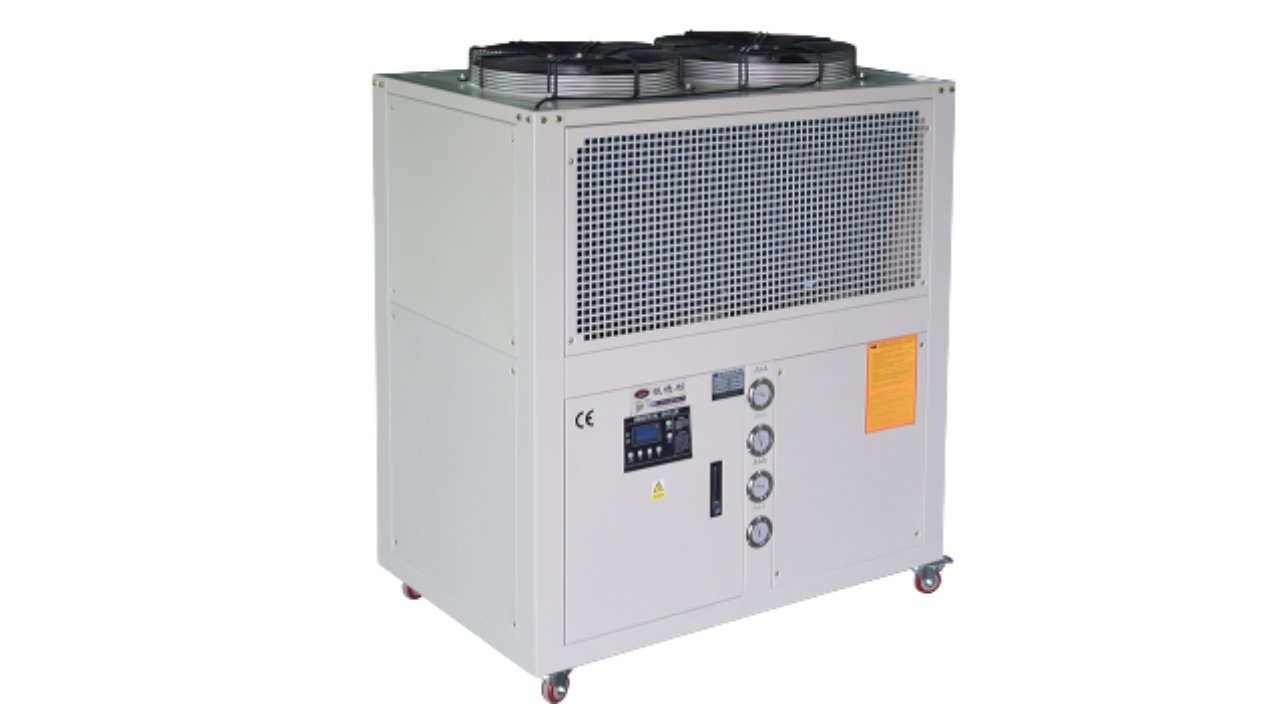
| Property | Oil Chiller | Water Chiller |
| Operating Temperature Range | -20°C to 120°C. | 0°C to 90°C. |
| Corrosion Risk | Very low. | Relatively high, necessitating the use of corrosion inhibitors. |
| Contamination Risk | Very low. | Quite high due to biological growth and scaling. |
| Cooling Fluid | Thermal oil. | Water and glycol. |
| Thermal Conductivity | Relatively low. | Very conductive. |
| Key Applications | Gearboxes, CNC machines, and hydraulic systems. | Medical imaging, laser cutting, and injection molding. |
FAQs
What type of oil is used in oil chiller systems?
Oil chillers do not utilize regular oil to dissipate heat from key machinery or processes. They rely on customized thermal oils, most of which are made from silicon and hydrocarbons. This means they boast greater thermal stability and performance.
What is the operating temperature range of oil chiller systems?
Unlike water chillers, oil-based chillers can withstand more extreme temperature ranges thanks to the high viscosity of oil. The oil retains its viscosity at temperatures ranging from -20°C to +120°C, with reinforced oils handling up to 300°C.
How often should you change the oil in oil chillers?
Although the ideal timeline for changing your chiller oil depends on workload, it is advisable to at least check the oil once every three months. However, if you notice any changes in viscosity and quality, replace the oil immediately.
Are oil chillers perfect for hydraulic systems?
Yes. When utilized to cool hydraulic systems, they double up as lubrication systems, keeping all the moving parts running smoothly.
On roll-forming lines, abnormal hydraulic-oil temperature should be checked together with oil condition, filter restriction, system pressure, and electrical connections; this roll forming machine troubleshooting guide explains those related checks and the cutting or operating faults they can cause.
What are the limitations of oil chillers?
Whereas oil chillers thrive in cooling applications with extreme temperature ranges, they fall short when it comes to thermal conductivity. Compared to other coolants, they are less efficient in transferring heat.
Partner with Chillerone
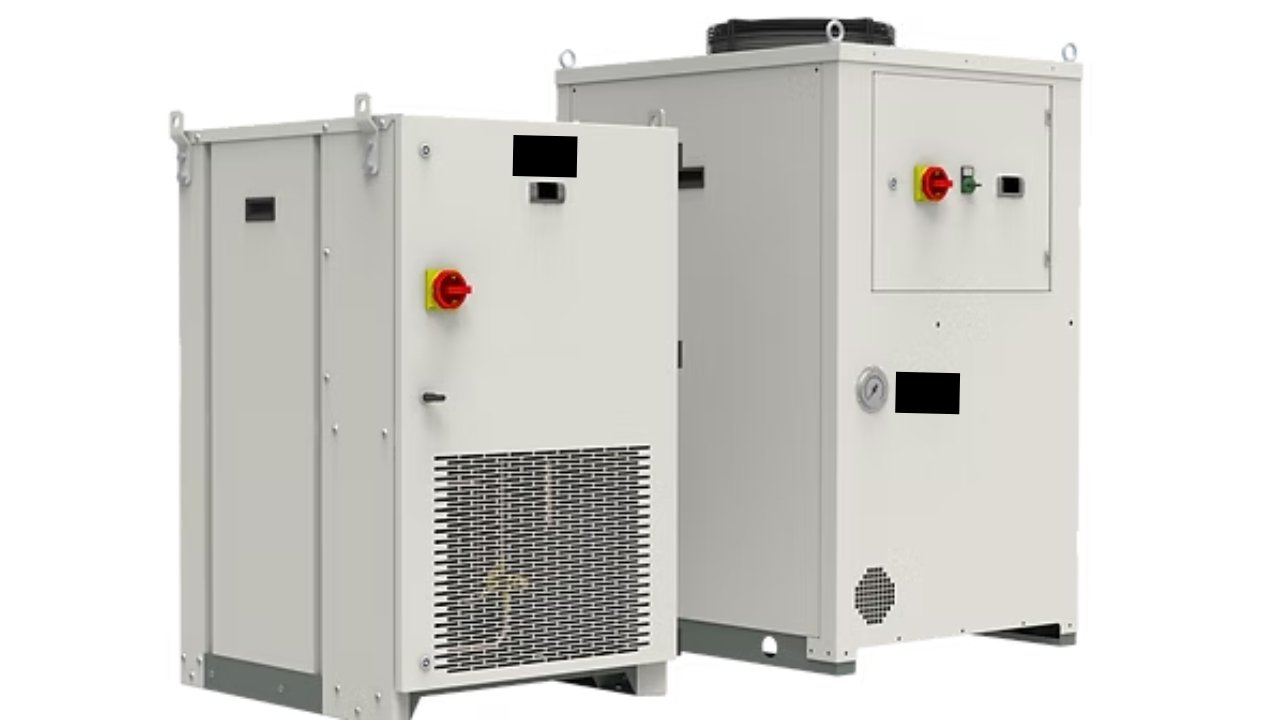
Chillerone is your trusted oil chiller manufacturer in China. You can choose from our range of products including industrial oil chiller, spindle oil chiller, or hydraulic oil chiller.
Alternatively, Chillerone engineers will also customize oil chillers to match your unique cooling requirements. Tell us more about your cooling needs and our team will customize the chillers to match your cooling requirements – Let our engineers size your chiller.


 English
 Spanish
 Arabic
 Vietnamese

